Best Bushes for Planters: Choosing Shrubs for Pots in 2026
Disclosure: We may earn a commission when you buy through links on this page, at no extra cost to you. As an Amazon Associate I earn from qualifying purchases. Learn more

The best bushes for planters are compact, hardy and suited to your light: choose by size, sun and care.
A shrub in a planter works hard. It gives a patio or balcony structure through the year, softens hard edges, and can be moved when the seasons change. The best bushes for planters stay compact, tolerate the quick drying and temperature swings of a container, and still look good when nothing around them is in bloom. This guide covers the shrubs that do well in pots, how to match them to light and climate, and how to plant and care for them.
Use the product table to compare available plants, then read on to match size, sun and winter hardiness to your space.





What Makes a Good Shrub for a Planter
Look for slow to moderate growth, a naturally compact habit and a root system that does not need deep soil. Plants sold as dwarf or compact varieties usually keep their size for years, while a full size shrub in a pot will outgrow it quickly. Evergreen shrubs give year round shape, and flowering shrubs add seasonal color but ask for more feeding and pruning. A tough plant that forgives a missed watering is a better choice for a busy household.
Popular Types for Pots
Boxwood and Other Evergreens
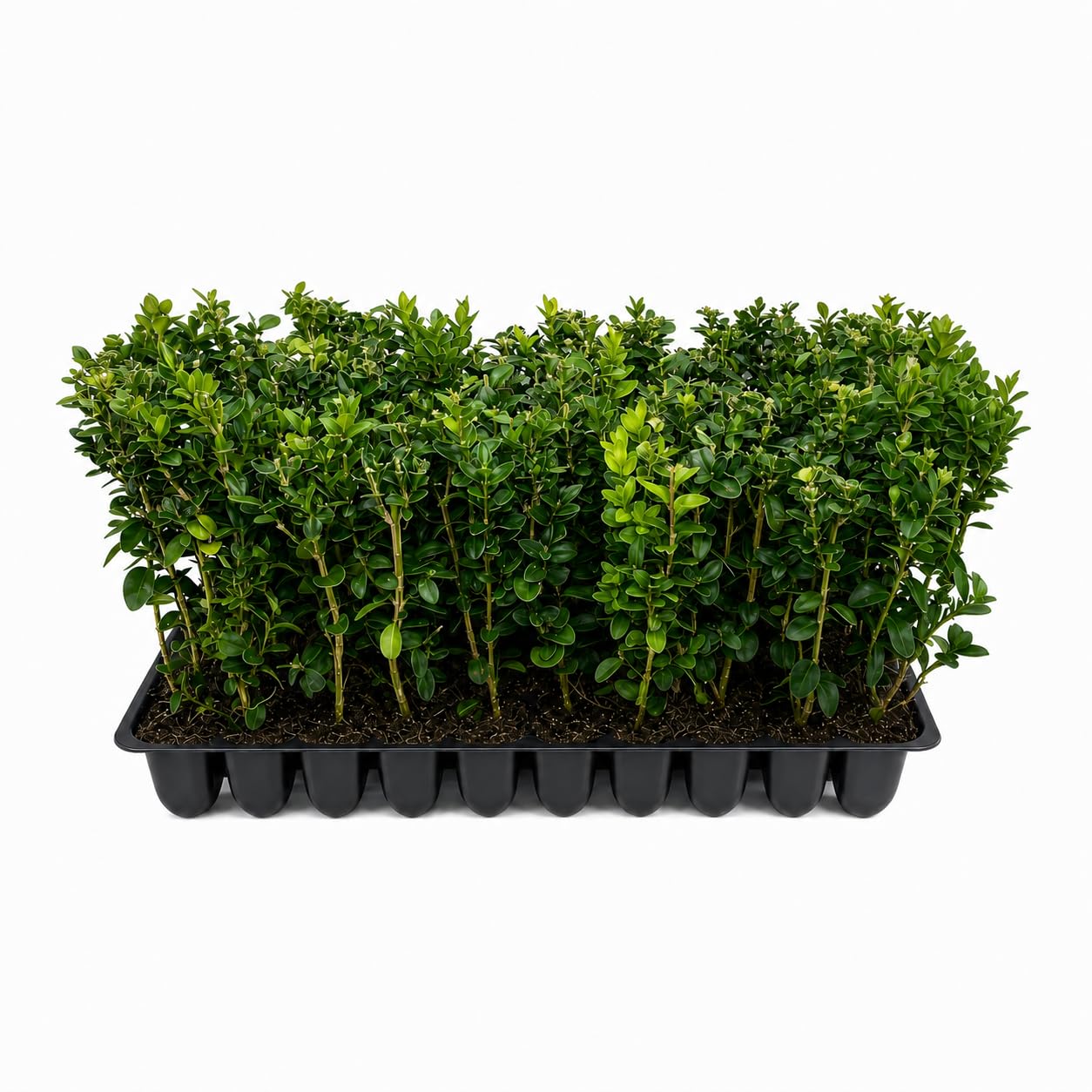
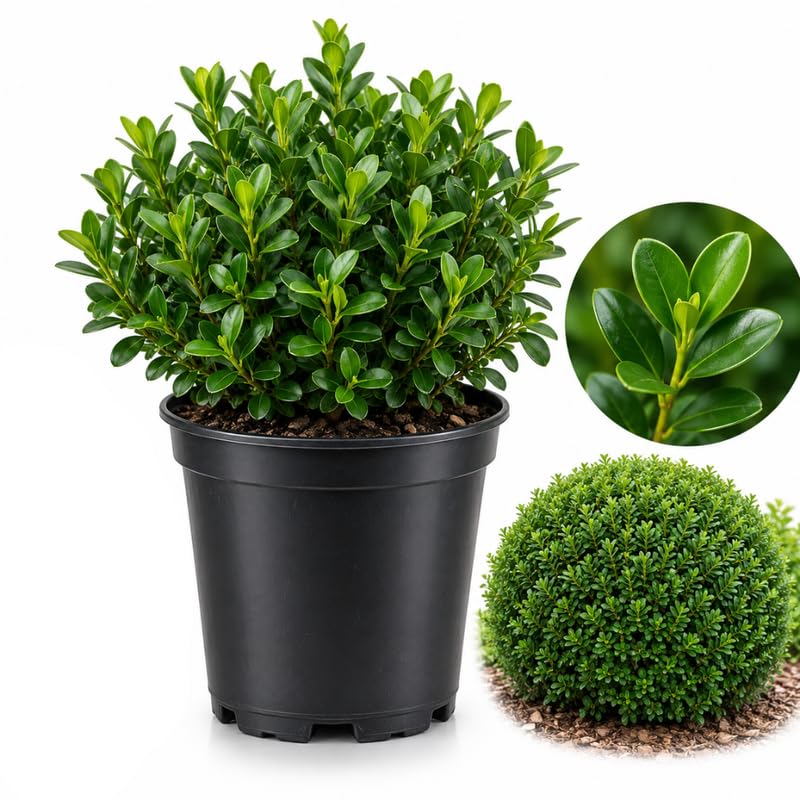
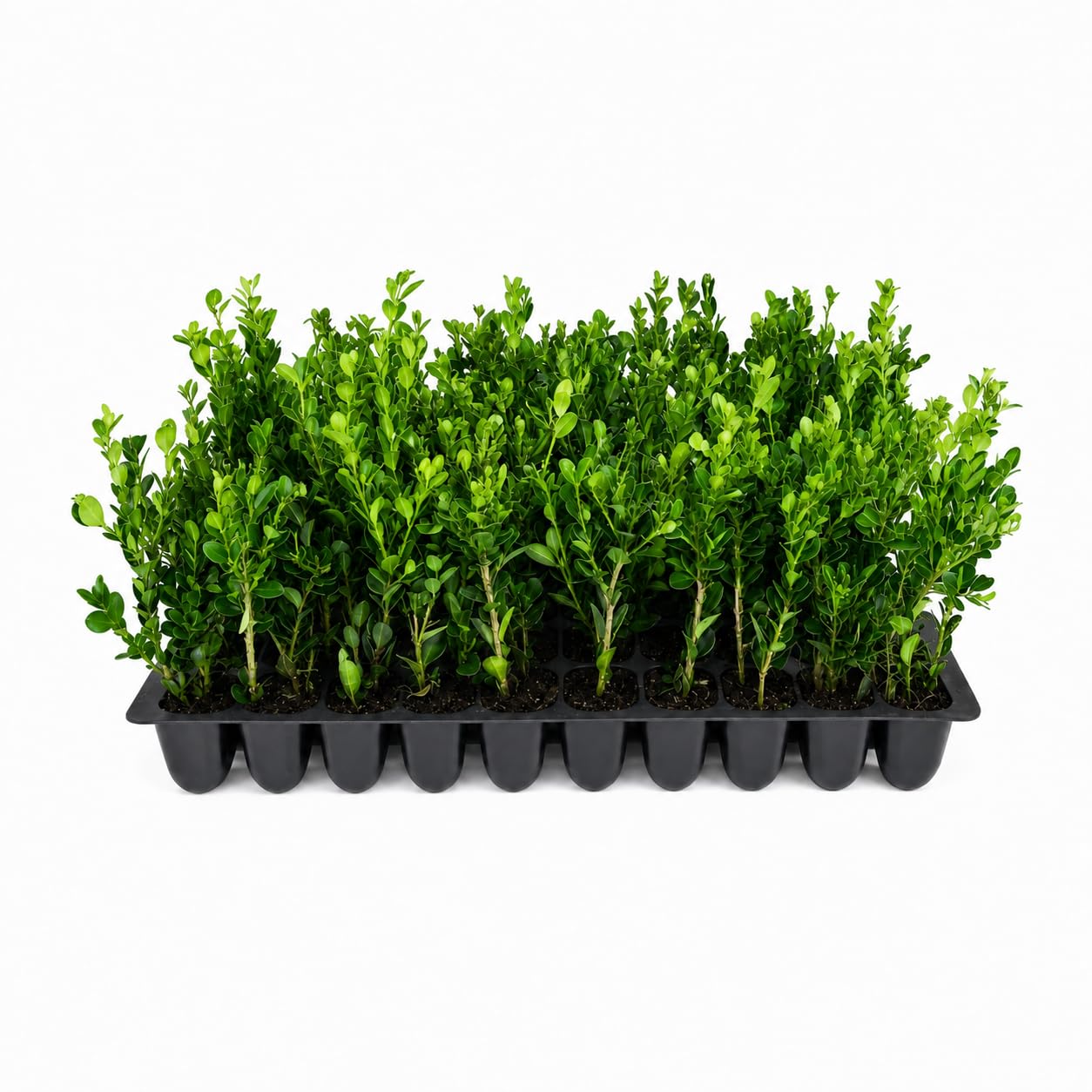
Boxwood is the classic choice. It clips into balls, cones or low hedges, stays green in winter and handles pruning well. Japanese boxwood varieties are hardy and fast to establish, and dwarf forms stay under two feet. Other compact evergreens such as dwarf yew, juniper and holly give a similar structure with different textures.
Flowering Shrubs
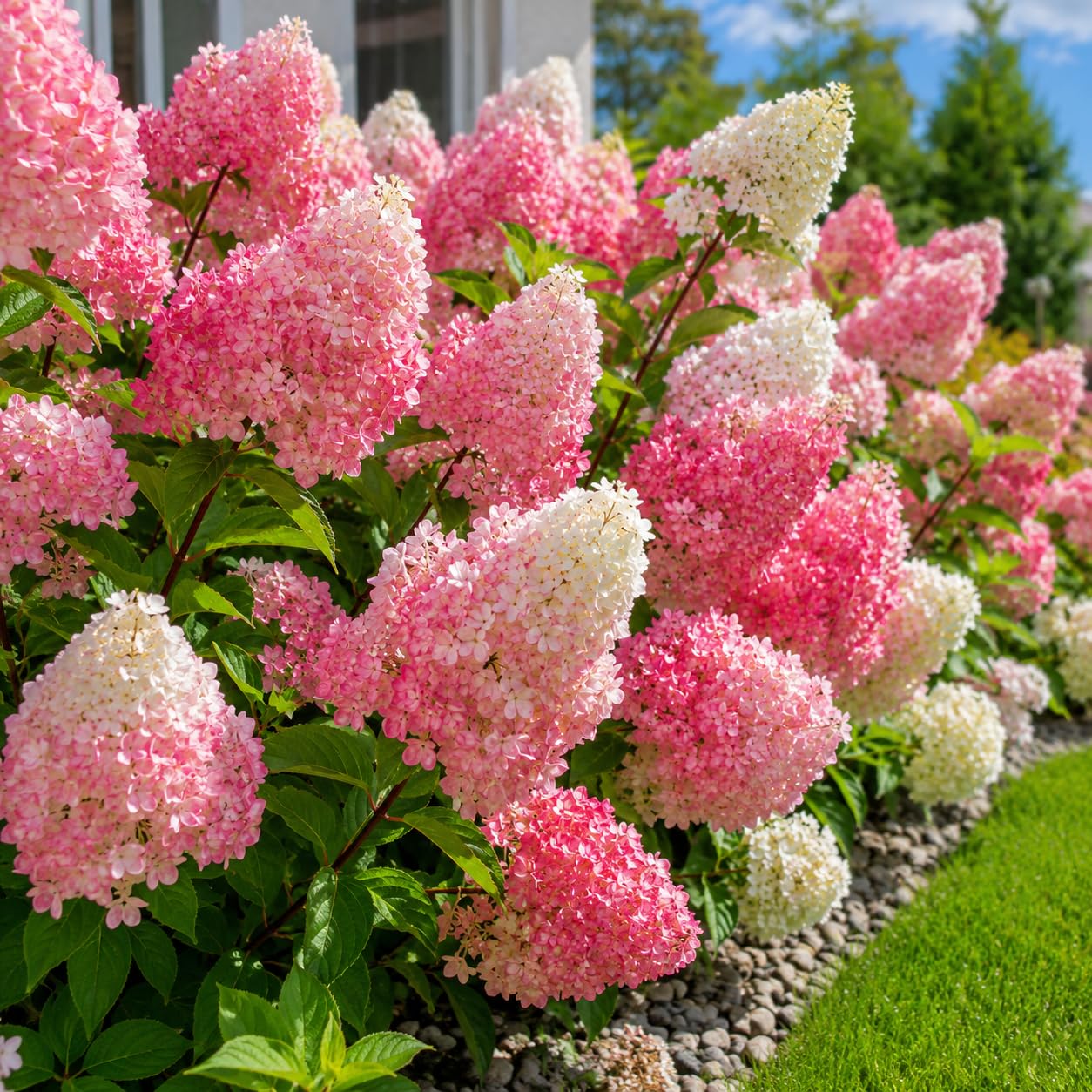
Hydrangea, gardenia, compact roses and dwarf azalea bring flowers and scent. Hydrangeas like morning sun and steady moisture, gardenias want warmth and acidic soil, and shrub roses need sun and regular feeding. Flowering shrubs reward you with seasonal color but take more care than evergreens.
Foliage and Color Shrubs
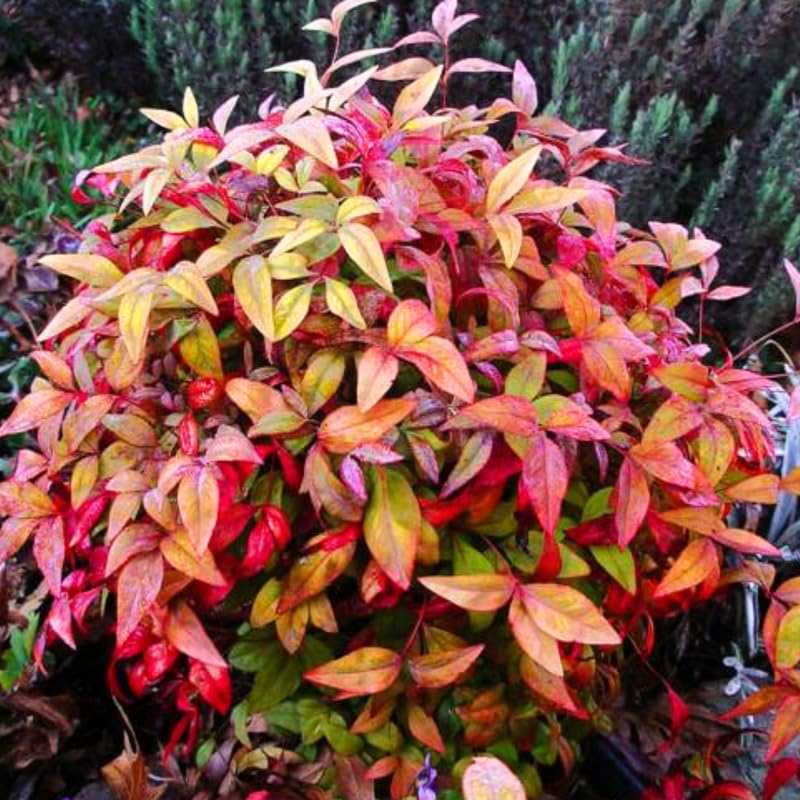
Nandina, dwarf barberry and some compact spirea offer colorful leaves, red berries or autumn tints without relying on blooms. Nandina in particular is tolerant and holds color through colder months.
Tender Shrubs
Oleander and similar warm climate plants look dramatic in pots, but they need protection from hard frost and are often brought indoors or into a sheltered spot for winter. Note that oleander is toxic if eaten, so keep it away from children and pets.
Who Should Choose Which Shrub
Balcony Gardeners
Balconies are windy and the soil dries fast, so choose compact evergreens with small leaves such as dwarf boxwood or juniper. Keep planters out of the strongest wind and anchor tall pots.
Patio Gardeners
A larger patio can carry a pair of clipped boxwood or a flowering shrub as a focal point. Choose a planter at least 16 to 20 inches wide for steadier moisture and root room.
Beginners
Start with boxwood or nandina. They forgive missed watering, tolerate light and heavy pruning, and rarely need special soil.
Gardeners in Cold Climates
Roots in a pot freeze harder than roots in the ground. Choose shrubs rated at least one or two hardiness zones colder than your own, group pots together and wrap them or move them to a sheltered spot in deep winter.
Choosing the Right Planter and Soil
Pick a planter two to four inches wider than the nursery pot, with drainage holes and no saucer that leaves roots sitting in water. Large planters hold moisture longer, which helps in summer. Use a good quality potting mix, not garden soil, which compacts and drains poorly. Mixing in some perlite or bark improves drainage, and a layer of mulch on top cuts evaporation. For ideas on pots that suit shrubs and your style, see our guide to the best looking planters.
Planting and Care
Planting
Water the plant in its nursery pot first, loosen circling roots gently, set the root ball at the same depth it grew before, and fill around it with potting mix. Water thoroughly until it runs from the base, then top up any settled soil.
Watering
Water when the top inch or two feels dry, and give a deep drink instead of frequent sips. In hot or windy weather pots may need daily watering. Poor drainage and overwatering are more harmful than a little dryness.
Feeding and Pruning
Feed during the growing season with a slow release or balanced fertilizer as the label directs. Prune lightly to keep shape: evergreens after the spring flush, and flowering shrubs right after they bloom so you do not remove next year's buds.
Winter Care
Water evergreens before the ground freezes, avoid letting pots sit waterlogged, and insulate or shelter pots in severe cold. Repot every two to three years when roots circle tightly. If you want to mix in flowers, our guide to the best perennials for planters covers plants that pair well with shrubs.
Common Mistakes to Avoid
- Choosing a full size shrub that outgrows its pot within two seasons.
- Using a planter without drainage holes.
- Placing a sun loving shrub in deep shade, or a shade lover on a hot south balcony.
- Forgetting that container roots are more exposed to winter cold.
- Fertilizing heavily late in the season, which pushes tender growth before frost.
Seasonal Planter Ideas
A single shrub can anchor a container all year, and a few simple additions change its look with the seasons. In spring, tuck small bulbs or pansies around the base of boxwood or a compact evergreen. In summer, trailing flowers such as petunias or lobelia soften the edge of the pot. In autumn, swap in mums or ornamental kale, and in winter, add evergreen branches, berries or a string of weather safe lights for color when little else is growing.
Group planters in odd numbers for a natural look, using one tall shrub, one medium and one low. Use pots in a matching color or material to keep the display tidy, and raise them on pot feet so water drains freely and the base does not stain the patio. Moving the best bushes for planters to a sheltered spot during storms and cold snaps keeps them healthy and protects the pots from cracking.
Frequently Asked Questions
What size planter does a bush need?
Choose a planter a few inches wider than the nursery pot, then step up every couple of years. Larger planters dry out more slowly, which helps in hot weather.
How often should I water bushes in planters?
Water when the top inch or two of mix feels dry, until water drains from the base. Hot, windy weather may need daily watering in summer.
Can bushes survive winter in planters?
Many hardy shrubs do, but pot roots are colder than ground roots. Choose hardy varieties, shelter the pots and avoid waterlogging.
Do planter bushes need pruning?
Light, regular pruning keeps shape and removes dead branches. Prune at the right time for the shrub, because cutting flowering shrubs at the wrong time removes buds.
What soil is best for bushes in planters?
A good quality potting mix with drainage material suits most shrubs better than garden soil. Refresh the top layer each spring and replace compacted mix.
Final Thoughts
Match the shrub to your light, your climate and the size of your pot, and give it a free draining mix and steady watering. Compare the plants in the product table, and the best bushes for planters will be the ones that look good in every season and stay in proportion to their container.