Best Bypass Pruners for 2026: A Clear Beginner Guide
Disclosure: We may earn a commission when you buy through links on this page, at no extra cost to you. As an Amazon Associate I earn from qualifying purchases. Learn more
Learn how bypass pruners cut, what blade, spring, handle, and size features matter, and how to avoid common beginner mistakes when choosing your first pair.
A bypass pruner cuts with two blades that pass each other like scissors, which makes a clean cut on living stems. That clean cut matters, since a crushed stem can heal slowly and invite disease. This guide explains the parts, the specs, and the habits that help a first time buyer choose with confidence. The comparison table below shows the main pruner styles at a glance, and the sections that follow explain each feature in plain language.
If you are shopping for best bypass pruners for the first time, you do not need to learn every garden term at once. Focus on cut capacity, blade quality, hand fit, and ease of cleaning. A pair that fits your hand and opens smoothly will get used more often, and that regular use keeps shrubs and roses in better shape through the season.


Bypass Pruners 101: The Basics
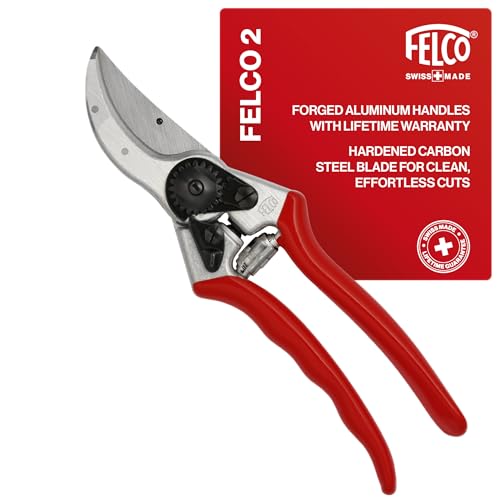
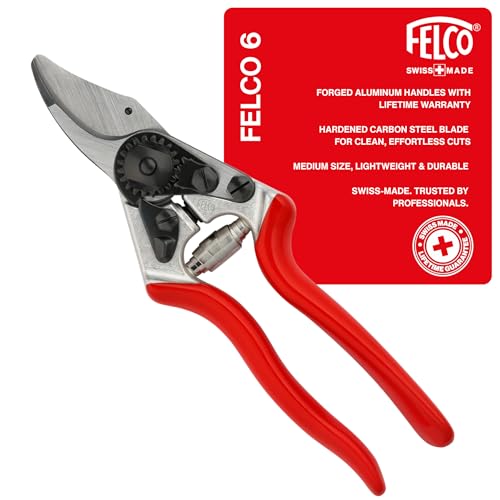
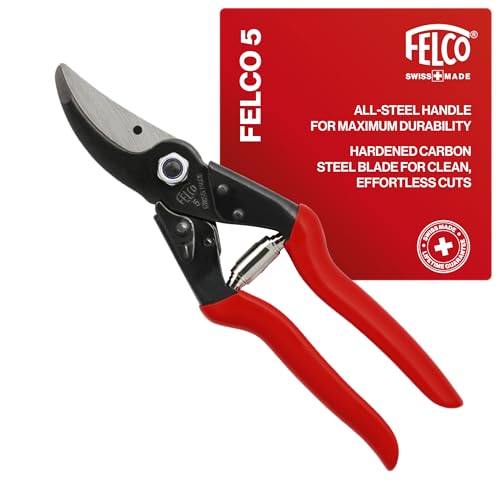
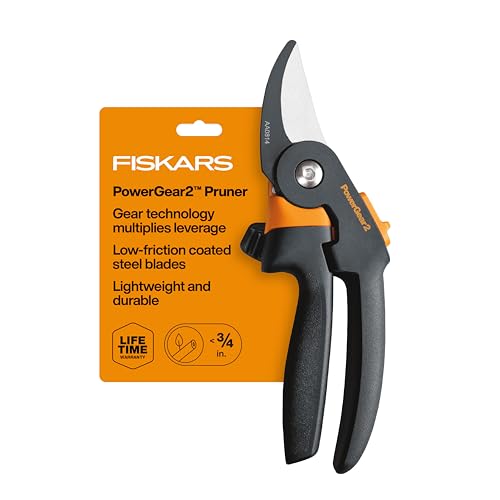
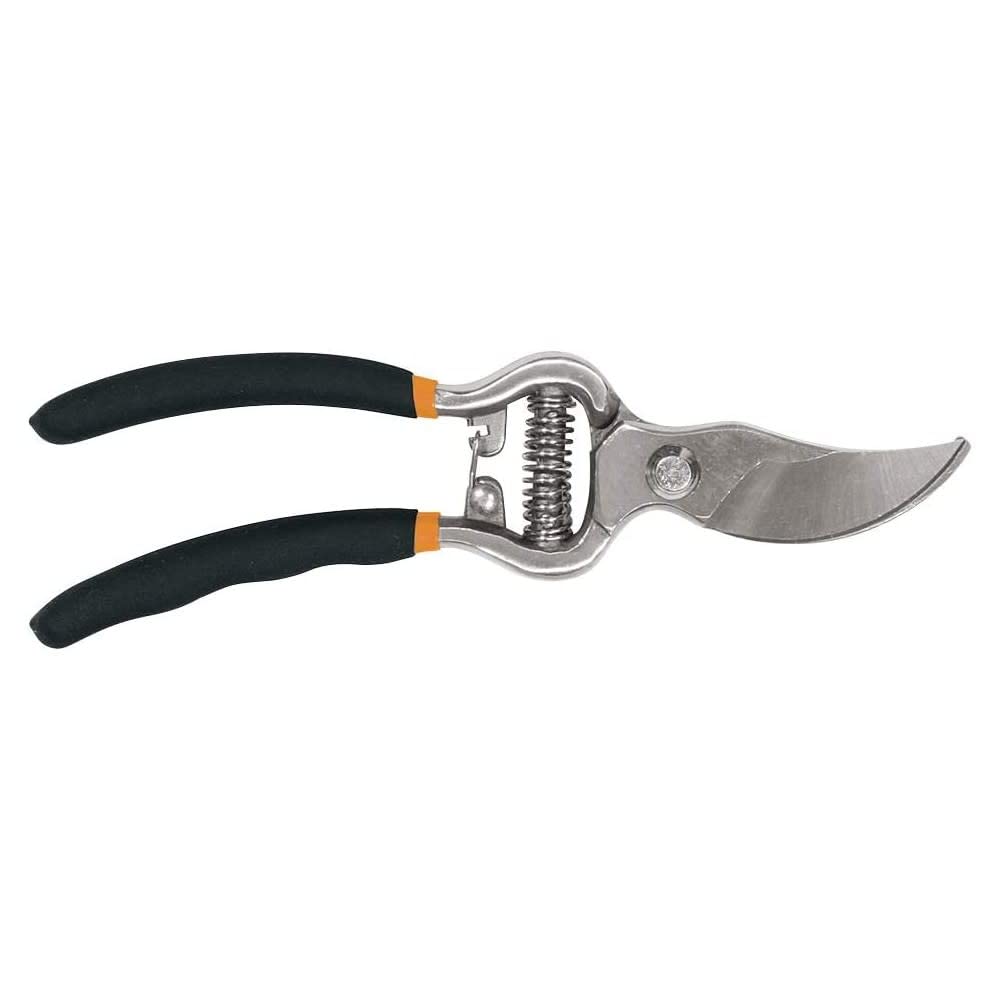
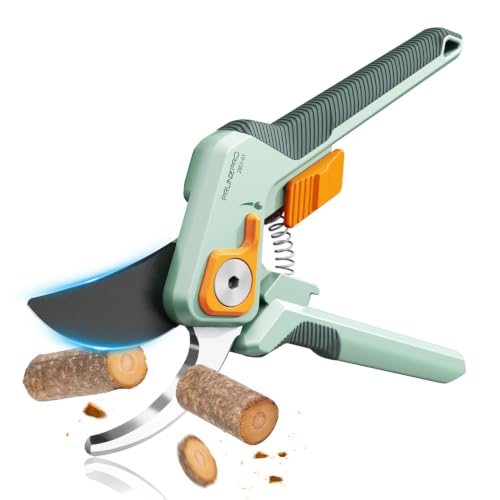
A bypass pruner has a sharp blade that slides past a thinner counter blade, called an anvil blade in some guides, though in a true bypass design the second blade is a hook shaped support. The stem sits between the blades, and the curved blade slices through living wood while the support holds the stem steady. This action suits green stems, roses, and small branches that are still alive. It is not the best choice for dead, dry wood, where an anvil style pruner may crush less.
Most bypass pruners open and close with a spring, and many have a latch that locks them closed for storage. Handles may be straight or angled, and grips may be cushioned, coated, or bare metal with a shaped cover. Blade material is often steel with a coating to limit rust.
Some blades can be replaced, while others are fixed and must be sharpened in place. Learning these parts first makes the spec list much easier to read.
Key Specs Explained in Plain English
Match the Pruner to Your Garden Size and Layout
Small patios and container gardens need only a compact pair for roses, herbs, and small shrubs. Medium yards with mixed beds call for a standard pair that can handle stems up to about three quarters of an inch. Large yards with many shrubs may call for a sturdier pair plus loppers for thicker branches.
If you have roses with thorns, a pair with good hand clearance and a secure grip matters more than extra length. For a look at longer reach tools for thicker stems, see our guide to best loppers pruners in the section on branch size.
Cut Capacity and Blade Action
Cut capacity tells you the largest stem diameter the pruner is made to cut cleanly, often about one half inch to one inch. Cutting beyond that limit can strain the spring, dull the blade, and crush the stem. Blade action should feel smooth from open to closed, with no grinding or sticking.
A blade that stays sharp longer saves effort, since a dull blade forces you to squeeze harder and can tear rather than slice. Check whether the blade can be sharpened or replaced, since that choice affects long term cost.
Value and Price per Season of Use
Think about price in terms of seasons of use, not just the sticker price. Low priced pruners often cost about $15 to $30 and suit light, occasional use. Mid range pruners often cost about $30 to $60 and usually offer better steel, smoother springs, and replaceable parts.
Higher priced pruners often cost about $60 to $120 or more and may offer forged blades, finer fit, and longer part support. A mid range pair often gives a beginner the best balance of smooth cutting and fair upkeep cost.
Material and Build Quality
Blade steel shapes sharpness, edge holding, and rust resistance. Carbon steel can take a very sharp edge but needs drying and oiling to limit rust. Stainless steel resists rust better but may need sharpening more often, depending on the grade.
Forged blades are shaped under pressure and often feel sturdier, while stamped blades are cut from sheet steel and often cost less. Handles may be steel, aluminum, or composite, and each affects weight and balance. Check that pivots are tight, screws are secure, and the latch works with one hand.
Ease of Use and Storage
Hand fit is one of the most important specs for a beginner. The pruner should open wide enough for your hand without forcing your fingers apart, and it should close without a hard squeeze at the end of the stroke. Grips should feel secure when wet, since garden work often means damp hands.
Weight matters over a long session: a pair around 8 to 10 ounces suits most hands, while heavier pairs can tire smaller hands quickly. A latch, a holster, or a sheath helps with safe storage, and a hanging hole keeps the pair off damp ground.
Durability and Weather Resistance
Pruners face sap, soil, rain, and sun, so coatings and seals matter. A blade coating can slow rust, but it does not replace cleaning and drying after use. Springs wear over time, so check whether spares are sold and easy to fit.
Grips should resist cracking in sun and cold. After wet work, wipe blades dry and oil the pivot lightly as maker guidance directs. For a broader view of hand pruner styles, see our guide to best garden hand pruners alongside this beginner guide.
Rookie Mistakes to Avoid
- Cutting stems larger than the stated capacity, which can crush stems and strain the spring.
- Using bypass pruners on dead, dry wood, where a different cutting action may work better.
- Leaving sap and moisture on the blades, which can lead to rust and sticky action.
- Choosing a pair by price alone, without checking hand fit and blade replacement options.
- Forcing a dull blade through a stem instead of sharpening or cleaning it first.
- Storing pruners open or loose in a damp shed, which can dull edges and damage springs.
Getting Started: Setup and First Use
Before first use, read maker guidance, check that the latch opens and closes well, and wipe the blades clean. Try the action on a small green stem and watch the cut: it should be smooth and clean, with no tearing at the edge. Practice on a few stems you plan to remove anyway, and keep cuts just above an outward facing bud or branch junction when you prune for shape.
After use, clean sap from the blades, dry them well, and latch the pruner closed. Store the pair in a dry spot away from soil and standing water. For help deciding when a longer tool is better, see our guide to best garden pruners and loppers in the section on tool choice.
Safety and Care Habits
Follow maker blade safety guidance at all times. Cut away from your body, keep your free hand clear of the blade path, and never reach across a stem you are cutting. Wear gloves that suit the plant: thorn proof gloves for roses, lighter gloves for soft stems.
Keep pruners out of reach of children, and latch them closed when you set them down. Clean blades between plants when disease is a concern, using a method the maker approves, and dry them before storage. Inspect the blade, spring, and latch before each session, and replace worn parts promptly rather than forcing a damaged tool.
Frequently Asked Questions
What is the difference between bypass pruners and anvil pruners?
Bypass pruners cut with two blades that pass each other, which makes a clean slice on living stems. Anvil pruners press a single blade down onto a flat plate, which can crush living tissue but works well on dead wood. For roses, shrubs, and green growth, a bypass pair is usually the better choice.
For dry, dead branches, an anvil pair or loppers may give a cleaner result. Many gardeners keep one of each for different jobs.
What cut capacity should a beginner choose for bypass pruners?
A beginner should choose a cut capacity that covers most garden stems without forcing the tool. A capacity of about three quarters of an inch suits many roses, shrubs, and small fruit branches. Larger stems call for loppers, not a stronger squeeze on a hand pruner.
Cutting within the stated limit keeps cuts clean and protects the spring and blade. If you often face stems near one inch, choose a sturdier pair or add loppers to your kit.
Can bypass pruners be sharpened at home?
Yes, many bypass pruners can be sharpened at home with a whetstone or a sharpening tool made for pruners. Follow maker guidance for angle and direction, and sharpen only the beveled side of the blade in most designs. Clean sap from the blade first, work in steady strokes, and test on a small stem.
If the blade is chipped, bent, or very worn, replacement may be safer and cheaper than repeated sharpening. Always keep fingers clear of the edge during sharpening.
Are left handed bypass pruners worth it?
Left handed bypass pruners are worth it for left handed gardeners who use pruners often. A left handed design places the blade so the user can see the cut line clearly, which helps with precise cuts. Right handed pruners can still cut for a left handed user, but the view of the stem may be blocked.
For occasional light use, a standard pair may be fine. For regular rose or shrub work, a pair made for your dominant hand reduces strain and improves cut accuracy.
When should I replace a bypass pruner blade or spring?
Replace a blade when sharpening no longer restores a clean cut, when the edge is chipped, or when the blade wobbles at the pivot. Replace a spring when the pruner opens slowly, sticks, or fails to open fully. Many makers sell blades and springs as spares, so check part availability before you buy.
A pair with replaceable parts often costs less over time than a sealed pair that must be replaced whole. Retire a pruner with a cracked handle or a bent frame, since those faults can fail under load.
Final Thoughts
Start with hand fit, cut capacity, and blade quality, then weigh price against replaceable parts and care needs. A smooth, well fitting pair will make pruning feel easier and leave cleaner cuts on your plants. Use the product table above to compare styles, follow maker safety guidance, and clean and dry your pruners after each session. With those habits, best bypass pruners can serve a beginner well for many seasons.