Best 18 Bottle Wine Cooler: A Complete Buying Guide
Disclosure: We may earn a commission when you buy through links on this page, at no extra cost to you. As an Amazon Associate we earn from qualifying purchases. Learn more
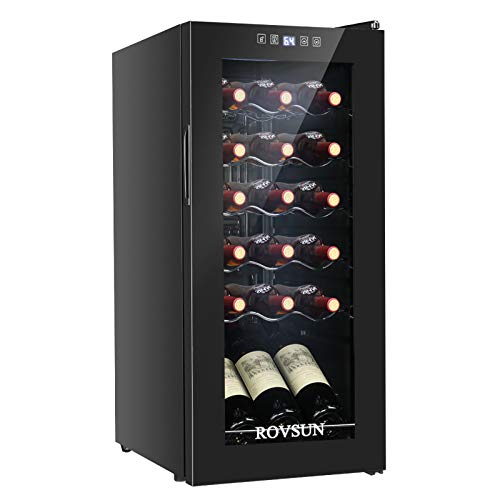
Somewhere between a countertop unit that holds a dozen bottles and a cellar-style cabinet built for two dozen or more, there's a size that fits how a lot of households actually drink. A best 18 bottle wine cooler is that middle ground. It holds enough for regular weekly drinking, a few bottles set aside for guests, and a little room to grow, without eating up the floor space or budget of a larger unit. This guide walks through what actually matters when shopping at this capacity, how to decide if 18 bottles is the right number for your household, and the placement details that keep a cooler running reliably for years.
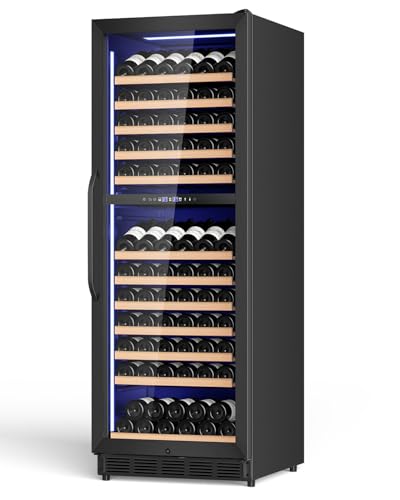

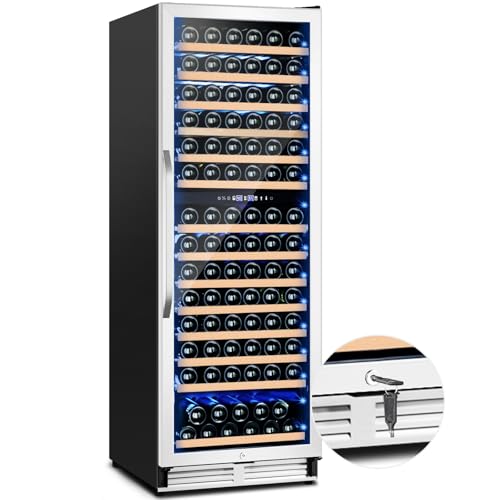


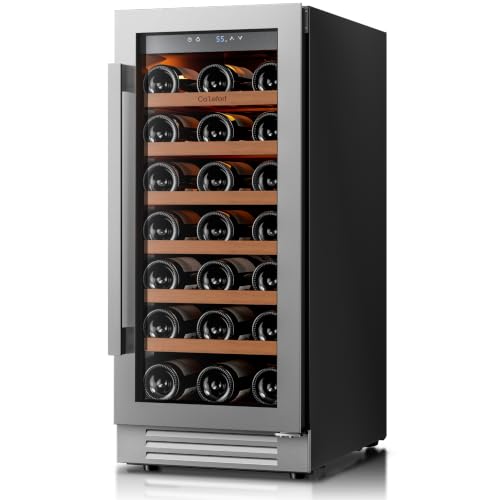
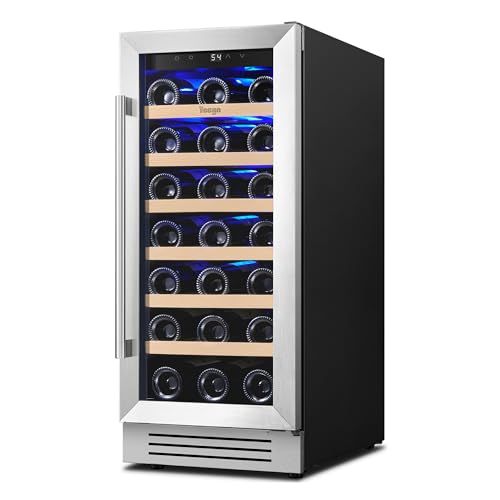

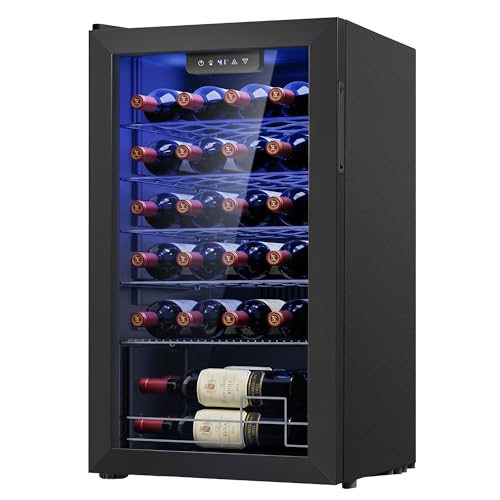
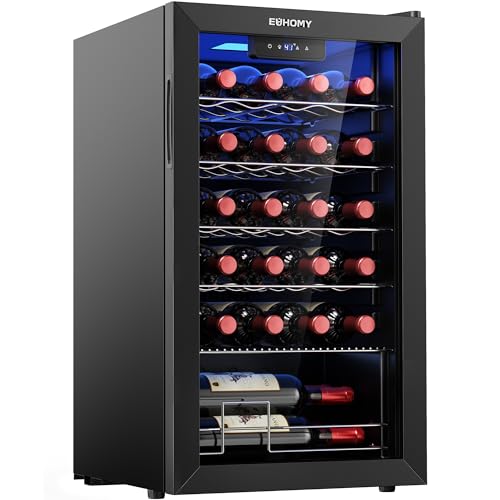
What to Look for in an 18 Bottle Wine Cooler
Capacity and Real Bottle Fit
An 18-bottle rating is almost always calculated using standard 750ml Bordeaux-shaped bottles, so the real number you can fit shrinks once wider Burgundy bottles, Champagne, or magnums enter the mix. Shelving matters more at this size than buyers expect. Fixed racks waste space quickly with a mixed collection, while units with a few flexible or removable shelves adapt better if your bottle shapes vary from week to week.
Single Zone vs Dual Zone at This Size
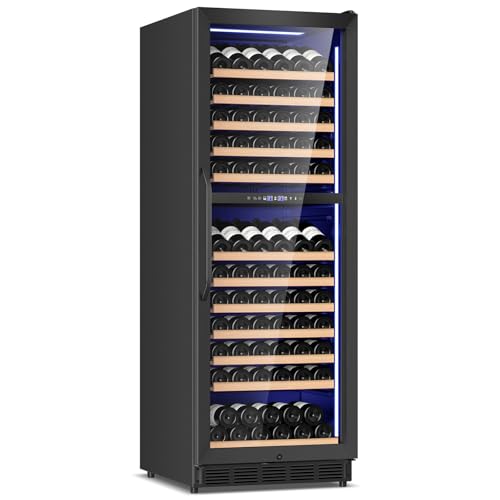
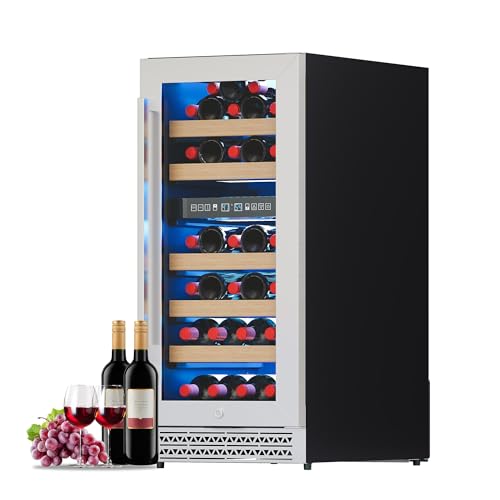
Eighteen bottles is roughly the point where dual zone models start showing up alongside single zone options, and the choice matters more here than it does at smaller capacities. A single zone cooler holds one temperature throughout, which works fine if your collection is fairly uniform or you drink through it quickly. A dual zone model splits the cabinet into two compartments, usually with a smaller upper zone for whites or sparkling wine and a larger lower zone for reds, so you can serve both at their proper temperature without moving bottles around beforehand.
Cooling Type: Thermoelectric vs Compressor
Thermoelectric cooling is common at this size because it runs quiet and produces no vibration, which matters if the cooler sits somewhere you spend time, like a kitchen or living room. Its downside is a limited cooling range, typically around 20 degrees below room temperature, so it can struggle to hit target temperatures in a warm space. Compressor cooling holds a set temperature more reliably regardless of room conditions and handles dual zone setups better, but it runs with a light hum and mild vibration that some buyers notice in a quiet room.
Temperature Range and Control
Look for a range that spans roughly the mid-40s to mid-60s Fahrenheit so the cooler can handle both chilled whites and cellar-style reds. Digital controls with a visible readout are worth prioritizing over an unmarked dial, especially on a dual zone unit where you're managing two settings instead of one.
UV Protection and Door Type
A tinted or UV-treated glass door protects the wine from light damage while still showing off the collection, which is part of the appeal at this size. Solid doors block light completely and can help with energy efficiency, but they hide the display effect that draws many buyers toward a glass-door model in the first place.
Interior Lighting and Shelving
Soft LED lighting makes it easy to read labels without opening the door repeatedly, and that matters more as capacity increases since you're searching through more bottles. Slide-out shelves make loading and rotating stock noticeably easier than fixed racks, particularly on a dual zone model where you're reaching into two separate compartments.
Freestanding vs Built-In 18 Bottle Models
Freestanding Countertop and Floor Models
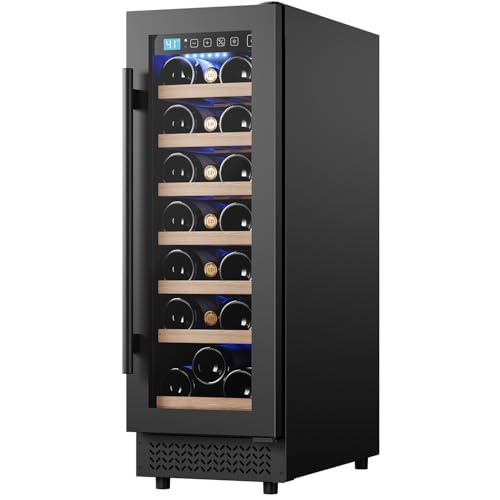
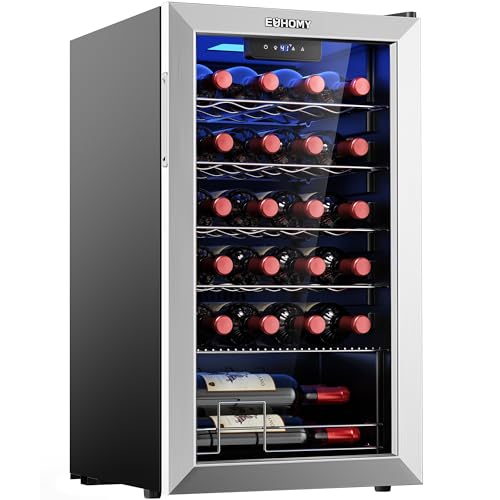
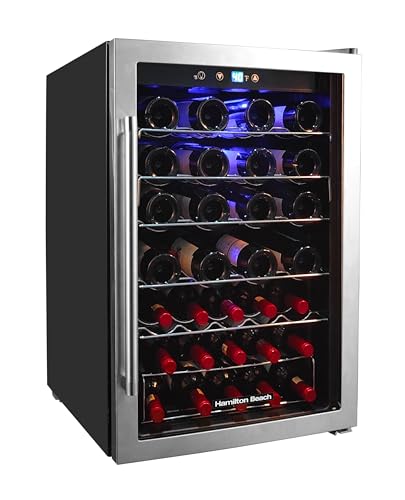
Most coolers at this capacity are freestanding, vented from the back and sides, and designed to sit on a counter, a bar cart, or the floor next to other appliances. They're the simplest option for renters or anyone who wants to avoid a permanent installation, since setup is just plugging it in and leaving a few inches of clearance around the cabinet.
Built-In Under-Counter Models
A built-in 18-bottle cooler vents through the front instead of the back, which lets it sit flush under a counter or inside custom cabinetry. These cost more and require planning around a cutout, but they suit a finished home bar where you don't want a standalone appliance in view. Never install a freestanding model in an enclosed cabinet meant for a front-venting unit. Blocking the side vents traps heat and puts extra strain on the compressor or thermoelectric module, often shortening its lifespan within a year or two.
Is 18 Bottles the Right Capacity for You
Eighteen bottles suits a household that drinks wine regularly, maybe a couple of times a week, and wants some variety on hand without committing to a serious collection. If you find yourself restocking a 12 bottle wine cooler every few weeks or running out right before guests arrive, stepping up to 18 gives noticeably more breathing room without doubling your footprint.
On the other hand, if you're already filling a cooler this size consistently, host often, or you're starting to set bottles aside to age, it's worth comparing this size against a 20 bottle wine cooler before you commit, since the price and footprint difference between the two is often smaller than buyers expect.
Anyone leaning toward the dual zone route at this capacity should also look closely at how a dual zone wine fridge splits its compartments, since not every model divides the space evenly between reds and whites.
Where to Place and How to Maintain It
Ventilation Requirements
Freestanding units need a couple of inches of clearance on the sides and back no matter how compact they look on paper. A cooler this size is easy to underestimate because it's smaller than a full refrigerator, but the compressor or thermoelectric module still needs airflow to work efficiently. Built-in models vent from the front, so keeping that grille clear matters just as much as side clearance does on a freestanding unit.
Noise and Vibration
Placement affects noise more than most buyers expect. A compressor model sitting directly on a wood floor or against a hollow wall can transmit vibration and make normal operating sounds noticeably louder. A stable, level surface cuts down on this considerably, and it's worth checking level before loading the cooler with bottles rather than after.
Common Mistakes to Avoid
Don't buy based on the rated bottle count alone. Measure your tallest and widest bottles against the shelf spacing if Champagne or dessert wine makes up part of your rotation. Skipping ventilation clearance is one of the most common reasons a compressor or thermoelectric module wears out early, and it's an easy detail to overlook once the cooler is tucked into its final spot. It also helps to keep a reliable wine opener stored near the cooler so opening a bottle doesn't turn into a search through kitchen drawers.
Frequently Asked Questions
How many bottles does an 18 bottle wine cooler actually hold?
Most units hold close to their rated 18 bottles when using standard 750ml Bordeaux bottles. Wider Burgundy or Champagne bottles reduce that number depending on shelf spacing and design.
Is an 18 bottle wine cooler big enough for a household that drinks regularly?
For most households drinking wine a few times a week, 18 bottles offers enough variety to avoid frequent restocking while staying manageable in size and cost compared to larger units.
Should I choose single zone or dual zone at 18 bottles?
Single zone works well if your collection is fairly uniform or you drink through it quickly. Dual zone is worth the extra cost if you regularly want a chilled white and a room-temperature red ready at the same time.
Is thermoelectric or compressor cooling better for an 18 bottle cooler?
Thermoelectric is quieter and vibration-free but can struggle in warm rooms. Compressor cooling holds temperature more reliably in heat and handles dual zone setups better, at the cost of a light hum.
Can an 18 bottle wine cooler be built into cabinetry?
Yes, as long as you choose a model specifically designed as built-in or under-counter, which vents from the front. A freestanding model should never be enclosed, since it needs side and rear airflow.
How much space does an 18 bottle wine cooler need?
Most freestanding models run somewhere around 14 to 17 inches wide and 20 to 23 inches deep, plus a few inches of clearance on the sides and back. Measure your spot, including that clearance, before ordering.
What temperature should an 18 bottle wine cooler be set to?
A general storage setting in the mid-50s Fahrenheit suits a mixed collection. For serving temperature rather than long-term storage, whites do better around 45 to 50 degrees and reds around 60 to 65 degrees.
Final Thoughts
The best 18 bottle wine cooler for your home is the one that matches how often you actually drink and entertain, not just the number printed on the box. It sits in a genuinely useful middle ground, roomier than a compact 12-bottle unit but far less commitment than a 20-bottle or larger cabinet. Get the zone type, cooling method, and ventilation right, and a cooler at this size will handle years of regular use without becoming more appliance than your household needs.