Best 20 Bottle Wine Cooler: A Complete Buying Guide
Disclosure: We may earn a commission when you buy through links on this page, at no extra cost to you. As an Amazon Associate we earn from qualifying purchases. Learn more
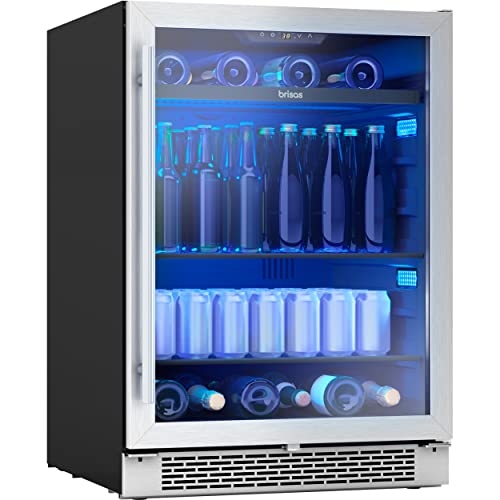
Somewhere between a starter cooler that holds a case and a full undercounter unit built into cabinetry, there is a size that fits how most wine-loving households actually live. Twenty bottles is enough room for a rotating mix of reds, whites, and something sparkling for celebrations, without asking for a dedicated room or a contractor. If your collection has outgrown a countertop unit but you are not ready to remodel a kitchen around a wine fridge, the best 20 bottle wine cooler sits in a comfortable middle ground. This guide walks through what actually separates a good 20-bottle unit from a disappointing one, from zone options to how it fits a real kitchen.
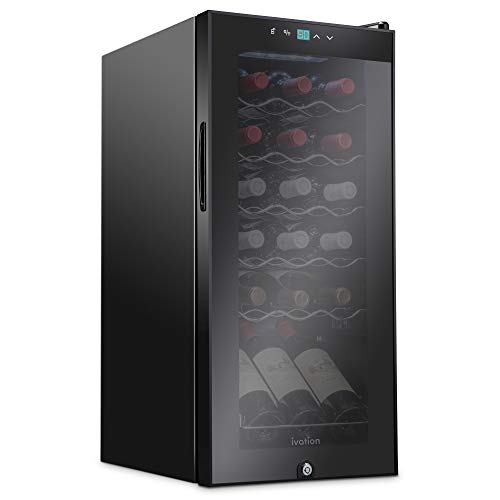
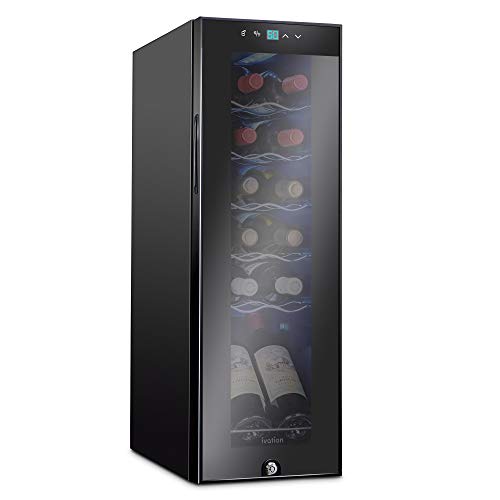

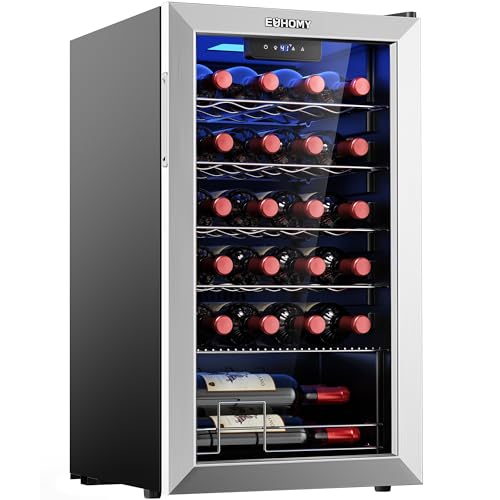
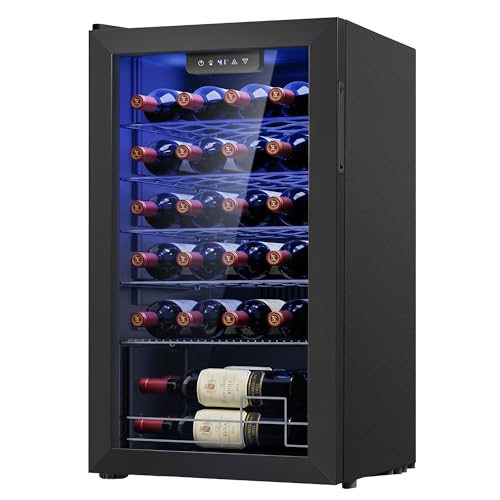
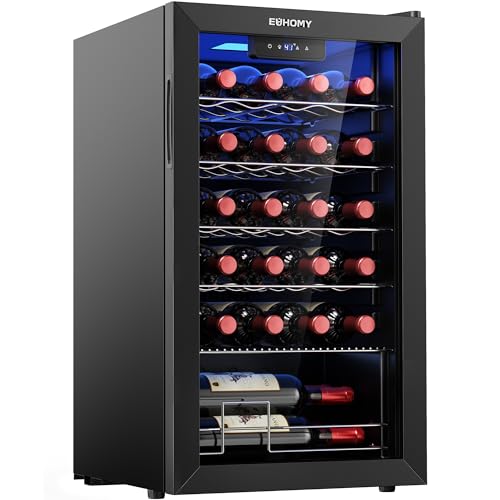
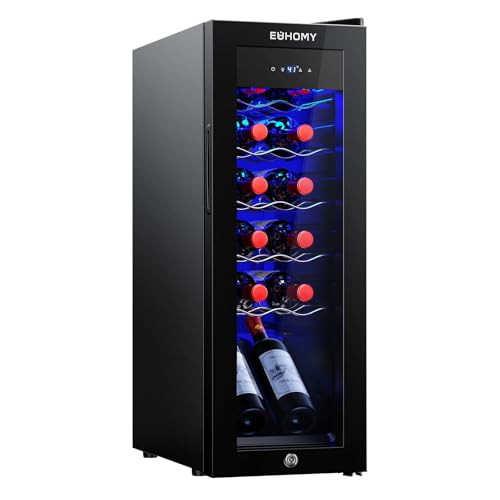

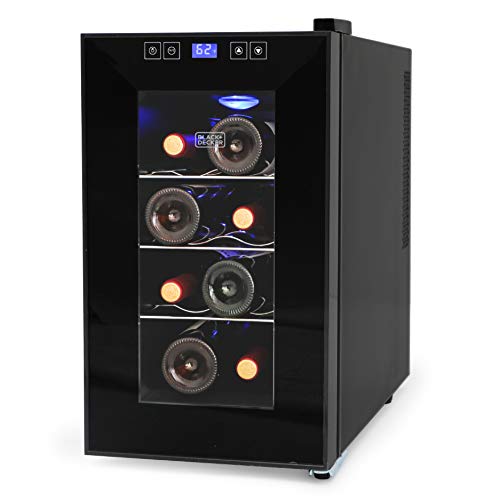
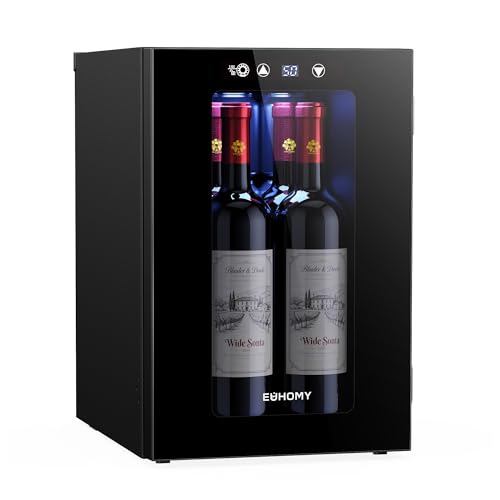
Who a 20-Bottle Wine Cooler Is Actually Built For
Growing Collections and Frequent Entertaining
Twenty bottles works out to a bit under two cases, enough to keep a rotating selection ready while also holding a few bottles you are saving for later. It suits households that host regularly, buy wine by the case when a good deal comes up, or simply drink through more variety than a smaller unit can comfortably hold. If you found yourself restocking a countertop cooler every couple of weeks, this size gives you real breathing room without jumping straight to a full-size undercounter unit.
Two Different Drinkers Under One Roof
A lot of households land on this size because two people in the house prefer different wines, one leaning toward reds and the other toward whites or sparkling. Twenty bottles is usually the first capacity where that split stops feeling cramped, since you can dedicate meaningful shelf space to each style instead of squeezing a few bottles of each into a single small rack.
Single Zone or Dual Zone: The Real Decision at 20 Bottles
This is the first capacity where dual-zone models become a genuine option rather than a rare exception. A single-zone 20-bottle cooler holds one temperature throughout the cabinet, which works well if you drink mostly one style or do not mind serving everything at a similar temperature. It also tends to use shelf space more efficiently, since there is no divider eating into capacity.
Dual-zone units split the cabinet into two compartments, typically a smaller upper section for whites or sparkling and a larger lower section for reds. That split is genuinely useful if your household keeps both on hand, but it comes at a cost. The two zones combined rarely add up to a full 20 bottles of usable space, since dividers and separate cooling components take up room. Check the actual bottle count listed for each zone before assuming a dual-zone model gives you the same capacity as a single-zone one rated at the same number.
Built-In or Freestanding: Fitting a Standard Counter Cutout
Most 20-bottle coolers are freestanding, venting from the back or sides, and can sit under a counter only if that spot has enough open air space around it. A smaller share are built specifically for a flush, built-in fit, venting through the front so they can slide into a cabinet cutout without trapping heat.
Standard cabinet cutouts for wine coolers tend to start around 24 inches wide, and a 20-bottle built-in unit usually falls near that width or just under it, making it one of the more common sizes to actually fit existing kitchen cutouts without custom cabinetry. If you are placing a freestanding model under a counter anyway, treat that decision carefully. Never install a freestanding, side-venting cooler into an enclosed cutout built for a front-venting unit, since blocked airflow shortens the life of the cooling system regardless of how well the unit performed in reviews.
Organizing a Mixed Collection of Reds, Whites, and Sparkling
Most 20-bottle coolers come with five or six shelves, enough to give reds, whites, and a couple of sparkling bottles their own general area instead of stacking everything together. Wider Burgundy and Champagne bottles take up more shelf width than a standard Bordeaux shape, so a cooler rated for 20 standard bottles often holds closer to 16 or 17 once a few wider bottles are mixed in.
Store bottles on their side so the cork stays in contact with the wine and does not dry out, which matters most for bottles you plan to keep for more than a few months. Sparkling wine handles upright storage better than still wine over short periods, so if shelf space is tight, standing a couple of Champagne or sparkling bottles upright to fit more reds and whites on their side is a reasonable trade-off.
Placing a Mid-Size Cooler in a Family Kitchen
At this size, most units are too tall and heavy for a bar cart and better suited to a spot on the floor, tucked into a kitchen island, pantry, or dedicated corner near where you entertain. Give it a few inches of clearance on any side that vents, and keep it away from a stove, dishwasher, or any appliance that puts off heat, since a warm surrounding air temperature makes any cooling system work harder than it needs to. Picking a spot for the best 20 bottle wine cooler is as much about airflow and floor space as it is about looks.
A loaded cooler is heavier than it looks once you add the bottles themselves, often close to 60 or 70 pounds combined, so choose a spot with solid, level flooring rather than a wobbly cart or open shelf. If small children are in the house, a floor-level cooler with a lockable door is worth checking for, since younger kids are drawn to buttons and handles at their eye level.
Comparing 20 Bottles to the Sizes on Either Side
If a 20-bottle cooler still feels like more than you need, an 18 bottle wine cooler or a 12 bottle wine cooler covers a smaller collection without much loss in shelf organization. On the other end, if you are already picturing a collection that outpaces what two people can drink through in a reasonable window, comparing this size against a 24 bottle wine cooler before you buy can save you from feeling boxed in within a year.
Frequently Asked Questions
How many bottles does a 20 bottle wine cooler actually hold?
Most units hold close to their rated 20 bottles with standard Bordeaux-shaped bottles. Mixing in wider Burgundy or Champagne bottles typically brings actual capacity closer to 16 or 17.
Is a 20 bottle wine cooler good for a family?
Yes, this size works well for households that host regularly or have two people with different wine preferences, since it offers enough shelf space to separate styles without feeling cramped.
Should I choose single zone or dual zone at this size?
Single zone suits a fairly uniform collection and maximizes usable shelf space. Dual zone is worth the tradeoff in capacity if your household regularly wants a chilled white and a room-temperature red on hand at once.
Can a 20 bottle wine cooler fit under a standard counter?
Built-in models designed for front venting can, since they are sized close to the common 24-inch cabinet cutout. Freestanding models should only go under a counter if there is real clearance for side or rear venting.
What temperature should a 20 bottle wine cooler be set to?
A general storage setting in the mid-50s Fahrenheit works for a mixed collection. For serving temperature, whites do better closer to 45 to 50 degrees and reds closer to 60 to 65 degrees.
How much floor or counter space does a 20 bottle wine cooler need?
Most freestanding models run close to 20 inches wide and need a few extra inches of clearance on any venting side, so measure your spot, including that clearance, before ordering.
Can I store beer or soda in a wine cooler instead?
Occasionally, but the shelving and temperature range are built around wine bottle shapes and serving temperatures, so a dedicated beverage cooler is a better fit if cans and mixed drinks make up most of what you store.
Settling on the Right Middle Ground
The best 20 bottle wine cooler for your home is the one that matches how your household actually drinks and entertains, not just the biggest number that fits your budget. If you host often, split preferences between two people, or want room to let a collection grow without feeling boxed in immediately, this size covers that need without asking for a full kitchen remodel.