Best 15x Binoculars for 2026: Types Compared and How to Choose
Disclosure: We may earn a commission when you buy through links on this page, at no extra cost to you. As an Amazon Associate I earn from qualifying purchases. Learn more

Compare the best 15x binoculars by type, from porro and roof prism pairs to image stabilized models, with tripod, exit pupil, and weight advice.
Fifteen power is where binoculars stop feeling like general purpose glass and start behaving like a specialty tool. The best 15x binoculars pull distant detail close, but they also magnify every tremor in your hands and narrow the view you search with. That tradeoff is why the type you choose matters more than any single specification.
This guide compares the main types side by side, explains the numbers that separate them, and shows where each type earns its price. The comparison table below lays out the four types with their typical costs, and the sections after it walk through stability, brightness, and weight in plain terms.




Types of 15x Binoculars Compared
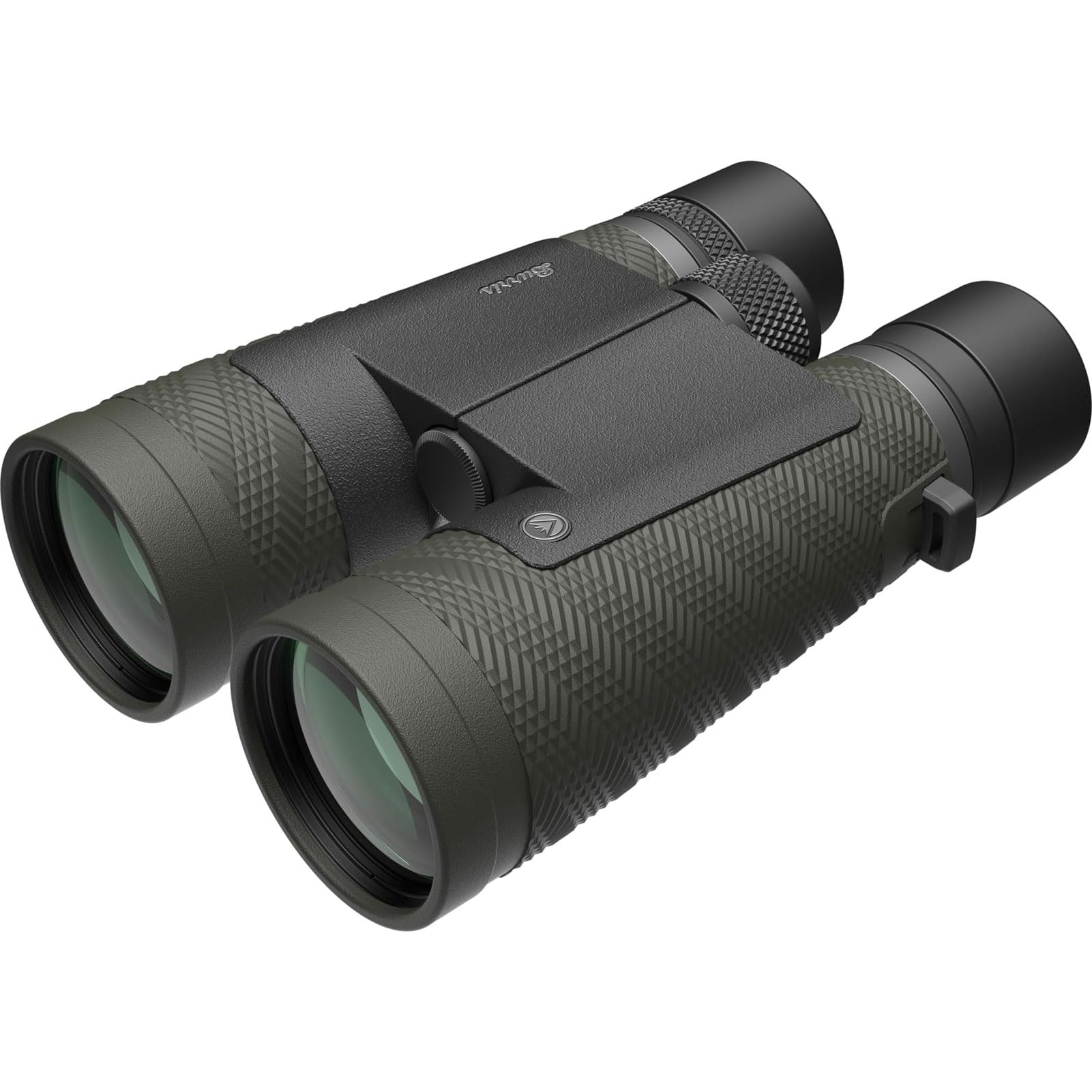
At fifteen power, binoculars fall into four broad types, and the split is mostly about objective lens size and prism design. Bigger lenses gather more light and add weight, while smaller lenses keep the pair portable and leave the image dimmer at dusk. The table summarizes the classes, and the sections after it explain each one.
| Type | Best For | Pros | Cons | Typical Price |
|---|---|---|---|---|
| Porro prism 15x70 | Astronomy and fixed viewing | Bright image, large lenses, low cost per millimeter | Bulky, heavy, awkward to pack | about $100 to $250 |
| Roof prism 15x56 | Hunting and long range scanning | Compact sealed body, good low light reach | Costs more than porro pairs | about $250 to $600 |
| Image stabilized 15x | Boats and handheld viewing | Cancels shake without a tripod | Expensive, needs batteries | about $900 to $1,500 |
| Compact 15x | Travel and daytime events | Light, small, easy to carry | Dim image, narrow field | about $80 to $200 |
Porro Prism 15x70 Pairs
Porro prism pairs use an offset lens layout that gives a wide, bright image for the money, and the 15x70 format is the classic astronomy starting point. The large 70 mm lenses gather enough light for the Moon, star clusters, and comet watching from a dark yard. Most owners mount them, because the weight and bulk make long handheld sessions tiring. If your viewing happens from one spot, this type delivers the most brightness per dollar.
Roof Prism 15x56 Pairs
Roof prism pairs fold the light path into a straight, sealed tube, so a 15x56 feels far smaller in the hands than its porro rival. The 56 mm lenses still gather useful light at dawn and dusk, which is when game moves. Hunters who glass open country for long stretches often start with our guide to the best 15x binoculars for hunting and then narrow down by weight. Expect to pay more than for a porro pair of similar brightness.
One caution on reputation: roundups labeled the best rated binoculars for hunting reflect shopper star reports written after purchase, not bench measurements. Treat those scores as satisfaction notes and let exit pupil, weight, and sealing guide the actual choice.
Image Stabilized 15x Pairs
Image stabilized pairs use tiny internal motors or a shifting prism to cancel hand shake, so the view stays steady without any support. That makes them the one 15x type that truly works handheld for long sessions, and boaters value them because a moving deck defeats any tripod. The tradeoffs are price, battery dependence, and extra weight from the mechanism. For viewers with unsteady hands, the premium can be worth more than extra lens size.
Compact 15x Pairs
Compact 15x pairs shrink the objective lenses to keep the body small enough for a jacket pocket or a travel bag. The cost of that size is brightness, because small lenses feed a small exit pupil and the image dulls quickly once the light fades. In bright daylight at a stadium, a racetrack, or a viewpoint, they are easy to carry and perfectly usable. Buy one only if portability outranks low light performance in your routine.
Handheld or Tripod Mounted: Which Should You Choose?
Support governs what a 15x pair can actually show you, because every tremor in your hands is magnified fifteen times along with the view. A short handheld look at a distant sign or a perched hawk is fine, and bracing your elbows on a fence or a car roof steadies things further. For sessions measured in minutes rather than seconds, a tripod with a simple adapter turns a shaking smear into readable detail. Astronomy, nest watching, and scanning far ridgelines all belong on a mount.
Moving subjects are the exception that proves the rule. For following birds in flight, most people do better with the wider field covered in our guide to the best binoculars for birdwatching, since a narrow 15x view is hard to keep on a target that will not sit still. Choose handheld only for brief, bright looks, and plan on a tripod for everything else.
How to Choose the Best 15x Binoculars
Exit Pupil and Brightness
The exit pupil is the objective size divided by the magnification, and it tells you how bright the image can be in dim light. A 15x56 pair gives an exit pupil of about 3.7 mm, while a 15x70 pair gives about 4.7 mm, which is why the bigger glass looks clearer at dusk. In full daylight your own pupil narrows, so the smaller figure stops mattering. Judge brightness by this arithmetic rather than by marketing words.
Star scores deserve the same skepticism. Pages that list the best rated binoculars are showing shopper reports about satisfaction after purchase, and those reports say nothing about measured light transmission. Use them to spot common complaints, never as a substitute for the exit pupil figure.
Size, Weight, and Ergonomics
Weight decides how a 15x pair gets used, because this class runs from about 35 ounces for a compact roof prism pair to about 60 ounces for a giant porro model. A heavy pair that lives on a tripod at home is no burden, while the same pair on a long climb becomes a reason to leave it behind. A chest harness spreads the load far better than a neck strap at this weight. Match the carry method to the longest distance you realistically walk.
Durability and Weather Sealing
Most 15x pairs worth buying are waterproof and fogproof, with nitrogen purged barrels that keep internal moisture from clouding the lenses on cold mornings. Rubber armor over the body absorbs knocks and gives cold hands something to grip. Sealing matters more at this power than at lower powers, because a fogged or misaligned pair ruins the narrow view completely. Check that the focus wheel turns smoothly with gloves on if you plan winter use.
Eye Relief and Field of View
Field of view at fifteen power is narrow by nature, typically about 180 to 230 feet at 1,000 yards, so you find targets by pointing carefully rather than by scanning. Eye relief of about 15 mm or more lets glasses wearers see the whole field without pressing the eyecups against their lenses. Twist up eyecups make that adjustment quick when you share the pair. Neither figure changes the magnification, but both decide whether the view feels generous or cramped.
Care and Maintenance Tips
Clean the lenses with a soft lens cloth or a blower, never with a shirt hem, because grit dragged across a coating leaves fine scratches. Keep the lens caps on between sessions and store the pair in a dry, padded case away from heat and damp. A tripod adapter left mounted in the case saves fumbling in the dark. If the view ever doubles after a drop, the pair needs professional collimation rather than more force on the focus wheel.
Frequently Asked Questions
What do the numbers 15x56 mean on a pair of binoculars?
The first number is the magnification, so distant objects appear fifteen times closer, and the second number is the objective lens diameter in millimeters. You will find both numbers printed near the focus wheel or on the body plate. The same fifteen power paired with a smaller lens gives a dimmer image at dusk, which is why a 15x56 and a 15x70 behave so differently in the last minutes of light.
Can I use 15x binoculars without a tripod?
Yes, for short looks in good light, especially if you brace your elbows on something solid. A beanbag on a car window, a fence rail, or a monopod all steady the view without the bulk of a full tripod. Expect fine detail to swim during long handheld sessions, because the shake is magnified along with the subject. If most of your viewing lasts more than a minute, budget for a mount from the start.
Are 15x binoculars good for birdwatching?
They suit stationary birds far better than moving ones, because the narrow field makes flight tracking frustrating. From a hide or a deck, though, fifteen power reads leg bands, bill shape, and plumage detail on distant waterbirds that lower powers miss. Many birders keep a wide field pair for general work, and our guide to the best binoculars birding covers that side of the hobby. Think of a 15x pair as a specialist tool rather than your only glass.
Which is better for low light, a 15x56 or a 15x70 pair?
The 15x70 pair is brighter, because its exit pupil of about 4.7 mm feeds your eye more light than the 3.7 mm pupil of the 15x56. Coatings narrow the gap, since fully multi coated glass passes more of the light it gathers, so a well coated 15x56 can look closer to a basic 15x70 than the numbers suggest. The 15x70 is also heavier and bulkier. Choose it when the pair lives on a tripod, and the 15x56 when you carry it.
How much should I spend on my first pair of 15x binoculars?
Most first time buyers land between about $150 and $400, which covers solid porro pairs and entry roof prism models. Remember to budget for the tripod adapter and a basic tripod if you do not own one, since support is part of the real cost at this power. Spending more mainly buys better coatings, sealing, and build quality rather than more magnification. A modest pair used on a mount will show you more than a costly pair used handheld.
Final Thoughts
Choosing among the best 15x binoculars comes down to three things: a type that matches where you view from, support that keeps the image steady, and an exit pupil sized for your light. Porro pairs reward the tripod user, roof prism pairs reward the walker, and stabilized pairs reward anyone who cannot use a mount. Compare the finalists in the product table above, and let your longest typical session make the final call.