Best 1500 Watt Space Heaters (2026): Types, Sizing and Buying Tips
Disclosure: We may earn a commission when you buy through links on this page, at no extra cost to you. As an Amazon Associate I earn from qualifying purchases. Learn more

How to choose the best 1500 watt space heater: heater type, room coverage, noise, safety features and running cost.
Almost every portable electric heater sold in the United States tops out at the same output, so wattage alone tells you very little about which one will warm your room well. Picking the best 1500 watt space heater comes down to the heating type, the room size, the noise level, and the safety features built into the unit. The product table on this page lists current options, and the sections below show how coverage, heat feel, and running cost differ before you buy.
This guide explains what 1500 watts actually delivers in a real room, how ceramic, oil filled, and infrared models compare, and which features are worth paying for. If you want the wider picture first, our guide to the best space heater covers every size class, while this page stays focused on the 1500 watt models most homes end up choosing.
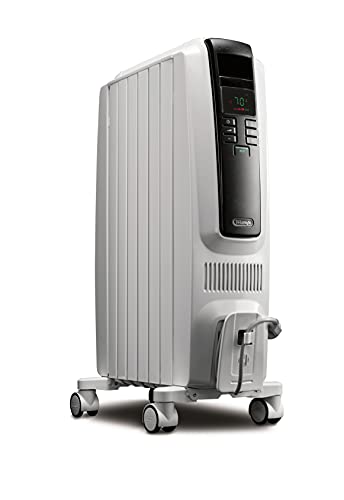
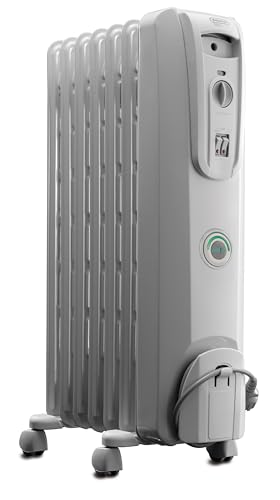


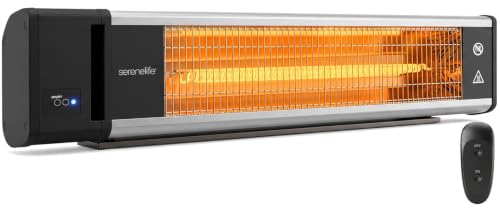


Heater Types Compared at 1500 Watts
At the same wattage, three heating types dominate the shelves, and each one warms a room in a different way. The element style decides how fast the heat arrives, how evenly it spreads, and how much noise you hear while it runs. Matching the type to your room and routine matters more than any single spec on the box.
Ceramic fan heaters
A ceramic fan heater passes air over a heated ceramic element and blows the warmth into the room, so you feel heat within a minute or two of switching it on. Tower and compact desktop shapes both use this design, and most include oscillation to spread warmth across a wider area. The trade off is fan noise and air that feels dry as it moves past you. Choose this type when you want fast, directed heat for a bedroom, office, or living room corner that you occupy for a few hours at a time.
Oil filled radiators
An oil filled radiator heats sealed oil inside metal fins, and the fins then radiate gentle warmth into the room without a fan. Warm up is slow, often 20 to 30 minutes before the room feels different, but the heat stays even and the unit keeps giving off warmth for a while after it cycles off. Because there is no fan, it runs almost silently. Choose this type for all day or overnight heating in one room where steady, quiet warmth matters more than a fast start.
Infrared and radiant heaters
An infrared heater warms objects and people directly in front of it instead of heating all the air in the room, much like sunlight on a cold day. You feel the heat almost instantly when you sit in its path, but areas outside the beam stay cool. Panel and parabolic shapes are common, and many models suit garages and workshops where the air volume is large and drafty. Our breakdown of infrared vs ceramic heater designs explains the heat delivery difference in more depth if you are torn between the two.
How We Chose the Criteria for This Guide
We compared 1500 watt models using the factors that change daily comfort rather than marketing claims. Coverage comes first, since a heater that cannot hold temperature in your room size will run constantly and still feel weak. We also weighed heat up speed, noise in decibels, thermostat accuracy, energy use at lower settings, and the safety certifications listed by the manufacturer. Every point below comes from manufacturer specifications and widely reported buyer experience, and the same criteria apply to any brand you shortlist.
How to Choose the Right Space Heater
Size and form factor
Compact desktop units suit a desk or a small bathroom floor space, while tower models stand in a corner and oscillate to cover a seating area. Oil filled radiators are the bulkiest option and need floor space where they will not block a walkway. Measure the spot you plan to use, and keep the required clearance in mind. If floor space is tight, our roundup of the best small space heater options focuses on footprints that fit dorms, cubicles, and tiny apartments.
Features worth paying for
A thermostat that holds a set temperature is the feature that pays for itself, because the heater cycles off instead of running at full power all evening. An eco mode that drops output to about 750 watts or lower cuts energy use once the room reaches temperature. Tip over and overheat protection should be standard on any model you consider, not a premium extra. A remote and a timer add real convenience for bedroom use, letting you warm the room before bed and shut the unit off while you sleep. Handles and wheels matter more than you expect if you move the heater between rooms daily.
Room size and coverage ratings
A common rule of thumb is about 10 watts of heat for each square foot of floor in a room with standard ceilings and average insulation. On that basis, 1500 watts serves as the main heat source for a room of about 150 square feet, roughly a 12 by 12 foot bedroom. The same heater works as a supplement in a larger living room, taking the chill off your seating zone while the main system does the rest. Manufacturers convert output to about 5,118 BTU, and you can compare that figure across listings.
Running cost and energy use
A heater at full power draws 1.5 kilowatts, so each hour of use consumes 1.5 kilowatt hours of electricity. At a typical residential rate, that works out to about $0.26 an hour, or about $2 for an evening of eight hours of heating. Lower settings and thermostat cycling reduce the real figure, since the element is not drawing full power the whole time. Our detailed breakdown of how much does it cost to run a space heater walks through the math for different rates and usage patterns.
Noise levels for bedrooms
Fan models usually measure about 40 to 55 decibels on their higher settings, similar to a quiet conversation, and less on low. That sound bothers some light sleepers and is easy to overlook during the day. Oil filled models make almost no sound beyond an occasional soft click as the metal expands. If the heater will run while you sleep, our guide to the best space heater for bedroom use ranks quiet operation and shutoff timers as top priorities.
Filters, tanks, and maintenance
Fan heaters pull room air across the element, so a washable filter or an intake screen that you vacuum monthly keeps airflow strong and prevents a dusty smell. Oil filled and infrared models have no filters and need only an occasional wipe down of the fins or panel. No 1500 watt electric heater uses a fuel tank, so there is nothing to refill and no exhaust to vent. Keep the cord and plug in good condition, and store the unit upright in a dry place during the warm months.
How much should you spend?
Basic fan models sell for about $30 to $50 and cover simple spot heating well, though controls are usually limited to a dial and two heat settings. Spending about $50 to $100 adds a digital thermostat, a remote, a timer, and quieter fan tuning. Above about $100 you pay for larger coverage, premium radiator builds, and smart controls such as app scheduling. Extra money does not buy more heat, since every model on this page is capped at the same 1500 watts, so spend on controls, quietness, and build quality instead.
Is a 1500 Watt Space Heater the Right Size for You?
For most single rooms, yes. This wattage is the maximum a standard household outlet and circuit are built to supply for a portable heater, which is why so many models share it. It suits bedrooms, home offices, and dens up to about 150 square feet as primary heat, and larger rooms as a supplement near where you sit. For an open plan space or a big living room, a dedicated pick from our guide to the best large room space heater models will serve you better than expecting one unit to do everything.
Common Mistakes to Avoid
- Plugging the heater into an extension cord or power strip, which can overheat and create a fire risk, instead of a wall outlet.
- Placing the unit within three feet of bedding, curtains, furniture, or paper, where radiant heat can ignite nearby materials.
- Buying by wattage alone and ignoring heating type, so a slow radiator ends up in a room that needs fast spot heat.
- Running the heater on the same circuit as other heavy loads, which trips the breaker and leaves the room cold.
- Leaving a heater running unattended overnight without tip over protection and a working thermostat.
- Expecting one heater to warm a whole open plan floor, which leads to constant full power use and disappointment.
Care and Maintenance
Unplug the heater and let it cool fully before any cleaning. Vacuum the intake and outlet grilles with a brush attachment every few weeks during the heating season, and wash removable filters with mild soap, then let them dry completely before reinstalling. Wipe radiator fins and panels with a dry or slightly damp cloth, and never use sprays near the element. Check the plug and cord each season for cracks or heat discoloration, and stop using the unit if you find damage. Store the heater upright with the cord loosely coiled, never wrapped tight around hot fins.
FAQ
What size room can a 1500 watt space heater heat on its own?
A 1500 watt heater can serve as the only heat source for a room of about 150 square feet with standard ceiling height and average insulation. In a larger room it still helps, but expect it to warm the area near where you sit rather than the whole space evenly. Drafty rooms and high ceilings shrink the effective coverage, so sealing window gaps can improve results more than a bigger heater would.
Can you plug a 1500 watt space heater into an extension cord?
No. Plug the heater directly into a wall outlet, because extension cords and power strips are not rated for the sustained 12.5 amp draw of a heater at full power and can overheat. If the cord cannot reach the outlet, move the heater closer rather than extending the cord. Also avoid sharing the circuit with other heavy appliances while the heater runs.
Do 1500 watt space heaters use more electricity than smaller models?
At full power, yes, a 1500 watt model draws more per hour than a 750 watt model. In practice, the bigger unit often reaches the thermostat setting sooner and then cycles off, while a smaller heater may run constantly in the same room. Total energy use depends on how long the element stays on, so a correctly sized heater with a good thermostat is usually the cheaper one to live with.
Are 1500 watt space heaters safe to run overnight?
They can be, provided the model has tip over and overheat protection, a thermostat, and a listing from a recognized safety certifier such as UL or ETL. Place it on a flat floor with three feet of clearance and nothing draped nearby. Many people prefer a timer that shuts the unit off after they fall asleep.
Why does my 1500 watt space heater trip the breaker?
A heater at full power uses most of a standard 15 amp circuit on its own, so adding a hair dryer, microwave, or another heater on the same circuit overloads it. Move other heavy loads to a different circuit, or run the heater on its low setting. If the breaker trips with nothing else running, have an electrician check the circuit before using the heater again.
Final Thoughts
The right choice depends on how you heat, not on wattage bragging rights. Pick ceramic fan heat for fast warmth, an oil filled radiator for quiet and steady output, or infrared for direct heat in a drafty space. Match the unit to your room size, insist on a thermostat and full safety protection, and check the product table above before you order. Chosen well, the best 1500 watt space heater turns one cold room into the most comfortable spot in the house all winter.