
Best 144hz 1ms Monitors for Every Need in 2026: How to Pick the Right One
Disclosure: We may earn a commission when you buy through links on this page, at no extra cost to you. As an Amazon Associate I earn from qualifying purchases. Learn more

The best 144hz 1ms monitors fit your desk, graphics card and ports. Compare resolution, panel type and sync, then set up 144Hz correctly.
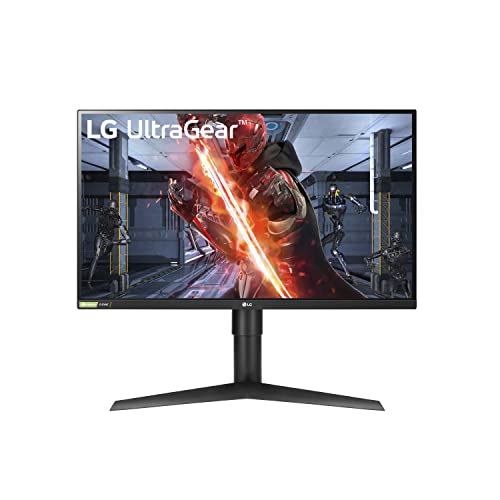
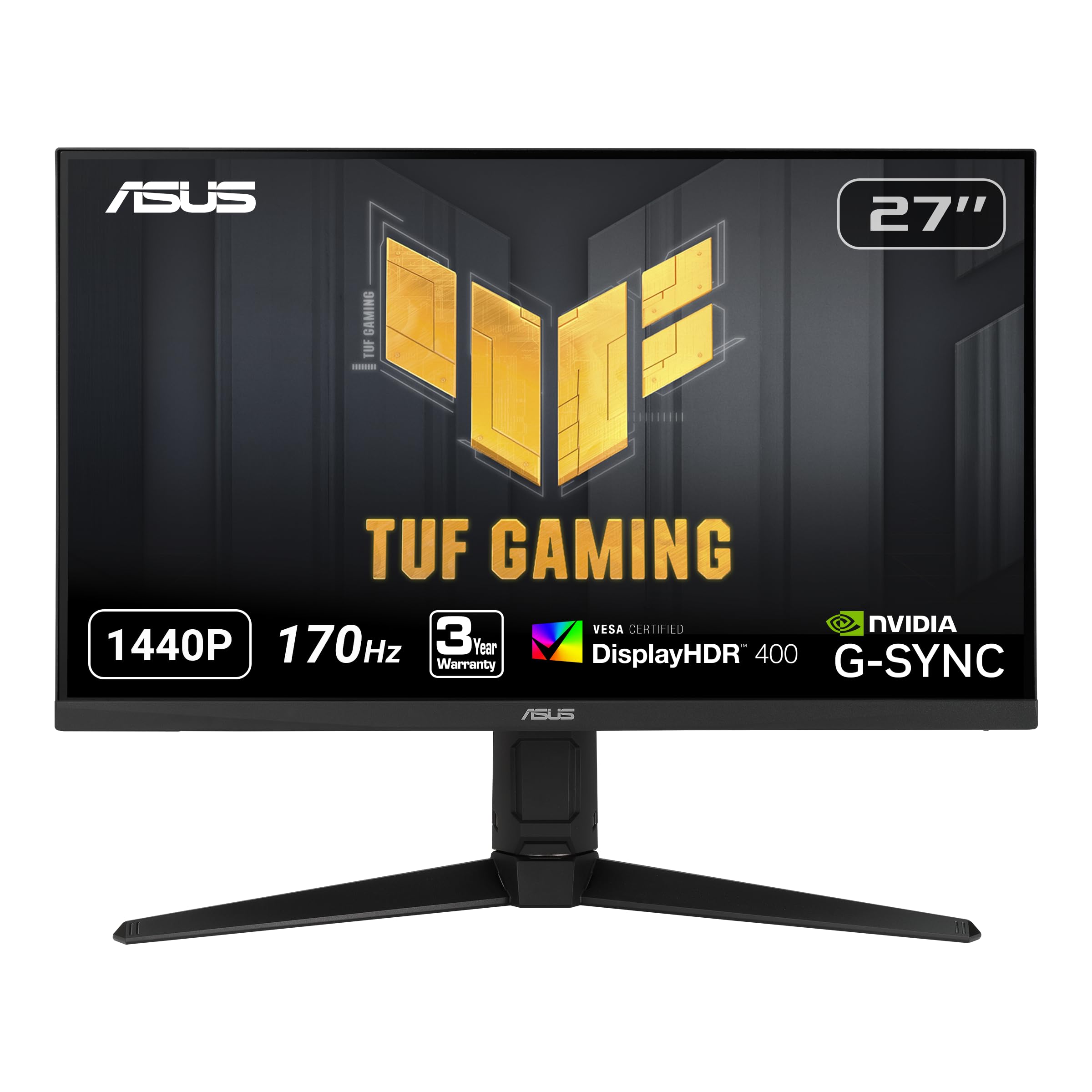
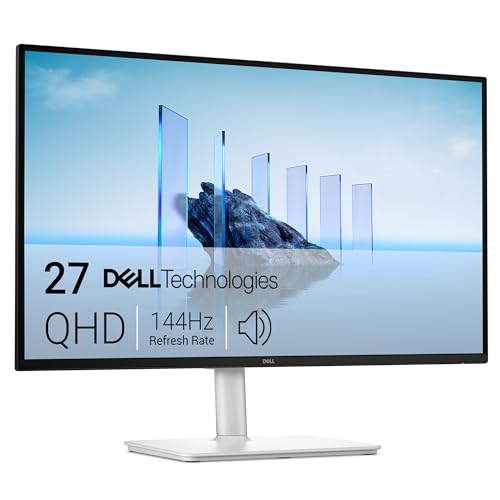
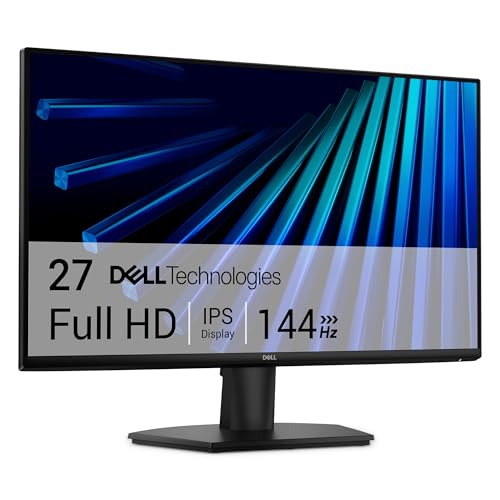
No single screen suits every desk, game and budget, and chasing the highest numbers can lead you to pay for speed your computer cannot deliver. The best 144hz 1ms monitors balance a 144Hz refresh rate and a 1ms response time claim with the resolution, panel and ports your routine actually needs. Use the product table to check those basics first.
This guide sorts the choice by use case first. You will see which panel fits fast play, which size suits study and shared work, and which connections matter for consoles and laptops. A short setup section then shows how to confirm the monitor really runs at 144Hz once it reaches your desk.




Who Should Buy Which 144hz 1ms Monitors?
Start with the work and play you do most days. A monitor that feels perfect for ranked matches can be a poor value for homework, and a large creator screen can overwhelm a small study desk.
Competitive Gamers Who Play Fast Paced Titles
You need motion clarity above all else, so prioritize a panel with strong overdrive control, adaptive sync and a DisplayPort connection for your PC. A 24 to 27 inch screen at 1080p or 1440p keeps targets large without demanding a costly graphics card. If your library spans PC and console play, see our guide to the best gaming monitors.
Students and Everyday Users Who Game After Class
You need a screen that handles notes, video and casual matches without taking over a shared desk or budget. A 24 inch 1080p model is the sensible starting point, and a modest laptop or PC can drive it at high frame rates more easily. For a tighter shortlist, see our guide to the best 1080p 144hz monitors and compare stand size and price.
Remote Workers and Creators Who Also Game
You spend long hours on text and images, then switch to games in the evening, so color accuracy, sharp text and a USB C port for a laptop matter beside speed. A 27 inch 1440p or 4K screen gives you room for two windows and finer detail. If detail comes first, see our guide to the best 4k 144hz monitors.
Key Features to Compare
Compare these factors in order, because a headline speed claim means little if the resolution, panel or ports fight your setup.
Resolution Matched to Screen Size
Resolution decides how sharp the image looks and how hard your graphics card must work. At 24 inches, 1080p looks clean and lets more PCs reach high frame rates, while 27 inches suits 1440p because the extra pixels keep text and game detail crisp at a normal desk distance. A 32 inch screen is the natural home for 4K, though it needs much more graphics power. For the middle ground most desks favor, see our guide to the best 1440p 144hz monitors.
Refresh Rate and True Response Time
A 144Hz screen can show up to 144 frames each second, so motion looks smoother and inputs feel more direct than on a 60Hz screen, provided your PC or console sends those frames. The 1ms figure is a gray to gray response claim measured under maker settings, not a promise for every color change. Look for a balanced overdrive mode that limits ghosting without adding bright trails. If you want the broader speed class explained, see our guide to the best 144hz monitors.
Panel Technology in IPS, VA, OLED and Mini LED Models
IPS panels give wide viewing angles and steady color, which suits shared desks and creative work. VA panels offer deeper contrast for dark rooms, though dark transitions can smear more in fast scenes. OLED panels give near instant pixel response and superb contrast, but static screens carry a burn in risk over time. Mini LED backlights on LCD panels raise brightness and improve local dimming, at a higher price. Choose by your room light and content first, and by brand claims last.
Adaptive Sync and HDR Support
Adaptive sync lets the monitor match its refresh rate to the frame rate your graphics card produces, which reduces tearing and stutter when output rises and falls. Check that the sync range covers the frame rates you actually reach, and confirm compatibility with your card brand before you order. HDR is separate. A modest peak brightness with no local dimming adds little, while true gains need higher brightness and dimming zones. Treat HDR as a bonus unless you play HDR content often.
Connectivity, Ports and Built In Sound
DisplayPort is the safest choice for a PC at 144Hz, while HDMI 2.1 matters for consoles and for 4K at high refresh rates, because older HDMI versions can cap the rate you can select. HDMI 2.0 often handles 1440p at 144Hz but not 4K at that rate. A USB C port with video input and power delivery simplifies a laptop desk. Built in speakers vary widely and suit calls and casual video, while headsets sound fuller.
How to Choose the Right Size and Enable 144Hz
Measure your desk depth before you choose a size. Most viewers sit about 24 to 36 inches from the screen, so a 27 inch monitor fits that distance well, while a shallow desk can make a 32 inch screen feel crowded. Check stand depth as well as screen width, because a deep stand can push your keyboard too close. A height adjustable stand and a VESA mount let you set the top of the screen near eye level.
Once the screen arrives, connect it with a rated DisplayPort or HDMI cable that matches the port versions on both ends. Set the rate in your system display settings first, then confirm it inside the game or console output screen. If you picked one of the best 144hz 1ms monitors for a fast desk setup, this two minute check is how you make sure the speed you paid for is actually on.
Common Mistakes to Avoid When Buying a 144hz 1ms Monitor
Each mistake below costs money, clarity or comfort, and each is easy to catch before you order.
- Buying a 4K screen for a PC that rarely reaches high frame rates leaves you with lower settings and less smooth play.
- Assuming every HDMI port and cable supports 144Hz can lock the monitor to a lower refresh rate than you expected.
- Chasing the 1ms claim alone can lead you to an overdrive mode with bright trails behind moving objects.
- Ignoring stand depth on a shallow desk pushes the screen too close and strains your neck during long sessions.
- Skipping warranty terms on an OLED panel can leave you unsure whether burn in is covered if static images mark the screen.
Care and Maintenance Tips for a 144hz 1ms Monitor
Clean the screen only when it is off and cool, using a dry microfiber cloth with light pressure. For stubborn marks, dampen the cloth slightly with water and wipe again with a dry cloth, because liquid should never run down the panel or into the vents. Never spray cleaner directly on the screen, and avoid paper towels that can scratch the coating.
Calibrate the picture once with the room light you use most, and turn down any vivid or oversaturated preset that distorts color. On an OLED screen, run the built in pixel refresh when the monitor prompts you and vary static content during long work days. Keep vents clear and update firmware only from the maker site.
Frequently Asked Questions
What size 144hz 1ms monitor suits a small desk?
A 24 inch model suits most small desks. Screen size is measured on the diagonal, so a 24 inch panel is roughly 21 inches wide and leaves room beside it for a laptop or speakers. Leave a few inches behind the stand so cables can bend without strain, and pick a compact stand if your keyboard sits close to the screen edge.
Does a 144Hz refresh rate matter for non gamers who use a fast monitor?
Yes, a 144Hz refresh rate can matter for non gamers, though the gain is smaller than in play. Scrolling through long documents and dragging windows feel smoother, and the pointer looks steadier during quick moves. Static work such as reading email gains little, and most films and shows are made at lower frame rates, so they do not use the full rate. Buy it for mixed use if the price gap is small.
How long do 144hz 1ms monitors usually last?
Most models last about five to eight years of daily use. The backlight slowly dims before the panel fails outright, so an aging screen often looks less bright rather than stopping at once. Keeping brightness below the maximum for desk work can slow that fade. Ports and buttons tend to outlast the backlight when the monitor stays in one place.
Is IPS or OLED better for a 144hz 1ms gaming monitor?
The better choice depends on whether your screen time is mostly play or mostly work. OLED wins for evening play in a dark room, where its contrast makes scenes look deeper. IPS is the safer pick for long work days, and its standard pixel layout keeps small text clean, while some OLED layouts can add slight color edges to fine text at close range.
Is 4K worth it on a 144hz 1ms monitor for console play?
4K is worth it for console play if you sit close to a larger screen and value detail over frame rate. Current consoles top out at 120Hz output, so the extra headroom to 144Hz goes unused there. Many games also use a performance mode that renders below 4K to hold higher frame rates, so check the modes your favorite titles offer before paying the premium.
Final Thoughts
Match the panel and resolution to your main use first, then confirm the ports and sync support fit your PC or console. Size the screen to your desk, set the rate properly on day one, and use the product table above to compare the finalists.
When those basics line up, best 144hz 1ms monitors stop being a numbers chase and become a clear upgrade you feel in every match, scroll and work session. Choose the balanced option for your routine, and you will keep it happily for years.

