
Best 144hz Monitors Under 150 2026: Every Type Explained Side by Side
Disclosure: We may earn a commission when you buy through links on this page, at no extra cost to you. As an Amazon Associate I earn from qualifying purchases. Learn more

The best 144hz monitors under 150 compared by type, with panel, port and size advice for gamers, students and desk workers.
A 144Hz panel makes games and scrolling feel far smoother than a standard 60Hz screen, but the listings under $150 mix several different types. Panel technology, size and ports vary a lot at this price. This guide to the best 144hz monitors under 150 compares each type plainly, so you can use the product table with clear expectations.
Start with how you spend your screen time. A player chasing smooth motion, a student writing essays and a worker with two windows open all need different things from the same budget. The sections below match each type to its user, then cover the specs that matter.
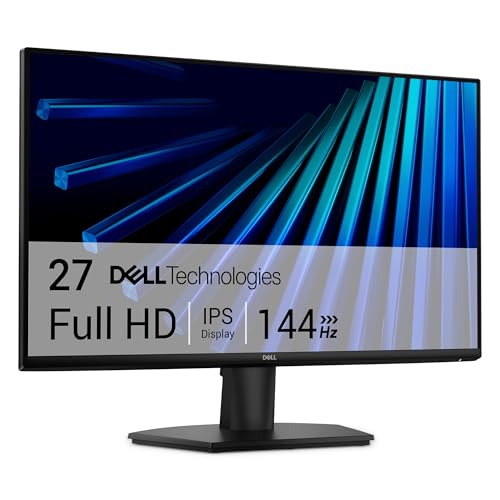
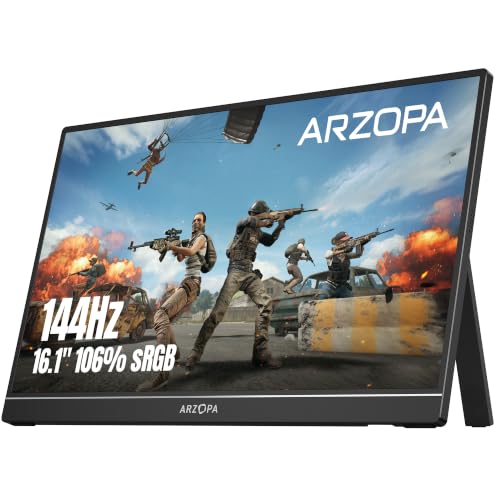
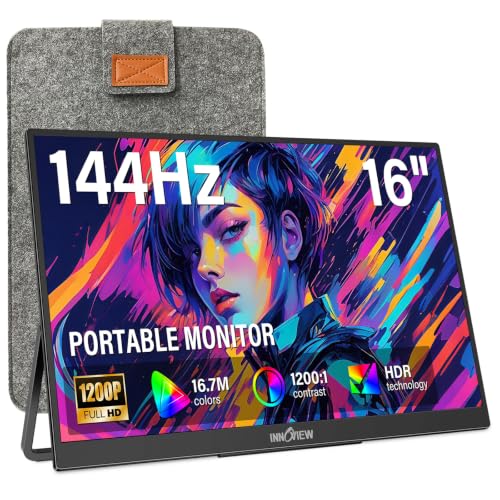
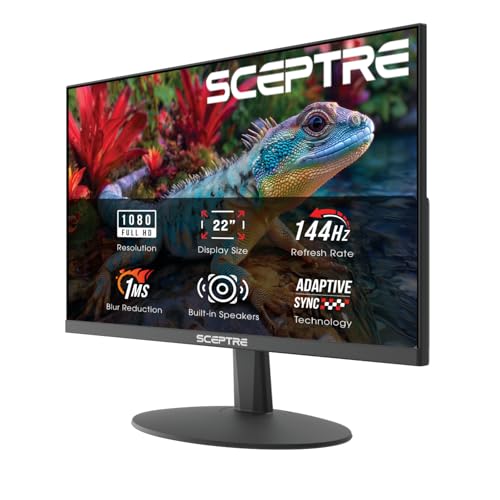
Types of 144hz Monitors Under $150 Compared
Four labels show up again and again in this price range, and they describe different compromises. Read the type that matches your main use first.
Budget Displays
Budget displays are the plain flat panels that make up most of this market, usually 24 inch screens at 1080p with an IPS or VA panel. They give you the full 144Hz refresh rate and adaptive sync, and they skip extras like speakers, USB ports and adjustable stands. Color and brightness are modest but fine for schoolwork and casual play. If you want the lowest price that still feels like a real upgrade from 60Hz, this is your type.
Productivity and Ultrawide Displays
Productivity models aim at desk work, with accurate color for documents and a stand that suits long hours. True ultrawide models stretch to 29 or 34 inches, yet at under $150 most refresh at 75 to 100Hz, so a listing that claims both ultrawide and 144Hz at this price deserves a careful spec check. If your day is mostly spreadsheets and writing, see our guide to the best pc monitors under 150 for work focused options.
Gaming Displays
Gaming displays spend the budget on motion instead of extras. Expect a fast response time claim of 1ms, strong overdrive settings and adaptive sync that covers a wide range, often on a curved VA panel. The curve pulls the edges of a 27 inch screen closer, which suits racing and action games. Built in speakers are weak, and stands usually tilt only. If smooth play matters most, compare the best gaming monitors under 150 before you decide.
OLED Listings to Distrust
OLED displays sit in this guide as a reality check rather than a real option. Each pixel makes its own light, so contrast and response time beat every LCD panel type, but new OLED monitors start at several times this budget. A listing that claims OLED, 144Hz and a price under $150 is almost always an error, a tiny portable screen or a used unit with no warranty. Spend your $150 on a good LCD instead.
Budget Displays vs Productivity Displays: Which Should You Choose?
Both types cost about the same, so the choice comes down to your hours. A budget display gives you the full refresh rate and little else, which suits mixed use. A productivity model trades some gaming polish for better color consistency, a more comfortable stand and a screen you can read for eight hours without strain.
Choose the budget type if gaming shares time with homework or browsing. Choose the productivity type if work pays for the screen and play is occasional. The wider roundup of the best monitors under 150 shows how these two types sit beside every other style at this price.
How to Choose the Right 144hz Monitor
What You Can Realistically Get Under $150
When you shop for the best 144hz monitors under 150, expect 1080p, one or two HDMI ports, a DisplayPort input and a tilt only stand. Makers cut costs on speakers, USB hubs, height adjustment and HDR hardware first, and those cuts are fair. Do not accept cuts to the panel itself, the adaptive sync range or the warranty. A name brand panel on sale at about $130 to $150 usually beats an unknown panel with a longer feature list.
1080p Up Close
At this budget, 1080p is the honest resolution, and it pairs well with a 24 inch screen at a desk distance of about two to three feet. A 27 inch 1080p screen shows larger text and suits a deeper desk, though fine detail looks softer. Screens at 1440p do appear under $150 during deep sales, and they look sharper, but your graphics card works harder to feed them 144 frames per second. A 4K panel at 144Hz costs far more than this budget.
Panel Technology: IPS, VA and TN
IPS panels hold their color when you view them off center and suit shared screens and photo work. VA panels give much deeper blacks, so films and dark game scenes look richer, yet fast motion can smear because their pixels change more slowly. TN panels are the oldest design, with washed out color and narrow viewing angles, but they respond quickly and cost the least. Under $150, IPS is the safe default, VA is the pick for dark room play, and TN only makes sense at a steep discount.
Response Time and Adaptive Sync
Response time describes how fast a pixel changes color, and makers quote the best case figure, often 1ms under a special mode. What you feel in play is the average across many changes, so a panel rated at 4 to 5ms with well tuned overdrive can look cleaner than a 1ms claim with heavy ghosting. Adaptive sync matters just as much, since it matches the refresh rate to your frame rate and removes tearing. Look for FreeSync or G Sync support that works from about 48Hz up to the full 144Hz.
Brightness Versus HDR10 Labels
Most screens here reach about 250 to 350 nits, which is enough for a shaded room and workable near a window with the blinds drawn. Many listings advertise HDR10 support, but that only means the screen accepts an HDR signal. Without high peak brightness and local dimming, HDR scenes often look flat compared with standard mode. Treat HDR as a bonus you may switch off, and judge the panel on its normal picture.
Ports, Stands and VESA Mounts
Check the ports first, because some screens reach 144Hz only through DisplayPort while the HDMI input stops at 120Hz or less. One HDMI 2.0 port plus DisplayPort 1.2 or 1.4 is typical, and a cable is not always in the box. Stands at this price tilt but rarely lift or swivel. A 100 by 100 mm VESA mount pattern solves that, since it lets you add an arm later for about $25 to $40.
Common Mistakes to Avoid
- Leaving the monitor set to 60Hz in your system settings wastes the refresh rate you paid for.
- Using the HDMI port on a screen that only reaches 144Hz through DisplayPort caps your frame rate without any warning.
- Buying a 27 inch 1080p screen for a shallow desk makes text look coarse at close range.
- Trusting a 1ms response time claim at face value leads to ghosting in fast scenes.
- Paying extra for HDR labels on a 300 nit screen buys a badge rather than a better picture.
- Skipping the VESA mount check leaves you stuck with a tilt only stand.
Tips to Get the Most From Your 144hz Monitor
Setup decides what you actually see. Set the refresh rate to 144Hz in your display settings and in your graphics control panel, since many systems default to 60Hz. Turn on adaptive sync in both places. In the picture menu, leave vivid mode off, because it pushes color and sharpness past natural levels, and set brightness so white text stays comfortable for an hour.
Care is simple for an LCD screen. Clean it with a dry microfiber cloth, and if a mark stays, dampen the cloth with plain water only. Never spray liquid onto the panel and never use glass cleaner, since solvents can damage the surface coating. Keep the rear vents clear of dust.
Frequently Asked Questions
Can you get a good 144hz monitor for under $150?
Yes, you can get a genuinely good 144hz monitor for under $150, especially during seasonal sales when name brand 24 inch IPS models drop into this range. Good here means smooth motion, honest color and a solid warranty of one to three years. What you give up is size, resolution and stand comfort, not the core experience.
How long does a 144hz monitor usually last?
A 144hz monitor usually lasts about five to eight years of daily use before the backlight dims enough to notice. The panel rarely fails outright. The power supply and the backlight wear first, and a screen kept at moderate brightness ages more slowly than one run at full brightness all day. A yellowing white is the usual sign that replacement time is near.
What size 144hz monitor should you get for a small desk?
For a small desk, get a 24 inch 144hz monitor, because its stand footprint is compact and the screen fills your view at arm length. At 1080p, a 24 inch screen gives you about 92 pixels per inch, so text stays crisp where a 27 inch screen drops to about 82. Measure your desk depth first, and leave room for the keyboard.
Is IPS or OLED better for a 144hz monitor under $150?
IPS is better for a 144hz monitor under $150, because OLED simply is not sold new at this price. The real contest is IPS against VA. IPS wins for color accuracy, shared viewing and fast pixel response across all shades. VA wins for contrast in a dark room. One more point favors IPS for work, since it carries no risk of burn in from static toolbars left on screen all day.
Is 4K worth it on a 144hz monitor under $150?
No, 4K is not worth chasing on a 144hz monitor under $150, because no new screen honestly offers both at this price. Even if one did, driving 4K at high frame rates takes a costly graphics card that most budget setups lack. Your money works harder at 1080p, where a modest card can hold frame rates near 144.
Our Verdict
Match the type to your main use, confirm 144Hz over the port you plan to use, and pick IPS unless you play mostly in the dark. Those three checks filter out nearly every weak option under $150. When you are ready, revisit the product table above and compare the surviving screens on panel type, ports and price.
Chosen with those points in mind, the best 144hz monitors under 150 deliver motion that a 60Hz screen cannot match, and your games and everyday scrolling feel the difference from the first day.

