
Best 14 Inch Woks (2026): Buying Guide
Disclosure: We may earn a commission when you buy through links on this page, at no extra cost to you. As an Amazon Associate I earn from qualifying purchases. Learn more

What to check before you buy the best 14 inch wok: material, base shape and stove fit, and which type fits your home.
A family of four, a pot of noodles, and a pan that is just a little too small is a familiar weeknight scene. Food crowds the center, vegetables steam instead of searing, and dinner takes longer than it should. Choosing the best 14 inch wok solves that space problem, and this guide helps you match the size to your stove, your household, and your budget before you spend anything.
Instead of pushing one style on every kitchen, the guide compares the main types side by side so you can see which one fits your routine. Start with the comparison table below, then use the checklist that follows to narrow your choice by material, base shape, and burner type. If you want the broader picture first, our guide to the best wok sizes and styles is a good companion read.


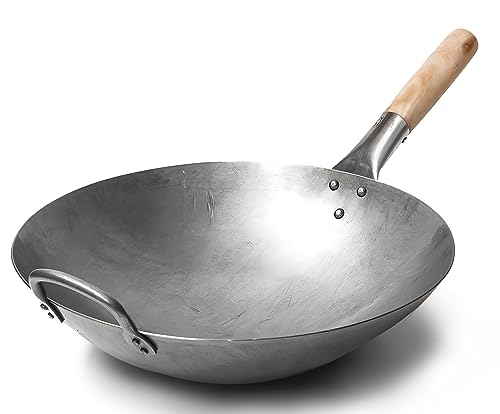
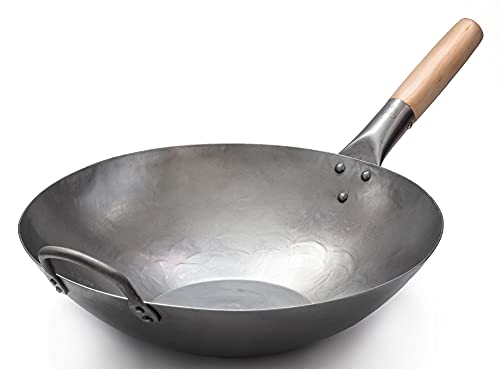
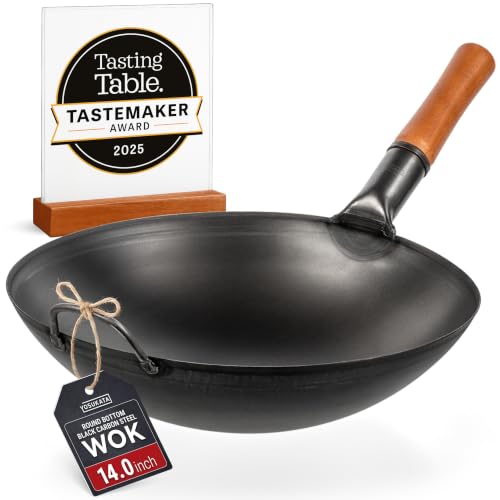

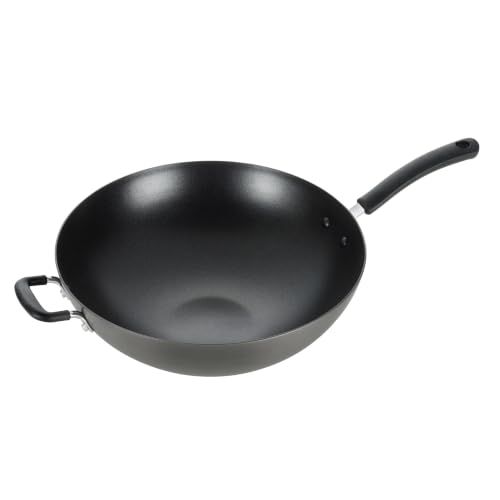

Quick Answer: The Three Types Worth Comparing
Most shoppers end up choosing between three types. Carbon steel is light, heats fast, and suits daily stir fries for most homes. Cast iron holds heat longer and feels steady on the burner, but it weighs far more when full. Coated and stainless options ask for less upkeep, though coated pans need gentler heat and tools.
Before You Buy: A Quick Checklist for Choosing a Wok
Size: Match It to Your Space
A 12 inch wok suits one or two people and small burners, but it fills up fast once you add protein and vegetables together. A 13 inch model gives a little more room, while 14 inch is the size most families land on because it holds a full meal without crowding. A 16 inch wok sounds generous, yet it needs a wide burner and serious storage space, and it can feel clumsy on a standard home range. Measure your burner and your cabinet before you decide.
Which Type Fits Your Routine
Carbon steel is the classic choice, light enough to toss food with one hand and quick to respond when you lower the heat. Cast iron keeps a steady sear but takes longer to heat and to cool. Nonstick versions release delicate foods like eggs and fish with little oil, though the coating wears over time. Stainless steel shrugs off scrubbing and acidic sauces but can stick without enough preheating. Hand hammered carbon steel adds texture that helps food grip the sides, and pre seasoned pans skip some of the early setup work.
Features Worth Paying For and Ones to Skip
A fitted lid earns its cost if you steam dumplings, finish thick vegetables, or simmer braises, because it traps heat and moisture where a plate or foil cannot. A sturdy helper handle opposite the main handle is worth having too, since a full 14 inch wok is heavy to lift with one wrist. A basic spatula with a curved edge is a useful extra. A stand ring, by contrast, only matters for round bottom pans on certain burners, and bundled tool sets often duplicate utensils you already own.
Material and Coating Safety
If you want to avoid synthetic coatings entirely, plain carbon steel, cast iron, and stainless steel are the straightforward routes, since their cooking surfaces are just metal that you season or preheat. Coated pans rely on a nonstick layer, and some shoppers prefer ceramic style coatings as an alternative. Whichever route you choose, follow the maker guidance on heat limits, because overheating any empty coated pan damages the surface and shortens its life. When a coating starts to flake or peel, replace the pan rather than keep cooking on it.
Induction, Gas, and Glass Top Compatibility
The base decides whether a wok works on your stove at all. Flat bottom pans sit directly on induction, electric coil, and glass top ranges, and they also work fine on gas. Round bottom pans need a wok ring on most home burners and will not connect with an induction surface. Our breakdown of flat bottom vs round bottom wok designs explains the trade offs in detail. If your kitchen runs on gas and you cook over strong flames often, the guidance in our best wok for gas stove article covers burner fit and ring use.
Oven Safe Temperature and Handles
Some cooks finish a dish in the oven or keep food warm at low heat, so check the stated oven limit before you buy. All metal handles and bodies usually tolerate higher oven heat, while wood or plastic grip handles often carry a much lower limit or rule out oven use entirely. Long handles give leverage for tossing, but measure your oven depth if you plan to slide a 14 inch wok inside, since the handle adds a lot of length. Removable handles solve that problem, though they add a joint that can loosen over time.
Realistic Budget Ranges
Under $30 usually buys a basic carbon steel or coated wok that cooks well but may have thinner walls and simpler handles. Between about $30 and $50, expect thicker metal, better balance, and a lid included more often. From about $50 to $100, you tend to get heavier construction, smoother finishes, and stronger handles that feel secure when the pan is full. Above $100, you are mostly paying for premium materials, refined craftsmanship, or electric features, which casual cooks may never miss if they skip them.
Types Compared: Carbon Steel, Cast Iron, and Coated Options
Carbon Steel for Most Homes
For most households, a flat bottom carbon steel wok in the 14 inch size is the easiest recommendation to live with. It heats quickly, cools quickly, and stays light enough for the toss and flip motions that keep stir fry moving. It does ask for seasoning and dry storage, but those habits take minutes. If this type sounds right, our guide to the best carbon steel wok options explains gauges and handle styles in more depth.
Cast Iron for Steady Heat and Long Service
Cast iron suits cooks who value a hard sear and a pan that stays hot when cold ingredients land in it. The trade off is weight, since a loaded cast iron wok can strain one wrist, and the surface needs the same dry storage care as carbon steel. Stainless steel sits near this group for durability, with easier washing and no seasoning, but food sticks more readily. Think about your strength and your patience, because both materials reward cooks who preheat properly and deglaze or scrub without worry.
Coated and Electric Options for Easy Weeknights
Coated woks appeal to cooks who want simple cleanup and gentle cooking for eggs, noodles, and delicate fish, and who are happy to use moderate heat and soft tools. Electric woks plug in and hold a set temperature, which helps in small kitchens, dorms, or homes where stove space is tight during big meals. The limits are real, though. Coatings wear out and need replacing every few years, and electric models rarely reach the fierce heat that gives stir fry its smoky edge.
How These Types Were Compared
The comparison weighs heat response, durability, material safety, stovetop and oven compatibility, and day to day cleaning effort. It draws on maker specifications and patterns in verified buyer feedback about warping, handle security, and coating wear. The goal is a fair view of each type for real home cooking, not exaggerated claims, so the deciding factors stay practical ones like weight, storage, and how a pan behaves on a typical home burner.
Is a 14 Inch Wok the Right Size for You?
A 14 inch wok comfortably cooks for three to five people, which covers most families and small dinner gatherings. It gives ingredients room to spread across the hot base instead of piling up, and that spacing is what lets moisture escape so food fries rather than steams. If you usually cook for one or two, a smaller pan heats faster and stores more easily, and you may reach for it more often. On the other hand, frequent batch cooking for a crowd can justify the size even in a modest kitchen.
Common Buying Mistakes to Avoid
- Buying a round bottom wok for an induction or glass top stove, which leaves you with a pan that cannot heat properly.
- Choosing by diameter alone and ignoring burner size, so a wide base sits on a small burner and heats unevenly.
- Forgetting storage, since a 14 inch wok with a long handle needs more cabinet or hanging space than most skillets.
- Paying for bundled extras you will never use, like duplicate utensils or a ring your stove does not need.
- Ignoring the ongoing cost of coated pans, which need replacing once the surface wears, unlike metal pans that last for years.
Cost of Ownership and Care
Metal woks carry almost no ongoing cost beyond a little oil for seasoning and a soft brush or sponge for washing. After cooking, wash with hot water, dry the pan fully on the stove, and wipe on a thin film of oil so rust never gets a start. Our walkthrough on how to season a wok covers the first seasoning and simple touch ups. Coated pans cost more over time because the surface has a limited life, and electric models add a cord, a base unit, and parts that are harder to replace.
FAQ
What size wok do I need for a family of four?
A 14 inch wok is the right call for most families of four, because it holds a full stir fry with protein, vegetables, and noodles without crowding the base. If your household often cooks double batches for leftovers, the same size still works when you cook in two quick rounds, which keeps each batch hot and dry. Smaller households that cook four portions only on weekends can also justify the size, since an underfilled wok still heats and tosses well.
How do you clean a 14 inch wok after a sticky sauce?
Fill the warm wok with hot water and let it soak for ten minutes, then lift the residue away with a soft brush or a bamboo scrubber. Stubborn spots on carbon steel or cast iron respond to a paste of coarse salt and a little water rubbed with a paper towel. Avoid soaking coated pans for long stretches, and never use steel wool on them. For a full routine by material, see our guide on how to clean a wok.
Is a wok worth it if you already own a large skillet?
Yes, if you cook stir fries, noodle dishes, or deep fried foods more than a couple of times a month. The tall, sloped sides contain splatter, give you room to toss without spills, and create hot and cooler zones so garlic can sit up the side while chicken sears below. A skillet still wins for flat foods like pancakes or grilled sandwiches. If those wok friendly meals are rare in your kitchen, borrowing one first is a sensible test.
How long does a 14 inch wok last with regular use?
A carbon steel or cast iron wok can serve for decades, because the surface improves with seasoning and there is no coating to wear away. Stainless steel also lasts many years, though it can discolor from high heat. Coated woks are the exception, with a working life of a few years before the surface loses its release and needs replacing. Electric models depend on their heating elements and controls, which usually set the limit long before the pan body wears out.
Can a 14 inch wok work on a small apartment stove?
Usually yes, as long as you pick a flat bottom model and your largest burner is reasonably wide. The pan will overhang a compact range, so keep the handle turned inward and check that nearby counters and walls can handle the heat radiating from the wide base. Lightweight carbon steel is the safest bet in tight spaces, since a heavy cast iron wok is harder to move quickly when space around the stove is limited.
Final Thoughts
The right choice comes down to your stove, your household size, and how much upkeep you enjoy. Carbon steel serves most homes best, cast iron rewards patient cooks who love a deep sear, and coated or electric models trade peak heat for easy cleanup. Whichever type you pick from the product table above, the best 14 inch wok is the one that fits your burner, your storage, and the meals you actually cook each week.


