
Best 12 Inch Wok (2026): Features and Buying Tips
Disclosure: We may earn a commission when you buy through links on this page, at no extra cost to you. As an Amazon Associate I earn from qualifying purchases. Learn more

Shopping for a best 12 inch wok? Here is what to check on size, build, features and budget before you buy.
A weeknight stir fry for two can turn awkward fast when the pan is too wide for the burner and too tall for the cabinet. A 12 inch size solves that problem for many homes, and choosing the best 12 inch wok comes down to your stove, your storage space, and how many people sit at your table.
Use the comparison table below to see the main types side by side, then read on for sizing, materials, and care. If you are still weighing a larger or smaller pan, our guide to the best wok covers the full size range in one place.


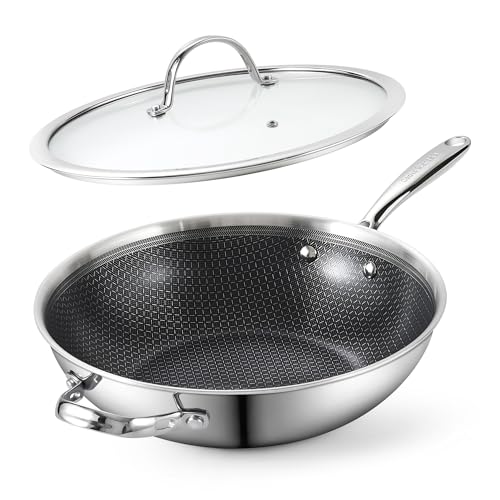
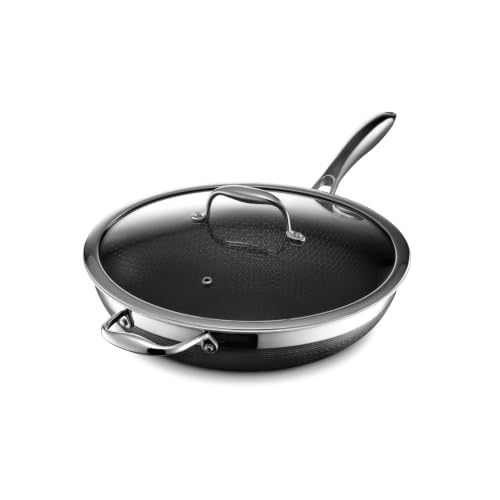


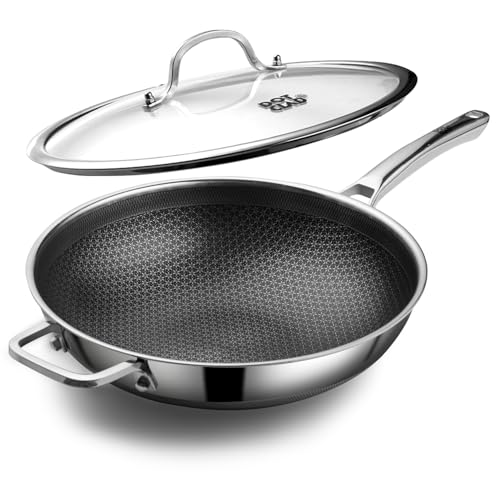

Quick Answer: The Right 12 Inch Wok in 30 Seconds
For most homes, a flat bottom carbon steel wok in this size is the safest starting point. It heats fast, works on most stoves, and stays light enough to lift with one hand when full. Choose cast iron if you cook on high heat often and want strong heat retention, and choose a coated or stainless option if easy cleaning matters more than intense searing. Households of one to three people usually find this size roomy enough for a full meal.
Before You Buy: A Quick Checklist for Choosing a Wok
Size: Match It to Your Space
Diameter is measured across the top rim, so a 12 inch wok has a cooking surface that is much smaller at the base, often about 5 to 6 inches across on a flat bottom model. That base needs to sit stable on your burner, and the full width needs clearance from other pots and a microwave above the stove. Measure cabinet depth too, since the long handle adds a lot of length. A 14 inch wok suits bigger families but crowds a small stove.
Which Type Fits Your Routine
Carbon steel is light, responsive, and the classic choice for stir frying, and our guide to the best carbon steel wok explains that material in depth. Cast iron holds heat longer but weighs far more, so lifting and tossing take effort. Nonstick coatings release food with little oil and suit gentle heat, while stainless steel resists rust and needs no seasoning. Flat bottom models sit steady on modern stoves, and round bottom models need a ring and a suitable burner.
Features Worth Paying For and Ones to Skip
A helper handle opposite the main handle is worth paying for, since a full wok is heavy and awkward to pour from with one grip. A tight fitting lid earns its cost if you steam or simmer often, and a flat spatula with a curved edge matches the pan shape well. Skip oversized accessory bundles with tools you already own. A simple ring only matters for a round bottom wok on gas, so leave it out of the cart for a flat bottom model.
Material Safety and Coating Choices
If you want to avoid synthetic coatings entirely, plain carbon steel, cast iron, and stainless steel have no coating to wear away, and their surfaces are renewed or cleaned rather than replaced. Coated woks rely on a nonstick layer, and makers list limits for heat and utensils that you should follow closely. Ceramic style coatings are a middle path for easy release without a traditional nonstick finish. Retire a coated pan once the surface is deeply scratched or peeling.
Induction, Gas and Glass Top Compatibility
Gas burners give you the most freedom, since flames wrap the curved sides and a round bottom wok can sit on a ring above the grate. If gas is your setup, our guide to the best wok for gas stove covers burner output and ring fit in detail.
Electric coils, glass tops, and induction all need a flat base that makes full contact, and induction also needs a magnetic metal such as carbon steel or cast iron. For coil and glass setups, our guide to the best wok for electric stove explains contact, stability, and heat settings. Avoid dragging a heavy wok across a glass top, since grit under the base can scratch it.
Oven Safe Temperature and Handles
An all metal wok with a metal handle can move from burner to oven for finishing a dish or keeping food warm, and makers state the safe limit for each model. Wood and synthetic handles lower that limit and may be damaged by broiler heat, so check the stated rating before you plan an oven step. A longer handle keeps your hand away from steam, while a shorter handle stores more easily.
Realistic Budget Ranges
Basic carbon steel and coated woks often cost about $25 to $50, and that range is enough for sound construction and a usable handle. Spending about $50 to $100 usually brings thicker metal, better handle joints, and a lid in the box. Above about $100, you mostly pay for heavy cast iron or premium stainless construction rather than better stir fry results. Set your budget after you settle material and stove fit.
Three Types Compared for Homes of Different Sizes
The right choice depends on routine more than on any single model, so it helps to compare the three broad types that cover nearly every home.
Carbon Steel for Most Homes
This type balances low weight, fast heating, and a surface that improves as a seasoned layer builds with regular cooking. It responds quickly when you lower the heat, which helps you avoid scorching garlic or delicate greens. The trade off is upkeep, since the pan needs drying after washing and a thin coat of oil in storage. For apartments and cooks who stir fry several times a week, this is usually the most practical balance.
Coated and Stainless Options for Low Effort Nights
A coated wok washes clean with little soaking and releases eggs, noodles, and sticky sauces with ease, which suits cooks who value a fast cleanup on busy nights. The limit is heat, since strong searing and metal tools shorten the life of the coating. Stainless steel tolerates scrubbing, but food sticks more and the pan often weighs more. Choose this group when convenience leads and most of your cooking happens at moderate heat.
Cast Iron for Long Term Value
Cast iron takes longer to heat, then holds a steady temperature through a full load of meat and vegetables, giving you a deep sear with less cooling when cold food lands in the pan. That stability comes with real weight, so pouring and tossing are two handed jobs for most people. In return, the material lasts for decades and tolerates high heat. It suits patient cooks with room to store a heavy pan near the burner.
How to Evaluate a 12 Inch Wok Before You Order
Judge each listing by five checks drawn from maker specifications and verified buyer feedback. Look at base construction, since a thin or warped base rocks and heats in patches. Check durability clues such as metal thickness, handle joints, and whether replacement lids are sold. Confirm material safety notes, stove and oven limits, and cleaning instructions before you buy. Then picture the listed pan weight plus a full meal, and decide honestly whether you can lift that total safely.
Is a 12 Inch Wok the Right Size for You?
This size fits the way many homes actually cook. It holds a stir fry for two to three people without crowding, and crowding is what steams food instead of searing it. It also fits a standard burner, cabinet, and sink, which larger woks often fail to do. Move up a size if you regularly cook for five or more people at once. Move down only if you cook single portions and your burner is unusually small.
Common Buying Mistakes to Avoid
- Buying a round bottom wok for a glass top stove, so the pan rocks and heats unevenly from the first meal.
- Choosing by diameter alone and ignoring handle length, so the wok no longer fits the cabinet you planned for it.
- Using high heat and metal tools on a coated wok, so the surface wears out far sooner than it should.
- Skipping the burner check, so a wide wok crowds a second pot off a small stove during a full meal.
- Paying for a large bundle of tools, so money goes to extras instead of thicker metal and a sound handle.
Cost of Ownership and Care
Ownership costs stay low for carbon steel and cast iron, since the main extras are cooking oil for seasoning and a suitable spatula. Coated woks cost less effort but may need replacing every few years with regular use, which raises the long run total. Factor in a lid if your cooking needs one and it is not included, since lids are often sold on their own in this size.
New carbon steel needs its first seasoning layers before the surface turns reliably slick, and our guide on how to season a wok walks through that process step by step. After cooking, wash the pan, dry it fully, and store it with a light coat of oil in a dry spot. Coated pans need only gentle washing and no seasoning at all, and our guide on how to clean a wok covers the daily method for each material.
Store the wok where air can reach it, and avoid stacking heavy pots inside a coated or seasoned surface. Check handle screws and rivets now and then, and address looseness before it affects control.
FAQ
What size wok do I need for a family of four?
A 12 inch wok can feed four people if you cook the protein in two batches and combine everything at the end, which also keeps the pan hot enough to sear instead of steam. Serve a filling side such as rice cooked apart from the wok meal. If four person stir fries are your nightly routine, the larger 14 inch size will feel less cramped.
How do you clean a 12 inch wok after stir frying?
Clean the wok while it is still warm, since residue loosens far more easily before it cools and hardens. Rinse with hot water, scrub gently with a soft brush or sponge, and avoid soaking a seasoned pan for long periods. Dry it on the burner for a minute and add a trace of oil if the surface looks dry. Stuck bits usually release after a short simmer with plain water.
Is a 12 inch wok worth it if I already own a frying pan?
Yes, if you stir fry, toss noodles, or deep fry small batches with any regularity, since the tall curved sides keep food in the pan and let you move ingredients between hot and cooler zones. A frying pan spreads food in one flat layer and suits eggs and cutlets better. If you rarely cook those dishes, the frying pan alone is honestly enough for your kitchen.
How long does a 12 inch wok last with weekly use?
Carbon steel and cast iron versions can serve for decades, since their surfaces renew with cooking and there is no layer to wear through. Stainless steel also lasts many years, though heavy warping from repeated overheating can end its useful life early. A coated wok is the short lived option, commonly giving a few years of weekly service before release fades.
Do I need a lid for a 12 inch wok?
A lid matters most for steaming dumplings, finishing thick vegetable pieces, and simmering a sauce without drying the pan out. It also tames splatter when you fry with a shallow layer of oil. If your cooking is mostly fast stir frying, skip the lid and use a large plate as an occasional cover. You can buy the lid later, since this common size is easy to match.
Final Thoughts
Start with your stove and your storage, then pick the material that matches how you like to cook and clean. Carbon steel suits most homes, cast iron rewards patient cooks who love a hard sear, and coated or stainless options keep weeknight cleanup simple. Compare your shortlist against the product table above, and you will land on the best 12 inch wok for your kitchen without overspending or crowding your cabinets.


