Best 13 Inch Laptops under 1000 for Every Need: How to Pick the Right One for 2026
Disclosure: We may earn a commission when you buy through links on this page, at no extra cost to you. As an Amazon Associate I earn from qualifying purchases. Learn more

The best 13 inch laptops under 1000 suit travelers, students, creators and remote workers when you match features to your routine.
There is no single perfect laptop, because a traveler, a gamer, and a remote worker ask very different things from the same small machine. A budget near $1,000 is generous for a 13 inch laptop, but only if the money lands on the features your routine actually uses. This guide matches the best 13 inch laptops under 1000 to real use cases, so you get the right fit the first time.
We will sort buyers into four groups, explain the features that matter under this budget, and flag the mistakes that waste money. You will also find simple care habits and straight answers to common questions. The product table shows the main options side by side as you read.

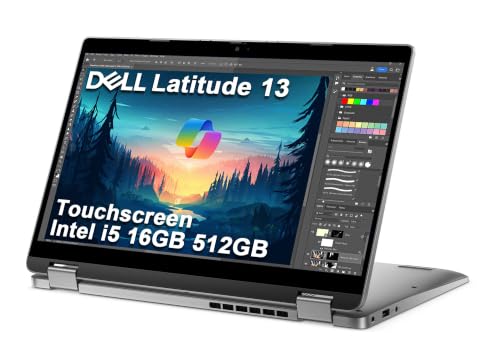
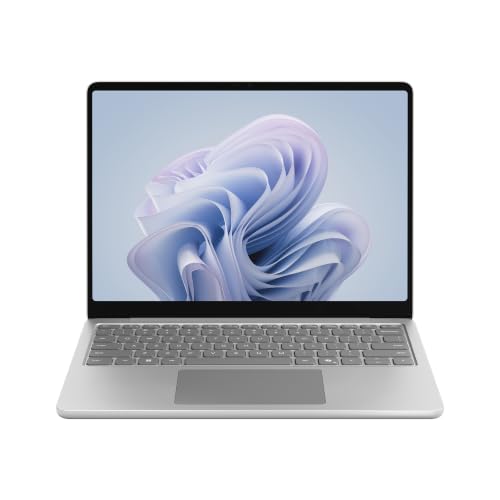
Who Should Buy the Best 13 Inch Laptops under 1000?
For Remote Workers and Creators
Remote workers should prioritize the screen, webcam, and microphone before raw speed, because those parts define every call and every editing session. Look for a bright full HD or sharper display, a 1080p webcam if you can find one at this price, and dual microphones that cut background noise. A reliable WiFi chip and a full set of ports for a monitor and dock matter just as much.
Creators who edit photos or short video should add 16GB of RAM and a color accurate screen to that list. Storage of 512GB fills fast with media, so plan an external drive. Under $1,000, this group gets genuinely professional tools, as long as gaming level graphics stay off the shopping list.
For Gamers and Power Users
Gamers face the hardest trade offs in this size and budget. A 13 inch laptop under $1,000 rarely includes a strong dedicated graphics card, so expect smooth play in lighter titles and reduced settings in demanding ones. Prioritize the best graphics option available, a screen with a 120Hz or higher refresh rate for fluid motion, and cooling that can sustain performance beyond a few minutes.
Power users who compile code, run virtual machines, or crunch data should instead push the budget toward the processor and 16GB or 32GB of RAM. If gaming matters most, compare larger formats in our guide to the best 15 inch laptops under 1000, where stronger graphics are far easier to find at this price.
For Travelers and Commuters
Travelers should shop by weight and battery first. Aim for under 3 lb, a case that shrugs off bumps in a carry on, and real world battery life of 10 hours or more. USB C charging is a quiet advantage, because one small charger can power the laptop, a phone, and a tablet, which trims the bag and removes the hunt for the right brick in hotel rooms.
Durability details count on the road. A metal lid, a hinge that opens smoothly one handed, and a keyboard that resists spills all protect your investment. If your trips are long, a slightly dimmer but more efficient screen often beats a brighter one, because arriving with charge left matters more than peak brightness at a desk.
For Students and Everyday Users
Students and everyday users get the easiest win at this budget. A mid tier processor, 16GB of RAM, and a 512GB SSD will feel fast for notes, research, streaming, and family photos for years. Battery life through a full class or work day is realistic, and weights near 3 lb disappear in a backpack.
Spend the leftover budget on comfort rather than speed: a backlit keyboard, a larger and smoother trackpad, and a protection plan. Families sharing one machine should create separate user accounts and confirm enough storage for everyone. Shoppers who can spend less should see our guide to the best laptops under 500 13 inches for what the lower tier keeps and what it gives up.
Key Features to Compare
What You Can Realistically Get Under $1000
Under $1,000, a realistic 13 inch laptop includes a current mid tier processor, 16GB of RAM, a 512GB SSD, a sharp and bright screen, and battery life around 10 to 14 hours in light use. Premium touches such as OLED screens and very light magnesium cases appear near the top of the range, often around $850 to $1,000. What you usually give up is a powerful dedicated GPU and the very thinnest designs. Do not compromise on RAM or the SSD to chase a fancier screen, because those two parts decide daily speed.
Processor and Performance Tier
Current Intel Core Ultra, AMD Ryzen, and Apple M series processors all deliver strong performance under this budget, and the mid tiers of each family are the value picks. For office work, browsing, and calls, any of them feels instant with an SSD. Photo and video work benefits from more cores, while gaming leans on graphics far more than the processor. A simple rule helps: buy the newest generation you can, in the middle tier, and let RAM and storage take the rest of the budget.
Weight and Portability
Weight decides whether a laptop comes with you or stays home. Under 3 lb is the target for students and commuters who carry the machine daily, and the difference between 2.5 lb and 3.5 lb is obvious by the end of a long day. Remember to weigh the charger too, because older style bricks can add another pound. Compact USB C chargers shrink that burden and work across your other devices, which is why port choice and portability belong in the same conversation.
Operating System (Windows, macOS, ChromeOS, Android, iPadOS)
Pick the operating system that matches your software and your phone. Windows offers the widest program and gaming support and the most hardware choices under $1,000. macOS suits iPhone owners and creative tools, with excellent battery life in this class. ChromeOS is simple and secure for browser based work, though paying near $1,000 for it rarely makes sense. Android and iPadOS belong to tablets, which pair well with a laptop but replace one only for light tasks. Check your must have programs first, because the wrong system is the costliest mistake on this list.
Common Mistakes to Avoid When Buying 13 Inch Laptops
- Shopping by price alone. A cheap feeling keyboard, dim screen, or weak hinge will annoy you daily, long after the savings are forgotten.
- Ignoring what you can realistically get under $1000. Chasing a strong gaming GPU at this size and price usually means cutting RAM, storage, and battery to disappointing levels.
- Buying too much or too little machine. Overspending on power you never use is as wasteful as underspending and replacing the laptop in two years.
- Skipping the warranty check. Confirm warranty length, accidental damage options, and return terms before you pay, especially for a machine that travels.
- Forgetting the charger and ports. A laptop that needs a costly hub and a heavy brick quietly erases the portability you paid for.
Care and Maintenance Tips
Keep the operating system and firmware updated, because updates fix battery drain and security issues that no accessory can solve. Avoid running at 100 percent charge all the time if your laptop offers a battery limit setting, since holding a full charge for months speeds battery wear. Use a padded sleeve when commuting, blow dust from the vents a few times a year, and wipe the screen with a soft dry cloth. These small habits protect both performance and resale value.
13 Inch Laptops: Your Questions Answered
Can you get a good 13 inch laptop under $1000?
Yes, this budget buys a genuinely good 13 inch laptop with 16GB of RAM, a fast SSD, a bright screen, and all day battery life. The main limits are gaming graphics and ultra premium materials. One check separates good from great at this price: read the battery figure as a best case claim and look for independent estimates or larger watt hour ratings, because real endurance varies more than any other spec here.
Is a dedicated GPU worth it?
A dedicated GPU is worth it only if you game regularly or edit video and 3D work often. At this size and budget it usually means a hotter, heavier machine with shorter battery life. If your heaviest task is photo editing or spreadsheets, integrated graphics already handle it smoothly. Spend the difference on a better screen or more storage instead, and you will notice the benefit every day rather than once a month.
Is a Chromebook enough for school?
A Chromebook is enough when all coursework runs in a browser and your school supports it fully. It is not enough for many engineering, design, or statistics programs, or for desktop exam software. Under this budget, a Chromebook also wastes value, since its strengths are simplicity and low cost. If you choose one anyway for a younger student, spend the savings on a protection plan and a good case rather than higher specs.
Should I buy a laptop or a tablet?
Buy a laptop when typing, multitasking, and file management sit at the center of your day. A tablet wins for reading, drawing, and media, and it can serve as a second screen later. Many buyers under this budget do best with a solid laptop now and a basic tablet later. If you lean toward a bigger single screen instead, our guide to the best 17 inch laptops under 1000 shows what the largest format offers at the same budget.
How much RAM do I need?
You need 16GB for a laptop you plan to keep several years, though 8GB still works for light browsing and documents. Watch your current machine for a clue: if it slows when calls, tabs, and documents pile up, memory is the bottleneck. Because most thin models cannot add RAM later, treat 16GB as part of the purchase, not an upgrade. Students and remote workers benefit most, since their multitasking is the heaviest.
How long should a 13 inch laptop last?
A 13 inch laptop bought well under $1,000 should last four to six years. The battery fades first, and a quality model keeps parts and software support available longer. You can extend life by keeping storage below about 85 percent full, which preserves SSD speed, and by replacing the battery rather than the whole machine when capacity drops. Buyers comparing nearby sizes can also read our guide to the best 14 inch laptops under 1000 before deciding.
Our Verdict
Match the machine to your group first: screen and webcam for remote work, weight and battery for travel, balanced specs for study and home use. Then protect the fundamentals, 16GB of RAM, a 512GB SSD, and honest battery life. Compare your finalists with the picks in the table and check the total cost with a sleeve and hub included.
Chosen that way, the best 13 inch laptops under 1000 stop being a gamble. You get a small machine that feels fast now, stays useful for years, and fits the way you actually spend your days.