Best 13 Inch Laptops Under 800: A First Time Buyer's Guide for 2026
Disclosure: We may earn a commission when you buy through links on this page, at no extra cost to you. As an Amazon Associate I earn from qualifying purchases. Learn more

First laptop? Learn the specs that matter and the mistakes to avoid when choosing the best 13 inch laptops under 800.
If this is your first laptop purchase, the listings can look like a foreign language of chips, nits, and storage codes. This guide translates everything into plain English, step by step, so you can judge the best 13 inch laptops under 800 with confidence. No experience is assumed, and no spec gets mentioned without an explanation of why it matters to you.
At around $800, a 13 inch laptop stops being a compromise and starts being a pleasure, with brighter screens, metal bodies, and battery life that lasts a full day out. We will cover the basics first, then the specs, then the mistakes beginners make, and finally what to do in your first hour after unboxing. Keep the product table open as your reference while you read.


13 Inch Laptops 101: The Basics
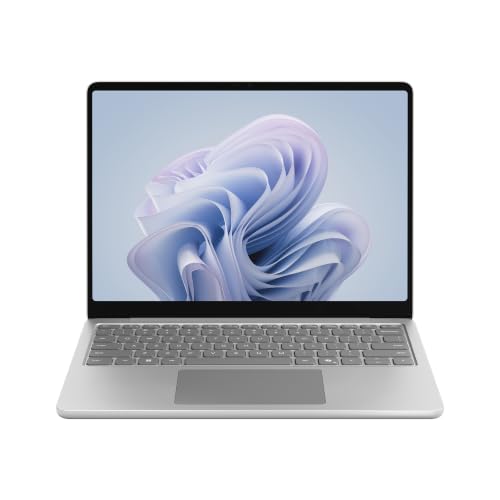
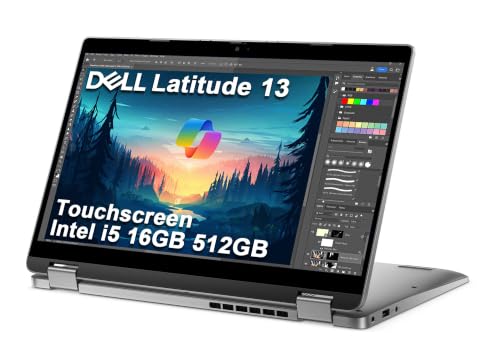
A 13 inch laptop is named for its screen, measured diagonally from corner to corner. The whole machine is only slightly larger, which is why this size fits in backpacks, tote bags, and airplane tray tables so well. Most models weigh between about 2.2 and 3.2 lbs, light enough to carry all day without thinking about it.
Four parts explain most of what a laptop does. The processor is the brain that runs programs. RAM is the short term memory that keeps your open apps and tabs ready. The SSD is the storage that holds your files and loads them quickly. The display, keyboard, and battery decide how the machine feels to use. Screens in this class often add touch or a high refresh rate, and ports usually include USB C for charging and connecting modern accessories. If you want something even smaller than this class, our guide to the best laptops under 13 inches covers the most compact options.
Key Specs Explained in Plain English
What You Can Realistically Get Under $800
Around $800 buys a laptop that feels premium in daily use. Realistic expectations include 16 GB of RAM, a 512 GB or larger SSD, a bright and sharp display, a metal body, a fingerprint reader, and all day battery ratings. Some listings add OLED screens or convertible hinges. What still sits above this tier is strong gaming graphics and the absolute thinnest designs. Do not sacrifice the screen or the SSD to pay for a novelty like a second tiny display in the trackpad.
Processor and Performance Tier
The processor determines how quickly apps open and how smoothly heavy work runs. Current Intel Core and AMD Ryzen chips in the upper mid tier handle office work, study, programming, and photo editing with room to spare. Apple M series processors are outstanding for speed and battery life, and at this budget they appear in some sale and refurbished listings, which can be excellent value if the warranty is clear. More cores help with exports and data work. For writing and browsing, any current chip here is more than enough, so spend leftover budget on memory and screen instead.
Operating System (Windows, macOS, ChromeOS, Android, iPadOS)
The operating system is the environment every app runs inside. Windows supports the widest range of software and accessories and is the safest choice for most jobs and degrees. macOS is smooth and pairs beautifully with an iPhone, but it only runs on Apple laptops. ChromeOS is simple and secure for web based work, though an $800 Chromebook only makes sense if you value its ease and battery life over software range. Android and iPadOS belong to tablets. Decide this first, because it quietly removes half the listings from your list.
Keyboard, Trackpad, and Build
At this price you should expect typing to feel good. Look for a backlit keyboard with firm, quiet keys and a sensible layout with no shrunken keys you use often. The trackpad should be large, smooth, and accurate, because you will use it for hours daily. On build, aluminum bodies are common here and resist flex, feel sturdy, and handle travel knocks better than thin plastic. Check that the lid opens smoothly and the hinges hold the screen without bounce. These details separate the laptops you enjoy from the ones you tolerate.
Battery Life in Real World Use
Maker ratings assume gentle use, so treat them as a comparison tool rather than a promise. A rating in the twelve to sixteen hour range usually means eight to eleven hours of real mixed work with WiFi on and the screen bright. The display is the biggest power draw, so a very bright or high refresh rate screen shortens runtime when pushed. Fast charging over USB C is common at this tier and genuinely useful: a half hour plugged in during lunch can add hours of work. If you travel weekly, weight your choice toward the longest rated battery.
Graphics (Integrated vs Dedicated GPU)
Graphics come built into the processor or as a separate dedicated chip. Integrated graphics at this tier are strong enough for photo editing, casual and older games, and smooth video at high resolutions. A dedicated GPU speeds up demanding games and video exports, but in a slim 13 inch body it adds heat, noise, cost, and battery drain, and it remains uncommon under $800. Most first time buyers will be happier with excellent integrated graphics, more RAM, and a better screen. Choose dedicated graphics only if gaming or video work is the main reason for the purchase.
Rookie Mistakes to Avoid
- Buying the thinnest model without checking ports. A laptop with only two USB C ports means dongles for everything, so count the connections your desk and classroom actually need.
- Paying for 32 GB of RAM you will never use. Sixteen GB is the sweet spot here, and the savings buy a better screen or a larger SSD you will notice daily.
- Chasing a touchscreen by default. Touch is lovely for some people and dead weight for others, so decide based on whether you will truly tap, scroll, and draw on the screen.
- Ignoring the warranty and return window. A first laptop is a big purchase, and easy returns protect you if the keyboard feel or fan noise turns out to be wrong.
- Skipping a case and backup in the budget. A sleeve and a simple backup drive cost little compared with the laptop and prevent the two most common disasters.
Beginners who realize their needs are simpler often save money by stepping down a tier, and our guide to the best 13 inch laptops under 700 shows exactly what that step gives up and what it keeps.
Getting Started: Setup and First Use
Unbox on a clean desk and keep the packaging until the return window closes. Plug the laptop in, connect to WiFi, and let it complete its first round of updates before installing your apps, since early updates often include important battery and security fixes. Keep the OS and firmware updated on a regular rhythm after that.
Then sign in to your accounts, enable backup for your documents and photos, set up the fingerprint reader if one is included, and remove trial software you do not want. Learn one battery habit now: avoid running at 100% charge all the time if the laptop sits plugged in at a desk. Most models here offer a charge limit near 80 percent for desk use, and using it noticeably slows battery wear over the years.
FAQs
Can you get a good 13 inch laptop under $800?
Yes, and good undersells it: this budget buys a laptop that feels premium, with a bright sharp screen, fast storage, and a sturdy metal body on many models. The main things still reserved for higher prices are gaming level graphics and extreme thinness. For students, professionals, and creators doing photo and light video work, a careful purchase here can be a satisfying main computer for many years.
How much RAM do I need?
Sixteen GB is the right answer for most people at this price. It keeps heavy browser use, documents, calls, and creative apps running together without slowdowns, and it protects the laptop as software grows over time. Thirty two GB only pays off for very large data sets, virtual machines, or serious video timelines. Because memory in thin 13 inch laptops usually cannot be upgraded later, choosing 16 GB now is one of the smartest decisions in this whole guide.
Is a Chromebook enough for school?
For most schoolwork, yes, since writing, research, and learning platforms all run in the browser, and Chromebooks are fast, quiet, and easy to manage. The exception is coursework needing specific Windows or macOS programs, so check requirements before you buy. One more caution applies at this price: an $800 Chromebook should offer something special, like an OLED screen or a convertible body, because the same money buys a very capable Windows laptop.
How long should a 13 inch laptop last?
Plan on five to seven years for everyday use when you choose this tier well. The battery will age first, gradually holding less charge, and it is replaceable on some models. The choices that stretch lifespan are boring but proven: 16 GB of RAM, a roomy SSD, and a sturdy body that survives bags and travel. Software support eventually ends the story, so buying a current processor generation adds useful time at the end.
Should I buy a laptop or a tablet?
Buy a laptop if it will be your main computer, because the real keyboard, large trackpad, full file system, and desktop software make long work sessions far easier. Buy a tablet if your computing is mostly reading, drawing, and video, and your writing stays short. Many first time buyers price a tablet, add the keyboard and pen, and discover the total nearly matches a laptop that does more. At around $800, the laptop is the stronger single device for most people.
Final Thoughts
You do not need to memorize every term to buy well. Hold on to three ideas: choose the operating system your life already uses, insist on 16 GB of RAM and a bright screen, and keep the weight honest if you commute. If you want to see where the savings begin, our guide to the best 13 inch laptops under 600 marks the tier where the polish starts to thin out.
The best 13 inch laptops under 800 reward buyers who check the small things, keyboard feel, ports, and battery rating, before falling for headline numbers. Compare your shortlist in the product table one last time, and you will choose a first laptop you can grow into rather than out of.