
Best 12x50 Binoculars for Hunting: A Checklist for 2026
Disclosure: We may earn a commission when you buy through links on this page, at no extra cost to you. As an Amazon Associate I earn from qualifying purchases. Learn more

A field checklist for the best 12x50 binoculars for hunting: exit pupil, low light glass, harness carry, sealing, and honest price bands.
Hunting puts a binocular through the hardest hours of the day, in cold air, with gloves on, often from an awkward rest. A 12x50 format promises reach and a bright image, but only some pairs hold up to that work season after season. This checklist shows how to judge the best 12x50 binoculars for hunting by the specs and handling points that matter in the field, not by box art.
Use the checks below in order, from brightness to carry, and compare any candidate with the product table before you spend. Hunting adds needs that general glassing does not, and those needs shape every section that follows.


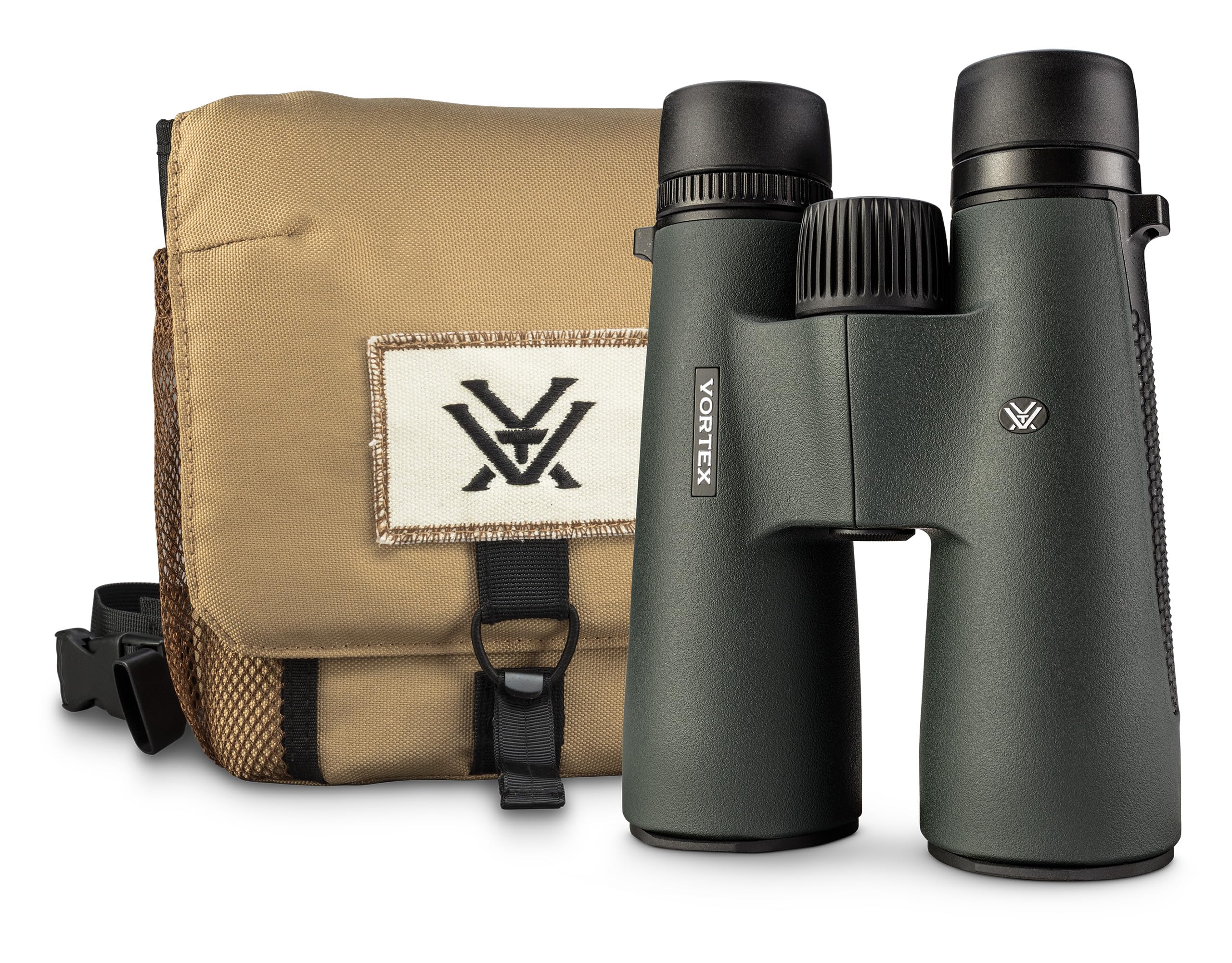

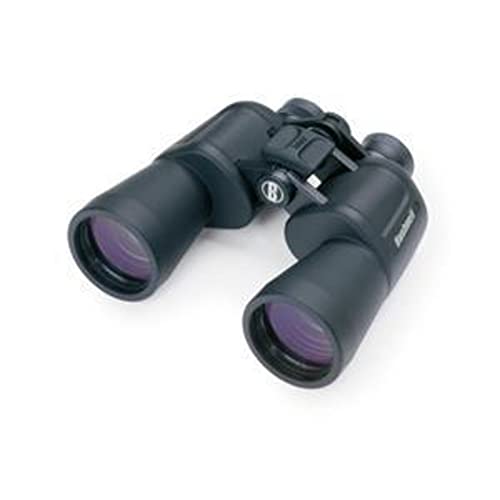
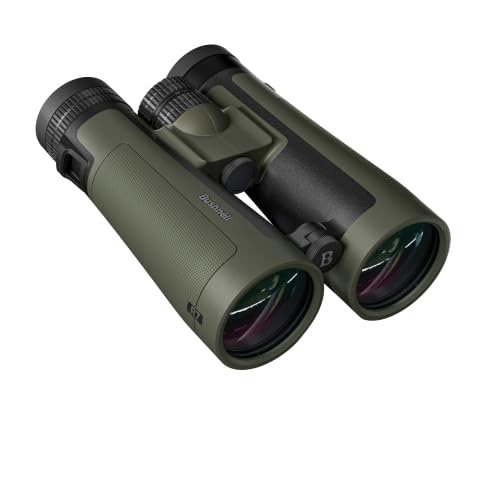

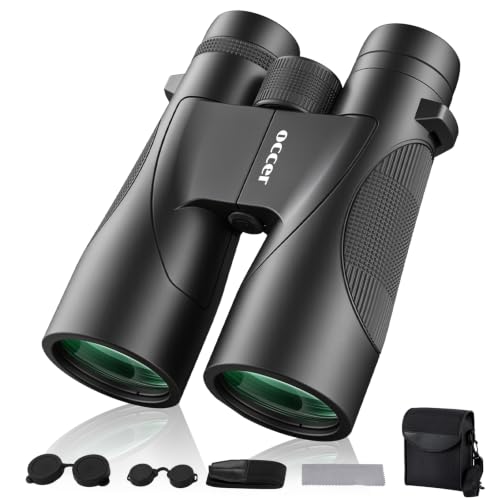

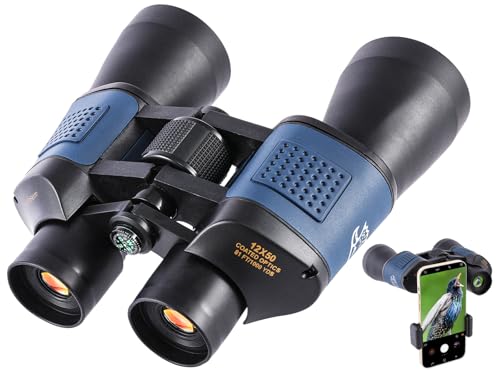
Key Features of the Best 12x50 Binoculars for Hunting
Each feature below answers a field problem: low light, long carries, bad weather, or cold hands. A pair that fails the first check will frustrate you no matter how it scores later.
Exit Pupil: About 4.2 mm Does the Heavy Lifting
Exit pupil governs the brightness class of a hunting binocular, because legal shooting light is the dimmest light of the day. Divide the 50 mm objective by 12x power and you get about 4.2 mm, a step up from the about 3.5 mm of a 12x42 and below the about 5.3 mm of an 8x42. That middle ground is the point of the format: real reach with a usable beam of light at dawn. Our overview of best binoculars 12x50 explains how the format compares with smaller glass if you are still choosing a size.
Dawn and Dusk Performance in Real Woods
Low light performance is a dawn class problem: coatings and prism quality decide whether a deer in shadow reads as an animal or a gray shape. Fully multi coated glass and well baffled barrels keep contrast when the sun sits below the trees, and that contrast, not raw power, separates antler points from branches. For stand hunters who rarely look past 200 yards, our notes on best binoculars for deer hunting cover the shorter range trade offs in more depth. Judge any candidate at last light, not under store lighting.
Harness Carry and Fast, Quiet Access
Carry is a harness class decision on a hunting binocular, because a 12x50 pair is heavy enough to swing, bounce, and tap a rifle stock on a neck strap. A chest harness holds the pair flat against your sternum, keeps it silent while you crawl or climb, and lets you draw it with one hand. The guide to best binoculars harness for hunting walks through strap layouts and pouch sizes if you want the details. Whatever system you choose, practice the draw at home so the motion is quiet before it counts.
Sealing Against Rain, Snow, and Internal Fog
A hunting pair will get rained on, breathed on, and carried from a warm truck into freezing air, so sealing is not optional. Look for a housing described as waterproof and filled with dry gas, which stops the internal fog that ruins a cold morning. Rubber armor should cover the barrels without making the pair too fat to grip with gloves. Eyepiece and objective covers that tether to the housing survive field use better than loose caps in a pocket.
Focus and Controls With Gloves On
Cold hands change what good controls feel like. The center focus wheel should be wide, deeply knurled, and turnable with a gloved finger without overshooting, since dawn glassing means constant small corrections. Eyecups that click into place stay put better than smooth ones when a hat brim or hood pushes against them. Check that the diopter ring locks or at least resists casual movement, because a bumped diopter quietly ruins focus for one eye all day.
Weight Over a Full Day on Foot
Most 12x50 hunting pairs weigh about 28 to 38 ounces, and that load matters more at mile six than at the truck. Spot and stalk hunters who climb should weigh the pair with its harness, not the bare number on the box. If you mostly glass from a tripod near a vehicle, the heavier end of the range costs you little. Match the weight to your longest typical day, not your shortest.
Price Bands, Read Honestly
Field Ready on a Budget: About $100 to $200
Budget hunting glass has improved, and a careful buyer can find sealed 12x50 pairs with decent coatings in this band. Our roundup of best inexpensive binoculars for hunting shows where the corners get cut, usually in edge sharpness and warranty length. Expect a narrower field and focus wheels that feel less refined. For a first season or a truck spare, this band makes sense.
Season After Season Band: About $200 to $450
This band buys fully multi coated optics, better prism glass, and mechanics that survive recoil bumps, drops, and wet weather. Most working hunters comparing the best 12x50 binoculars for hunting should shop here first, because the low light gain over the budget band is the difference that matters at dawn. Warranties lengthen too, which counts on a tool that rides in a pack for months. It is the band to choose for a single do everything pair.
Long Range Glassing Band: About $450 to $900
Premium money adds ED glass elements, wider fields, and stray light control that shows when you glass toward a bright sky. The image gains are smaller than the step up from budget, but the build gains are real: smoother focus, tougher hinges, better armor. Pay it when you glass big country weekly and judge animals at the edge of range. Casual hunters will rarely feel what the extra money bought.
Quick Buyer Checklist
- Does the exit pupil math give you about 4.2 mm from the 12x50 format?
- Is the glass fully multi coated, with contrast you can judge at dusk?
- Does a harness carry the pair flat and silent against your chest?
- Is the housing waterproof and gas filled against internal fog?
- Can you run the focus wheel smoothly with your hunting gloves on?
- Does the total carry weight suit your longest day on foot?
- Is the warranty long enough for a tool that lives in a pack?
Red Flags to Watch For
Walk away from listings that advertise huge magnification numbers alongside the 12x50 label, since a fixed format has one power and inflated claims signal a careless seller. Promises of night vision in a normal glass binocular are another invention. Buyer ratings deserve the same caution: collections like best rated binoculars for hunting hold shopper reports about straps, caps, and focus feel, and those reports are owner opinions, never instrument measurements of brightness or sharpness. Also check the return terms, because the only honest check of hunting glass is your own eyes at last light.
Care and Maintenance Tips
Blow grit off the lenses before wiping, then use a lens cloth, because dust dragged across a coating scratches it for good. Dry the pair at room temperature after a wet hunt and store it in a padded case, not in a damp truck cab. Inspect harness straps and connector clips before each season, since a failed clip drops the binocular on rock. Keep the objective covers on during carries through brush to protect the front glass.
12x50 Binoculars: Your Questions Answered
Are 12x50 binoculars too much power for wooded deer stands?
For tight timber, often yes, because a 12x pair shows a field of only about 5 degrees and a deer moving at 40 yards crosses the view fast through branches. Many stand hunters prefer 8x or 10x for that work and keep the 12x50 for field edges and open ground. If one pair must do both, practice finding targets with both eyes open, then settling behind the glass. The format shines where shots and sight lines run long.
Can I climb into a treestand while wearing a 12x50 binocular?
Wear it in a closed chest pouch, never loose on a neck strap, because loose glass swings, strikes climbing sticks and stand rails, and can pull you off balance. A harness pouch with a lid keeps the pair silent and tight to your body on the climb. Once settled, tether the binocular to the stand or your harness so a fumble does not end in a fall to the ground. Climb with three points of contact and let the pouch do the carrying.
Do I need a tripod adapter for a 12x50 hunting binocular?
You need one only if you glass sitting for long stretches, but then it changes everything. Most 12x50 pairs hide a threaded socket under the cap at the front of the hinge, and a small adapter turns any photo tripod into a rock steady rest, while a window clamp does the same job for road based scouting. Handheld glassing is fine for quick looks, yet an hour of scanning for bedded animals will convince most hunters. The adapter costs little and weighs almost nothing.
How long should a hunting binocular last before it needs service?
A well built pair should give a decade or more of seasons, with the hinge, focus wheel, and diopter as the wear points to watch. Send it in when the hinge sags and will not hold the barrels parallel, when focus develops a gritty spot, or when one side clouds from a failed seal. Many makers service their own glass, and a factory cleaning every few years keeps seals and lubricants fresh. Treat the warranty card as part of the purchase and keep it with your hunting records.
Is a rangefinding binocular a better buy than a plain 12x50?
It is a different tool, not a straight upgrade, since a rangefinding model adds weight, battery dependence, and cost, and its glass often sits a class below a plain binocular at the same price. Rifle hunters who shoot past 300 yards may value the speed of a merged device. Bowhunters and stand hunters usually do better with plain glass and a separate small rangefinder. Decide by how often you truly need a number before the shot.
Final Thoughts
For hunting, the format does the first job for you: about 4.2 mm of exit pupil with 12x reach, provided coatings and sealing keep that promise in the field. After that, harness carry and glove friendly focus decide how much you enjoy using the pair. Match the price band to your season length, compare finalists with the product table, and the best 12x50 binoculars for hunting will be the ones still clear and steady on the coldest morning of the year.


