
Best 12x50 Hunting Binoculars Made Simple: A Clear Buying Guide for 2026
Disclosure: We may earn a commission when you buy through links on this page, at no extra cost to you. As an Amazon Associate I earn from qualifying purchases. Learn more

First time buyers can pick the best 12x50 hunting binoculars by checking steadiness, exit pupil, field of view and glass quality.
Buying your first pair can feel confusing because the numbers and glass terms sound similar. The best 12x50 hunting binoculars for you will match how far you glass, how early you hunt, and how steady you can hold higher power. Use the product table to link each term to a real choice.
This guide starts with the basics, then moves to the specs that matter and the mistakes that waste money. You will learn why 12 power helps in open country but can hurt in thick timber, and why brightness matters as much as magnification.


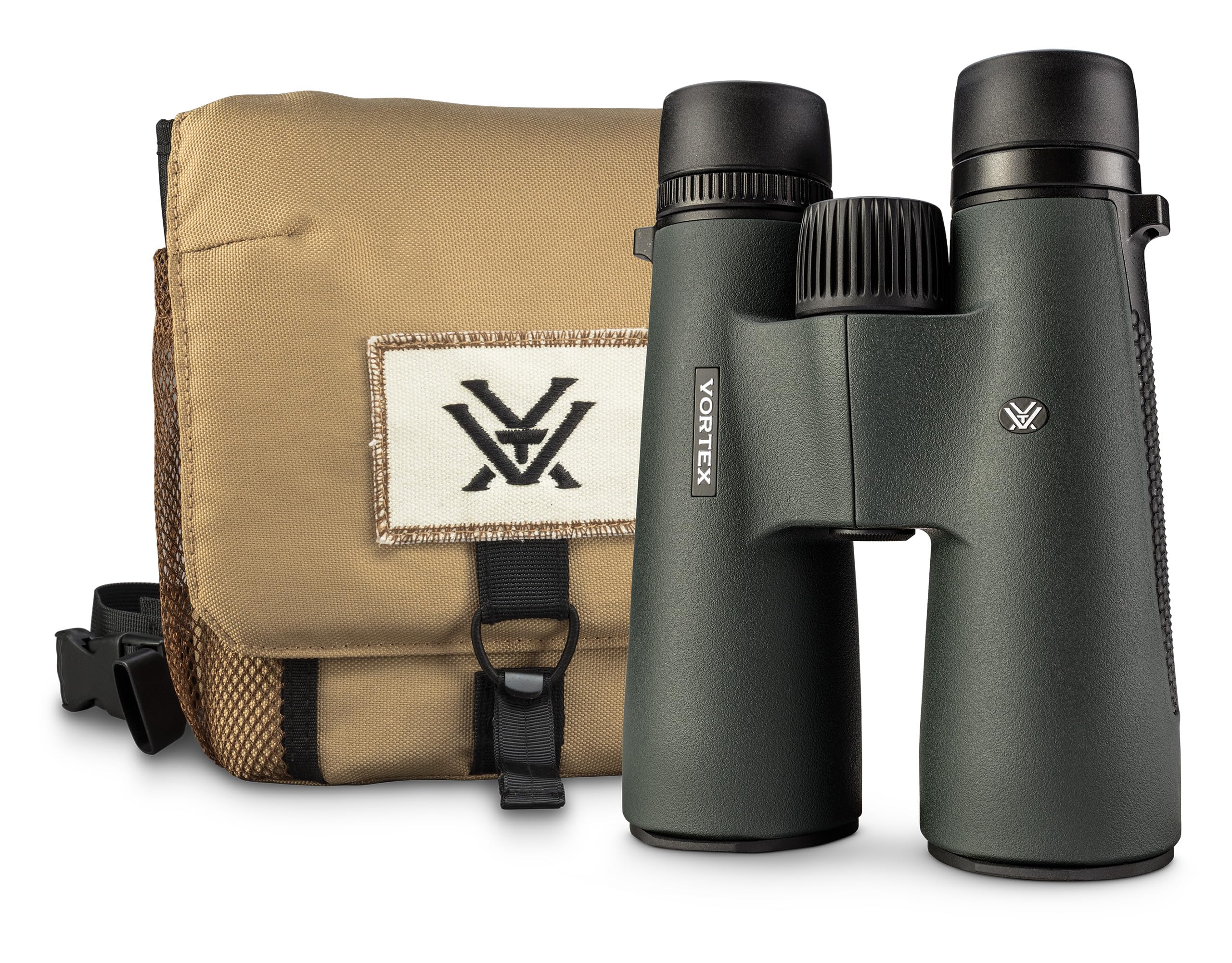


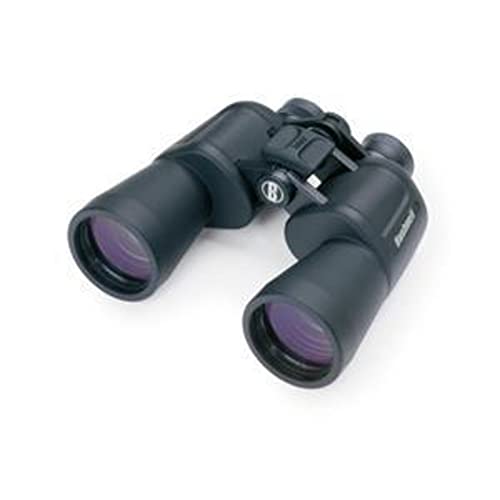
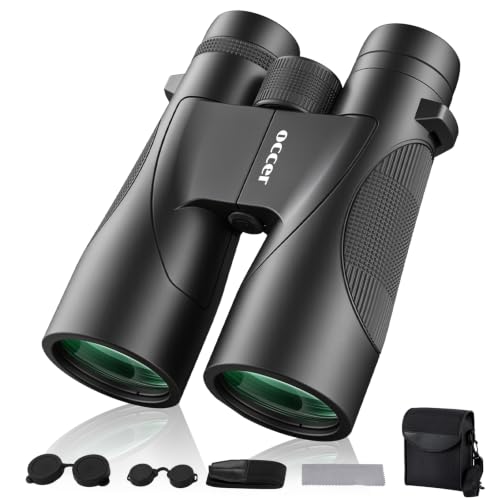

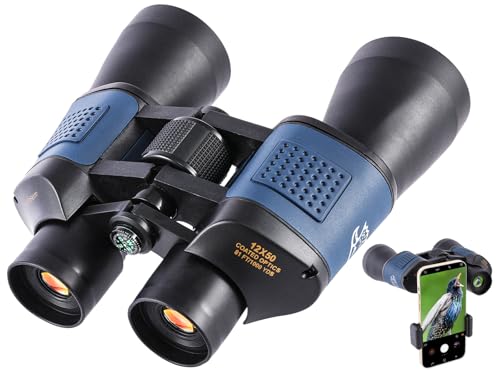
12x50 Hunting Binoculars 101: The Basics for New Buyers
The first number, 12, tells you magnification. A deer at 600 yards looks as close as one at 50 yards, though haze still limits fine detail. The second number, 50, is the diameter of the front lenses in millimeters. Larger front lenses gather more light, a clear plus at dawn and dusk.
Light enters the front lenses, passes through prisms that make the image upright, and reaches the eyepieces. A center focus wheel sharpens both sides at once, while a diopter ring fine tunes one side for the difference between your eyes.
Who Should Buy 12x50 Hunting Binoculars?
Your hunting style decides if this size fits you at all. If your hunts span several species, see our guide to the best rated binoculars for hunting to compare other sizes. Then check the three groups below.
Western Hunters Who Glass Open Country at Long Range
You watch basins, sage flats, and canyon rims for mule deer, pronghorn, and elk a mile or more away. Extra power helps you judge body size and antler points without walking closer. You will glass for long stretches while seated, so plan on a tripod or a solid rest.
Stand Hunters Who Watch Field Edges at Last Light
You sit still and watch field edges and cut lanes where deer slip out in dim light. The large front lenses help you separate a brown body from brown brush in the last legal minutes. If whitetail stands are your main hunt, see our guide to the best binoculars for deer hunting for stand specific advice.
First Time Buyers Who Want Reach Without a Spotting Scope
You hunt mixed ground and want one pair that reaches farther than a common 10x42 without the cost and bulk of a spotting scope. A 12x50 fills that role if you mostly sit or use a rest, and if game rarely appears at 40 yards in thick woods. Tight budgets can also see our guide to the best inexpensive binoculars for hunting.
Key Features to Compare
When you compare the best 12x50 hunting binoculars side by side, look past box claims and check these six factors. Each one changes what you see in the field.
Magnification and Steadiness at 12 Power
Twelve power brings distant game closer, but it also magnifies every tremor in your hands and breathing. A brief freehand look is fine for checking a hillside, yet long glassing sessions quickly turn shaky and tiring. Brace your elbows on your knees or a pack, or mount the binoculars on a tripod for seated glassing. If you mostly walk and snap quick looks in timber, lower power will feel calmer.
Objective Lens Size, Exit Pupil and Low Light Clarity
The 50 millimeter front lenses gather more light than 42 millimeter lenses, which helps when game moves at dawn and dusk. Divide 50 by 12 and you get an exit pupil of about 4.2 millimeters, the width of the light beam that reaches each eye. That beam suits dim light well, though at midday your own pupils shrink and waste some of it. Coatings matter as much as size, because poor coatings waste light.
Field of View for Finding and Following Game
Field of view tells you how wide a slice of ground you see at once, often listed as feet at 1000 yards. Most 12x50 models show about 240 to 300 feet at that distance, narrower than most 10x42 models. A narrow view makes it harder to find a moving animal again after you lower the binoculars. Scan in slow rows that overlap a little, and spot first with your naked eyes.
Glass, Prisms and Lens Coatings
Roof prism models have straight, slim tubes that pack well, while porro prism models are wider and often cost less for similar glass. Look for BaK 4 prisms and phase coating on roof models, because both help keep the image sharp and bright. Extra low dispersion glass can reduce color fringing on bright edges, such as antlers against sky. To compare shapes in this size, see our guide to the best binoculars 12x50.
Eye Relief, Focus Wheel and Fit for Your Eyes
Eye relief is the distance your eyes can sit from the eyepieces and still see the full view, and people who wear glasses should look for about 15 to 18 millimeters. Twist the eyecups down if you wear glasses and up if you do not. The hinge should adjust across about 56 to 74 millimeters so both circles merge into one. A smooth center wheel makes the pair feel fitted to you.
Sealing, Armor and Carry Weight for Hunting
Good hunting binoculars are sealed against water and filled with nitrogen so inner lenses resist fogging when you step from a warm truck into cold air. Rubber armor improves grip with gloves and softens knocks. Most 12x50 models weigh about 28 to 38 ounces, which pulls on a thin neck strap by midday. A chest pack spreads that load, so see our guide to the best binoculars harness for hunting.
Setup and First Use for 12x50 Hunting Binoculars
Set the hinge first. Look at a distant edge, move the barrels until the two circles become one, and note the scale number so you can reset it fast. Next set the eyecups for how you will hunt, with glasses on if you wear them in the field.
Now set focus in order. Cover the right front lens, turn the center wheel until the left view is sharp, then cover the left lens and turn only the diopter ring until the right view matches. Practice scanning a hillside in slow rows with rested elbows.
Rookie Mistakes to Avoid With 12x50 Hunting Binoculars
New buyers repeat the same few errors with this powerful size.
- Choosing 12 power for thick timber makes fast deer vanish from the narrow view.
- Judging brightness by lens size alone and ignoring coatings leaves a dull image at dusk.
- Holding 12 power freehand for a full session lets shake hide antler detail.
- Skipping the diopter setup leaves one eye soft and causes eye strain on long sits.
- Carrying a heavy pair on a thin neck strap all day strains your neck.
- Wiping dusty lenses with a shirt sleeve grinds grit across the coating.
Care and Maintenance for 12x50 Hunting Binoculars
Clean lenses gently and only when they need it. Blow or brush loose dust away first, then use a clean lens cloth with light, small circles from the center outward. Never use a shirt or a paper towel, because trapped grit acts like sandpaper on coatings. Keep caps on during travel, where dust and loose gear do the most harm.
After a wet hunt, let the binoculars dry at room temperature before you close them in a case, and wipe mud from the armor with a damp cloth. Store the pair in a cool, dry place away from direct sun. If the view stays foggy inside after drying, the seals have failed and a repair service should inspect the pair.
FAQ
What specs matter most for first time buyers of 12x50 hunting binoculars?
Steadiness, exit pupil, and field of view matter most for a first pair of 12x50 hunting binoculars. Rank models by how well you can hold them and how bright they look at dusk before you compare small extras. As a tie breaker in a store, check how fast the focus wheel brings both eyes into one sharp circle.
What do numbers like 8x42 and 10x42 mean for hunting binoculars?
The numbers mean magnification first and front lens size in millimeters second, so 8x42 magnifies eight times with 42 millimeter lenses. An 8x42 gives a wider view and an exit pupil of about 5.3 millimeters, which feels bright and calm in thick woods. A 12x50 trades view width for reach, so pick by cover thickness first.
Can you hold 12x50 hunting binoculars steady without a tripod?
Yes, you can hold 12x50 hunting binoculars steady for short scans without a tripod, but not for long sessions. Sit and rest your elbows on your knees, because that seated brace cuts shake far more than standing with raised arms. Exhale slowly and pause at the end of the breath for your clearest look.
Which binocular size is better for low light hunting, 10x42 or 12x50?
For pure reach at last light, 12x50 hunting binoculars have a small edge when coatings are equal. Both sizes give an exit pupil of about 4.2 millimeters, but the larger lenses and higher power can show more detail on a distant animal. That edge disappears if hand shake blurs the image, so a rested 10x42 can beat a shaky 12x50.
How much should a first time buyer spend on 12x50 hunting binoculars?
A first time buyer should plan on about $150 to $300 for a solid pair of 12x50 hunting binoculars. Below that range, coatings and sealing often fall short, which shows up first at dawn and in rain. Above that range, glass clarity improves, but gains grow smaller with each step. Set aside part of the budget for a harness.
The Bottom Line
Match this size to open ground, seated glassing, and dim light, and it rewards you with reach smaller binoculars cannot match. Keep steadiness, brightness, and view width at the top of your list, and use the product table above to check weight, eye relief, and price. For thick timber, a smaller size will serve you better.
Choose the best 12x50 hunting binoculars that you can hold steady, set up for your eyes in under a minute, and carry all morning without neck pain. A pair that fits your ground will find more game than a stronger pair left in the truck.


