
Best 12x50 Binoculars: Everything to Know Before Your First Purchase for 2026
Disclosure: We may earn a commission when you buy through links on this page, at no extra cost to you. As an Amazon Associate I earn from qualifying purchases. Learn more

A plain-English guide to choosing the best 12x50 binoculars, from exit pupil and eye relief to common beginner mistakes.
If you are shopping for the best 12x50 binoculars for the first time, the numbers and terms can feel like a foreign language. This guide starts with the basics, explains each specification in plain English, and walks you through the mistakes new buyers most often make. By the end, you will know what to look for, what to skip, and how much to spend. The product table gives a quick overview before the details begin.
A 12x50 pair magnifies 12 times through a 50 mm objective lens, so it brings distant subjects very close and gathers plenty of light. That power is wonderful for open landscapes and far off wildlife, but it also magnifies every tremor of your hands. Learning how to hold, focus, and support the pair matters just as much as choosing the right model, and the sections below cover both sides.


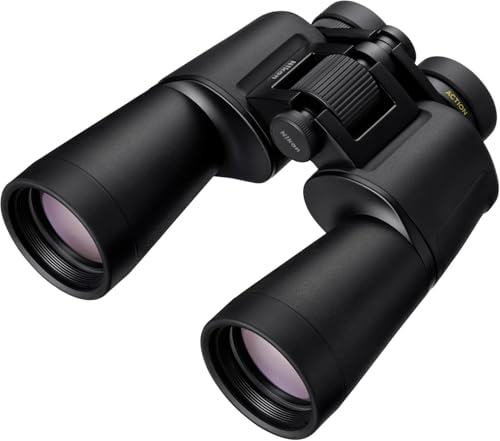
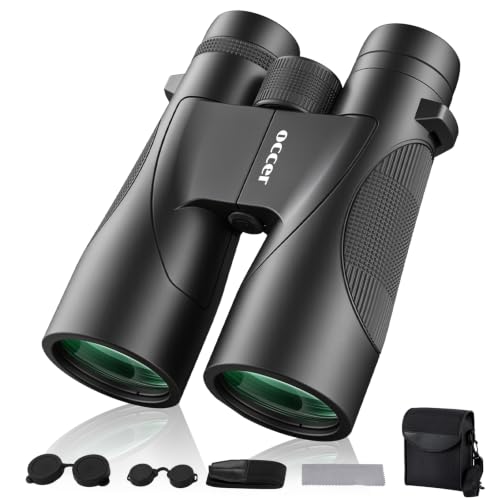
12x50 Binoculars 101: The Basics
A pair of binoculars is two small telescopes joined side by side, one for each eye. Light enters through the large front lenses, passes through prisms that turn the image upright, and reaches your eyes through the eyepieces. The two barrels must stay aligned so your brain merges both views into one comfortable image, which is why build quality matters even for a first pair.
When you first pick up a pair, adjust the distance between the barrels until the two circles merge into one, then set the focus for your eyes. Most pairs have a central focus wheel plus a diopter control on one eyepiece that corrects for differences between your eyes. Once set, the diopter rarely needs changing, and everyday focusing is a single smooth motion of the center wheel.
What Makes the Best 12x50 Binoculars: Key Specs Explained
Magnification and Objective Size
The 12 in 12x50 means the subject appears 12 times closer than with the naked eye, and the 50 means the front lens measures 50 mm across. More magnification sounds better, but at 12x the view shakes more easily and the field of view narrows, so finding a small bird in a tree can take practice. The large 50 mm objective compensates with a bright image, which helps at dawn and dusk.
Exit Pupil and Brightness
Divide 50 by 12 and you get an exit pupil of just over 4 mm. That is the width of the beam of light leaving the eyepiece, and it should roughly match the size of your own pupils in the light you view in. In bright daylight your pupils shrink, so a 4 mm exit pupil is plenty, while in deep twilight a larger exit pupil would gather more usable light. For most daytime and early evening use, a 12x50 pair stays bright enough.
Field of View
Field of view describes how much of a scene you see at once, usually given in feet at 1,000 yards. A 12x pair shows a narrower slice than an 8x or 10x pair, which is the main trade off for the extra reach. New buyers often lose track of moving subjects at 12x, so look for the widest field you can find in your price range and practice following slow moving subjects before you chase fast ones.
Eye Relief and Eyeglasses
Eye relief is how far your eye can sit from the eyepiece while still seeing the whole view. If you wear glasses, you need generous eye relief, often around 15 mm or more, plus eyecups that twist down or fold back so your glasses can sit close to the lens. Without enough eye relief, the edges of the view darken and you feel as if you are looking through a tunnel.
Size, Weight, and Ergonomics
A 12x50 pair is a full size instrument, and most weigh enough that your arms notice after an hour of viewing. Check the grip shape, the balance point, and whether the neck strap is wide enough to spread the load. If you plan long sessions, a tripod adapter is a smart addition, since mounting the pair removes shake entirely and lets you study a distant subject in comfort.
Durability and Weather Sealing
Waterproof pairs are sealed against rain and dust, and nitrogen purging keeps the inside lenses from fogging when temperatures change. This protection matters more than many beginners expect, because a fogged pair is useless on a damp morning. Rubber armor adds grip and cushions small knocks, but it is not a substitute for true sealing, so read the maker's description carefully.
Rookie Mistakes to Avoid
- Buying the highest magnification available: at 12x and above, shake and a narrow field can make viewing harder, not easier.
- Skipping the eye relief check: glasses wearers who ignore this end up with a tunnel view and a return.
- Judging by looks alone: a handsome pair with poor coatings gives a dimmer view than a plain pair with good glass.
- Forgetting sun safety: never look at the sun through binoculars, and follow the manufacturer's instructions for safe use.
- Carrying without a strap: a dropped pair can lose alignment, so keep the strap around your neck even for short looks.
Getting Started: Setup and First Use
Start by setting the barrel distance so the two circles merge into one round view. Next, close your right eye, focus the center wheel on a distant object with your left eye, then close your left eye and use the diopter control to sharpen the same object for your right eye. From then on, the center wheel alone should bring subjects into focus for both eyes.
Use a lens cloth, not your shirt, to clean the lenses, since cloth from clothing can drag dust across the coatings. Carry a spare lens cloth in the case, keep the lens caps on during transport, and store the pair in a dry, padded bag. These small habits protect the optics and keep the view sharp for years. For a general sense of how other viewers choose, see our guide to the best rated binoculars, which covers the same buying factors from a wider angle.
Practice at home before your first serious outing, since a familiar garden or park lets you learn focusing and tracking without pressure. Start with large, still subjects such as a distant sign or a rooftop, then move on to slower birds at a feeder. This short practice session teaches your hands how much focus travel the wheel needs and how the narrow field feels when you scan. You will arrive at your first real viewing spot far more confident, and far less likely to lose a subject while fumbling with the controls.
12x50 Binoculars: Your Questions Answered
What does 12x50 mean?
The 12 means the pair magnifies 12 times, so a bird 120 yards away looks about as large as one 10 yards away to the naked eye. The 50 means each front lens measures 50 mm across, which lets in a generous amount of light for dawn, dusk, and shaded woodland viewing. Together, those numbers describe a powerful, bright pair that suits open country and distant subjects, but one that also needs a steady hand or a support for the best results.
Do 12x50 binoculars need a tripod?
Not always, but a tripod or a monopod transforms the experience for long sessions. At 12x magnification, the natural tremor of your hands is magnified too, and even a slight shake can blur fine detail on a distant subject. For quick looks, a braced elbow or a fence post works well, while for astronomy or long wildlife watches, a tripod adapter lets you relax and study the view without fatigue. Many first time buyers start handheld and add a support later.
Can I use 12x50 binoculars with glasses?
Yes, provided the pair offers enough eye relief and eyecups that twist down or fold back. Look for eye relief of about 15 mm or more, and try the pair with your glasses on before you commit if you can. Twist up eyecups let you set the exact distance that suits your glasses, and a wide, comfortable eye cup shape prevents pressure on your frames during long sessions. If the view darkens at the edges, the eye relief is too short for your setup.
How much should I spend on my first one?
A sensible first budget is about $150 to $350, where you can find well sealed pairs with fully multi coated lenses and a usable field of view. Cheaper pairs often cut corners on coatings and sealing, which shows up as dim edges and fogging in damp air. Spending more buys better glass and wider fields, but only you can judge whether those gains matter for your use. Start in the middle range, learn what you value, and upgrade later with experience.
Are 12x50 binoculars good for birdwatching?
They can be, especially for open water, shorelines, and raptors at a distance, where the extra reach reveals feather detail that lower powers miss. In dense woodland, though, the narrow field makes finding small, fast moving birds harder, and many birders prefer 8x or 10x pairs there. If birds are your main interest, see our guide to the best binoculars for birdwatching and compare the field of view figures before deciding. A 12x50 pair also serves well as a second pair for distant subjects.
The Bottom Line
The best 12x50 binoculars for a first time buyer are the pair that feel balanced in your hands, give enough eye relief for your glasses, and stay bright when the light fades. Take time to set the diopter correctly, practice finding subjects before your first big outing, and use the product table above to compare the key figures side by side. Never look at the sun through binoculars, and enjoy the detail that 12x magnification brings to distant views.


