
Best 12x Binoculars for Hunting in 2026: A Buying Guide
Disclosure: We may earn a commission when you buy through links on this page, at no extra cost to you. As an Amazon Associate I earn from qualifying purchases. Learn more
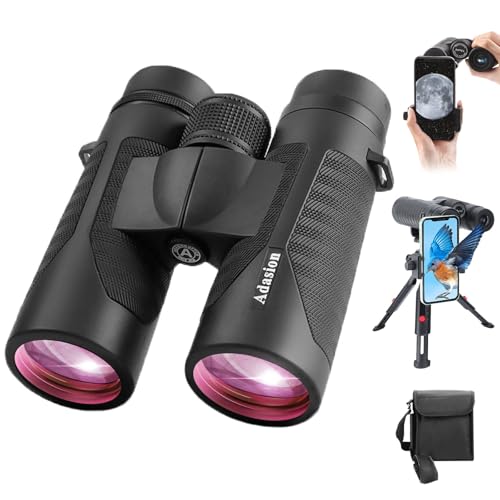
Hunters who glass distant ground: how to choose the best 12x binoculars for hunting by glass, exit pupil, sealing and support.
Twelve power brings distant animals closer than a 10x optic does, which helps when you judge antlers or pick movement out of brush. That reach brings tradeoffs in steadiness and brightness, so choosing the best 12x binoculars for hunting means matching the glass to your country and support.
This guide covers who benefits most from 12x and which specifications keep the view clear at dawn. Use the product table to compare the core numbers first.


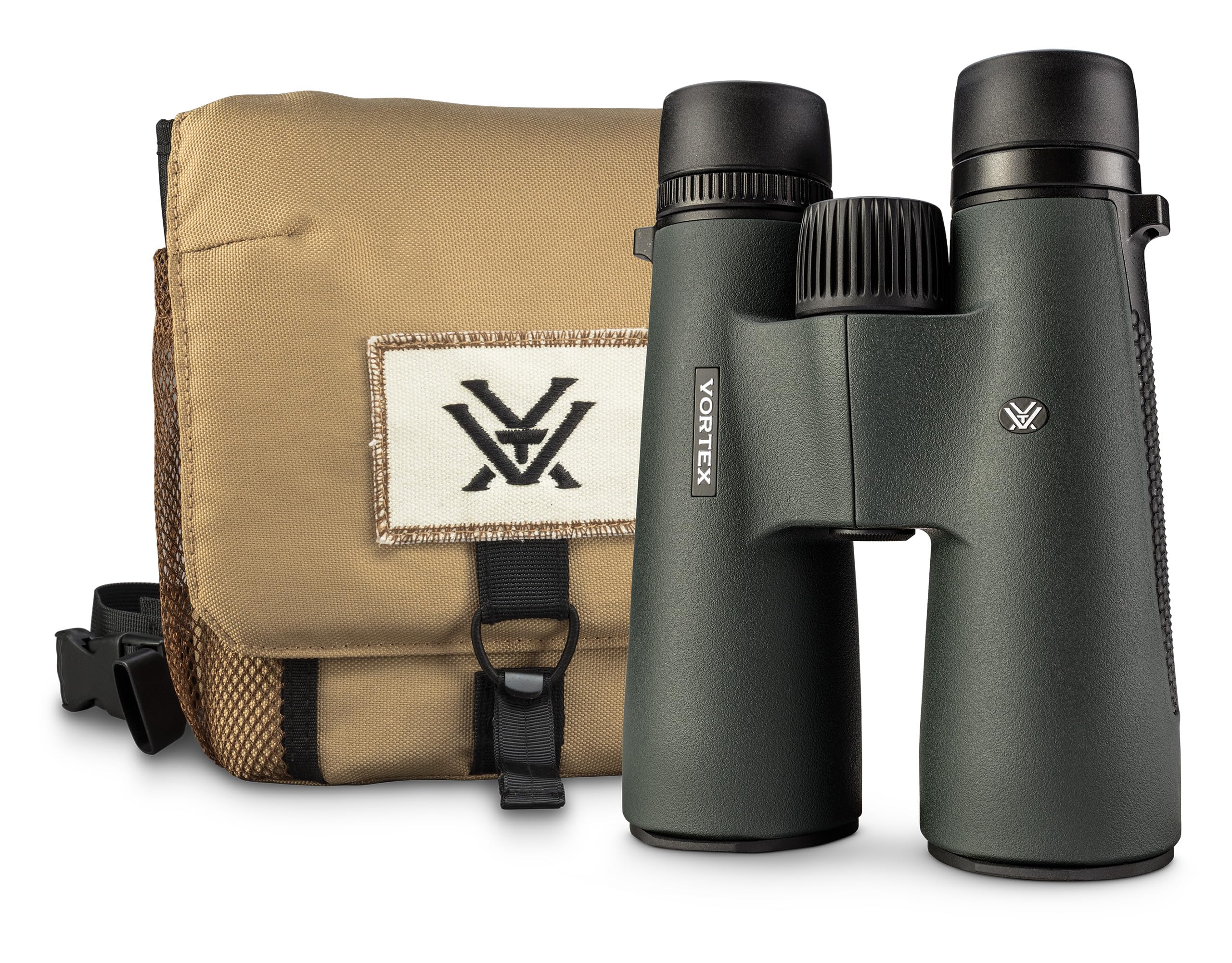


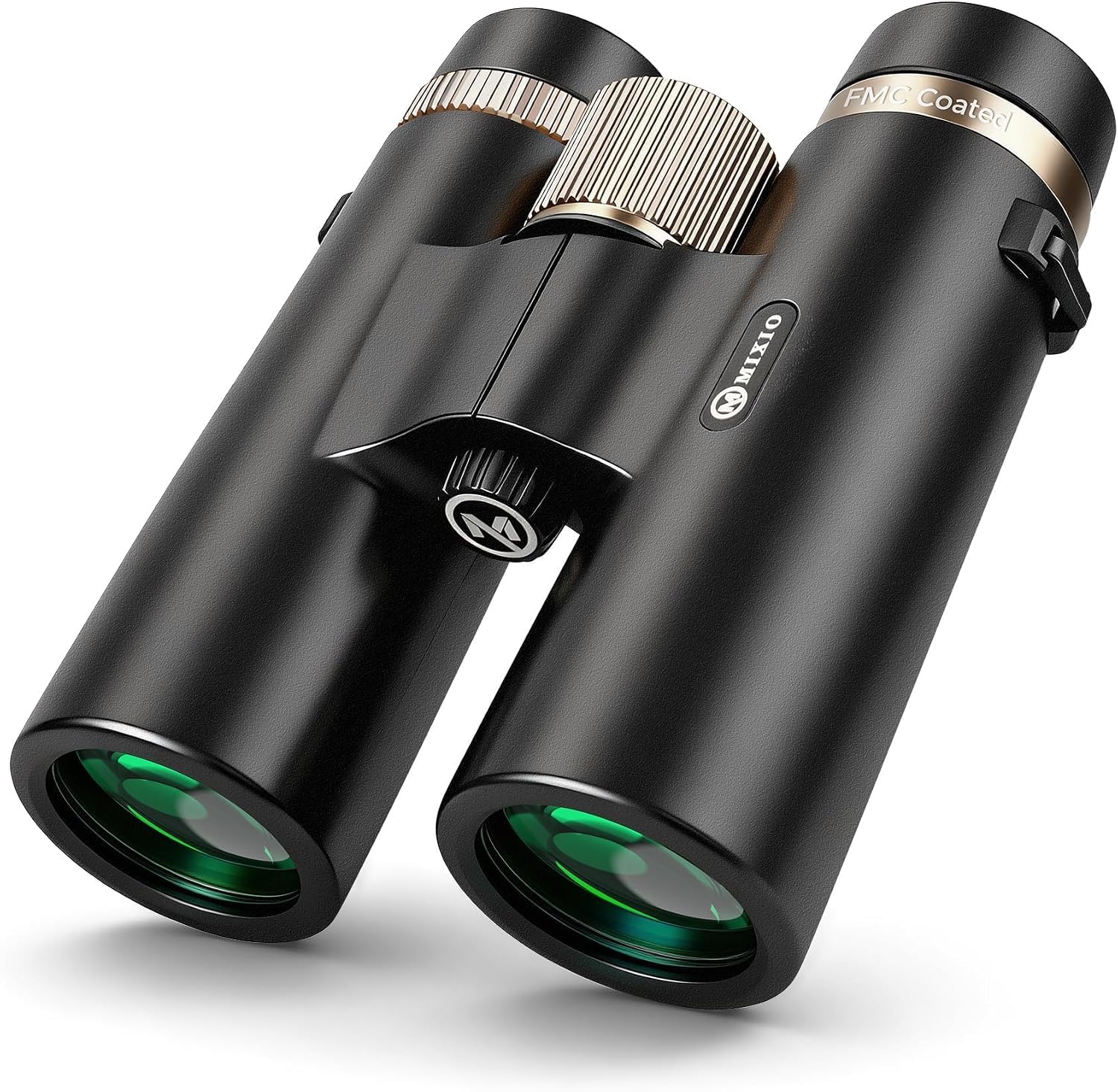

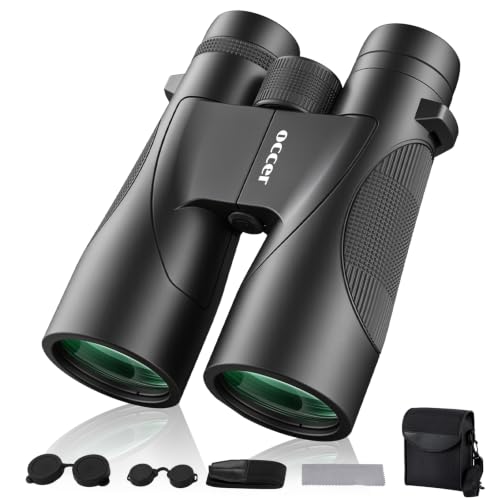
Who Should Buy 12x Binoculars for Hunting
Twelve power is a specialist choice. It rewards hunters who watch distant ground steadily, and it frustrates hunters who scan thick timber at close range.
Western Hunters Who Glass Open Country for Mule Deer and Elk
If you hunt basins or alpine slopes, you often glass animals 800 yards away or farther. The added magnification helps you judge body size and spot an ear flick in shadow. Glass seated or prone with elbows braced, and look for a tripod socket.
Stand Hunters Who Watch Far Field Edges and Cutovers
Stand and blind hunters overlooking a large field sit still for hours and study one edge where deer enter at last light. That stable posture reduces the shake that 12x normally magnifies, and the extra power helps you identify a buck before it steps into the open. If this is your season, see our guide to the best binoculars for deer hunting for whitetail focused advice.
Hunters Who Already Glass From a Tripod or Vehicle Window Mount
A tripod changes what 12x can do. Mounted glass stays steady for minutes, eye strain drops, and you can grid a slope slowly. Hunters who already carry a tripod for a spotting scope benefit most. Look for a threaded socket in the hinge and a weight your pack can carry easily.
Key Features to Compare
Start with the six factors below. They decide whether a 12x view stays bright and steady in real hunting light. Choosing the best 12x binoculars for hunting gets simpler once you know which factor matters most for your terrain.
Magnification, Steadiness and Field of View at 12x
Magnification of 12x makes a deer at 600 yards appear as if it stood about 50 yards away, but it also magnifies every tremor in your hands. It narrows what you see, so most 12x models show about 270 to 330 feet at 1,000 yards, less than typical 10x models. Choose 12x for still or slow moving game viewed from a braced position.
Objective Lens Size and Exit Pupil for Low Light
The second number in names such as 12x42 and 12x50 is the objective lens diameter in millimeters. Divide it by the magnification to get the exit pupil, the width of the light beam reaching your eye. A 12x42 gives about 3.5 mm, while a 12x50 gives about 4.2 mm, which looks brighter at dawn and dusk. Choose the larger lens if you glass mainly at first and last light.
Glass, Prism Coatings and Clarity in Shade and Glare
Clear glass matters more at 12x because you ask the optic to resolve fine detail, such as antler points against dark timber. Look for extra low dispersion glass, often shortened to ED glass, which reduces color fringing and keeps contrast stronger in shade. Roof prism models should also carry phase coating and fully multi coated lenses. Judge clarity by contrast in shade, not by resolution claims alone.
Focus Wheel, Eye Relief and Fit With Glasses
Eye relief of about 15 mm or more lets glasses wearers see the full view with the eye cups turned down, while shorter relief cuts off the edges. The center focus wheel should turn smoothly with a gloved finger, without grit or loose play. Set the barrel spacing so the two circles merge into one round image, and check that the diopter ring holds its setting.
Waterproofing, Fogproofing and Armor for Field Use
Choose binoculars rated waterproof and sealed with O rings, with the air inside replaced by dry nitrogen. That fill stops internal fogging when you move from a warm vehicle into cold air. A rubber armor coat gives grip with wet gloves and softens knocks against rocks and stands. Treat seals as weather protection, not drop protection.
Weight, Balance and Tripod Support for Long Glassing Sessions
Most 12x42 models weigh about 24 to 30 ounces, and many 12x50 models weigh about 28 to 36 ounces. A balanced binocular feels lighter during a long sit than a front heavy one of the same weight. Because arm fatigue builds quickly at this power, check for a tripod socket even if you usually hold the binoculars.
Types of 12x Binoculars for Hunting Compared
Twelve power binoculars come in a few distinct builds, mostly split by objective size and prism shape. Comparing types first helps you ignore models unsuited to your hunt.
Roof Prism 12x42 Binoculars for Packable Hunting
Roof prism 12x42 models are the most packable option in this power. Straight barrels keep the body slim, and the weight suits a chest harness. Their smaller exit pupil is the compromise, so the view dims sooner at dusk. This type fits mobile hunters who cover ground in moderate light. For a broader look at this power class, see our guide to the best 12x binoculars.
Roof Prism 12x50 Binoculars for Dawn and Dusk Glassing
A 12x50 roof prism model gathers more light and gives a larger exit pupil, which keeps the image usable deeper into twilight. The cost is size and weight, so most owners glass mainly from a fixed point. It suits hunters who plan their day around first and last light, so shortlist this type first if brightness decides your success.
Porro Prism 12x50 Binoculars for Wide Views on a Budget
Porro prism binoculars place the objective lenses wider apart than the eye pieces, which gives a strong sense of depth and bright views for less money than a comparable roof prism model. The wider body is bulkier in a harness, and this type suits glassing from a vehicle or a blind. If cost is your main limit, see our guide to the best inexpensive binoculars for hunting.
Common Mistakes to Avoid
- Buying 12x for thick timber where sightings stay under 100 yards, because the narrow view makes it slow to find close, moving animals.
- Choosing a 12x32 model for dawn hunting, because its tiny exit pupil gives a dim view exactly when game moves most.
- Judging binoculars only indoors under bright store lights, because glare and low light problems stay hidden until you try them at dusk.
- Carrying 12x binoculars on a thin neck strap, because the weight bounces while you walk and strains your neck.
- Ignoring eye relief when you wear glasses, because a short relief model cuts off the edge of the view and slows identification.
- Leaving the diopter unset after a first quick look, because a blurred barrel forces your eyes to strain during long sessions.
Care and Maintenance for 12x Hunting Binoculars
Good care protects coated glass and internal sealing. A few habits after each hunt will keep the view clear.
- Blow dust off the lenses first, then wipe gently with a clean microfiber cloth, because dragging grit across a coating can scratch it.
- Use a padded case in the field, and consider our guide to the best binoculars harness for hunting if your strap lets the binoculars swing.
- Let a wet binocular dry at room temperature with the caps off, because sealing moisture inside a case invites mold.
- Store the binoculars in a cool, dry place, because heat can age seals and lubricants.
- Check hinge tension and strap anchors twice a season, because looseness found at home is easier to fix.
For a wider view in timber, compare other powers in our guide to the best rated binoculars for hunting.
FAQ
What does 12x42 mean on hunting binoculars?
It means the binoculars magnify the view 12 times and each objective lens measures 42 mm across. The first number tells you magnification only, while the second hints at brightness and size. Many buyers also miss close focus, which on 12x models often sits around 8 to 12 feet and matters when a nearby track catches your eye.
Are 12x binoculars too shaky to hold by hand while hunting?
They are shaky for most people during long freehand viewing, but short, braced looks work well. Rest your elbows on your knees, a pack or a stand rail, and breathe out slowly before studying an animal. If you cannot keep a fence post steady in the view for ten seconds at home, plan on regular support in the field.
How does a 12x binocular compare with a 10x binocular for open country hunting?
A 12x model shows more detail on distant animals, while a 10x model usually gives a wider, brighter and steadier view. If you spend most of a hunt seated and glassing beyond 500 yards, the extra detail helps you pass on young animals with confidence. If you alternate between walking and quick scans, the wider 10x view often finds game sooner.
What should you check first when 12x binoculars arrive before a hunting season?
Check collimation first, meaning whether both barrels point at exactly the same spot. Look at a distant line such as a roof edge, then move the binoculars a few inches from your eyes while still watching it. The line should stay single and level rather than splitting. Also confirm both eye cups stay in position, because fit problems are easier to solve at home than at camp.
How much should you spend on 12x binoculars for a first hunting pair?
Most hunters find a workable first pair at about $150 to $400, with clearer glass as prices rise toward about $600 to $1,000. Spend on glass and sealing first. Keep part of the budget for a harness and a tripod adapter, because support improves a mid priced 12x view more than a small glass upgrade improves an unsupported one.
Final Thoughts
Choose 12x for distance and support rather than as an all purpose default. Match the objective size to your hunting light and demand sealed, fogproof construction. When those pieces line up, the best 12x binoculars for hunting will help you judge distant game calmly and clearly. Return to the product table to compare final candidates.


