
Best 12x Binoculars: A Buyer Checklist for 2026
Disclosure: We may earn a commission when you buy through links on this page, at no extra cost to you. As an Amazon Associate I earn from qualifying purchases. Learn more

Use this checklist for the best 12x binoculars to compare exit pupil, image shake, weight, eye relief, and glass quality across price bands before you buy.
A 12x binocular pulls distant detail close, but that extra power also magnifies every small hand movement and every weak spot in the glass. Buyers who run a short checklist before ordering end up with a pair they can hold steady and still see through at dusk. This guide turns the search for the best 12x binoculars into pass or fail checks, starting with the brightness number most shoppers skip.
Work through the checks in order, then compare the pairs in the product table against the ones you marked as must pass. Price comes last, because a low cost pair that fails the steadiness check costs more than a steady pair bought once.


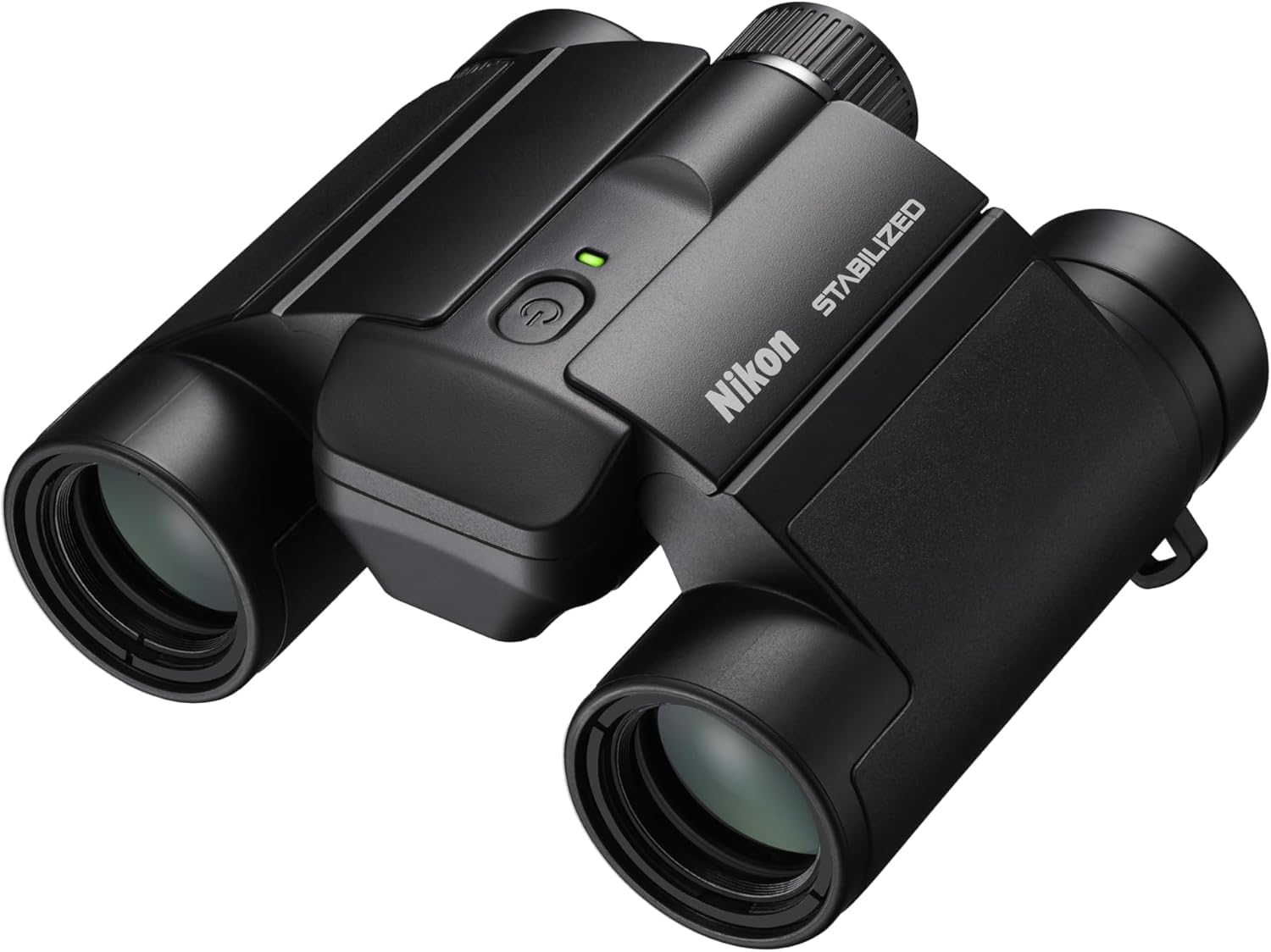


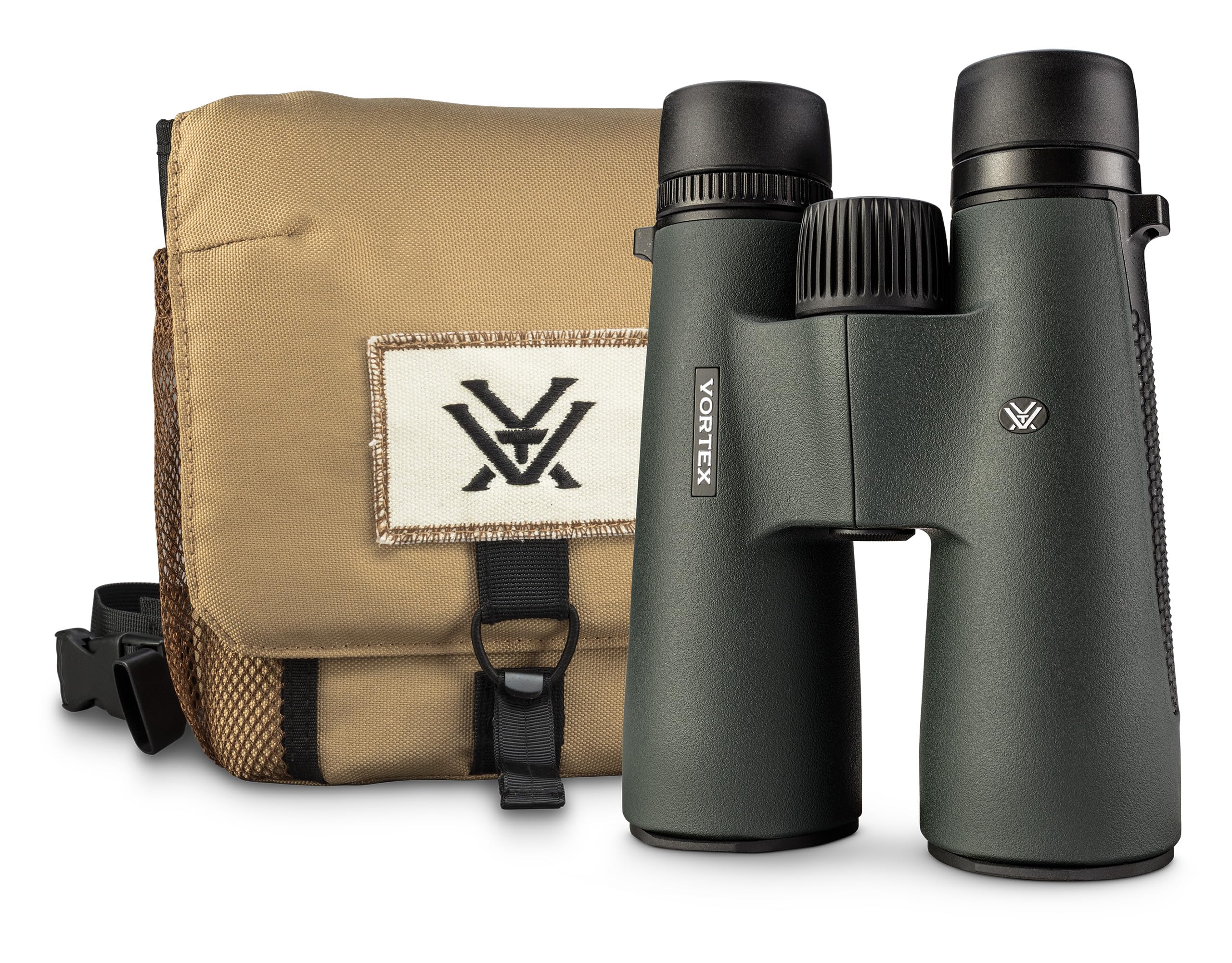
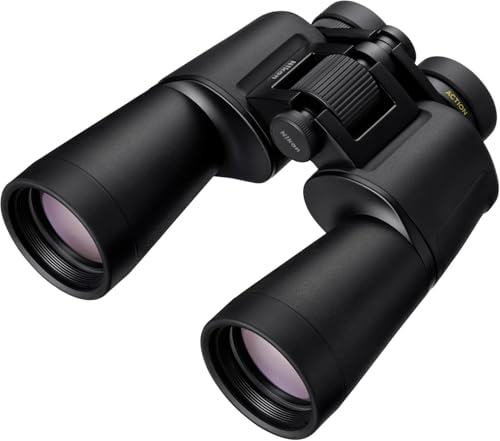

Who Should Buy Which 12x Binoculars?
Open Country and Shoreline Watchers
If you scan reservoirs, mudflats, and ridgelines where subjects stay far away, 12x power earns its keep because detail at distance is the whole job. You give up field width compared with 8x or 10x glass, so weight steadiness and brightness over a wide view. Readers who mostly watch at closer range should compare our guide to best binoculars for birdwatching, where field of view matters more than reach.
Birders Working Distant Flocks
Shorebirds on a far sandbar and raptors on a thermal are classic 12x work, since small markings decide an identification. Your weak point is shake, because a dancing image hides the detail you bought the power for. We keep a separate guide to best binoculars birding for readers who split time between close warblers and distant flocks.
Hunters Glassing Big Country
For western style glassing from a ridge or tripod, 12x reach helps you judge animals without walking miles to close the gap. If that is your main use, start with our companion guide to best 12x binoculars for hunting, which weights dawn brightness and carry systems more heavily. Pages under best rated binoculars for hunting collect shopper reports on focus feel and straps, so read them as owner opinions, never as measured results.
Key Features to Compare in the Best 12x Binoculars
Run each feature below as a yes or no check against the spec sheet. A pair that fails one of the first three checks rarely gets rescued by a low price.
Exit Pupil Comes First
Exit pupil is the objective size divided by the power, and it governs the brightness class of a 12x pair when light fades. A 12x50 gives about 4.2 mm, a 12x42 about 3.5 mm, and an 8x42 about 5.3 mm, which is why the lower power pair often looks brighter at dusk. Treat about 4 mm as a floor if you watch at dawn or under tree cover. In bright midday sun the gap matters less.
Image Shake and Steadiness at 12x
Shake is a steadiness class, not a defect: at 12x, your normal hand tremor is magnified twelve times along with the subject. Judge a pair by how you will hold it, since no spec sheet can measure your hands. Leaning on a fence, sitting with elbows on knees, or mounting the binocular on a tripod changes the result more than a small price step does. Image stabilized models form their own class and cost more, but they are the one upgrade that cancels shake.
Weight and How You Carry the Glass
Weight at 12x is a carry class question, because bigger objectives and stronger housings push many pairs toward about 28 to 36 ounces. That load hangs on your neck all day, so how you carry it decides comfort as much as the number on the box. A padded strap suits short walks, while a chest harness spreads the load for hills and long glassing sessions.
Eye Relief for Glasses Wearers
Eye relief is the distance your eye can sit behind the eyepiece and still see the full field, and it is read as a glasses class spec. Glasses wearers should look for about 15 mm or more, plus eyecups that twist down so your lenses can get close. Too little eye relief shows up as black edges that cut the view into a tunnel.
Glass, Coatings, and the Focus Wheel
Coatings decide how much light survives the trip through the prisms, so look for glass described as fully multi coated on all air to glass surfaces. ED glass elements form a step up class that keeps colored fringes off bright edges like white birds against sky. The focus wheel should turn smoothly with one finger and cover near to far in about one full turn. Gritty or stiff focus is a flaw you can feel in the store before money changes hands.
Sealing and Build Quality
A pair sealed against water and filled with dry gas will not fog from the inside when you step from a warm car into cold air. Rubber armor absorbs the knocks that knock cheaper pairs out of alignment. Check that the hinge holds its angle without creeping and that the diopter ring stays where you set it.
What Your Money Gets You
Starter Glass: About $70 to $150
Entry pairs usually use simpler coatings and smaller objectives, so brightness and edge sharpness sit a class below the middle band. They suit occasional use at ball games, travel, and bright daylight scanning. Skip any model at this price that hides its exit pupil or field of view numbers.
Middle Band: About $150 to $350
This is where most buyers should land, because coatings, sealing, and focus wheels all improve at once. Expect fully multi coated glass, waterproof housings, and eye relief that works with glasses. The jump from the starter band is visible at dusk, which is exactly when a 12x pair is hardest to use well.
Premium Glass: About $350 to $700
Premium money buys ED elements, wider fields for the power, and mechanics that stay smooth for years. The gains are real but smaller than the step from starter to middle. Pay this much when glassing is a weekly habit rather than a yearly trip.
Quick Buyer Checklist
- Is the exit pupil about 4 mm or larger for the light you watch in?
- Can you hold the image steady for a full minute without bracing?
- Does the weight suit how far you carry the pair on a normal outing?
- Is eye relief about 15 mm or more if you wear glasses or sunglasses?
- Is the glass described as fully multi coated on all surfaces?
- Is the housing sealed against water and internal fogging?
- Does the focus wheel turn smoothly through its whole range?
Red Flags to Watch For
The biggest red flag is a spec sheet that shouts about magnification while hiding exit pupil, eye relief, and field of view, because honest makers publish all of them. Be wary of zoom claims on a fixed power listing, of armor dressing up a housing with no sealing behind it, and of warranties that cover only a few months. Star scores need care too: pages such as best rated binoculars gather shopper reports about hinges and straps, and those reports are owner opinions, never bench measurements of optical quality.
How to Make Your 12x Binoculars Last Longer
Clean lenses with a soft brush and a lens cloth, never a shirt tail, because grit dragged across a coating leaves fine scratches. Store the pair in a dry padded case with caps on, away from car trunks that bake in summer. Check strap lugs every few months, since a worn lug causes most dropped pairs. If the view doubles after a knock, send the pair for collimation service instead of forcing your eyes to merge it.
12x Binoculars: Questions Answered
Can I use 12x binoculars on a boat?
You can, but a 12x pair is a poor first choice on moving water. The boat adds its own motion on top of your hand shake, and the narrow field makes a subject hard to find again once it leaves the view. Most skippers keep a 7x or 8x waterproof pair on board and save 12x glass for shore use. If you only own the 12x, sit low, brace on the cabin, and scan in short passes.
Do 12x binoculars work for the moon and bright planets?
Yes, 12x is a pleasant power for the moon, and it shows the four bright moons of Jupiter as tiny points on a steady night. A tripod or a car roof to lean on helps, because lunar detail is where shake shows first. Faint galaxies stay out of reach, since that work needs far larger lenses. For casual sky watching from a campsite, though, a 12x pair you own beats a telescope left at home.
What does the diopter adjustment on a binocular do?
The diopter ring corrects the focus difference between your two eyes, which many new owners never set. Focus the left side with the center wheel while the right eye is covered, then focus the right side with the diopter ring alone. Once set, leave the ring alone and use only the center wheel. If the ring keeps drifting from its mark, that looseness is a build warning worth noting before a return window closes.
How can I tell if a used binocular is out of alignment?
Look at a straight horizontal edge, like a roof line, then pull the binocular slowly away from your eyes while still watching it. If the edge splits into two lines at different heights, the optics are out of collimation and your eyes have been straining to merge them. Headaches after short sessions are another sign. Minor misalignment can be serviced, but on a used pair the repair often costs more than the price, so walk away.
What close focus distance should I look for in a 12x binocular?
Look for a close focus of about 10 feet or less if you watch butterflies, dragonflies, or birds at a feeder. Many long range 12x pairs stop at about 15 to 20 feet, which is fine for shoreline and ridge work but frustrating in a garden. The spec is printed as minimum focus distance. Match it to your closest typical subject, not to the best number on the page.
Wrapping Up
Three checks decide most of your satisfaction with 12x glass: an exit pupil of about 4 mm or more, a hold you can keep steady, and a weight your neck accepts for a full outing. Run the checklist, match the price band to how often you go out, and compare your short list against the product table above. Chosen that way, the best 12x binoculars for you are the pair that passes every check you need.


