Best 12000 Btu Portable Air Conditioners (2026): Types, Sizing and Buying Tips
Disclosure: We may earn a commission when you buy through links on this page, at no extra cost to you. As an Amazon Associate I earn from qualifying purchases. Learn more
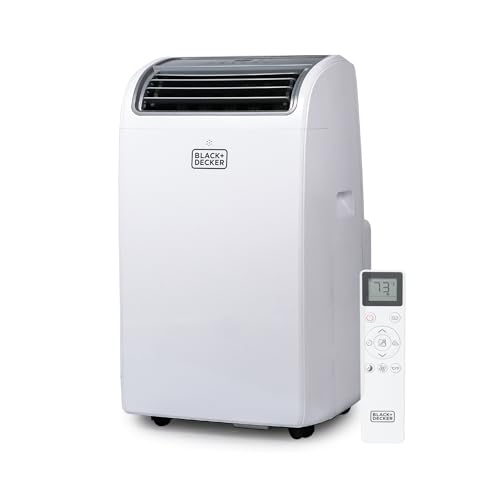
How to choose the best 12000 btu portable air conditioner: hose type, SACC rating, room coverage, noise and budget.
Two portable air conditioners with the same Btu label can cool very differently in your room. Hose design, the newer SACC rating, noise, and drainage all change the result. This guide helps you find the best 12000 btu portable air conditioner for your space by comparing types on coverage, performance, and running cost. Use the product table on this page to check the key specs before you read the details.
If you are still deciding whether this size class fits your home, our guide to the best portable air conditioner covers the wider range of sizes.
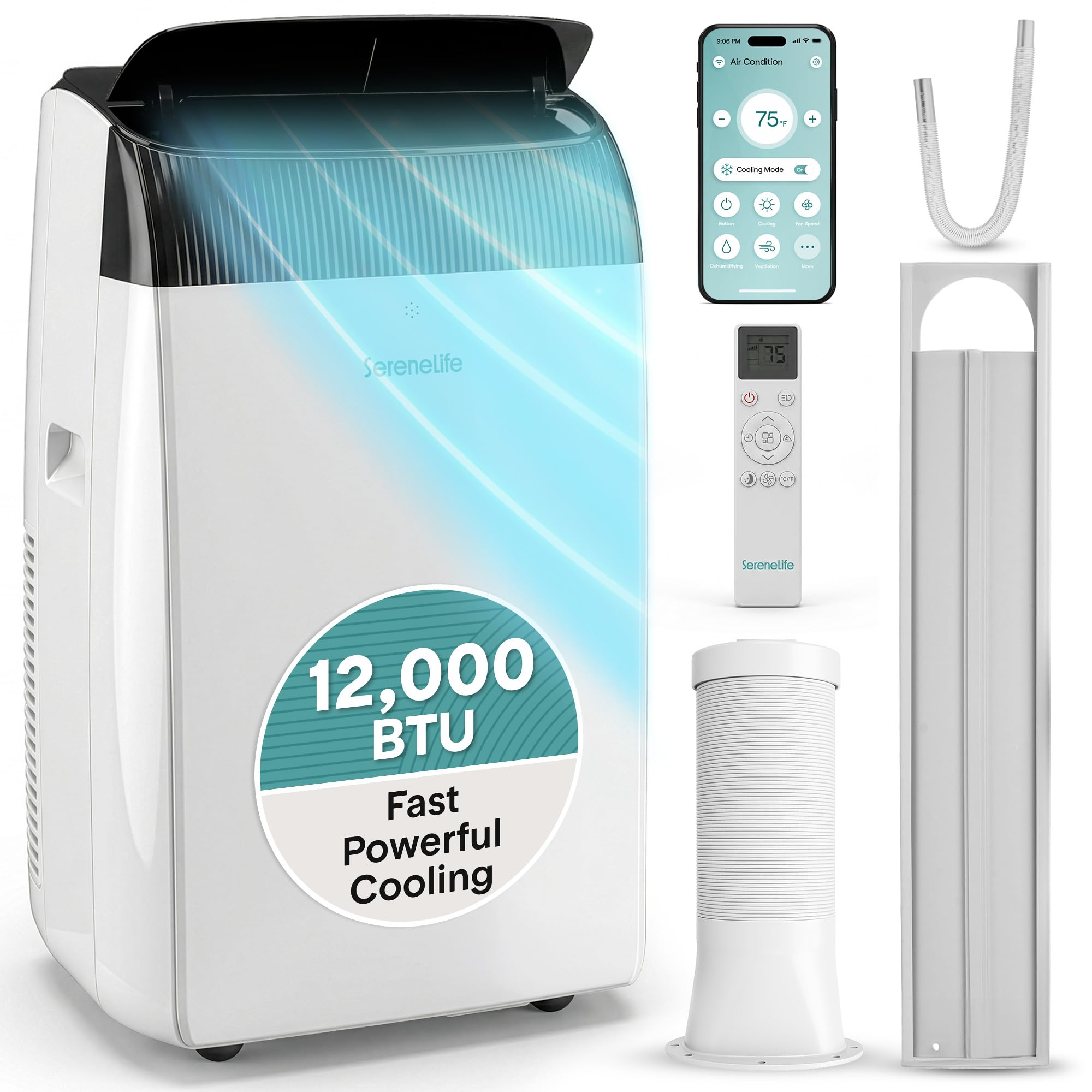

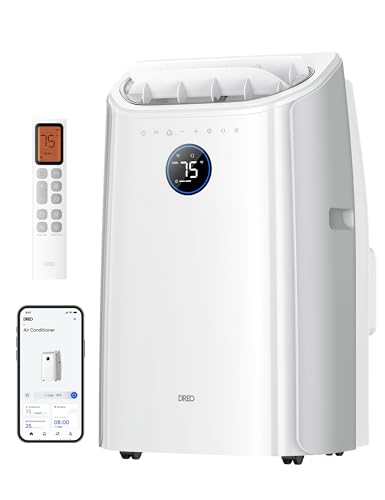
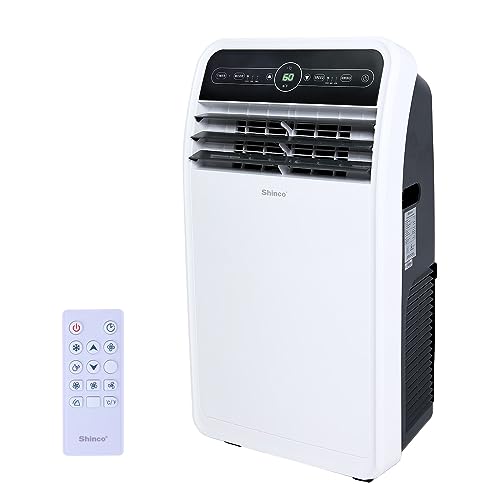
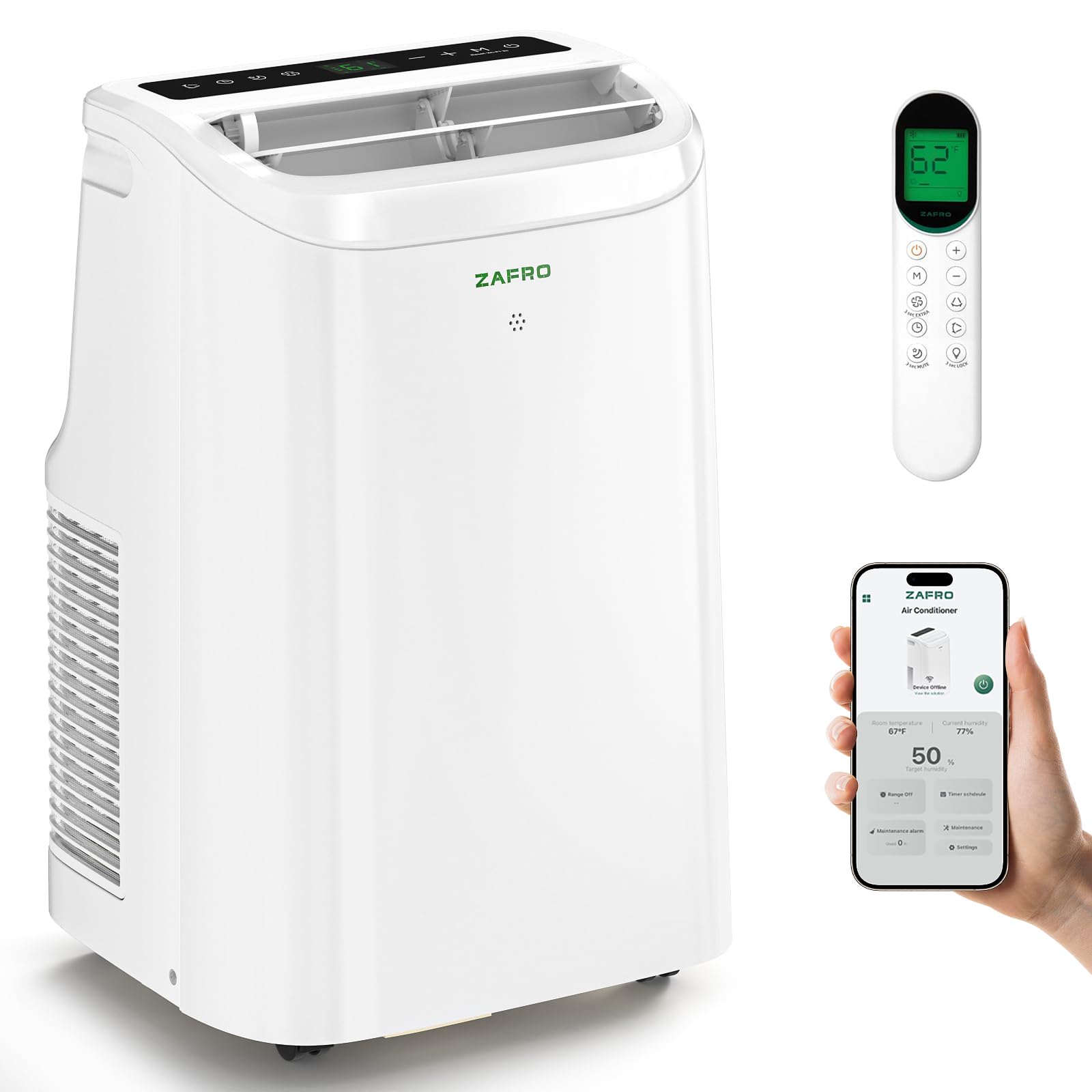
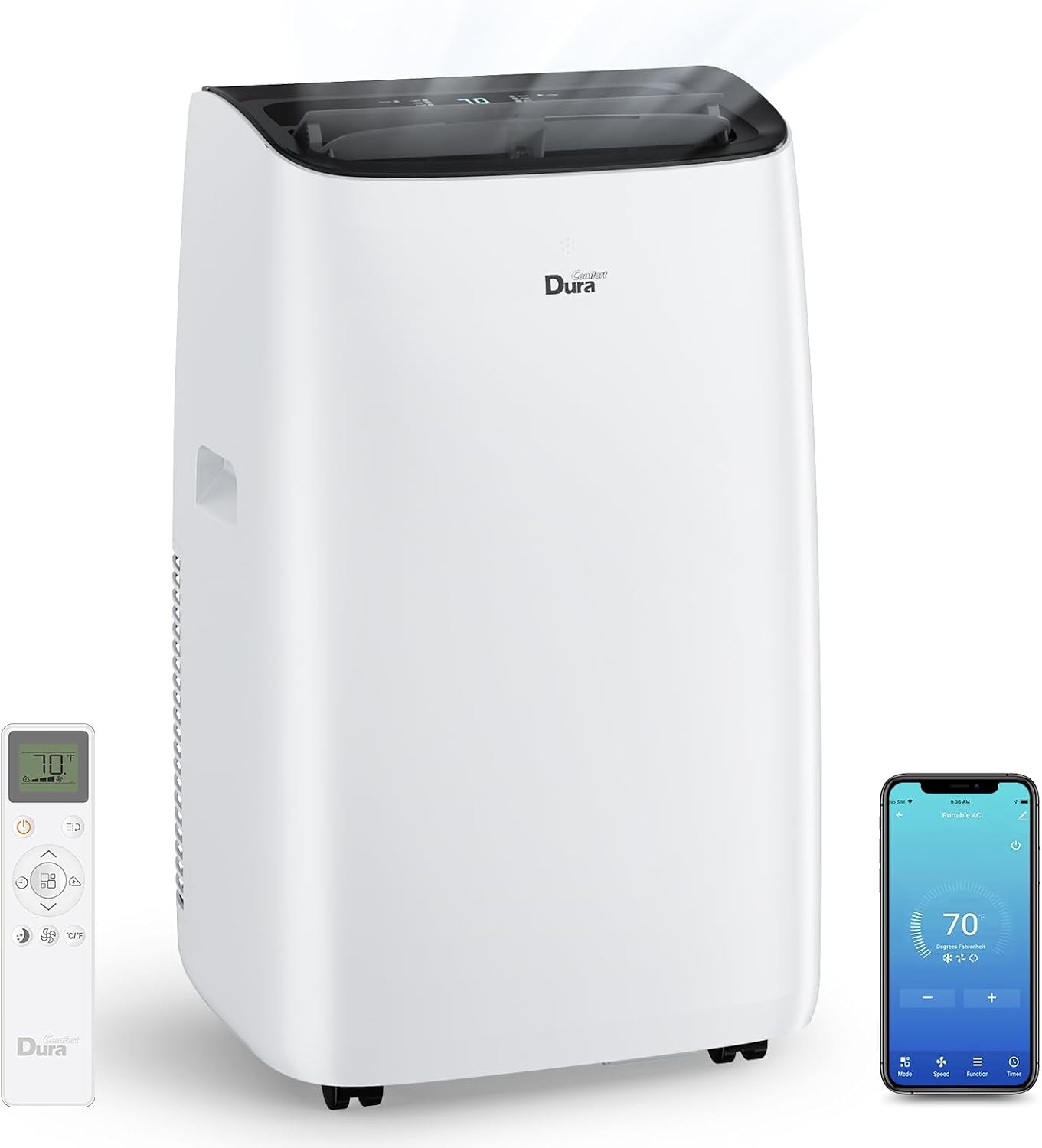
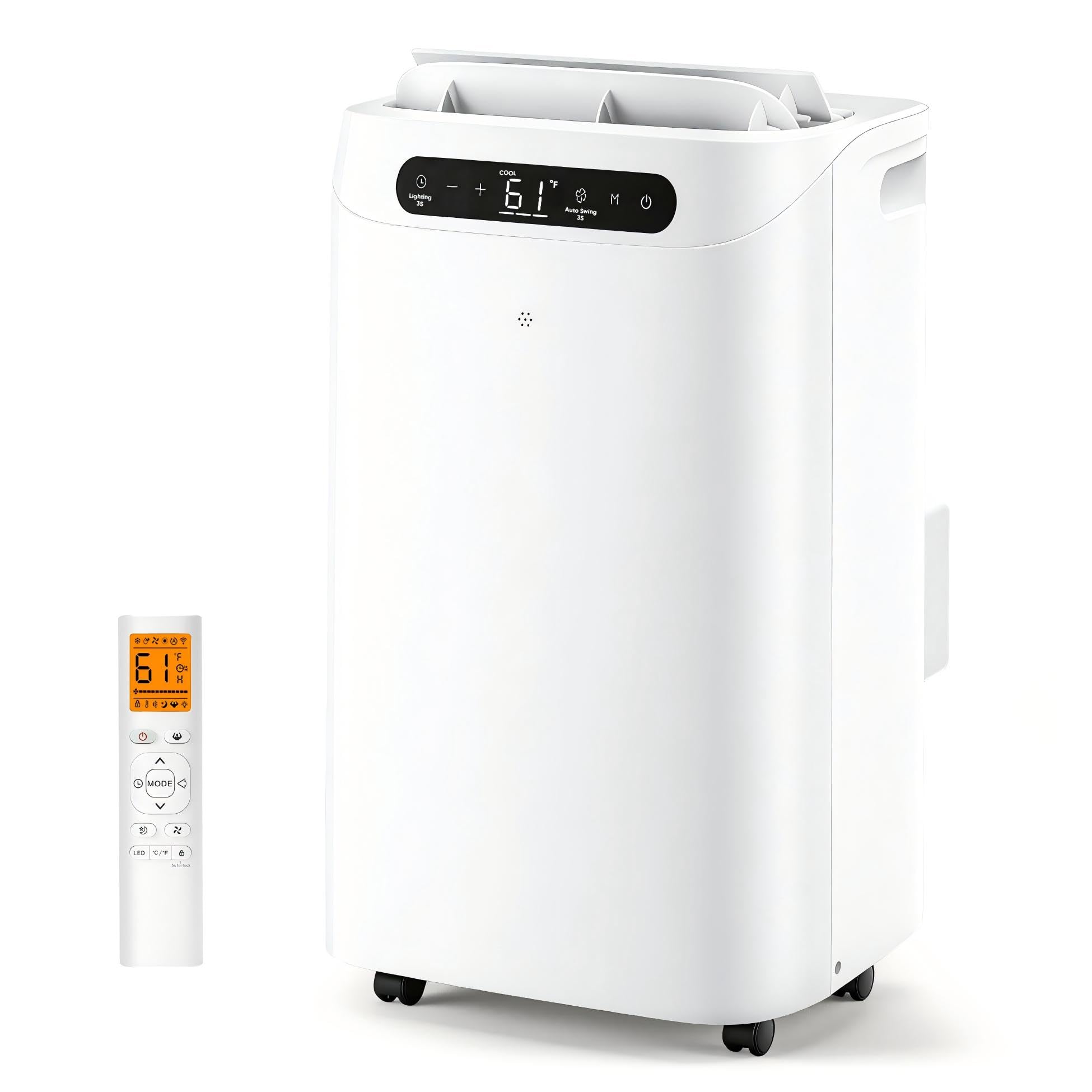
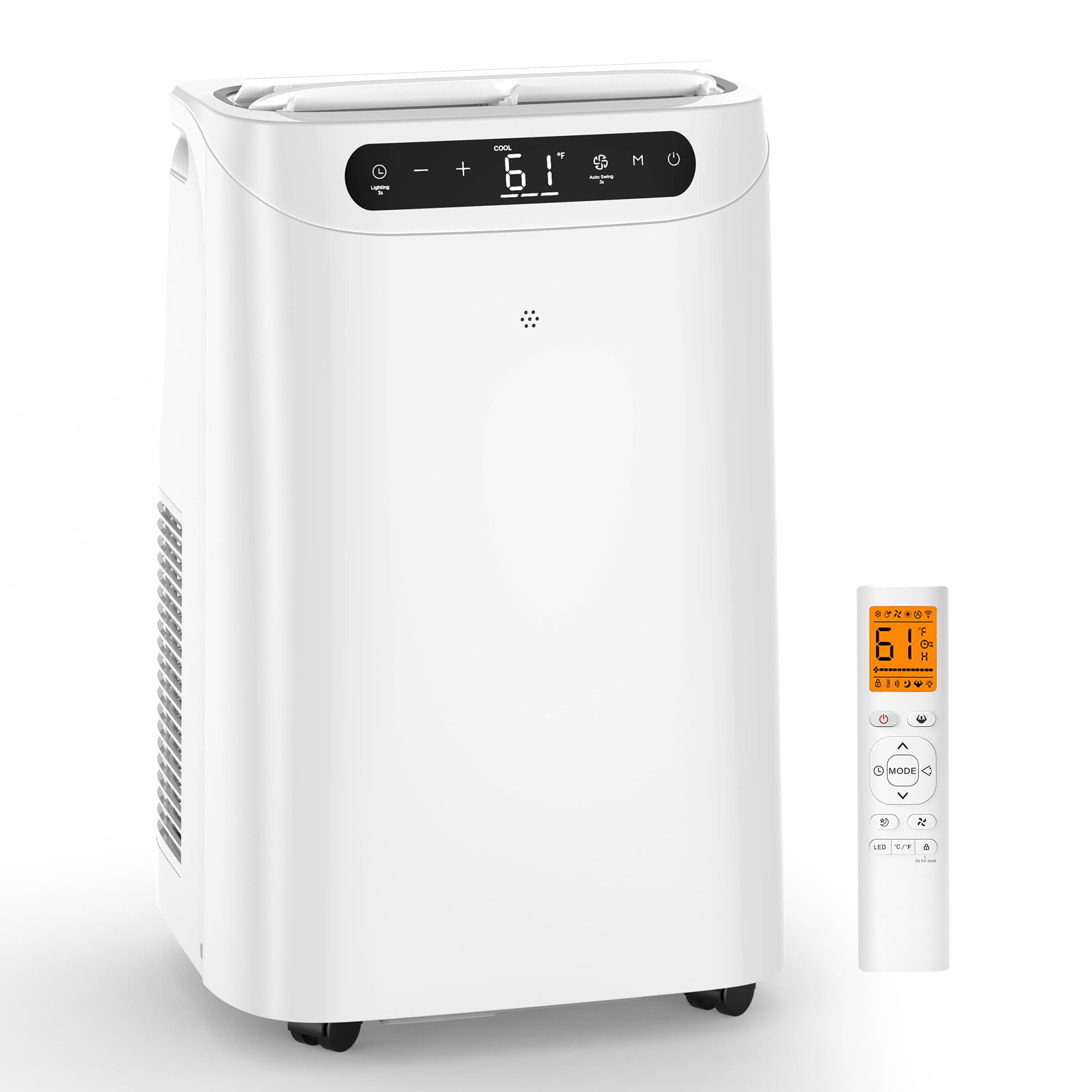
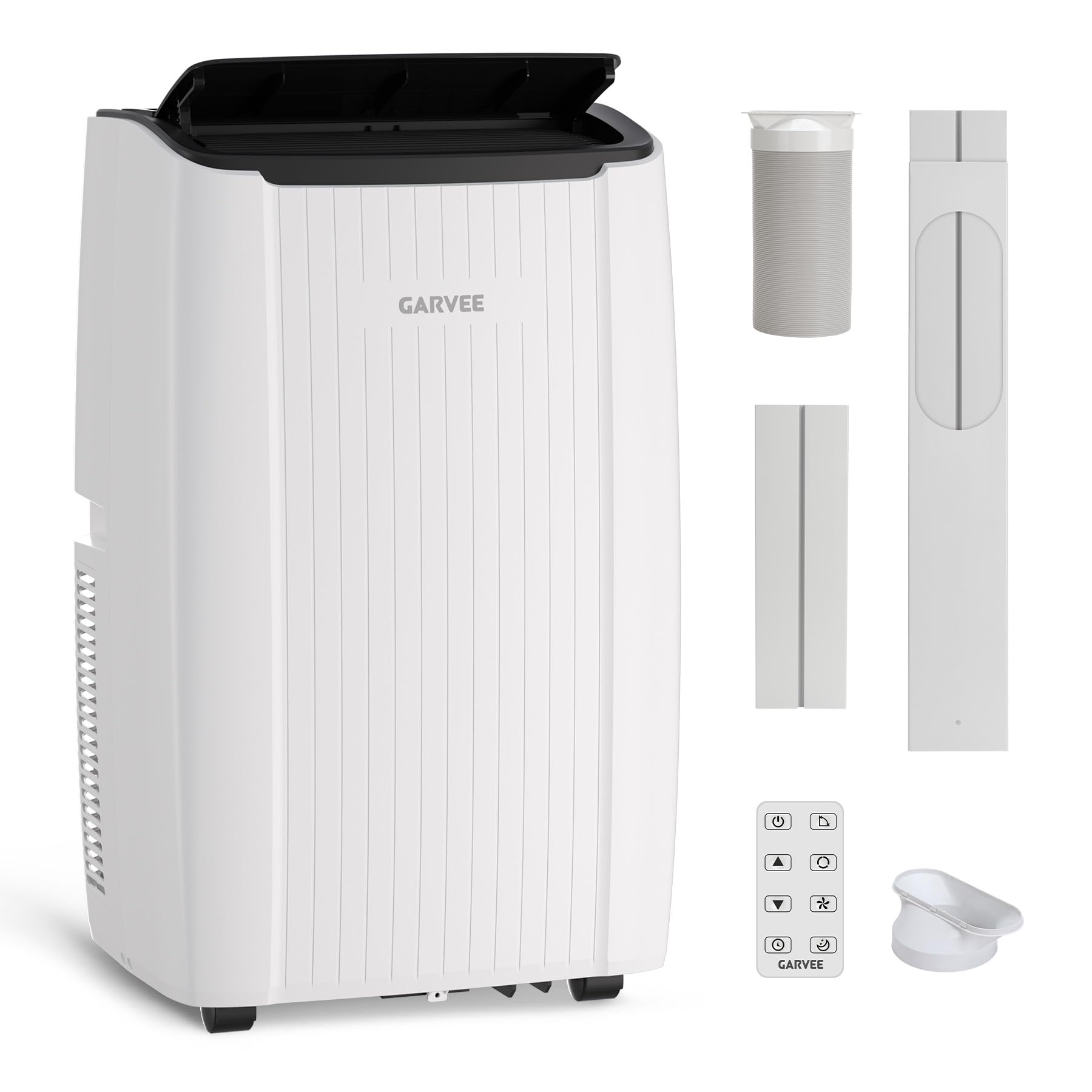
Portable Air Conditioner Types at a Glance
Three designs dominate this size class. Single hose models cost the least and set up fastest. Dual hose models cool faster and waste less cooled air. Inverter models run more quietly and hold a steadier temperature.
- Single hose: one exhaust hose, lowest prices, good for moderate heat.
- Dual hose: separate intake and exhaust hoses, better efficiency in hot and humid weather.
- Inverter: a compressor that slows down instead of switching fully off and on, giving quieter and steadier cooling.
Three Types Compared for This Size Class
Single Hose Models: The Simple and Lower Cost Type
A single hose unit pulls air from the room, cools part of it, and pushes the hot portion outside through one hose. Because that air leaves, warm air gets drawn in through gaps around doors. Cooling still works well in a closed room of moderate size, but the unit runs longer on very hot days. You gain the easiest setup and the lowest prices in this class.
Dual Hose Models: The Faster Cooling Type
A dual hose unit draws air for its hot side from outdoors and sends it back outside, so cooled room air stays in the room. That closed loop means less warm air sneaks in, and the room reaches your set temperature sooner in strong heat. The trade off is a bulkier hose setup, a heavier body, and a higher price. If your room gets afternoon sun or your summers are humid, start with the best dual hose portable air conditioner options and compare their SACC ratings first.
Inverter Models: The Quieter and Steadier Type
An inverter compressor changes speed to match the cooling the room needs instead of cycling between full power and off. Once the room nears your target, the compressor eases back, so temperature swings shrink and the sound level drops. That matters during sleep, calls, and long work sessions near the unit. Inverter models usually cost more up front. Choose this type when the unit will run many hours a day and quiet operation matters as much as cooling power.
How to Evaluate a 12000 Btu Portable Air Conditioner
Judge every model on the same six points so the Btu number does not hide real differences. Check coverage using both the traditional Btu figure and the SACC rating, then look at performance in humid weather. Compare noise at the lowest fan speed, not only the headline figure. Review energy use, filter and tank upkeep, and extras such as a remote, a timer, and WiFi control.
How to Choose the Right Portable Air Conditioner
Size and Form Factor
Units in this class are tall floor units on caster wheels, and most need about 18 to 20 inches of floor width plus clear space in front for airflow. Measure the spot before you order, including the path the exhaust hose will take to the window. A shorter and straighter hose run cools better than a long and bent one. Check that the window kit can seal your opening without large gaps.
Choosing a Type for Your Venting Setup
Your window and your lease often decide the type for you. A standard sliding or hung window accepts most kits in minutes. Casement windows that swing out need a fabric seal kit made for that style, and some rentals ban visible venting at all. Confirm these fit questions first, because a powerful unit you cannot vent is no use to you.
Features Worth Paying For
A dehumidifier mode earns its cost in damp climates, since drier air feels cooler and the mode can run without full cooling on mild days. A heater mode adds value only if your room needs spot heat in winter. WiFi control helps when you want the room cool before you get home, and a simple remote covers most other needs. A sleep timer and auto restart after a power cut are worth more than extra fan speeds you will rarely use.
Room Size and Coverage Ratings
Makers often list this class for rooms of about 400 to 500 square feet, but that figure assumes average ceilings, decent insulation, and modest sun. Read the SACC rating on the energy label as well, because it reflects portable unit losses and usually lands well below the headline Btu number. Sun, cooking, and several people and screens all add heat and shrink the area a unit can handle. Near the top of the range, pick the stronger SACC rating rather than a cheaper unit with the same headline Btu.
Running Cost and Energy Use
Most units in this class draw roughly 1000 to 1300 watts while the compressor runs, so hours of daily use show up clearly on your bill. The CEER rating on the energy label lets you compare efficiency across models, and a higher number means more cooling per watt. You can trim cost by cooling only the room you occupy, sealing the window kit well, and raising the set temperature by a degree or two.
Noise Levels for Bedrooms
Expect sound in the low 50s decibels on low fan for many models, rising into the high 50s or more on high. Place the unit on a flat and firm floor, keep the hose short, and leave space behind it so panels do not rattle. If you shop mainly for night use, compare sleep mode figures in our guide to the best portable air conditioner for bedroom.
Filters, Tanks, and Maintenance
A washable mesh filter sits behind a panel on the back or side, and dust on it cuts airflow and cooling within weeks in a busy room. Rinse it, let it dry fully, and refit it on a regular cycle during the cooling season. Most units evaporate much of the water they collect, but humid days can fill an internal tank and trigger a shut off until you drain it. Our guide on how to clean a portable air conditioner covers the full routine.
How Much Should You Spend?
Basic single hose models in this class start at about $300, and paying about $300 to $400 usually brings a better window kit and a longer warranty. Spending about $400 to $550 is where dual hose designs and stronger SACC ratings become common. Above about $550, you mostly pay for inverter compressors, lower noise, and smarter controls rather than more cooling.
Is a 12000 Btu Portable Air Conditioner the Right Size for You?
This size fits a large bedroom, a living room, a studio main space, or a home office with heat from several screens. It suits renters who cannot install a window unit. It is more than you need for a small bedroom, where a smaller unit will cycle properly and use less power. For those rooms, see the best portable air conditioner for small room options instead.
Oversizing is a real problem with portable units. A unit that cools the air fast and then stops leaves humidity behind, so the room feels clammy at the right temperature. Undersizing fails the other way, with the compressor running nonstop and never catching up. If you are torn between this size and a window unit, our comparison of portable ac vs window ac explains where each one wins.
- Good fit: one room of about 400 to 500 square feet, average sun, and a window you can vent.
- Borderline: the same size room with strong sun, poor insulation, or cooking heat, where a dual hose model helps.
- Poor fit: open plan spaces, two rooms at once, or an uninsulated garage in peak summer heat.
Common Mistakes to Avoid
- Trusting the headline Btu alone: two units with the same Btu can have very different SACC ratings and cool at different speeds.
- Leaving gaps in the window kit: warm air pours in around a loose panel and cancels much of the cooling you paid for.
- Extending the exhaust hose: a longer hose radiates heat back into the room, so keep the run short.
- Placing the unit in a corner: blocked intake air lowers output and raises noise, so leave clear space on all sides.
- Ignoring the drain plan: a full tank stops cooling at the worst moment, so know how your unit drains before a humid spell.
- Cooling with doors wide open: the unit ends up fighting the whole home instead of conditioning one closed room.
FAQ
What is the best 12000 btu portable air conditioner?
The best choice depends on your room more than on any single ranking. A dual hose model with a strong SACC rating suits hot and sunny rooms, while an inverter model suits bedrooms and long daily use. Before you order, measure your window opening and check that the kit style matches your window. That fit check prevents the most common return reason for this product, a vent kit that cannot seal the window you have.
What size portable air conditioner do I need?
Start with your room area, then adjust for the heat loads inside it. A room of about 250 square feet needs far less than this class, while a room near 500 square feet needs this size or more. Add capacity in your planning for a wall of glass facing the afternoon sun or a room above a hot garage. When two sizes both seem plausible, room conditions, not floor area alone, should make the call.
How long does a portable air conditioner last?
Most portable units serve for about 5 to 10 years, with the range set by daily hours, dust, and how clean the filter and coils stay. Signs of decline include cooling that fades across a season and rattles that grow louder. A unit that trips your breaker often needs a professional check rather than repeated resets. Replacing a worn unit usually costs less than a major compressor repair out of warranty.
Is a portable air conditioner worth it?
It is worth it when a window unit is banned by a lease or building rule, when the window shape will not hold one, or when you need cooling you can roll to another room. It is harder to justify for a fixed room you cool all summer, since window units cool the same space for less energy. Renters who move often get extra value, because one portable unit can follow them to the next home.
How do you clean a portable air conditioner before storage?
End of season cleaning decides how the unit smells and performs next summer. Run the fan only mode for an hour or so to dry the inside, drain all water, wash the filter, and wipe the tank area before you cover the unit. Store it upright in a dry spot with the hose loosely coiled, since sharp folds can crack the hose over time. A unit stored damp often grows mildew that is hard to remove later.
What is the most reliable portable air conditioner brand?
No single brand wins on reliability across every model line, and published failure data for this category is thin. A longer compressor warranty, a service network near you, and ready access to spare hoses, filters, and window kits matter more than a name. Read recent buyer reports for patterns such as repeated control board faults on one model. Choosing a current model with strong parts support protects you better than chasing a brand label.
Final Thoughts
Start with your room size and sun load, choose the hose or inverter design that fits how you will use the unit, then compare SACC ratings, noise, and drain options within your budget. That order of decisions will lead you to the best 12000 btu portable air conditioner for your home far more reliably than the headline Btu alone. Before you buy, look back at the product table above and confirm the window kit, the noise figure, and the warranty on the models that match your type.