Best 9000 Btu Mini Splits: Buying Guide for Small Rooms
Disclosure: We may earn a commission when you buy through links on this page, at no extra cost to you. As an Amazon Associate I earn from qualifying purchases. Learn more

The best 9000 btu mini split fits a room of about 250 to 400 square feet. Compare DIY, standard and cold climate types by noise, efficiency and cost.
Choosing a small ductless system feels confusing because two units with the same rating can differ a lot in noise, winter heat, and install cost. The best 9000 btu mini split for your room is the one that matches your space, your electrical supply, and the way you plan to install it. This guide compares three types by coverage, performance, and noise so you can narrow the field fast, and the comparison table below sums up the key specs side by side.
Start with room size and install path, then look at efficiency and sound. Our guide to the best mini split systems covers larger sizes and multi room setups as well.


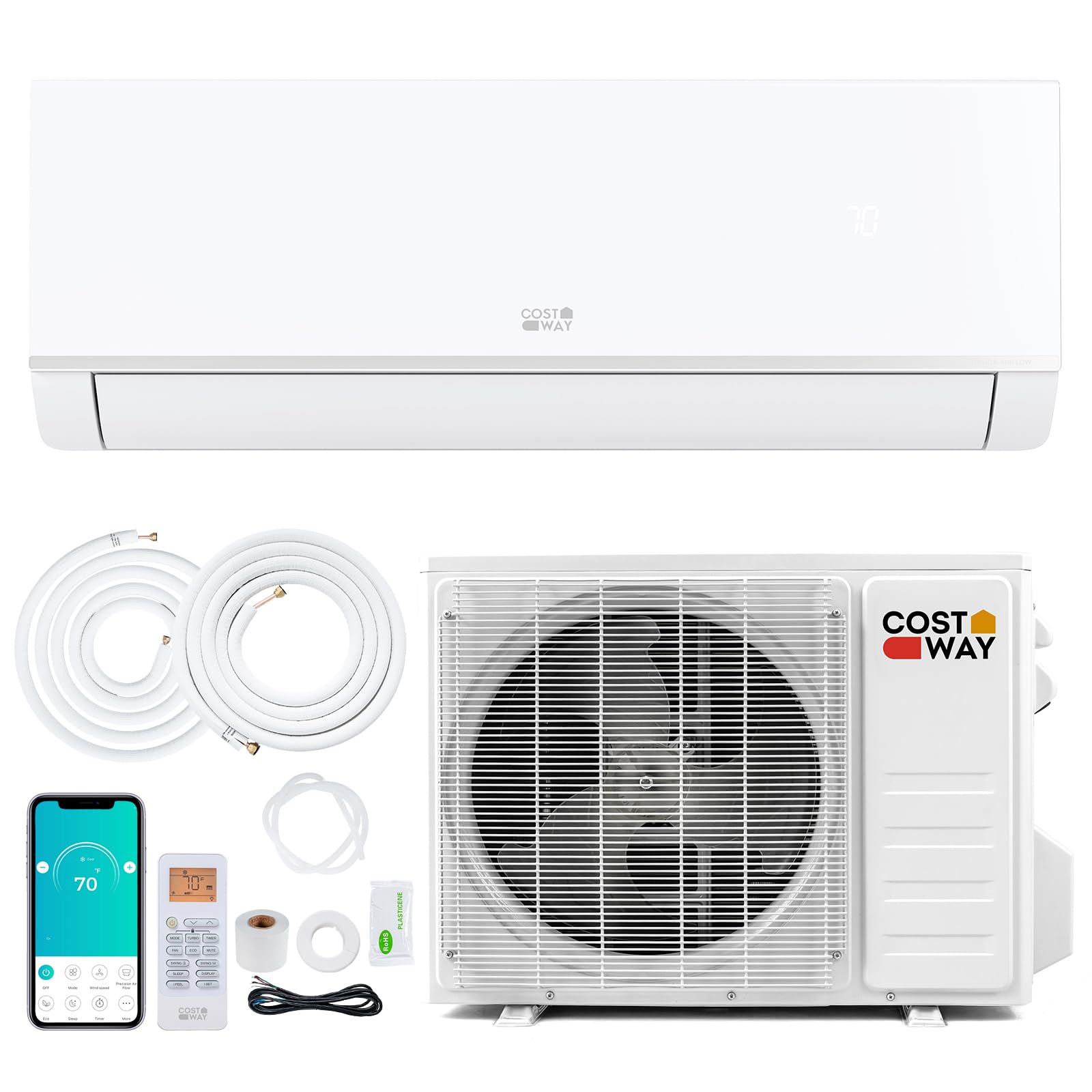
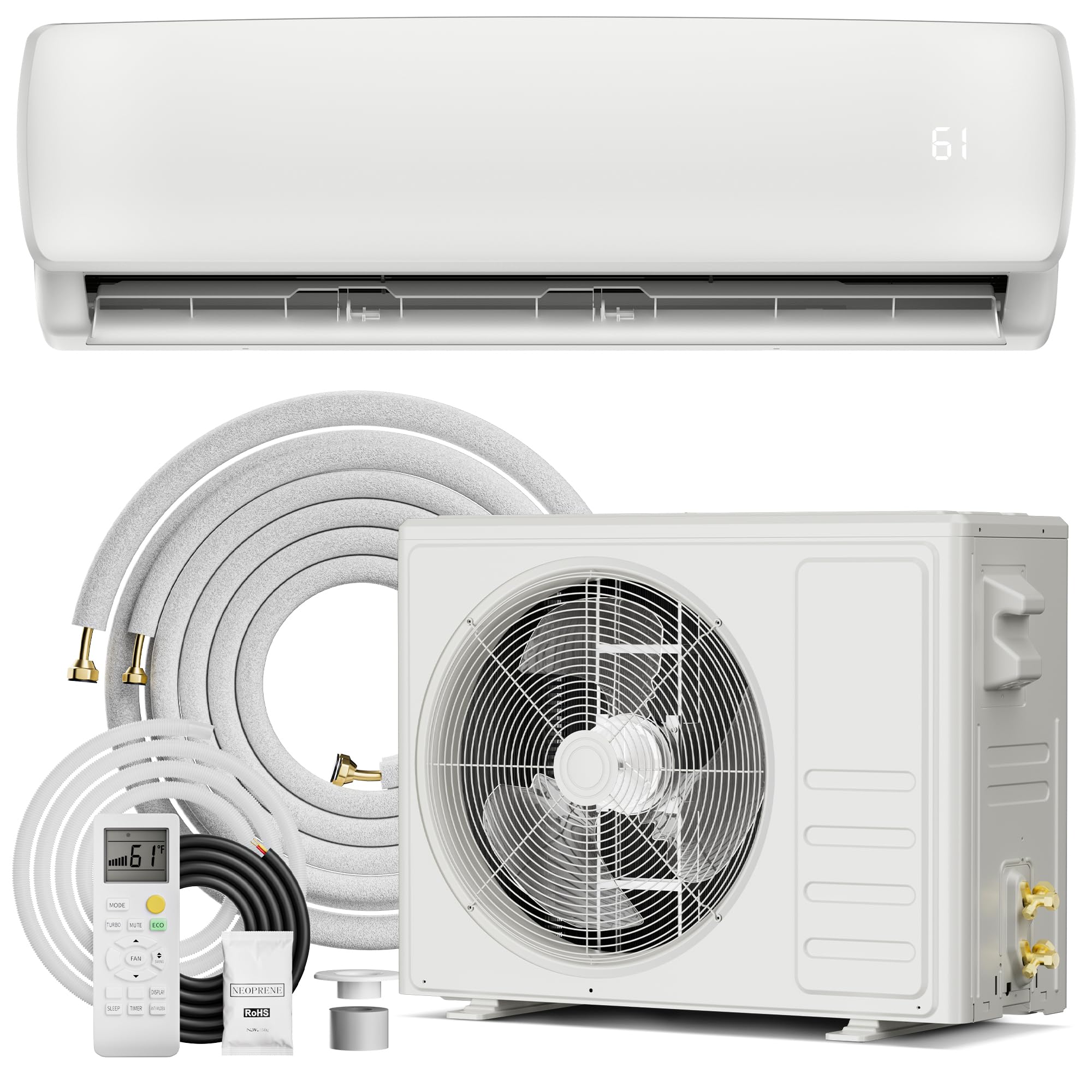


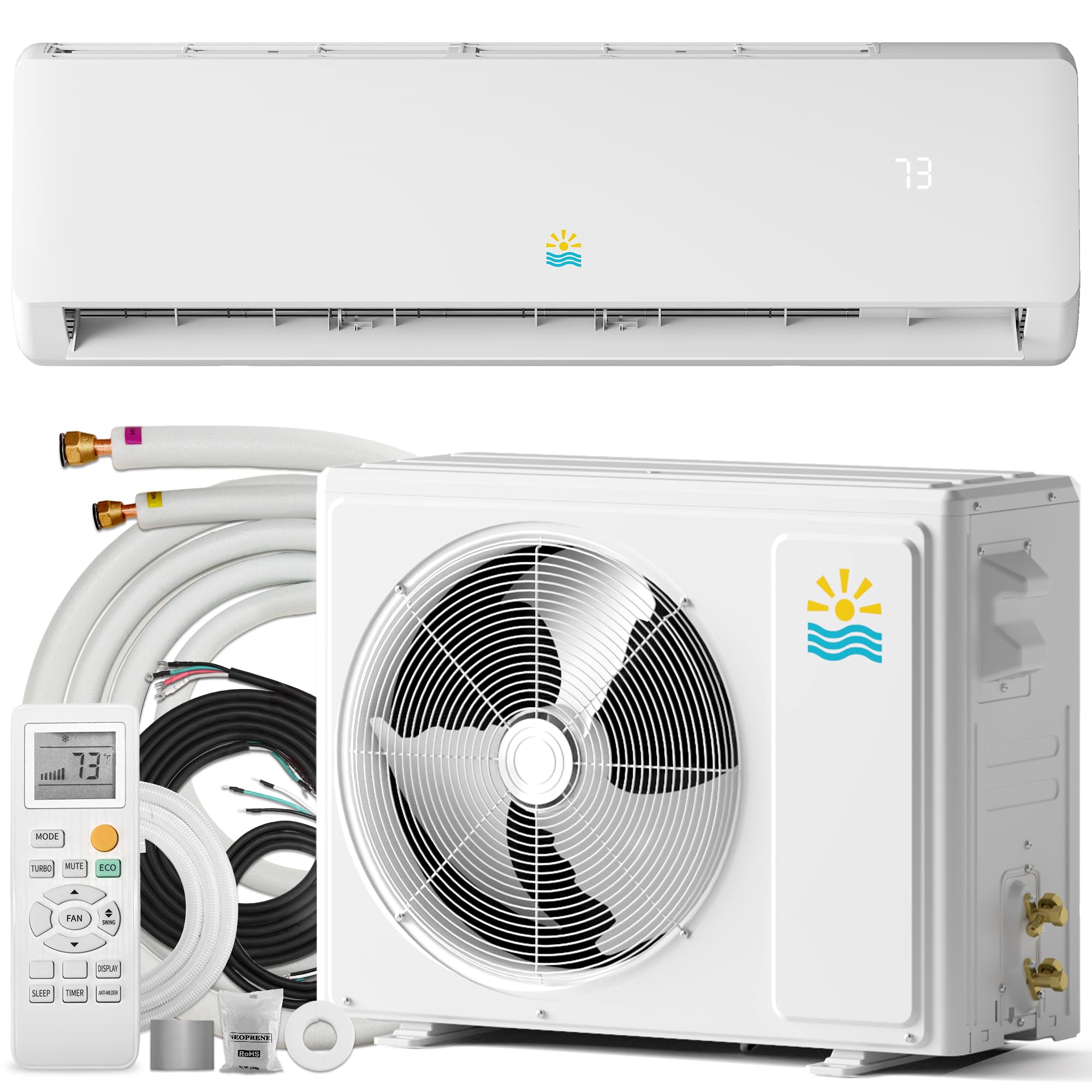
Types Compared at a Glance
Most buyers do better by picking a type first. The three types below cover nearly every 9000 BTU search, from a quiet bedroom to a workshop that needs heat on cold mornings.
- DIY friendly systems: built for owner installation, with parts designed to simplify the line set connection.
- Standard heat pump systems: installed by a pro, usually the best value for a main living space.
- Cold climate systems: built to keep heating when outdoor temperatures drop well below freezing.
Three Types to Compare for a Small Room
DIY Friendly Systems Built for Owner Installation
These systems suit you if you are comfortable mounting an indoor unit, drilling a wall hole, and running lines to an outdoor unit on a pad or bracket. The appeal is saving on labor, though you still need a dedicated electrical circuit and may need an electrician for that part. Look for a complete kit with the line set, drain hose, and remote included so parts match on delivery day. If this route sounds right, compare the options in our guide to the best diy mini split kits before you commit.
Standard Heat Pump Systems for Professional Installation
This is the type most homeowners choose for a bedroom, a small living room, or a home office. A licensed installer evacuates the lines, checks pressures, and sets the condensate drain, and that setup protects efficiency and warranty coverage. Heat pump models cool in summer and heat in spring and fall, so one system handles most of the year. For a deeper look at heating focused models, see our roundup of the best heat pump mini split systems.
Cold Climate Systems Built for Winter Heat
If your winters stay below freezing for weeks, a standard system may lose heating output when you need it most. Cold climate models use a larger compressor and controls that sustain heat at low outdoor temperatures, though output still falls as the air gets colder. They cost more and often need a 230V circuit, so confirm panel capacity early. This type fits cabins, northern additions, and garages where a backup heat source exists.
How to Evaluate a 9000 BTU System
Judge every candidate on the same six points. Check rated coverage, cooling and heating efficiency, indoor sound on low fan, and the lowest outdoor temperature for heating. Then confirm what the kit includes, how long the warranty runs, and whether parts are easy to source in the United States. A system that scores well on all six usually costs less to own than a cheaper unit that misses on warranty or parts support.
How to Choose the Right Mini Split
Size and Form Factor
Nearly all systems at this capacity are single zone, meaning one outdoor unit serves one indoor unit in one room. That setup gives you simple control and the best efficiency for a small space. A multi zone system can serve several rooms from one outdoor unit, but the smallest multi zone setups often exceed what a single small room needs and cost more to install. Most indoor units mount high on a wall. Floor mounted and ceiling cassette styles exist, though they cost more and need more install space.
Type and Electrical Supply
An inverter compressor is worth choosing because it adjusts speed to hold temperature instead of switching fully on and off, which reduces noise and energy use. Most 9000 BTU models with a heat pump serve far more homes than cooling only models. Voltage matters just as much. Many small systems run on 115V, while cold climate and some higher efficiency models need 230V. Read the nameplate requirement before you buy, and plan on a dedicated breaker, a disconnect box near the outdoor unit, and local permit rules in many areas.
Features Worth Paying For
Pay for a heat pump if your room needs any winter heat, since adding heat later means replacing the whole system. WiFi control earns its cost when the unit serves a bedroom or a rental space you adjust from your phone, and a sleep mode matters in light sleepers rooms. A kit with lines already charged can shorten a DIY install. Skip elaborate air treatment add ons with costly refill parts, and treat occupancy sensors as a nice extra rather than a reason to buy.
Room Size and Coverage Ratings
A 9000 BTU system typically covers about 250 to 400 square feet in a room with standard ceiling height and decent insulation. Sunny rooms, rooms above a hot garage, and spaces with poor insulation sit at the low end of that range and may need the next size up. Shaded rooms with good insulation sit at the high end. Measure the room before you shop, note ceiling height and window area, and be honest about insulation, because an undersized unit runs constantly on hot days while an oversized unit cools fast but removes less humidity.
Running Cost and Energy Use
Cooling efficiency is shown as a SEER2 rating, and heating efficiency as an HSPF2 rating, with higher numbers meaning lower running cost. Models at this size often land around 18 to 22 SEER2, and a higher rating pays back fastest in hot climates where the unit runs daily. Your bill depends more on hours of use, your electricity rate, and thermostat setting. A schedule that relaxes the target temperature while you are away saves more than most feature upgrades.
Noise Levels for Bedrooms
Indoor sound is listed in decibels for each fan speed, and the low speed figure is the one that matters at night. Quiet models rate around 19 to 32 decibels on their lowest settings, which is soft enough for most sleepers, while high fan can reach the low 40s. Place the indoor unit away from the head of the bed so moving air does not cross your face, and mount the outdoor unit off a bedroom wall or on a ground pad with rubber feet, since vibration through a wall carries more sound indoors than the fan itself.
Filters and Routine Maintenance
The washable mesh filters inside the indoor unit catch dust before it coats the coil, and rinsing them every few weeks during heavy use keeps airflow and efficiency up. The condensate drain must slope downward along its whole run, or water backs up and drips from the unit. Outside, keep leaves and grass clippings clear of the outdoor coil. For full steps, warnings about mold in the drain pan, and when a deep clean needs a pro, follow our guide on how to clean a mini split rather than guessing with household sprays.
How Much Should You Spend?
Equipment prices at this size span a wide band. Basic systems at about $500 to $900 usually cover cooling well but give up some efficiency, quiet, or heating range. The middle band at about $900 to $1500 is where most buyers land, with inverter control, WiFi, and solid warranties. Premium cold climate systems run about $1500 to $2500 for equipment. Professional installation is separate and can add about $1000 to $3000 depending on line length and electrical work, so get the install quote before you judge a kit price as cheap or costly.
Is a 9000 Btu Mini Split the Right Size for You?
This size fits a primary bedroom, a small studio, a home office, or an insulated garage workshop of roughly 250 to 400 square feet. It also suits an addition where extending ductwork would cost far more than a ductless install. If you are torn between this size and a larger one, our sizing guide on what size mini split do i need walks through the load factors room by room so you can decide with numbers rather than guesswork.
Choose a different path if your space is much larger, has very high ceilings, or opens into other rooms with no door, because one small unit cannot move enough air across a wide open plan. Weighing mini split vs central air helps you judge whether several ductless zones or a ducted system serves the whole home better. A single 9000 BTU unit is a room solution, not a whole house solution.
FAQ
What is the best 9000 btu mini split?
The strongest choice depends on who installs it and how cold your winters get, so there is no single answer for every home. Owner installed kits win on total project cost, pro installed standard models win on warranty support, and cold climate models win on winter output. One detail many buyers miss is the warranty registration window, which is often short after installation. Register on time, keep the installer invoice, and your parts coverage stays intact for years.
What size mini split do I need for a room with high ceilings?
High ceilings add air volume that a square foot estimate alone misses, so a room with a 12 foot ceiling may need the next capacity step even at modest floor area. Count heat sources too, since a kitchenette, large windows facing west, or several computers can push a borderline room over the limit. When your calculation lands between two sizes, ask an installer for a load calculation for that room instead of rounding on your own.
How long does a 9000 BTU mini split last?
Most systems last about 12 to 20 years, with the wide range driven by install quality, climate, and upkeep rather than brand alone. Homes near the coast should rinse salt buildup off the outdoor coil more often, since corrosion shortens coil life there. A unit that short cycles because it is oversized also wears its compressor faster. Correct sizing and a clean coil are the two habits that most reliably stretch service life toward the top of that range.
Is a 9000 BTU mini split worth it over a window unit?
For a room you use daily, yes, mainly because you keep your window, gain much quieter operation, and get heating from the same unit in cooler months. A window unit still makes sense for a guest room used a few weeks a year, where the lower purchase price beats efficiency. Also consider security and storage. A mini split needs no seasonal removal, so you avoid the twice yearly lifting and the gap a window unit leaves in a locked window.
How do you clean a mini split blower wheel?
The mesh filters are yours to wash, but the blower wheel deep inside the indoor unit is a different job. Dust and moisture build a dark coating on its blades that a filter rinse cannot reach, and cleaning it means opening the housing and protecting the wall and electronics with a wash bib. Many owners leave this step to a service visit every year or two. If airflow feels weak after filter washing, a coated blower wheel is a likely cause worth a professional look.
What makes one mini split brand more reliable than another?
Reliability in the field tracks installer skill and parts access more than any badge on the box. A brand with a local distributor can ship a control board in days, while an obscure import may leave you waiting weeks during peak summer. Ask local installers which brands they service most and stock parts for, and weigh a longer parts warranty against a slightly lower price. Support you can reach in your own region protects you long after the first season ends.
Final Thoughts
Pick your type first, confirm the electrical supply, and size the unit to your measured room. Do that, and the best 9000 btu mini split for your home becomes a short list instead of a long search. Use the product table above to compare final candidates on coverage, efficiency, and sound, then get an install quote before you order.