
Best 10k Smartphones: What Actually Matters Before You Buy for 2026
Disclosure: We may earn a commission when you buy through links on this page, at no extra cost to you. As an Amazon Associate I earn from qualifying purchases. Learn more
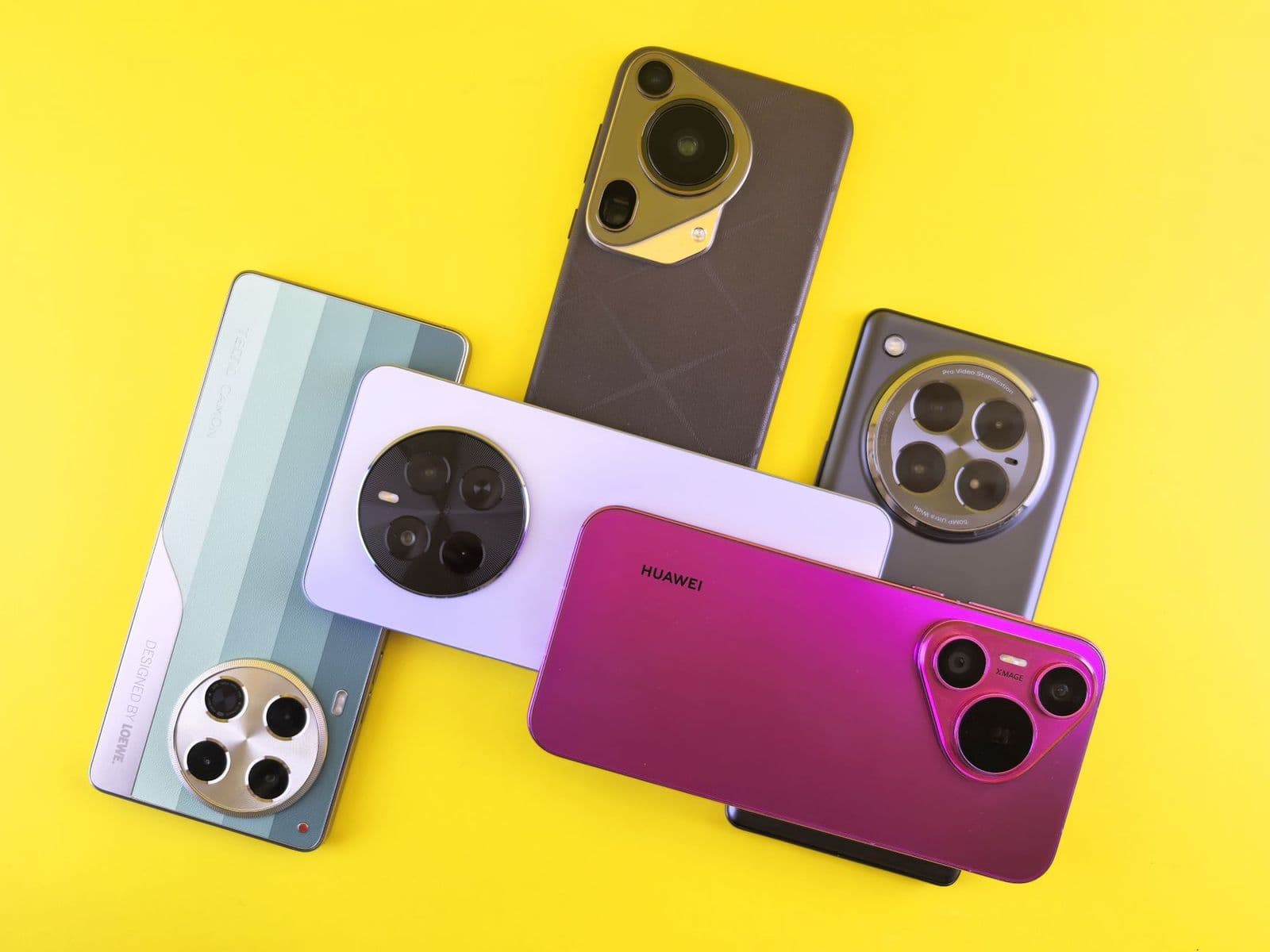
Compare the best 10k smartphones with a clear checklist for display, camera, battery, storage, updates, and value before you spend your money.
At this price point, spec sheets look generous on paper, yet real quality varies a lot from one model to the next. This guide uses a simple scoring checklist so you can judge any phone on the same terms instead of chasing headline numbers. By the end, you will know which best 10k smartphones deserve your money and which ones only look good in an ad. We start with the display and camera, then move through battery life, software support, and build quality.
Keep this checklist open as you read. Each section gives you a clear good enough threshold, so you can score a phone in a few minutes and spot weak points before you order.
How to Choose the Best 10k Smartphones
Our checklist scores seven areas that shape daily use far more than a long feature list. A phone that wins on display, battery, and software support will feel satisfying for years, while a phone that wins only on camera megapixels may disappoint within months. Use the thresholds in each section as your pass or fail line when you compare models side by side.
Display Size and Quality
Look for an OLED panel if your budget allows it, because OLED gives deeper blacks, stronger contrast, and better battery efficiency with dark themes than a basic LCD. A refresh rate of 120 Hz makes scrolling and gaming feel smoother, and it is now realistic at this price. Outdoor brightness matters just as much, so favor panels rated high enough to stay readable in sunlight. Size is personal, but screens around six and a half inches balance video viewing with one hand comfort for most people.
Camera System
Judge the main camera first, since it handles most of your photos. A large sensor and optical image stabilization matter more than a huge megapixel count, especially in low light. Night mode quality separates strong phones from weak ones, so look for sample photos taken indoors and after dark. An ultrawide lens adds real value for group shots and travel, while a telephoto lens is a bonus rather than a must have. For video, steady 4K recording and clear audio count more than novelty modes you will rarely open.
Carrier Compatibility and 5G
An unlocked phone gives you freedom to change carriers, travel with local SIM cards, and avoid long contracts, so it is the safer default for most buyers. Before you order, confirm the phone supports the bands your carrier uses, including the 5G bands in your area. A model built for another region may connect yet miss key bands and deliver slower data. If you want more options in this same budget band, see our guide to the best smartphones under 10k.
Storage Options
Treat 128 GB as the practical minimum and 256 GB as the comfortable choice if you shoot video, download games, or keep a large music library offline. Photos and apps grow steadily, and a phone that feels roomy today can feel cramped in two years. A microSD slot is increasingly rare, so do not count on expanding later unless the listing clearly confirms a slot. Cloud storage helps, but it needs a connection and often a monthly fee, so built in space is still the simplest long term answer.
Software Updates and Support Window
Software support decides how long a phone stays safe and useful. Favor makers that promise several years of operating system upgrades plus regular security patches, and check that the promise covers this exact model, not just the flagship line. A phone that stops receiving patches becomes a risk for banking and work apps long before its hardware wears out. Update policy is also a value question, because a phone supported for five years costs less per year than one replaced after two.
Battery Life and Charging Speed
Battery capacity around 5,000 mAh is the common benchmark at this level, and it should carry most users through a full day with room to spare. Real endurance depends on the screen and processor efficiency, so treat capacity as a starting point rather than a promise. Fast charging that refills about half the battery in roughly half an hour is genuinely useful on busy days. Wireless charging is convenient on a nightstand, though it is slower and less common in this price band.
Build, Durability, and Water Resistance
A phone you carry everywhere should survive rain, splashes, and the occasional drop. An IP68 rating means the phone can handle dust and brief immersion, and it is worth seeking out if you work outdoors or exercise with your phone nearby. Strong front glass and a solid frame reduce repair bills, and a grippy finish helps more than a glossy one. Check the warranty terms too, because accidental damage coverage varies widely and a cheap repair path can save real money later.
Three Profiles That Pass Our Checklist
Instead of naming specific models that change every season, use these three profiles to match a phone to your priorities. Compare each profile against your own shortlist, and choose the one whose strengths line up with how you actually spend your day.
Best Overall Profile
The best overall profile balances every checklist area with no serious weakness. Expect an OLED display at 120 Hz, a stabilized main camera with dependable night mode, an unlocked design with broad 5G support, and at least 256 GB of storage or a clear path to it. Battery life should last a full busy day, and the update promise should stretch several years. This profile usually sits near the top of the price band and suits buyers who keep phones for three years or more.
Best Value Profile
The value profile keeps the essentials strong and trims the extras. You still get a bright display, a capable main camera, and solid battery life, but you may give up wireless charging, a telephoto lens, or the highest water resistance rating. Prices in this profile often run meaningfully below the top of the band, sometimes around a third less. It suits students and practical buyers who want a phone that feels fast and lasts, without paying for features they will seldom use.
Best Compact Profile
The compact profile puts comfort first, with a smaller body that fits one hand use and smaller pockets. The trade off is a smaller screen for video and often a slightly smaller battery, so check endurance claims carefully. Camera quality can still be excellent, since compact flagships and upper mid range models often share main sensors with larger phones. If smaller phones appeal to you, our guide to the best flip smartphones shows another pocket friendly direction worth considering before you decide.
Quick Buyer Checklist
Run through these questions for any phone you are considering. A yes to most of them means the phone is a sound buy.
- Is the display OLED with a refresh rate of 120 Hz or close to it?
- Does the main camera have optical stabilization and a proven night mode?
- Is the phone unlocked and confirmed to support your carrier 5G bands?
- Does it offer at least 128 GB of storage, with 256 GB available?
- Does the maker promise several years of system and security updates?
- Will the battery realistically last your longest typical day?
- Does it carry a water resistance rating and a clear warranty?
Red Flags to Watch For
Some listings hide weak phones behind impressive sounding numbers. Walk away or dig deeper when you see vague camera claims with no sample photos, a launch price that seems far below similar models with no clear reason, or an update promise that the maker never states in writing. Very short warranties and a flood of near identical glowing reviews posted within a few days are also warning signs. Finally, be wary of imported models sold without clear band support, because returns and repairs can be slow and costly.
Setup and Care Tips
Fit a case and a screen protector on day one, since most damage happens in the first weeks while you adjust to a new size and weight. Turn on automatic updates so security patches install without effort, and set up a cloud or computer backup before you move your photos across. Avoid charging in extreme heat, such as on a sunny car dashboard, because heat ages batteries faster than normal use. Every few months, clear apps you no longer open to keep storage and performance healthy.
10k Smartphones: Your Questions Answered
Should I buy unlocked?
Yes, for most buyers an unlocked phone is the better choice. It works with any compatible carrier, holds resale value better, and lets you use local SIM cards when you travel. The one exception is a carrier deal that clearly lowers your total cost over the contract term. Always add up the full contract cost, including the plan, before assuming the deal saves you money.
How many years of updates should a phone get?
Aim for at least three major system upgrades and four to five years of security patches. That window keeps banking, health, and work apps running safely for the life of the phone. If a maker will not state its policy plainly, treat that silence as a short support window. A longer promise is one of the clearest signs a brand stands behind a mid range model.
Is a mid range phone good enough?
Yes, a good mid range phone now covers what most people do all day, from messaging and maps to streaming and solid photography. You give up mainly exotic extras such as the longest zoom lenses or the fastest possible gaming performance. Readers comparing the wider field can browse our guide to the best smartphones ranked to see how this price band stacks up against pricier tiers overall.
Do I need 5G?
You need 5G if you live or work where coverage is strong and you keep phones for several years, because networks keep shifting capacity toward it. In areas with weak 5G, a good 4G connection still handles streaming and calls without trouble. Either way, buy a 5G ready phone now if the price difference is small, since you cannot add the hardware later.
How much storage do I need?
Most buyers should choose 256 GB if the price step is modest, and 128 GB only if they stream everything and store photos in the cloud. Video is the deciding factor, because a few minutes of 4K footage can take more space than hundreds of photos. If you shoot family events often, extra storage is the cheapest upgrade you will ever buy. Photography focused readers may also enjoy our guide to the best smartphones with good camera for deeper camera advice.
Wrapping Up
Focus on three things above all: a bright OLED display you enjoy looking at, a support window that keeps the phone safe for years, and battery life that matches your longest day. Match those to one of the three profiles, run the quick checklist, and your choice becomes much easier. Chosen well, the best 10k smartphones deliver years of fast, dependable service without flagship money, so take your time, compare carefully, and buy with confidence.


