Best 12 Inch Speakers for Cars in 2026: Which Type Is Right for You?
Disclosure: We may earn a commission when you buy through links on this page, at no extra cost to you. As an Amazon Associate I earn from qualifying purchases. Learn more
Compare bare, loaded and powered options to find the best 12 inch speakers for cars, with pros, cons and who each type suits.
Twelve inch speakers for a car almost always means one thing, a subwoofer that handles the deep bass your door speakers cannot reach. The confusion starts because that single size comes as a bare driver, a driver already loaded in a box, and a complete powered system with the amplifier built in. This guide compares each type plainly so you can pick the best 12 inch speakers for cars for your vehicle, your music, and your comfort with wiring.
Use the comparison below to see how the types line up, then read the sections that match your situation. The right choice depends less on the driver itself and more on your trunk space, your amplifier plans, and how much bass you honestly want.


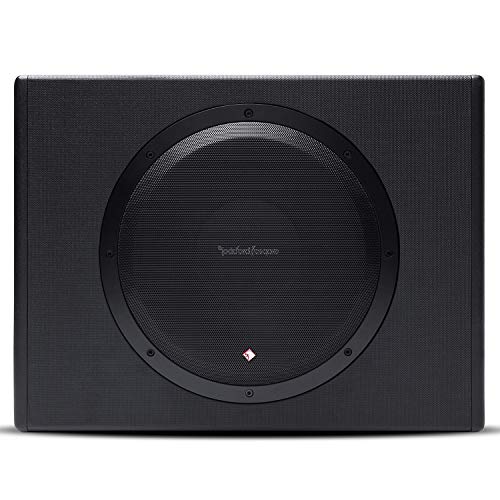


Types of 12 Inch Speakers Compared
All three types below use a 12 inch cone, yet they behave like different products because the enclosure and amplifier do half the work. A bare driver gives you full control and full responsibility. A loaded enclosure trades some control for speed and predictability. A powered system trades upgrade freedom for the simplest possible install. Here is how each one works and who should choose it.
Bare Subwoofer Drivers
A bare driver is just the speaker itself, sold without a box or amplifier. You choose or build an enclosure to the volume the maker specifies, pick an amplifier that matches its power handling and impedance, and wire everything yourself. This route delivers the best sound per dollar when done well, because your money goes into the driver and box rather than convenience. It suits hobbyists who enjoy tuning and owners of vehicles with odd cargo spaces where a custom box fits better than any standard shape.
Loaded Enclosures, Sealed and Ported
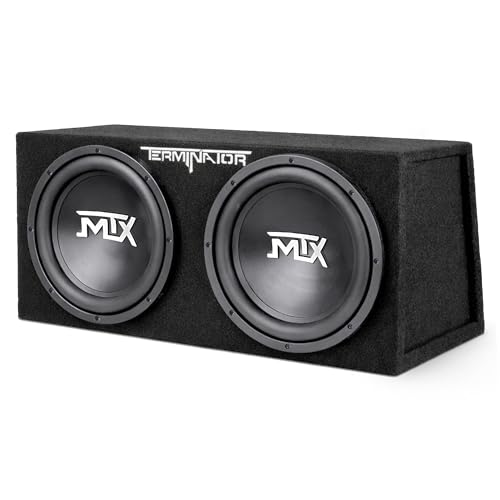
A loaded enclosure pairs the driver with a factory built box, either sealed or ported. Sealed boxes are smaller and produce tight, accurate bass that flatters rock, jazz, and acoustic music. Ported boxes are larger and louder around their tuning frequency, which flatters hip hop and electronic music, though they can sound loose if the tuning fights your cabin. You still need a separate amplifier, but the riskiest decision, box volume, is already settled by people who measured the driver.
Powered Subwoofer Systems
A powered system builds the amplifier into the enclosure, so one box and a wiring kit complete the install. Output is modest next to a dedicated amplifier setup, yet for many drivers the result is exactly the warm low end fill they wanted under the music. These systems shine in leased cars and daily drivers where trunk space and easy removal matter. They also suit listeners upgrading from no subwoofer at all, since the step up in fullness is dramatic even at moderate output.
Sealed vs Ported Enclosures: Which Should You Choose?
Choose sealed when accuracy and space lead your list. A sealed box controls cone motion with trapped air, giving bass that starts and stops cleanly, and the box can be surprisingly compact. Choose ported when sheer output leads, because the port reinforces a band of low frequencies and can sound several decibels louder on the same amplifier power.
The trade off is size and precision, since ported boxes need more cargo room and punish sloppy tuning. Cabin size matters too, because small cars gain free low bass from cabin gain, which often makes a sealed box sound bigger than its measurements suggest. If your music taste is mixed, sealed is the safer default, and you can always add amplifier power later.
How to Choose the Right 12 Inch Speaker
Power Handling and Amplifier Match
Match the amplifier to the driver using the RMS power rating, which describes continuous power, and ignore peak numbers entirely. An amplifier delivering about 75 to 100 percent of the driver RMS rating at the right impedance gives clean, confident bass. Impedance is the part buyers miss, since a dual voice coil driver can be wired to different loads, and the wrong load either starves the amplifier or pushes it into protection. If wiring diagrams make you nervous, a loaded or powered system removes that risk. If you are adding smaller speakers too, see our guide to the best 8 inch car speakers for the midrange side of the system.
Enclosure Space and Vehicle Fit
Measure your cargo area before you fall for any driver, including height under a hatch cover and the slope of the seat back. A 12 inch driver needs a box that often runs about 1 to 2 cubic feet depending on type, and that box still has to leave room for groceries and a spare tire. Smaller cars may serve you better with the driver in a compact sealed box than with a ported box that fills the whole trunk. Shoppers working with tight door locations instead may find our guide to the best 6 inch car speakers more relevant.
Sound Quality and Tuning
Decide what good bass means to you before you shop. If you want the kick drum to feel like a punch and the bass guitar to keep its pitch clearly, favor a sealed setup and a driver with a low resonant frequency and strong cone control. If you want movie style rumble and maximum pressure for electronic tracks, favor ported. Sensitivity also matters, because a more sensitive driver plays louder on modest amplifier power, which saves money and electrical strain.
Features That Matter for Cars
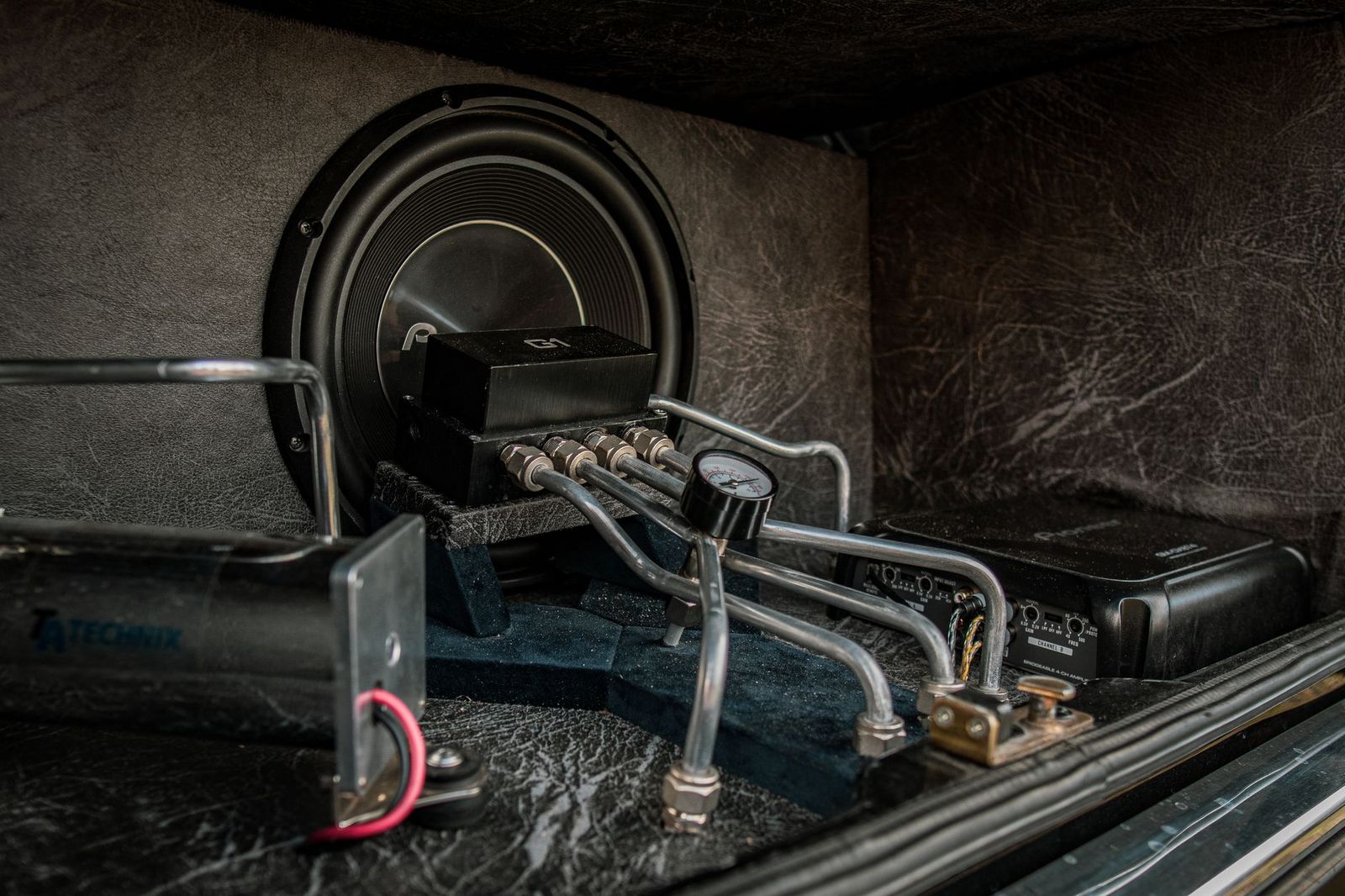
Car duty adds demands that home audio never faces. The driver and box must shrug off heat in a parked car, cold mornings, and constant vibration, so look for treated cones, rubber surrounds rather than foam, and terminals that grip wire firmly. Your electrical system is a limit too, since a stock alternator and battery comfortably support moderate amplifier power, while very large systems may need upgraded wiring. A remote bass level knob is a small feature with daily value, letting you tame heavy tracks at a stoplight. For general background on this driver size, see our guide to the best 12 inch speakers.
Wiring, Grounding, and Install Basics
Most disappointment with car subwoofers traces back to install basics rather than the driver. Run power cable of the gauge the amplifier maker specifies, fuse it near the battery, and ground the amplifier to clean bare metal with a short cable. A poor ground causes hum, cutouts, and heat, and it is the first thing a good installer checks. Set the amplifier gain with care, because gain is not a volume knob, and clipping from an overdriven gain control is the fastest way to cook a voice coil.
Care and Maintenance Tips
Car audio gear asks for little care, but a few habits extend its life. Recheck power and ground connections after the first few weeks, since vibration loosens fresh hardware. Keep the enclosure from sliding by securing it, both for sound and for safety in a hard stop.
Vacuum dust from the cone surround gently, keep liquids in the cabin rather than the trunk, and if bass suddenly weakens, inspect the fuse and terminals before assuming the driver failed. In winter, let a frozen cabin warm up a little before playing at full volume, since stiff surrounds appreciate the patience.
12 Inch Speakers: Your Questions Answered
What features matter most in 12 inch speakers for cars?
The RMS power match with your amplifier matters most, followed by enclosure fit and impedance you can wire correctly. A driver you can power cleanly and house properly will always beat a stronger driver in the wrong box. Also weigh surround material and sensitivity, since rubber surrounds last longer in hot cabins and higher sensitivity stretches a modest amplifier further.
Will a 12 inch subwoofer fit in a small car?
Yes, a 12 inch subwoofer can fit in a small car when you choose a compact sealed enclosure or a slim powered system. The driver diameter is not the problem, the box volume is, so measure depth and height carefully. Many small car owners place the box behind the rear seat with the driver facing rearward, which loads the cabin well. Leave the spare tire reachable if you drive long distances.
How much amplifier power do I need?
You need an amplifier that delivers roughly the driver RMS rating at the wired impedance, which for most single 12 inch setups lands around 300 to 600 watts RMS. More power than that buys headroom, not automatic loudness, and far less power invites clipping when you turn it up. Factory electrical systems handle this range comfortably in most cars. Match the numbers on paper before you buy either piece.
Does a subwoofer drain the car battery?
A subwoofer drains the battery only when you play the system for long periods with the engine off. During normal driving the alternator carries the load, and a moderate system adds little strain. If your lights dim heavily on bass hits, that signals an electrical system at its limit or a weak battery, not a faulty driver. Keep listening sessions with the engine off short, especially in winter.
Can I install a 12 inch speaker myself?
You can install one yourself if you are patient, comfortable removing trim panels, and careful around the battery. Loaded and powered systems are the friendliest first projects because the enclosure decisions are done. Bare drivers demand box building or buying, plus impedance planning. Many owners split the job, mounting the box themselves and paying a shop for power wiring, which keeps cost down and safety up.
The Bottom Line
Pick the type first, powered for simplicity, loaded for balance, bare driver for control, then match power and box to your car honestly. Do that and the best 12 inch speakers for cars stop being a confusing spec sheet and become a weekend upgrade you feel in every song. Check your shortlist against the product table, and if you are building a full system, our guide to the best 4 inch car speakers covers the small drivers that handle the top end.