Best 12 Ft Ladder (2026): What to Look For
Disclosure: We may earn a commission when you buy through links on this page, at no extra cost to you. As an Amazon Associate I earn from qualifying purchases. Learn more

How to pick the best 12 ft ladder: the features that matter, who each style suits and what to avoid.
A 12 ft ladder sounds simple until you face step, extension, and multi position designs in two materials and five duty ratings. The right choice depends on the height you need to reach and how you will store the ladder between jobs. This guide to the best 12 ft ladder options sorts those choices by type and by the specs that change how steady the ladder feels in use.
Use the comparison table below to match each type to your ceiling, roof edge, and storage space.


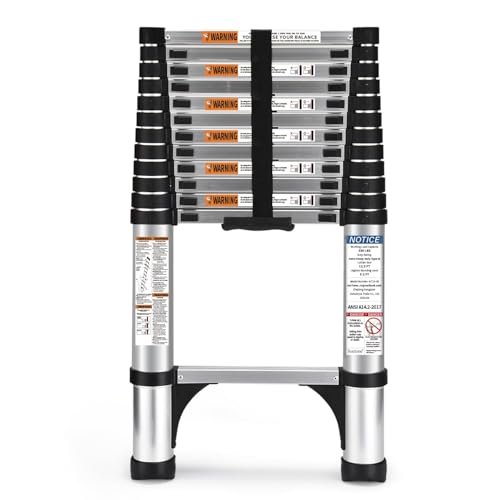


Types of 12 ft Ladders at a Glance
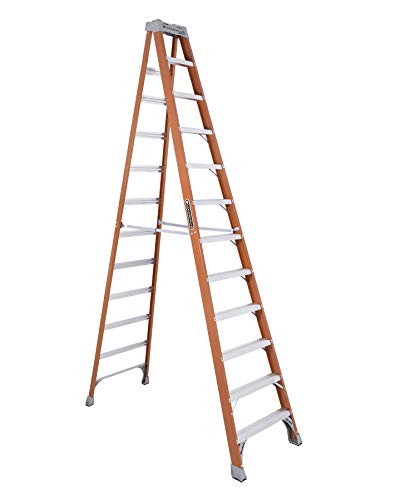
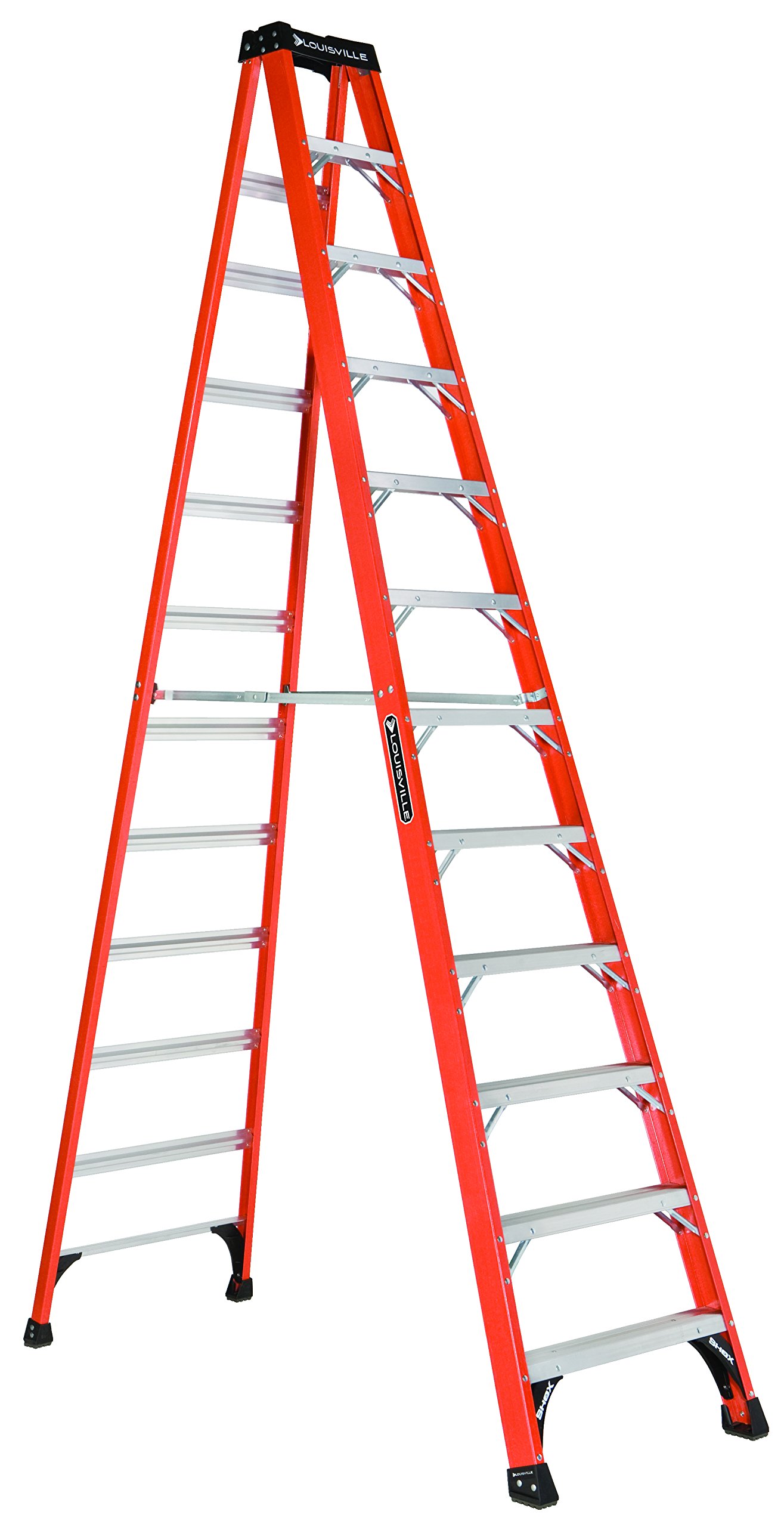
Three designs cover almost every job at this size. A step ladder stands on its own in an A frame shape and suits indoor work and flat ground outdoors. An extension ladder leans against a wall or roof edge and suits gutters, siding, and roof access. A multi position ladder folds and locks into several shapes, so one ladder can act as a step ladder, a leaning ladder, or a scaffold base.
Each type carries a different storage cost. Step ladders are bulky but ready in seconds, extension ladders store flat against a wall, and multi position models fold the smallest but weigh the most. If storage matters more than reach, see our guide to the best telescoping ladder for compact options.
Three Types Compared
Step Ladders for Indoor and Level Ground Work
A 12 ft step ladder gives you a tall, stable platform for painting high walls and changing fixtures on tall ceilings. Wide steps and a top cap for tools keep the work comfortable, and the ladder supports itself in the middle of a room with no wall nearby. The trade off is size. A ladder this tall needs real storage room, and it works well only on flat, firm ground.
Extension Ladders for Gutters, Siding, and Roofs
An extension ladder is built from two sections that slide and lock, so you can adjust the working length for each job. Leaned at the correct angle, it is the natural choice for cleaning gutters, washing upper windows, and reaching a roof edge. Remember that the stated size counts both sections together, so the usable length is shorter once the required overlap is in place.
Multi Position Ladders for Mixed Jobs
A multi position ladder uses strong hinges to change shape. In step mode it stands alone for indoor jobs, and extended, it leans like a standard extension ladder. Some shapes let you set one side shorter than the other, which helps on stairs and slopes. That flexibility makes it a smart single purchase for varied work, though the hinges add weight and setup time.
Who Should Buy a 12 ft Ladder?
Homeowners With Two Story Houses
If your home has two floors, gutters and roof edges often sit at heights a shorter ladder cannot reach with room to spare. A 12 ft model lets you work at those edges while keeping your waist below the top of the ladder, where balance stays best. For shorter home options, our guide to the best ladder for home use covers models for single story homes.
Painters and Home Improvers With Tall Rooms
Vaulted ceilings, tall entryways, and stairwell walls push brushes and rollers well past the reach of a 6 ft or 8 ft step ladder. A 12 ft step ladder puts the work at chest height instead of above your head, so your arms tire more slowly. Look for a top cap with slots for brushes and a paint can, plus wide steps that let you shift your footing.
Property Managers and Trade Users
People who care for rental homes, churches, or small commercial spaces meet a mix of ceiling heights and outdoor edges in a single week. A multi position model in a higher duty rating suits that variety, since it covers indoor and outdoor jobs without a second ladder. Weight matters here, because a ladder loaded daily needs to be easy to carry.
How to Evaluate a 12 ft Ladder
Start with the duty rating, since it sets the total load the ladder can carry, including you and your tools. Next, weigh the material against the work, then check foot design, step width, and lock quality. Confirm that replacement feet and caps are sold for the model, and read the warranty terms to see what they exclude, such as damage from drops.
Ignore specs that do not apply to a ladder at all. Ladders have no motors, batteries, or cords, so power claims tell you nothing here. What predicts a good ladder is honest load ratings, solid joints, and a shape that fits your jobs, so read the label on the rail before you trust any claim.
How to Choose the Right Ladder
Size and Form Factor
Match the ladder to the highest point you must touch, not the highest point you must stand near. On a step ladder, never stand on the top cap or the step below it, so your safe standing level sits well under the full height. On a leaning ladder, the top should extend about 3 ft above a roof edge so you can hold on while stepping off. Measure your ceiling, gutter line, and storage wall first.
Material: Fiberglass or Aluminum
Fiberglass rails do not conduct electricity when they are clean and dry, which makes them the safer pick near overhead lines and outdoor outlets. They handle sun and rain well, though they weigh more and cost more. Aluminum rails are light, resist rust, and suit most indoor and yard work away from power sources. For a fuller comparison, see our guide to fiberglass vs aluminum ladder materials.
Duty Rating and Load Capacity
Duty ratings follow a standard scale. Type III holds up to 200 pounds, Type II up to 225 pounds, Type I up to 250 pounds, Type IA up to 300 pounds, and Type IAA up to 375 pounds. Add your body weight to the tools and materials you will carry up, then pick a rating above that total. A rating with margin also reduces flex, so the ladder feels calmer underfoot.
Features Worth Paying For
A few features earn their cost on a ladder this tall. A top cap with a tool tray keeps supplies within reach and cuts trips up and down. Slip resistant steps and feet improve grip on smooth floors and wet ground. On extension models, smooth rung locks save frustration at full height. Wheels sound handy, but they add weight and only help on hard, flat surfaces.
Accessories, Warranty, and Price
Useful add ons include stabilizer bars that widen the contact patch at a wall, levelers for uneven ground, and replacement feet when the originals wear smooth. Check that the maker sells these parts for your exact model before you buy. On price, basic aluminum models often cost under $150, most homeowners land in the range of about $150 to $300 for stronger ratings and fiberglass options, and multi position models with longer warranties cost more.
Is a 12 ft Ladder the Right Size for You?
For a step ladder, your reach is roughly the ladder height plus about 4 ft for an average adult standing on a safe step. That puts a 12 ft step ladder at around 16 ft of reach, enough for most two story gutter lines and tall interior walls. For roof access with a leaning ladder, the rails should pass the edge by about 3 ft, so a higher eave may call for a longer extension model.
A 10 ft ladder is lighter and easier to move through doorways, and it covers single story homes well. Attic access is a separate problem with its own folding stairs, so readers planning that project should see our guide to the best attic ladder rather than forcing a portable ladder into the hatch. For a broader overview, our guide to the best ladder places this size in context.
Common Mistakes to Avoid
- Standing on the top cap or the highest step of a step ladder, which removes your handhold and shifts your balance past safe control.
- Setting an extension ladder at a shallow angle, which lets the feet slide outward under load and can drop the ladder without warning.
- Forgetting the overlap on an extension ladder, so the working length ends up shorter than planned and the top falls below the roof edge.
- Carrying tools in your hands while climbing, which breaks your grip and leaves no hand free if a foot slips on a rung.
- Using a metal ladder near overhead power lines, where one careless move while raising the rails can bring them into contact with a live wire.
- Leaning out sideways to reach more gutter, instead of climbing down and moving the ladder so your belt stays between the rails.
How to Make Your 12 ft Ladder Last Longer
Inspect the ladder before each use. Look for bent rails, cracked fiberglass, loose rivets, worn feet, and locks that fail to seat fully, and take a damaged ladder out of service at once. Clean mud and paint from steps with a damp cloth and mild soap, then dry the ladder and store it under cover, since sun and rain weaken fiberglass resin.
Raise and lower extension sections with control instead of letting them drop, and never force a hinge that resists, since grit in the joint is often the cause. Our guide on how to use a ladder covers footing, angle, and climbing technique in full. Stop work and get down if you feel dizzy, if wind picks up, or if the ground softens after rain.
FAQ
What is the best 12 ft ladder?
The best answer depends on your main job. Choose a step ladder for indoor work on flat floors, an extension ladder for gutters and roof edges, and a multi position ladder if one tool must cover both. Within each type, favor a duty rating above your total load and locks you can work with gloves on. Storage fit matters too, since a ladder you dread moving is one you will set up carelessly.
What size ladder do I need for a two story house?
Measure the height of the point you must reach, then add the safety margins for that ladder type. Gutters on many two story homes sit around 16 to 20 ft high, which leaves a step ladder little margin at that line. Many owners pick a longer extension ladder for outdoor work and keep the 12 ft model indoors. Compare your eave measurement with the stated reach on the label, not just the size in the product name.
How long does a 12 ft ladder last?
A well kept aluminum or fiberglass ladder can last for decades of home use, since no parts wear out on a set schedule. Life ends early when rails bend in a fall, fiberglass splinters after sun damage, or feet wear smooth and slip. Retire the ladder after any event that bends a rail or cracks a step, because minor looking damage can hide a weak point that fails later under full load.
How do you clean a 12 ft ladder?
Wash rails, steps, and rungs with warm water, mild soap, and a soft brush, working grit out of the step grooves where boots need grip. Rinse and dry every part before storage, since trapped moisture in hinge joints invites corrosion. Avoid harsh solvents on fiberglass, because they can weaken the resin surface. Finish by wiping the safety labels so the ratings stay readable.
Can one person carry and set up a 12 ft ladder alone?
Yes, most adults can handle one alone, but weight and bulk vary by type. Aluminum step models are the easiest to move, while fiberglass and multi position models can feel heavy on a long carry. Carry the ladder balanced at its center, watch both ends on turns, and raise extension models in stages. If a ladder feels like a struggle on the ground, pick a lighter model.
Final Thoughts
The right 12 ft ladder is the one whose type, rating, and material match the jobs you actually do, from gutter cleaning to painting a tall stairwell. Compare the types in the product table above, check your reach math, and choose the rating that covers you and your tools with room to spare. When the best 12 ft ladder for your home is one you can store, carry, and set up with care, you will work higher with more confidence.