Best 10 Ft Ladder (2026): Buying Guide
Disclosure: We may earn a commission when you buy through links on this page, at no extra cost to you. As an Amazon Associate I earn from qualifying purchases. Learn more

Which best 10 ft ladder fits your home? Size, features, price ranges and common mistakes, explained plainly.
Choosing the best 10 ft ladder for your home takes more than picking the tallest box on the shelf. A ladder that is too short tempts you to overreach, and a ladder that is too tall will not open in a hallway or stand safely on your ground. Reach, duty rating, material, and weight all change how steady the ladder feels once you climb.
This guide compares the three main ladder types at this height, then walks through the specs that decide fit and safety. Use the comparison table below to see how the types differ on reach and storage, then read on for the sizing rules that matter most.
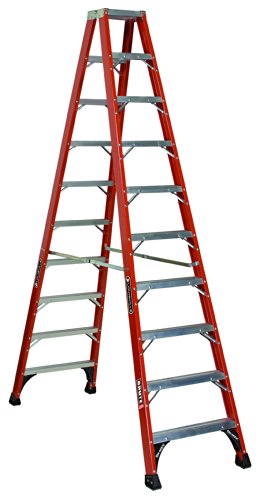
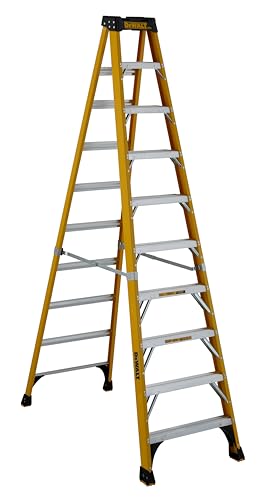

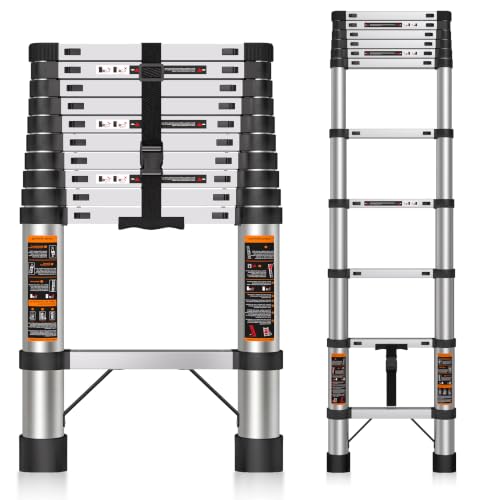
The Three Forms at 10 ft
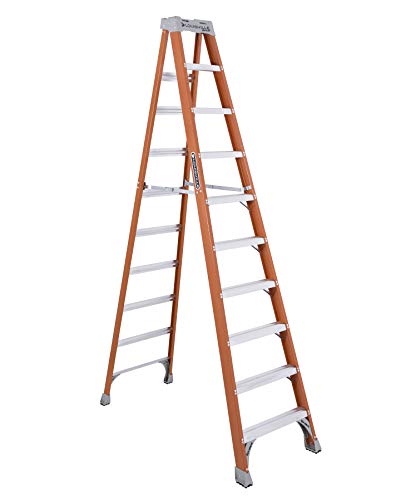
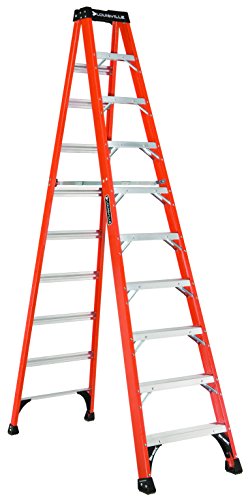
At 10 ft, your real choice is between three forms. A step ladder stands on its own and suits flat floors and ceilings. An extension ladder leans against a wall and suits gutters and roof edges. A multi position ladder folds into several shapes and suits stairs and mixed jobs around the house. The sections below explain which form fits which task, so you can match the ladder to your tallest regular job.
Three Main Types of 10 ft Ladders Compared
Instead of ranking single models, this guide compares ladder types, since the same height in a different form behaves like a different tool. Start with the work you do most often, then check the limits of each type before you pay for height you cannot use indoors or stability you need outdoors.
Step Ladders for Indoor Work and Flat Ground
A 10 ft step ladder opens into an A frame and stands without support, which makes it the natural pick for high ceilings, ceiling fans, smoke alarms, and tall storage shelves. You climb steps on one side while the rear legs brace the frame, and a top cap often holds paint or tools. The trade off is bulk, since the ladder needs flat ground and full room to spread open. It also cannot lean, so it will not help with gutters or roof edges outside.
Extension Ladders for Roofs and Gutters
An extension ladder has two sliding sections and must lean against a solid surface, which suits gutter clearing, siding work, and reaching a low roof edge. At 10 ft the sections overlap for strength, so the working length is shorter than the label suggests. Rung locks hold the raised section, and wide feet grip the ground. This form stores flat against a wall, but it offers no tray and no place to set tools, and it is the least forgiving type if the ground is soft or uneven.
Multi Position Ladders for Stairs and Mixed Jobs
A multi position ladder uses locking hinges to fold into a step ladder, an extension ladder, a scaffold base, or a stair setup with one side longer than the other. That range suits homes where one ladder must handle painting a stairwell one week and trimming a hedge the next. The hinges and extra joints add weight, so most models at this size feel heavy to carry through doorways. You also need to check every lock before each climb, which adds a minute of setup to each job.
What Separates One Ladder From Another
Ladder types differ on reach, load capacity, material, rung comfort, locking hardware and warranty terms, and the ANSI duty rating system gives a shared way to compare them. This guide does not rank single models. It gives you a framework you can apply to any ladder sold at this height, so your choice rests on fit and safety rather than on a badge or a headline.
How to Choose the Right Ladder
Work through the factors below in order, starting with size, because the wrong height makes every other feature irrelevant. If you want a broader framework before you narrow to this height, see our guide on how to choose a ladder for the general sizing method.
Size and Form Factor
Match the ladder to the highest point you must touch, then add your own reach. A person standing at a safe climbing height can usually reach about 4 ft above the top support point. Shorter step ladders around 2 step, 3 step, and 4 step sizes suit closets and kitchens, while 6 ft and 8 ft models cover most ceilings. A 10 ft ladder fills the gap before 12 ft, 17 ft, 22 ft, and 28 ft extension models, which are built for taller walls and two floor homes.
Type and Material
Beyond the three main types, you will also see telescoping, folding, platform, and attic models, each solving a storage or access problem. Material decides weight and electrical safety, and our breakdown of fiberglass vs aluminum ladder models covers the full comparison. In short, aluminum is lighter and costs less, while fiberglass weighs more but does not conduct electricity when clean and dry. For tight storage, look at the options in our guide to the best telescoping ladder before you commit to a fixed frame.
Features Worth Paying For
A handrail gives you a steady grip above the top step, and a tool tray keeps paint, screws, and a drill off the rungs. Wide rungs or a standing platform ease foot strain during longer tasks, and small wheels on one end help you roll a heavy frame instead of carrying it. Locking spreader bars on a step ladder stop the frame from splaying under load. Skip oversized accessory bundles you will never attach, and skip painted finishes that hide cracks and dents during inspection.
Electrical Safety Around Ladders
Ladders are manual tools, so there is no cord, engine or battery to worry about, and your energy concerns are simpler and more serious. Keep every ladder away from overhead power lines, treat a metal ladder as a conductor at all times, and choose fiberglass rails for work near wiring inside walls or service panels. That single habit prevents the most severe accident linked to this product.
Accessories and Warranty
Useful accessories include a stabilizer bar that widens the top contact patch, leg levelers for sloped ground, and a removable tray that fits the top cap of your exact model. Check that each accessory lists your ladder form and rail size before ordering, since trays and stabilizers rarely fit across brands. Warranty terms vary from about one year to lifetime coverage on frames, but most exclude rungs bent by overload and feet worn by concrete. Keep your receipt and register the ladder if the maker offers it.
How Much Should You Spend?
Basic aluminum step ladders under about $100 suit light indoor tasks and low duty ratings. Most homeowners land in the range of about $100 to $200, where fiberglass frames, stronger duty ratings, and trays become common. Multi position models and premium extension ladders run about $200 to $350, and the extra money buys hinge range and thicker rails rather than extra height. Spending under about $50 at this size usually means a low load rating and thin rungs, so check the duty label before you treat a low price as a bargain.
Is a 10 ft Ladder the Right Size for You?
For many homes, yes. The best 10 ft ladder earns its space when your ceilings sit around 9 to 10 ft, your single floor gutters run about 9 to 11 ft high, or your trees and tall hedges need regular trimming from the ground. It gives you working reach without the storage burden of a 12 ft or longer frame, and it still opens in most living rooms and garages. Our roundup of the best ladder for home use shows how this height compares with smaller options for routine chores.
It is the wrong size when you must step onto a roof, since safe roof access needs the ladder to extend above the edge while you hold on during the transition. It is also the wrong size for two floor walls and tall gutters, where a longer extension ladder is the safer tool. Before your first climb at any height, read our guide on how to use a ladder for footing and climbing basics. If your job involves steep roofs, power lines, or unstable ground, hire a professional instead of stretching what this ladder can do.
FAQs
What is the best 10 ft ladder?
The right answer depends on the form that matches your work, not on a single model name. Pick a step ladder for flat floors, an extension ladder for gutters, and a multi position ladder for stairs. Then look for an ANSI certification label on the rail, which confirms the ladder was built and rated under a shared safety standard. A certified ladder in the correct form will serve you better than a famous name in the wrong shape.
What size ladder do I need?
Measure the height of the surface you must reach, then apply the angle rule for extension ladders. Set the base 1 ft out from the wall for every 4 ft of height up to the support point, since that angle keeps the rails loaded evenly. This rule also tells you the true vertical reach of a leaning ladder, which is lower than its label length. Measure your storage space as well, because a ladder you cannot store indoors will age fast outside.
How long does a ladder last?
A ladder has no fixed expiry date, and service life depends on storage, load, and impacts. Retire a ladder at once if you spot a bent rail, a cracked step, loose rivets, or fiberglass fibers showing through the rail surface like fine hair. Sun and moisture shorten fiberglass life outdoors, so indoor storage adds years. A sound ladder kept dry and never dropped from a truck bed can serve for a decade or more of home use.
Is a ladder worth it?
For most homeowners, yes, and the math is plain. Renting a ladder for a weekend often costs a fair share of the purchase price, and you still face pickup, return, and a unit with unknown history. Owning the right size means gutter clearing, painting, and bulb changes happen on your schedule, without a trip across town. The value drops if you will climb once and never again, in which case borrowing from a neighbor or hiring help is the smarter spend.
How do you clean a ladder?
Wash rails and rungs with warm water, mild soap, and a soft brush, then rinse and let the ladder dry fully before storage. Paint and mud on rungs reduce grip, so scrub the tread surfaces with extra care. Avoid harsh solvents on fiberglass, since they can dull the surface coating that guards against sun damage. While you clean, read every safety label on the rails, and stop using the ladder if a label about duty rating has worn away completely.
What is the most reliable ladder brand?
No single brand owns reliability at this size, and chasing a name is less useful than checking the duty rating, the rail thickness, and the hinge or rung lock design. Makers must also report defects, and the federal recall database lets you search any brand before you buy. A ladder from a maker with clear rating labels, spare feet and caps in stock, and a written warranty will be easier to own than a famous logo on a thin frame.
Final Thoughts
Start with your tallest regular job, pick the form that matches it, and let duty rating and material settle the rest. The product table above lists ladders in several forms to compare on reach and storage. When you are ready to choose the best 10 ft ladder for your home, use the sizing rules in this guide and check the label on the rail before you order. For a wider view across heights and forms, see our guide to the best ladder for every common task.