Best 10x50 Binoculars for Hunting: A Budget to Premium Buying Guide for 2026
Disclosure: We may earn a commission when you buy through links on this page, at no extra cost to you. As an Amazon Associate I earn from qualifying purchases. Learn more

Best 10x50 binoculars for hunting, compared by glass, coatings, eye relief and price tier so you can choose the right pair for your ground.
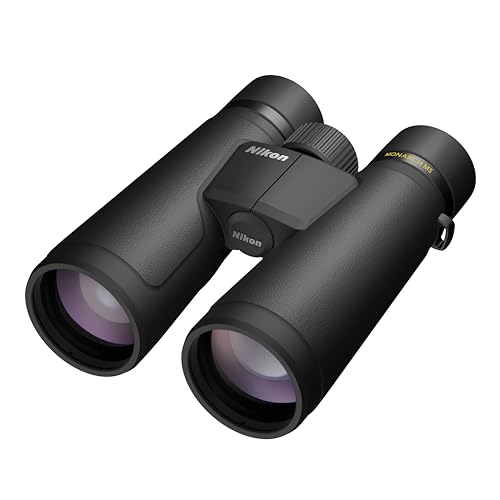
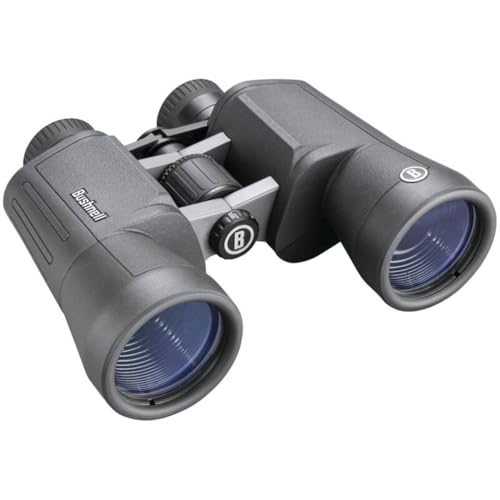
Prices for a 10x50 binocular run from under $100 to about $600, and the spec sheets all sound alike, so it is easy to pay for the wrong thing. This guide shows where your money actually improves the view and where it does not, so you can pick the best 10x50 binoculars for hunting for your ground and your budget. Start with the comparison table below to see how current models differ on weight, field of view, and eye relief.
The 10x50 format pairs 10 times magnification with large 50 mm objective lenses. That mix gives you enough reach to judge antlers at distance and enough light gathering for the first and last minutes of legal light, when game moves most.



Who Should Choose a 10x50 for Hunting?
A full size 10x50 is not the right tool for every hunter. It shines when you glass open country or sit in one place for long stretches, and it feels bulky when you move fast through thick cover.
Deer Hunters Who Sit Stands and Field Edges
If you hunt whitetails from a stand, a blind, or a field edge, weight matters less because the binocular rests more than it rides. The big objectives help you sort bucks from does in dim woods and pick out an ear flick or antler tip across a field. If most of your season looks like this, see our guide to the best binoculars for deer hunting.
Western Hunters Who Glass Open Country
Spot and stalk hunters cover ground with their eyes before they cover it with their boots. Ten power magnification lets you scan basins, check shaded pockets under rimrock, and judge whether a distant animal is worth a long approach. You will carry the extra ounces all day, so weight matters. A tripod adapter helps here, since a steady 10x50 shows far more detail than the same glass in shaking hands.
Hunters Who Mainly Hunt Dawn and Dusk
Some hunters only need glass for the dim edges of the day, such as elk leaving dark timber at first light or hogs entering a field at dusk. The 5 mm exit pupil of a 10x50 suits that job well, because it feeds your eye a bright image when your pupils are wide open. If you mostly hunt bright midday hours, a lighter 10x42 may serve you just as well.
What Your Money Gets You at Each Price Tier
Spending more on a 10x50 mostly buys better glass, better coatings, and a smoother focus wheel, not more magnification. The product table above shows how the tiers split on those points. For a wider look at how hunters rank models across sizes, see our guide to the best rated binoculars for hunting.
Budget Tier: What to Expect
Budget models at under $100 usually give you a usable view in good light, basic multicoated lenses, and a body that needs gentle treatment. Expect some softness at the edge of the image and a focus wheel that feels stiff. For a spare pair in the truck or a new hunter learning the basics, that trade can be fair. Readers stretching a tight budget can also see our guide to the best inexpensive binoculars for hunting.
Midrange Tier: Where Most Hunters Should Shop
Models at about $100 to $250 are where quality jumps the most. You typically get fully multicoated optics, better prism glass, waterproof sealing, and a wider and flatter field of view. Color looks more natural, which helps you separate a gray brown deer from gray brown brush. For most hunters this tier delivers nearly all the performance they will ever use.
Premium Tier: When Spending More Pays Off
Above about $250, and often far above it, you pay for ED glass, premium coatings, and build quality that holds alignment after years of knocks. The gains are real but smaller: a brighter image at dusk, cleaner edges, and controls that stay smooth in cold weather. Hunters who glass for hours each day feel that difference. Hunters who glass for minutes usually do not, so buy this tier for heavy use, not for status.
Key Features to Compare
When you compare best 10x50 binoculars for hunting side by side, work through the factors below in order, because the first two decide how much you can actually see. Shoppers still confirming that this size fits their hunting can also read our guide to the best binoculars 10x50.
Objective Lens Size and Low Light Brightness
The 50 in 10x50 is the diameter of the front lenses in millimeters, and bigger front lenses collect more light. Divide the objective size by the magnification and you get the exit pupil, which is 5 mm here. A larger exit pupil generally means a brighter image at dawn and dusk and a more forgiving view when your eyes are not perfectly centered. Brightness also depends on glass quality and coatings, so a fine 10x42 can beat a cheap 10x50 in low light.
Prism Glass and Lens Coatings
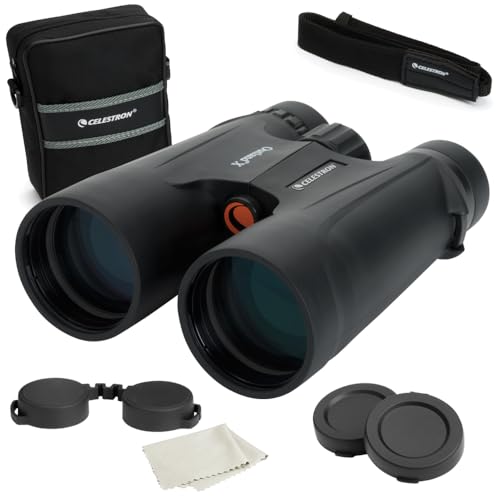
Most hunting binoculars use roof prisms or Porro prisms to fold the light path. Look for BaK4 prism glass rather than BK7, because BaK4 passes a rounder and brighter image, and look for phase coated roof prisms, which keep contrast sharp. Fully multicoated means every air to glass surface carries several coating layers, which cuts glare and lifts brightness. ED glass, short for extra low dispersion glass, reduces color fringing around antlers against a bright sky.
Field of View and the Magnification Trade
Field of view tells you how wide a slice of ground you see at 1000 yards, and many 10x50 models show about 300 to 350 feet. A wider field makes it easier to find moving game and follow an animal through cover, while a narrow field feels like looking down a tube. Ten power also magnifies hand shake. If you glass while breathing hard after a climb, that shake can erase the detail the extra power promised.
Eye Relief and the Focus System
Eye relief is the distance your eye can sit behind the eyepiece and still see the full picture, and hunters who wear glasses usually need about 15 mm or more. Twist up eyecups let you set that distance quickly, and they should hold position instead of collapsing against your face. Most models use a center focus wheel with a diopter ring on one eyepiece. The wheel should turn smoothly with one finger, even with light gloves on.
Weatherproofing, Size, Weight, and Carry
Hunting glass gets rained on and knocked against stands and tailgates, so look for a sealed and nitrogen purged body rated waterproof and fogproof. Rubber armor adds grip with wet hands and softens bumps. A full size 10x50 often weighs about 28 to 36 ounces, which is fine on a stand but tiring around your neck on long walks. A chest harness spreads that load, and our guide to the best binoculars harness for hunting explains the main carry styles.
How to Set Up and Check a New 10x50
A short setup routine makes any 10x50 perform better. First, adjust the hinge until you see one single round image with no dark edges, which sets the spacing for your eyes. Next, cover the right lens, focus the left eye with the center wheel on a distant sign, then cover the left lens and use the diopter ring to sharpen the right eye. Note the diopter setting so you can restore it if the ring moves.
Then check the view with fresh eyes. Look at a roof line to spot edge softness, check dark branches against a bright sky for purple or green fringing, and confirm both sides match in brightness. Do this in the first days you own the pair, while a return is still simple if one barrel is out of alignment.
Common Mistakes to Avoid
- Buying on magnification alone, since a shaky and dim 12 power view shows less game than a steady and bright 10x50 view.
- Ignoring eye relief, so hunters who wear glasses end up seeing only a small circle in the middle of the image.
- Choosing the cheapest glass for a once in a lifetime tag, because dim optics can cost you the one legal animal you spot all week.
- Skipping the diopter setup, which leaves one eye slightly blurred and causes headaches after long glassing sessions.
- Carrying a heavy 10x50 on a thin neck strap, so the pair swings, bangs your chest, and gets left in the truck.
- Storing the binocular in a hot vehicle all season, since heat and constant vibration can damage seals and knock the barrels out of alignment.
Long Term Costs and Care for Your 10x50
The purchase price is not the whole cost. Budget for a chest harness, a tripod adapter if you glass from a support, and a decent case, and remember that a lost lens cover is far cheaper to replace than a scratched lens is to repair. Warranty terms vary a lot by price tier, so read what a maker covers for alignment and seal failures before you buy.
Care is simple and specific to the binocular itself. Blow loose grit off the lenses before you wipe, since dragging dust across glass scratches coatings, then clean with a lens cloth and lens fluid only when needed. Keep the covers on while you walk, check that the eyecups still click into place, and store the pair dry at room temperature. If the two images ever split into a double view after a fall, stop using the pair and send it in.
Frequently Asked Questions
What features matter most in 10x50 binoculars for hunting?
Glass quality, coatings, and eye relief matter most in 10x50 binoculars for hunting. Bright and contrasty optics help you find game in shadow, and enough eye relief keeps the view full and comfortable. One point many buyers miss is close focus distance. If you also check nearby sign, a model that focuses down to about 10 feet is far more useful than one that stays blurry until 20 feet.
Are 10x50 binoculars for hunting better in low light than 10x42 binoculars?
Yes, a 10x50 usually holds a brightness edge over a 10x42 in low light, thanks to its larger exit pupil. The edge only shows near dawn and dusk, and it shrinks as coating quality rises on the smaller model. Age matters too. Eyes of older hunters dilate less in the dark, so some of the 5 mm exit pupil goes unused, and a lighter 10x42 may suit them better.
How much should a first time buyer spend on 10x50 binoculars for hunting?
A first time buyer should aim for the midrange, at about $150, for 10x50 binoculars for hunting. That level buys sealed optics and coatings that stay useful for years, without premium prices. Order from a seller with easy returns, test the pair at dusk, and swap it if the focus wheel or eyecups feel wrong for your hands and face.
How do 10x50 binoculars for hunting compare with 8x42 and 10x42 binoculars?
A 10x50 gives you the reach of ten power with more light gathering than a 10x42, at the cost of extra size and weight. An 8x42 shows a wider field and a steadier image, which suits thick timber where shots stay short. Think in terms of distance. If most of your glassing happens past 300 yards, the 10x50 earns its bulk. Inside 150 yards, the smaller formats usually feel faster and handier.
Do 10x50 binoculars for hunting work well from a tripod?
Yes, 10x50 binoculars for hunting work very well from a tripod, and the steady view often reveals more than higher magnification held by hand. Most models accept a simple adapter that screws into the front hinge cap. One caution is height. A short tripod that works while seated may leave you hunched when standing, so match tripod height to the way you glass.
Final Thoughts
Choose your tier first, then judge glass quality, coatings, and eye relief inside that tier, and let weight be the tie breaker. The product table above pulls those details together in one place. When a pair fits your eyes, your hands, and your ground, the best 10x50 binoculars for hunting stop being a spec sheet and start finding you game.