
Best 10x40 Binoculars for 2026 Made Simple: A Clear Buying Guide
Disclosure: We may earn a commission when you buy through links on this page, at no extra cost to you. As an Amazon Associate I earn from qualifying purchases. Learn more

Shopping for the best 10x40 binoculars for the first time? Learn the terms, compare options, and avoid rookie mistakes with this easy guide.
Buying binoculars for the first time can feel confusing, because the boxes are full of numbers and glass terms you may never have used before. This guide explains the best 10x40 binoculars in plain language, starting with what the numbers mean and ending with a simple way to choose.
By the end, you will know which features matter for your main use, and how to set up a new pair in minutes. Start with the basics, then use the product table to see how the choices line up.


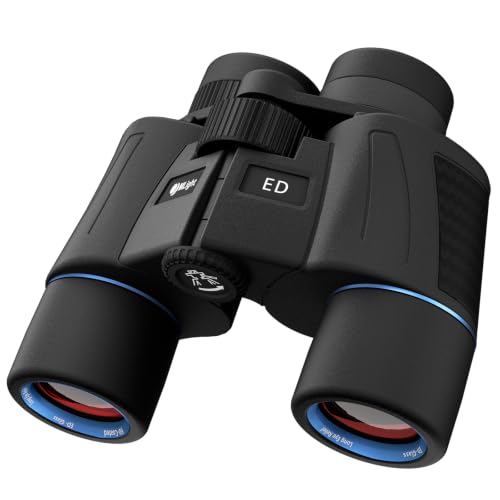
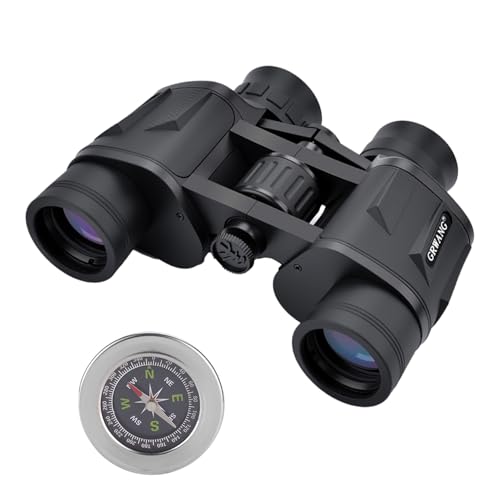
10x40 Binoculars 101: The Basics for New Buyers
A 10x40 binocular is a pair of small telescopes, one for each eye, joined in a single frame. The first number, 10x, is the magnification, so a bird 100 yards away looks as if it were about 10 yards away. The second number, 40, is the width of each front lens in millimeters, and that lens size helps decide how bright the view looks.
Light enters the front lenses, passes through glass prisms that flip the image the right way up, and reaches your eyes through the smaller rear lenses. A center focus wheel sharpens the view, and a diopter dial adjusts one side to match your own eyes.
Who Should Buy 10x40 Binoculars?
The best 10x40 binoculars for you depend on where you will use them most, because this size is a middle ground between reach, brightness, and weight. The three groups below cover common first time uses.
Birdwatchers Who Want Detail at a Distance
Ten power magnification brings feather patterns, beak shapes, and eye rings close enough to identify, while the 40 mm lenses keep the view bright under trees on cloudy mornings. A wide field of view helps you follow a bird along a branch. If birding will be your main use, see our guide to the best binoculars for birdwatching.
Wildlife Watchers and Hunters Scanning Open Ground
Watching deer across a field rewards reach, and 10x magnification closes long distances without the bulk of a larger glass. The 40 mm lenses gather enough light for the first and last parts of the day, when animals move most. Weather sealing matters here, because dew is common at those hours. For more, see our guide to the best rated binoculars for hunting.
Travelers and Sports Fans Who Pack Light
A 10x40 pair usually weighs about 20 to 26 ounces, so it fits in a day pack without feeling like a burden. You get full reach for a stage, a race, or a distant landmark, with less weight than a 50 mm model. If saving space matters more than low light brightness, see our guide to the best rated compact binoculars before you decide.
Key Features to Compare
Only a handful of specs change what you actually see. Work through the six factors below to judge any model. As a reference point, see our guide to the best rated binoculars.
Magnification and Image Shake in 10x40 Binoculars
Magnification of 10x makes distant subjects look ten times closer, which helps with identification at long range. The trade off is shake, because the same power also magnifies the small movements of your hands, so the image can wobble after a long climb. Bracing your elbows on your chest steadies the view a lot. If your hands are unsteady, an 8x model may feel calmer.
Objective Lens Size and Exit Pupil
The 40 mm front lenses sit between compact 32 mm glass and larger 50 mm glass, so they gather a useful amount of light without much bulk. Divide the lens size by the magnification and you get the exit pupil, which is 4 mm here. That is the width of the beam of light reaching each eye, and it suits daylight and the softer light near sunrise and sunset well.
Field of View for Following Movement
Field of view tells you how wide a scene you can see at a set distance, often listed as feet at 1,000 yards. Many 10x40 models show about 300 to 340 feet at that distance. A wider view makes it easier to find a moving subject and keep it in frame, which matters for birds in flight and for sports. Check this number, because higher magnification usually narrows the view.
Prism Design and Lens Coatings
Inside the body, prisms fold the light path and turn the image upright. Roof prism models are slim and straight, while Porro prism models are wider and often cost less for the same glass quality. Look for BaK 4 prism glass rather than BK 7, because it gives a rounder, brighter exit pupil. Lens coatings cut glare and raise contrast, so fully multi coated glass beats a single coating on one surface.
Eye Relief, Eyecups, and the Focus Wheel
Eye relief is the distance your eye can sit from the rear lens while still seeing the full view, and about 14 to 18 mm suits most people. If you wear glasses, aim for the higher end and keep the eyecups down. The center focus wheel should turn smoothly with one finger. Close focus, often about 6 to 10 feet, decides how near a subject can be, which garden birders care about more than hunters do.
Waterproofing, Fog Resistance, and Build
Outdoor glass meets dew and sudden temperature changes, so sealing is worth paying for. Waterproof models are sealed with rubber rings, and fog resistant models are filled with dry nitrogen so the inside lenses stay clear when you step from a warm car into cold air. Rubber armor absorbs small knocks and gives your hands grip with gloves on. Check that the hinge feels firm.
Setting the Hinge and Diopter Before Your First Outing
Setup takes about five minutes, and doing it once, in the right order, makes every later outing easier. Set the hinge width so the barrels match the spacing of your eyes, until you see one round view with no black edges. Next, close your right eye and turn the center wheel until the left side is sharp. Then close your left eye and turn the diopter dial until the right side is sharp.
After that, leave the diopter alone and focus with the center wheel only. Set the eyecups up if you do not wear glasses, and down if you do. Attach the neck strap so the binocular rests on your upper chest.
Common Mistakes to Avoid
- Choosing magnification alone and ignoring field of view, so you gain reach but cannot follow moving subjects.
- Buying a 10x pair for dense woods at close range, where the narrow view makes subjects hard to find.
- Skipping the diopter setup, so one eye stays slightly blurred and your eyes tire within an hour.
- Ignoring eye relief as a glasses wearer, so you see a small tunnel view instead of the full scene.
- Picking a model with no weather sealing for dawn outings, so internal fogging ends the session early.
Care and Maintenance of 10x40 Binoculars
Lenses stay clear longest when you touch them as little as possible. Blow loose grit off first, or brush it away with a soft lens brush, because wiping dry dust across glass can leave fine scratches. Then use lens fluid on a clean microfiber cloth, and wipe in small circles from the center outward. Never use a shirt or household glass cleaner on coated lenses.
Store the binocular dry, with the caps on, in its case and away from direct sun and car heat. If it gets wet, let it air dry before you case it, and keep sand off the focus wheel by using a closed bag on dusty trails.
10x40 Binoculars: Your Questions Answered
What specs matter most when buying 10x40 binoculars for the first time?
Exit pupil, field of view, and eye relief matter most, because they decide brightness, how much you see, and comfort in the first minutes of use. Start there before smaller details. One point new buyers often miss is balance, so hold a pair for a full minute if you can. A balanced model tires your arms less than a lighter one that pulls forward.
Are 10x40 binoculars good for low light viewing at dawn and dusk?
Yes, 10x40 binoculars handle dawn and dusk reasonably well for a mid size glass, though larger lenses stay brighter for longer. The 4 mm exit pupil matches the size your pupil reaches in dim light, so little light is wasted. For the best results, give your eyes a few minutes to adjust, and avoid phone screens, because bright light resets that adjustment.
Can a smartphone replace 10x40 binoculars for distant viewing?
No, a smartphone cannot replace binoculars for sustained distant viewing, because phone zoom enlarges a digital image and loses detail quickly. Binoculars use glass to magnify the actual scene for both eyes, so fine detail like feather edges stays visible. A phone still has one real advantage here, which is recording what you saw for later reference.
How much should a first time buyer spend on 10x40 binoculars?
Plan on about $100 to $250 for a first pair that you will keep for years, because that range usually covers sealed bodies and decent coatings. Spending far less often means softer edges and loose focus wheels. Before you buy, set aside a small amount for a harness if the box lacks one, because a strap that spreads weight can matter as much as a step up in glass.
What do the numbers in 8x42 and 10x42 binoculars mean compared with 10x40?
The numbers work the same way in every size, so 8x42 means eight times magnification with 42 mm front lenses, and 10x42 means ten times with the same lenses. Compared with 10x40, a 10x42 gathers a little more light and weighs a little more, while an 8x42 gives a wider, steadier view. If most subjects sit inside 100 yards, the wider 8x view often feels easier.
The Bottom Line
For a first pair, focus on three things: an exit pupil that suits your light, a field of view wide enough for your subjects, and eye relief that fits how you watch. Match those to your main use, and set up the diopter once. When you are ready to choose your best 10x40 binoculars, compare your short list against the product table above and pick the pair that fits your outings.


