
Best 10x30 Binoculars in 2026: Which One Fits the Way You Use It?
Disclosure: We may earn a commission when you buy through links on this page, at no extra cost to you. As an Amazon Associate I earn from qualifying purchases. Learn more

Pick the best 10x30 binoculars for travel, trails or stadium seats by comparing field of view, eye relief, glass and weather sealing.
No single 10x30 model suits every outing, because the pair that feels right in a stadium seat may disappoint at dawn on a trail. The best 10x30 binoculars for you match your light, your distance and your carry habits. This guide sorts those tradeoffs so you can read the comparison table below with clear priorities.
Start with the job you repeat most often. A traveler values small folded size and a secure strap, a birdwatcher values a wide view and smooth focus, and a spectator values steady holding during a long game. The sections below connect each need to the glass, body and fit to check first.
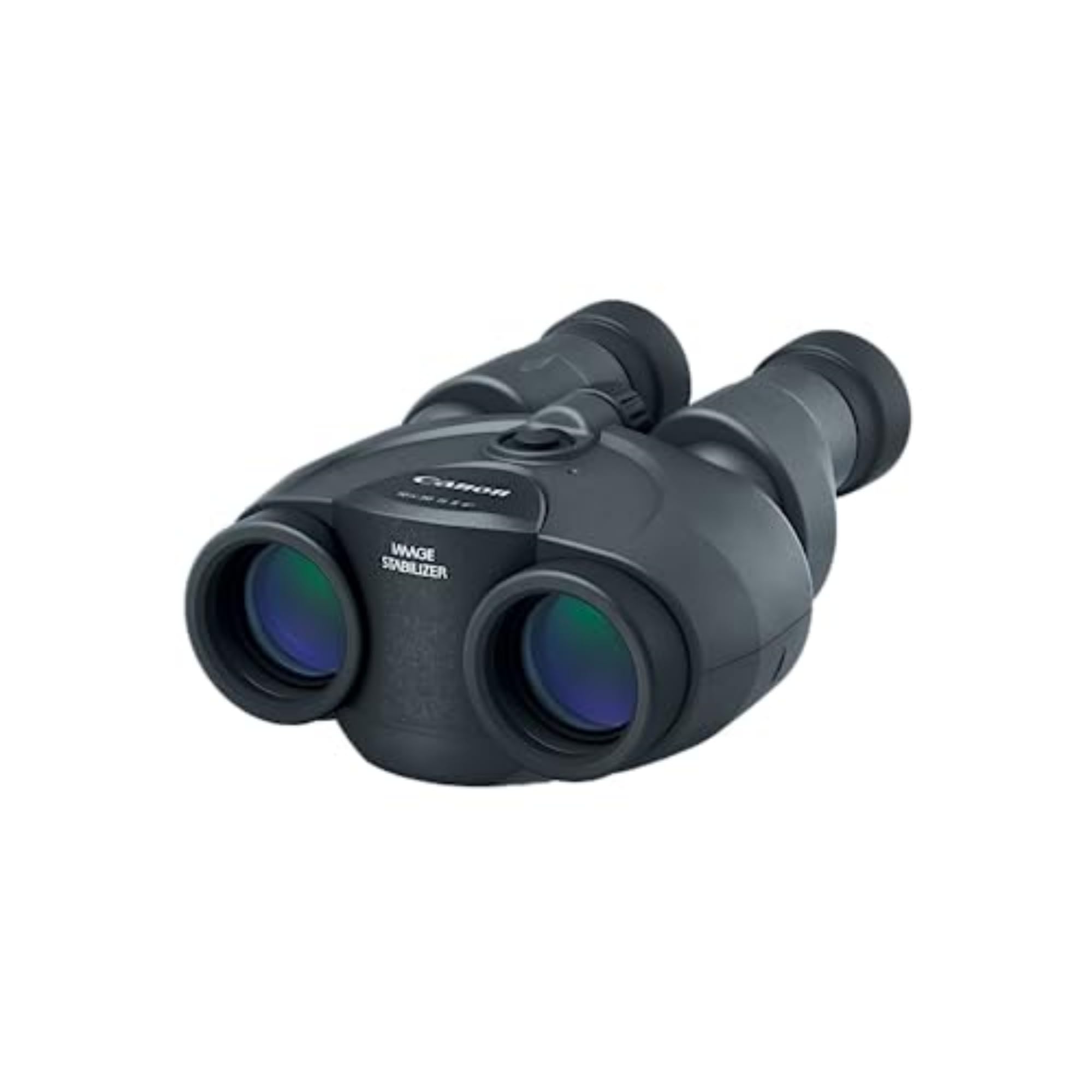


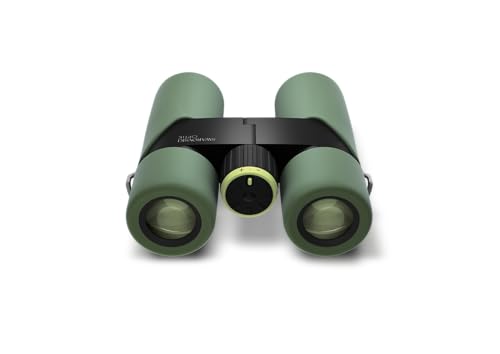

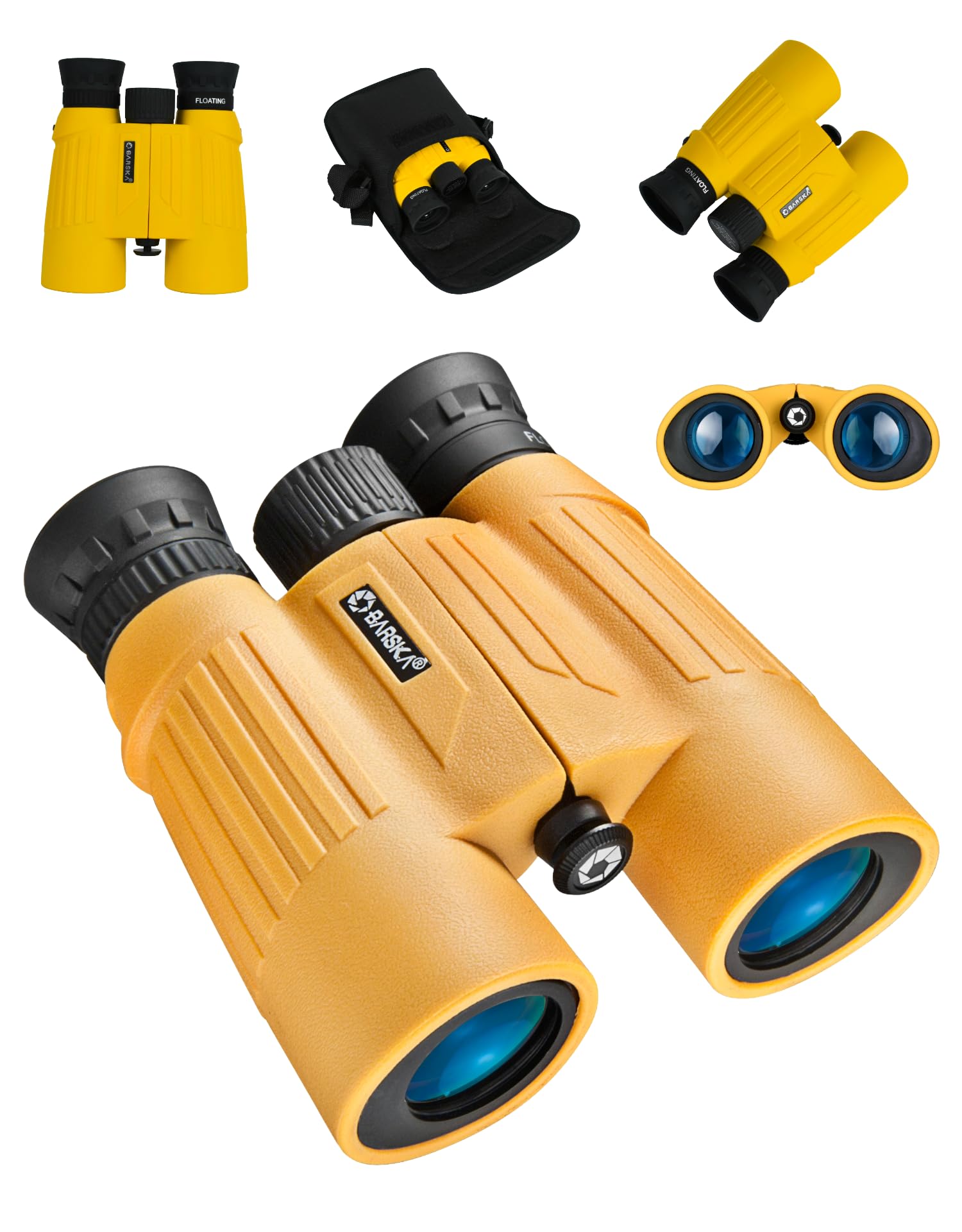
Who Should Buy Which 10x30 Binoculars?
Choose by the outing, not by the longest spec list. This is a daylight leaning compact format, so the groups below differ mainly in view width, comfort and ruggedness.
Travelers and Sightseers Who Pack Light
You move between overlooks, landmarks and train windows, often for hours at a time. Put weight and folded size first, because a pair at about 14 to 18 ounces disappears into a jacket pocket or a daypack side pocket. Look for a padded strap, attached caps and armor that shrugs off bumps in a bag. For other travel friendly sizes, see our guide to the best rated compact binoculars before you settle on this format.
Birdwatchers and Wildlife Watchers on Trails
You follow moving birds through branches and need to land on a subject fast, then focus smoothly as it shifts. Put field of view and focus wheel feel first, and treat extra weight as a fair trade for better glass. A short close focus also helps with butterflies and feeder birds. If birding is your main use, see our guide to the best binoculars for birdwatching for larger formats built around that hobby.
Sports and Concert Spectators in Daylight Seats
You sit for long stretches and hold the binoculars up in short bursts to follow a player or a performer. Put steady handling and eye comfort first, because 10x magnification shows hand shake once you tire. A grippy body, eyecups that stay set and a strap you can shorten matter more here than the widest possible view.
Key Features to Compare
Together these factors explain why two pairs with the same 10x30 label can feel very different in your hands.
What 10 by 30 Means for Brightness and Shake
The first number is magnification, so a subject looks ten times closer, and the second is the front lens diameter in millimeters. Divide 30 by 10 and you get an exit pupil of 3 mm, the small circle of light that reaches your eye. In full daylight your own pupil is near that size, so the view looks bright and crisp. At dusk your pupil opens wider than 3 mm, so a 10x30 view dims sooner than a larger format would.
Field of View and Finding Your Subject Fast
Field of view tells you how wide a scene you see at once, usually listed as feet at 1000 yards or as degrees. Most 10x30 models show about 290 to 340 feet at 1000 yards, roughly 5.5 to 6.5 degrees. A wider view makes it far easier to find a bird after you spot it with your naked eye, and it lets you follow action without constant panning. Hunters scanning field edges face the same tradeoff, covered in our guide to the best rated binoculars for hunting.
Eye Relief, Eyecups and the Diopter Dial
Eye relief is the distance your eye can sit from the rear lens while still seeing the full view, and most 10x30 models offer about 14 to 18 mm. If you wear glasses, choose the upper part of that range and keep the eyecups folded down, because your lenses hold the binoculars away from your eyes. Without glasses, twist the eyecups up until the black edges of the view disappear. The diopter dial on the right barrel corrects for a focus difference between your two eyes.
Prism Type, Glass and Lens Coatings
Nearly every 10x30 uses roof prisms, which keep the barrels straight and slim, while a Porro design is wider and shorter. Inside a roof prism pair, phase correction coatings keep colors true and edges sharp, so a pair without them can look soft even at the same price. Extra low dispersion glass in pricier models reduces the colored fringe around a bird against a bright sky. Lens coatings cut reflections and lift contrast, and fully multi coated glass treats every air to glass surface.
Weather Sealing, Armor and Compact Size
A sealed and nitrogen purged body keeps inside fog from forming in damp air and keeps rain and dust out. Look for a stated waterproof rating rather than a vague splash claim if you watch in wet places. Rubber armor adds grip with gloves on and protects the barrels when the pair knocks against a railing or a pack buckle. Check the folded length against the pocket or pouch where the pair will actually live.
How to Set Up 10x30 Binoculars for Your Eyes
A one minute setup makes any pair sharper. First, bend the hinge until the two round views merge into one circle with no dark split in the middle, which sets the barrel spacing for your eyes. Note the hinge scale number if one is printed, so you can reset it fast after lending the pair.
Next, cover the right front lens, focus on a distant sign with the main wheel using your left eye, then swap sides and turn only the diopter dial until the right eye view is sharp. Remove the cover and use the main wheel alone from then on. Finish on a close target, since most models focus down to about 6 to 10 feet and garden birds often sit near that range. If you are still weighing the best 10x30 binoculars against larger formats, see our guide to the best rated binoculars.
Common Mistakes to Avoid When Buying 10x30 Binoculars
- Buying a 10x30 pair for mostly dusk use leaves a dim view, because the 3 mm exit pupil cannot feed a widened eye.
- Ignoring field of view makes birds and fast plays hard to find during the whole outing.
- Choosing the cheapest glass without phase correction gives soft edges and dull colors that no focus adjustment can fix.
- Skipping a check with your glasses on leads to cut off edges, because short eye relief hides the outer part of the view.
- Leaving lens caps off in a bag lets grit reach the glass, and wiping that grit later can scratch the coatings.
Care and Maintenance Tips for 10x30 Binoculars
Blow loose dust off the lenses first, then wipe gently with a clean lens cloth in small circles from the center outward. Never use your shirt, because grit in fabric drags across the coating. Keep the caps on whenever the pair is in a bag, and use the strap rather than carrying the binoculars by one barrel.
After a wet outing, let the pair dry at room temperature with the caps off before casing it, and store it in a dry padded bag away from sun and car heat. Check the strap anchors and hinge tension now and then. A double image after a drop points to knocked prism alignment, so have a technician assess the pair.
10x30 Binoculars: Your Questions Answered
What specs matter most for a first pair of 10x30 binoculars?
Field of view, eye relief and honest weather sealing matter most for a first pair of 10x30 binoculars. Start with a view near the wide end of the range listed above, since that one choice makes every subject easier to find while you learn. Also check warranty length and drop coverage, a detail many first time buyers never read until they need it.
Is a smartphone camera enough instead of 10x30 binoculars for distant subjects?
No, a smartphone camera is not enough for sustained viewing of distant subjects, though it wins for sharing a quick photo. Phone zoom mostly crops and enlarges pixels, so feather detail and jersey numbers soften fast, while binoculars show a live optical view to both eyes. A phone also drains its battery and heats up during a long match, while a 10x30 pair works all day with nothing to charge.
How much should you spend on a first pair of 10x30 binoculars?
Plan on about $50 to $100 for a basic pair, about $100 to $250 for the clear step up in glass and sealing, and around $300 or more for premium coatings and build. Spend toward the middle if you will use the pair weekly, because better focus feel and brighter coatings are things you notice on every outing. Keep some budget for a harness strap if neck ache is what usually ends your walks early.
What do the numbers 8x42 and 10x42 mean next to 10x30 binoculars?
The numbers 8x42 and 10x42 mean eight or ten times magnification with a 42 mm front lens, so both gather more light than a 30 mm lens. An 8x42 pair also shakes less in your hands and usually shows a wider view, which suits wooded trails. The cost is size and weight on your neck, so many walkers keep a 10x30 for travel days and reach for a 42 mm pair at home.
Which binocular size is better for low light than a 10x30 model?
A 42 mm or 50 mm objective size is better for low light than a 10x30 model, because the larger front lens feeds a bigger exit pupil at the same power. Dawn bird walks, shaded forest and evening games after sunset all reward that extra brightness more than extra magnification does. If your outings end by sunset, a 10x30 stays a sound and lighter choice.
Final Thoughts
Match the glass to your light, the view width to your subject and the size to your carry habits, and this compact format rewards you on every trip. Recheck the shortlist in the product table above against your eye relief needs and usual weather.
Chosen that way, the best 10x30 binoculars become the pair you grab without thinking, small enough to bring along and clear enough to make the bringing worthwhile.


