
Best 10x25 Binoculars for 2026: Everything to Know Before Your First Purchase
Disclosure: We may earn a commission when you buy through links on this page, at no extra cost to you. As an Amazon Associate I earn from qualifying purchases. Learn more

A plain-English guide to the best 10x25 binoculars: exit pupil, eye relief, and how to choose a compact pair for travel, sports and walks.
Buying your first compact pair can feel confusing because two small numbers carry a lot of meaning. The best 10x25 binoculars for you make distant action look ten times closer while still fitting in a jacket pocket. This guide starts with the basics, then walks through the specs in plain English so you can read the product table with confidence.
Think first about where you will use the pair most. A traveler, a sports fan and a casual nature watcher all want the same small size, but they need different field of view, eye relief and brightness. The sections below match each use to the features that matter, so you pay only for what you will notice.
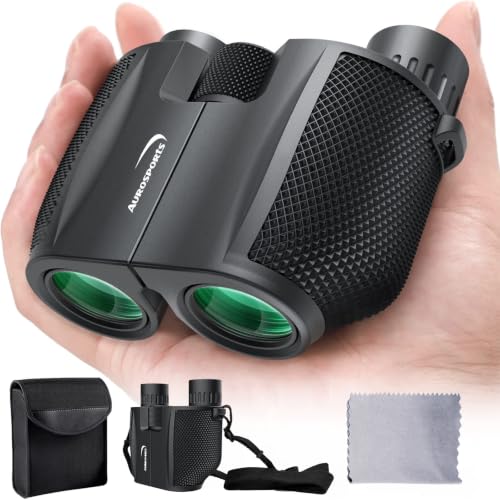
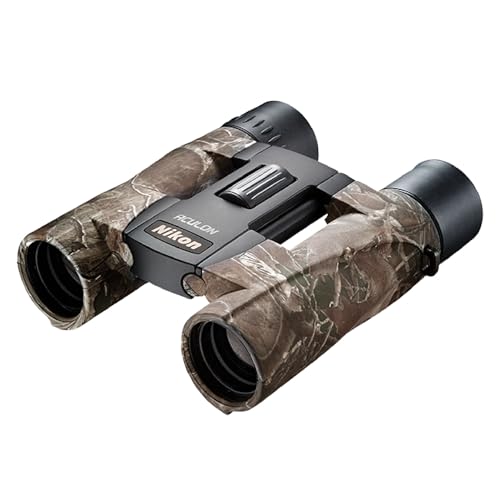


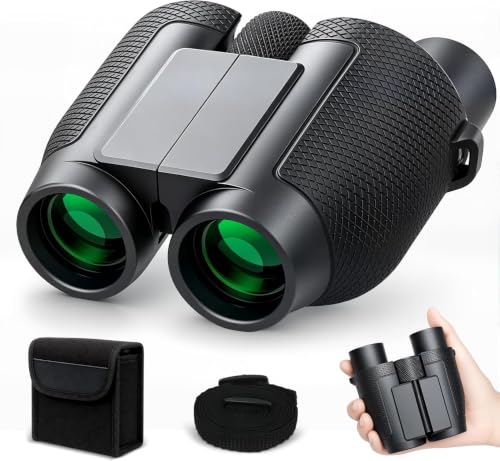
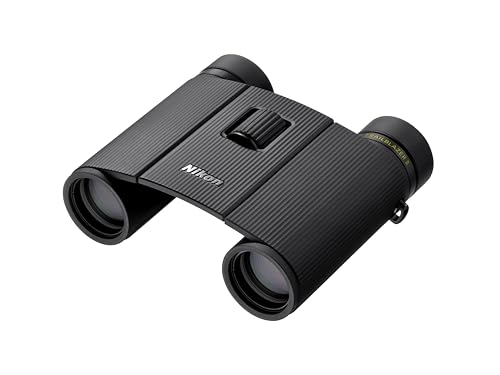
10x25 Binoculars 101: The Basics for First Time Buyers
A pair of binoculars is two small telescopes joined by a hinge, one for each eye. Light enters through the front objective lens, passes through prisms that turn the image upright, and reaches your eyes through the eyepieces. Using both eyes feels natural, and depth is easier to judge on moving subjects.
The first number, 10x, is the magnification, so an object 100 yards away looks as if it were about 10 yards away. The second number, 25, is the diameter of each objective lens in millimeters. That pairing defines this class: strong magnification in a body small enough to carry all day, with a front lens that gathers less light than a larger pair.
Who Should Buy 10x25 Binoculars?
Choose this size when portability matters more than the brightest possible view. The groups below show where a 10x25 pair fits well and where its limits show.
Travelers and Hikers Who Pack Light
You want a closer look at landmarks, trail signs and wildlife without giving up much bag space. A 10x25 pair often weighs about 8 to 12 ounces and folds small enough for a daypack side pocket or a coat pocket. Choose a secure neck strap and a padded case, because a pair left at home helps no one.
Sports Fans and Theater and Concert Goers
You sit far from the action and want faces, jersey numbers and stage detail without renting gear at the venue. Ten times magnification brings a distant play or performer usefully closer from an upper seat. A wide field of view helps you follow fast play. For broader comparisons, see our guide to the best rated binoculars.
Casual Bird and Nature Watchers Starting Out
You watch garden birds, park wildlife and shoreline birds on walks, mostly in daylight. A 10x25 pair is a sensible starting point because it is light on a long walk and simple to share. Look for a short close focus distance so nearby butterflies and feeder birds stay sharp. If birding becomes your main hobby, see our guide to the best binoculars for birdwatching before you upgrade.
Key Features to Compare
Compare the best 10x25 binoculars on these five factors in order, and the right trade offs for your use become clear.
Magnification, Objective Size and Exit Pupil
Exit pupil is the width of the beam of light that reaches each eye, found by dividing the objective size by the magnification, so a 10x25 pair gives about 2.5 mm. Your own pupil opens wider in dim light, often to about 5 mm or more, so a 2.5 mm beam cannot fill it and the image looks dimmer at dusk. In bright daylight your pupil narrows, so the same pair looks crisp and clear. Choose 10x25 for daytime use, and expect limits under deep shade.
Field of View and Hand Shake at 10x
Field of view is the width you can see at a set distance, often given as feet at 1,000 yards, and compact 10x pairs often show about 260 to 340 feet. A wider view makes it easier to find a bird or follow a ball, because less of the scene is cut off. Magnification also magnifies hand movement, so a 10x image shakes more than an 8x image does.
Eye Relief, Eyecups and Focus Controls
Eye relief is the distance your eye can sit from the eyepiece while still seeing the full view, and about 14 mm or more suits most glasses wearers. Eyecups that twist up and down let you set that distance with or without glasses. The center focus wheel should turn smoothly with one finger, and a diopter dial on one eyepiece lets you balance focus between your two eyes.
Glass, Prisms and Lens Coatings
Most 10x25 models use roof prisms, which keep the barrels straight and slim enough to fold flat. Better glass and full coatings on lens surfaces raise contrast and reduce glare, so feather detail and colors look clearer in bright sun. Phase coating on the prisms sharpens the image further and is worth seeking at higher prices. Judge coatings as a clarity gain, not a cure for dim views at dusk.
Weight, Folded Size and Weather Protection
Weight and folded size decide whether you carry the pair daily or leave it behind, so check both figures rather than trusting a product photo. Rubber armor adds grip and protects the body from knocks in a bag. Sealed models described as waterproof and fogproof resist rain and misting when you step from a cool car into warm air, which matters for boat trips and wet hikes. Hunters facing those conditions can also see our guide to the best rated binoculars for hunting.
Getting Started: Setup and First Use for 10x25 Binoculars
Start by adjusting the hinge until the two round views merge into one circle with no black edges at the sides. Next, cover the right barrel, focus the left side with the center wheel on a distant sign, then cover the left barrel and use the diopter dial to focus the right side. Once set, leave the diopter alone and focus with the center wheel alone.
Attach the neck strap before your first outing and adjust it so the pair rests on your chest, not at your waist where it swings. Practice finding a landmark with your naked eye first, then raising the pair while you keep looking at that spot.
Common Mistakes to Avoid
- Choosing 10x25 binoculars for regular dawn or dusk viewing leaves you with a dim image when light is low.
- Ignoring eye relief when you wear glasses leaves you seeing a narrow view with dark edges.
- Buying on magnification alone leaves you with more hand shake and a narrower field of view than you expected.
- Skipping the diopter setup leaves one eye slightly out of focus and causes tired eyes on long outings.
- Storing the pair loose in a bag without a case leaves the lenses scratched and the hinge knocked out of line.
- Wiping lenses with a shirt sleeve grinds dust across the coating and leaves fine scratches over time.
Care and Maintenance for 10x25 Binoculars
Blow or brush loose dust off the lenses first, then wipe gently with a clean microfiber cloth made for optics, using small circles from the center outward.
Store the folded pair in its case in a dry place at room temperature, away from car heat and damp basements. Check the strap anchors and hinge tension now and then, and tighten nothing you cannot name, because the internal prisms need specialist tools. If the two images will not merge after a drop, stop using the pair and seek a repair service. For other compact options, see our guide to the best rated compact binoculars.
10x25 Binoculars: Your Questions Answered
Are 10x25 binoculars good in low light?
No, 10x25 binoculars are a weak choice for regular low light use. Their small exit pupil limits brightness at dawn, dusk and in dense woods, even though the same pair looks sharp at noon. Before you commit, try a shaded sign at dusk. If most of your viewing happens then, a larger objective lens will serve you better.
What do the numbers 8x42 and 10x42 mean on binoculars?
The numbers 8x42 and 10x42 mean 8 or 10 times magnification paired with a 42 mm objective lens. Compared with a 10x25 pair, a 10x42 gathers far more light and gives a brighter view, but it is larger and heavier to carry. An 8x42 shakes less and usually shows a wider view. Choose the larger formats when weight is acceptable and dim light viewing matters often.
How much should you spend on your first 10x25 binoculars?
Most first time buyers do well at about $30 to $100 for a 10x25 pair. Below about $30, focus wheels and hinges often feel loose and views lose sharpness at the edges. Paying more, up to about $150, mainly buys better coatings, smoother focus and stronger weather sealing. Set your budget by how often you will carry the pair each month.
Can a smartphone replace 10x25 binoculars?
No, a smartphone cannot fully replace 10x25 binoculars for live viewing. Phone zoom enlarges a digital image, so fine detail softens quickly, and holding a phone steady at high zoom is harder than holding two barrels with both hands. A phone does win for taking a photo to identify a bird later. Many walkers carry both, viewing through the pair first.
Which 10x25 binocular specs matter most for a first time buyer?
Eye relief and field of view matter most for a first time buyer of 10x25 binoculars. A comfortable view that you can find quickly teaches you the habit of carrying the pair, while a cramped view gets left at home. One point many new buyers miss is the minimum interpupillary distance, which matters if the pair will be shared with a child. Check that figure before ordering for shared family use.
The Bottom Line
For a first pair, put brightness expectations first, then eye relief and field of view, then weight and weather sealing. A 10x25 pair rewards daytime travelers, sports fans and casual nature watchers who value a light bag over a bright dusk view. Use the product table to check those figures side by side.
When you choose the best 10x25 binoculars that match your light, your eyes and your carry habits, you get a small tool you will actually bring, and that habit is what makes any compact pair worth its price.


