Best 10 Inch PA Speakers: Our 2026 Checklist and Buying Guide
Disclosure: We may earn a commission when you buy through links on this page, at no extra cost to you. As an Amazon Associate I earn from qualifying purchases. Learn more

A practical checklist for picking the best 10 inch pa speakers: power, coverage, inputs, build, and setup for live sound and events.
A ten inch PA cabinet sits in a sweet spot. It is light enough for one person to carry and lift onto a stand, yet large enough to carry voices and music clearly across a hall, a patio, or a small outdoor gathering. Choosing well means matching power, coverage, and inputs to your room and your audience, not chasing the biggest watt number on a box.
This guide walks you through a simple checklist for the best 10 inch pa speakers so you can compare models with confidence. You will learn what each spec means in plain terms, which price tiers make sense, and which warning signs should send you back to the product table for another look.
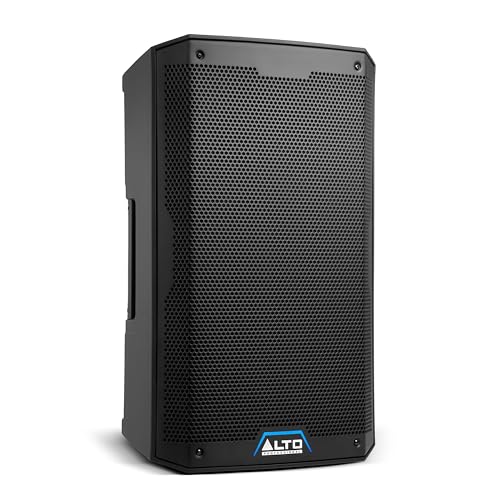
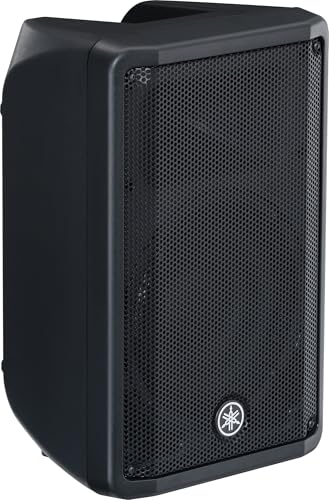



How to Choose the Best 10 Inch PA Speakers
Think of the sections below as a scorecard. As you read any product listing, grade it on each point. A speaker that scores well on sound, coverage, and connections will serve you far longer than one that wins on a single headline number and falls short everywhere else.
Sound Quality and Tuning
Start with clarity at the volume you will actually use. A good ten inch woofer with a well matched compression driver should keep voices intelligible and music balanced without harsh edges. Look for a published frequency response that reaches down to around 55 to 65 Hz, which is enough for speech and most music, though deep bass for dance tracks will still need a subwoofer. Onboard tone controls or preset voicings for speech, music, and live performance help you adapt quickly when a room sounds boomy or a microphone starts to ring.
Power Output and Coverage
Watt ratings are easy to inflate, so treat them as a rough guide and focus on maximum sound pressure level instead. For talks and acoustic sets in rooms up to about 100 people, a cabinet rated around 126 to 130 dB maximum output is usually plenty.
Coverage angle matters just as much. A dispersion pattern near 90 degrees horizontal spreads sound across wide seating, while a narrower pattern pushes sound farther in long rooms. If you speak to crowds often, also compare our notes on best 12 inch pa speakers, since the larger cabinet carries more low end for bigger spaces.
Durability and Build Quality
PA speakers travel, so the cabinet takes knocks that home speakers never see. Molded composite cabinets shrug off dents and stay light, while plywood cabinets feel solid and often sound warmer but weigh more. Check that handles feel secure, that the grille is steel rather than thin plastic, and that feet and pole sockets are reinforced.
For outdoor use under cover, splash resistance is a bonus, but no PA cabinet should sit in direct rain unless the maker rates it for that exposure. Store the speaker dry and transport it in a padded bag when you can.
Inputs, Mixer Section, and Controls
Most buyers in this size class choose powered cabinets with a small mixer built in, and the mixer layout decides how pleasant setup feels. You want at least two combination inputs that accept microphone and line signals, each with its own level control, plus a simple way to play music from a phone. Bluetooth streaming is handy for background music between sets. A thru output lets you link a second cabinet or send signal to a monitor. If you are still deciding between formats, our guide to the best 10 inch powered speakers explains the powered route in more depth.
Drivers and Component Quality
The woofer and driver pairing shapes both tone and reliability. A ten inch woofer handles the midrange body of voices, so clean midrange response matters more than extreme bass claims. Component quality also decides how a system grows. If you later add a subwoofer, a cabinet with a proper high pass filter option will blend far better. Readers building custom systems instead of buying complete cabinets may want to compare raw drivers in our guide to the best 10 inch midrange speakers before choosing a complete PA box.
Placement and Room Size
Placement can fix problems that money cannot. Raise the cabinet so the horn sits just above head height, aim it at the middle of the audience, and keep microphones behind the speaker line to reduce feedback. In a long hall, two smaller cabinets placed partway down the room often beat one loud cabinet at the front.
Outdoors, sound escapes in every direction, so expect to need noticeably more output than the same crowd indoors. Angle the cabinet slightly downward for seated listeners close to the stand so the front rows are not blasted.
Portability, Weight, and Power Options
Weight decides whether you enjoy owning the speaker. Most ten inch powered cabinets weigh about 20 to 30 lb, which most adults can lift onto a stand safely with two hands. Battery powered models add freedom for ceremonies and outdoor talks where outlets are far away, and they typically run about 4 to 10 hours at moderate volume, but they cost more and weigh more than comparable plug in models. If you play mostly indoors near power, a standard mains powered cabinet gives you more output for your money and one less battery to maintain.
Price Tiers and What They Deliver
Instead of chasing a single recommended model, use price tiers to set expectations. The product table above lists current options side by side, and the tiers below tell you what each spending level usually buys in this category.
Entry Tier, Around $150 to $250
At this level you get a capable powered cabinet for speech, classroom use, and small gatherings. Expect plastic cabinets, basic two channel mixing, Bluetooth playback, and enough output for rooms of about 50 people.
Tone controls are simple, and low bass is limited, so plan on adding a subwoofer later if you play bass heavy music. Warranty cover is often one year. For a solo performer or a school that needs clear announcements and background music, this tier covers the essentials without overspending.
Mid Tier, Around $250 to $450
This is the value sweet spot for most buyers. Cabinets here add stronger amplifiers, better drivers, clearer maximum output ratings, and more flexible mixers with three or four inputs. Many include helpful extras such as feedback suppression, preset voicings, and app control for volume and tone from the back of the room.
Build quality improves, pole mounts feel sturdier, and warranties often stretch to two or three years. Wedding DJs, houses of worship, and fitness instructors who work several days a week usually land happiest in this tier.
Upper Tier, Around $450 to $700
Paying more buys refinement rather than raw loudness. Expect lighter premium cabinets, very clean sound at high volume, wider and more even coverage, and advanced digital processing that protects drivers automatically.
These models suit working musicians and rental providers who run gear hard and need it to sound polished in varied rooms. You also tend to get better resale value and longer warranty support. If your events are occasional and small, this tier is more than you need, but daily professional use justifies the step up.
Quick Buyer Checklist
Run through these questions before you buy. If you answer no to several of them, keep comparing options in the product table above before you spend.
- Does the maximum output rating suit my largest expected crowd and room size?
- Does the cabinet have enough inputs for my microphones, instruments, and music source at the same time?
- Can I lift the weight onto a stand safely by myself, event after event?
- Does it offer tone controls or voicing presets for speech and music?
- Is there a thru output so I can add a second cabinet or a subwoofer later?
- Does the warranty run at least one full year, and is service available in my country?
- If I work outdoors, is the cabinet protected under cover and is power safely within reach?
Red Flags to Watch For
A few warning signs appear again and again on weak listings. Huge watt claims with no maximum output figure usually mean the rating reflects a brief peak rather than honest continuous power. Vague frequency response numbers with no range stated, such as a single low number with no tolerance, hide how little bass the cabinet truly makes.
Missing weight or dimension data is another concern, since honest makers publish full specs. Be wary of unknown brands with no service network, no manual online, and a warranty measured in months. Finally, a flood of short glowing comments posted on the same dates is a pattern worth distrusting.
Care and Maintenance Tips
Good habits keep a PA cabinet sounding clean for years. Wipe the grille and cabinet with a dry or slightly damp cloth, and never spray cleaner directly onto drivers. Check cables before each event and replace any that crackle when moved.
Store the speaker upright in a dry place, and let a cold cabinet warm up indoors before use so condensation clears. Keep firmware updated if your model supports updates, since makers sometimes improve protection and Bluetooth stability. Coil cables loosely rather than wrapping them tight around your arm, which breaks internal strands over time.
FAQs
Do I need a powered or a passive 10 inch PA speaker?
Most buyers should choose a powered speaker because the amplifier is built in and matched to the drivers by the maker. You simply connect a microphone or mixer and play. Passive cabinets need a separate amplifier and more knowledge to match safely, which suits fixed installs with existing gear. For portable events, talks, and small bands, powered cabinets are simpler, faster to set up, and harder to damage by accident.
How much wattage do I need for 100 people?
For 100 people indoors, look at maximum output rather than watts. A cabinet rated around 128 to 132 dB maximum output will cover speech and music for that crowd in a typical hall. Spoken word needs less than a live band, and outdoor events need more because sound disperses. Two cabinets at moderate volume almost always sound clearer than one cabinet pushed to its limit, so a pair of mid tier models is a smart path for growing events.
Can a 10 inch PA speaker handle bass heavy music on its own?
It can play bass heavy music, but it will not reproduce the deepest notes with real weight. A ten inch woofer in a compact cabinet typically rolls off below around 55 to 65 Hz, so kick drum punch feels thinner than at a club. For parties where low end matters, add a powered subwoofer and use the cabinet high pass setting. For speech, acoustic music, and background playlists, a ten inch cabinet alone is perfectly satisfying.
What height should I place a PA speaker on a stand?
Place the speaker so its horn sits just above the heads of your audience, often about 5 to 6 feet from the floor for seated crowds. This height lets sound travel over the front rows to the back without blasting nearby listeners. Always lock the stand legs fully open, keep the load centered, and route cables so nobody trips. On uneven outdoor ground, widen the stance and weigh the base down with a sandbag for stability.
Can I use a PA speaker for home music and movies?
You can, but expect a different character from home audio gear. PA cabinets are voiced for clarity and projection, so they sound lively and direct at home, sometimes brighter than bookshelf speakers. They also lack remote controls and fine volume steps at low levels. If your main goal is relaxed home listening, compare the options in our guide to the best 10 inch speakers as well, since home models trade projection for refinement at close range.
Final Thoughts
Focus on three things and the choice gets simple. Match maximum output and coverage to your real crowd size, confirm the mixer has the inputs you use every event, and pick a weight you can happily lift week after week. Check your shortlist against the product table above, and the best 10 inch pa speakers for your work will stand out clearly. Buyers who expect deeper bass for large parties can also weigh a bigger cabinet using the midbass driver ideas in our guide to the best 10 inch midbass speakers as background reading.