
Best 10 Inch Guitar Speakers: Buying Guide for 2026
Disclosure: We may earn a commission when you buy through links on this page, at no extra cost to you. As an Amazon Associate I earn from qualifying purchases. Learn more

Use this buying guide to compare the best 10 inch guitar speakers by tone, power handling, sensitivity and cabinet fit before you replace a speaker.
Swapping a speaker is the fastest way to change what your amp sounds like, often more dramatic than new tubes or a different pedal. The best 10 inch guitar speakers for your amp are the ones whose voicing, power handling, and impedance fit your music and your cabinet, and this guide shows you how to judge each point.
Rather than pushing named models, we break the choice into three speaker profiles, the specs that shape tone, and the types you will meet while shopping. Start with the product table, then use the sections that follow to narrow the best 10 inch guitar speakers down to the profile that suits your playing.


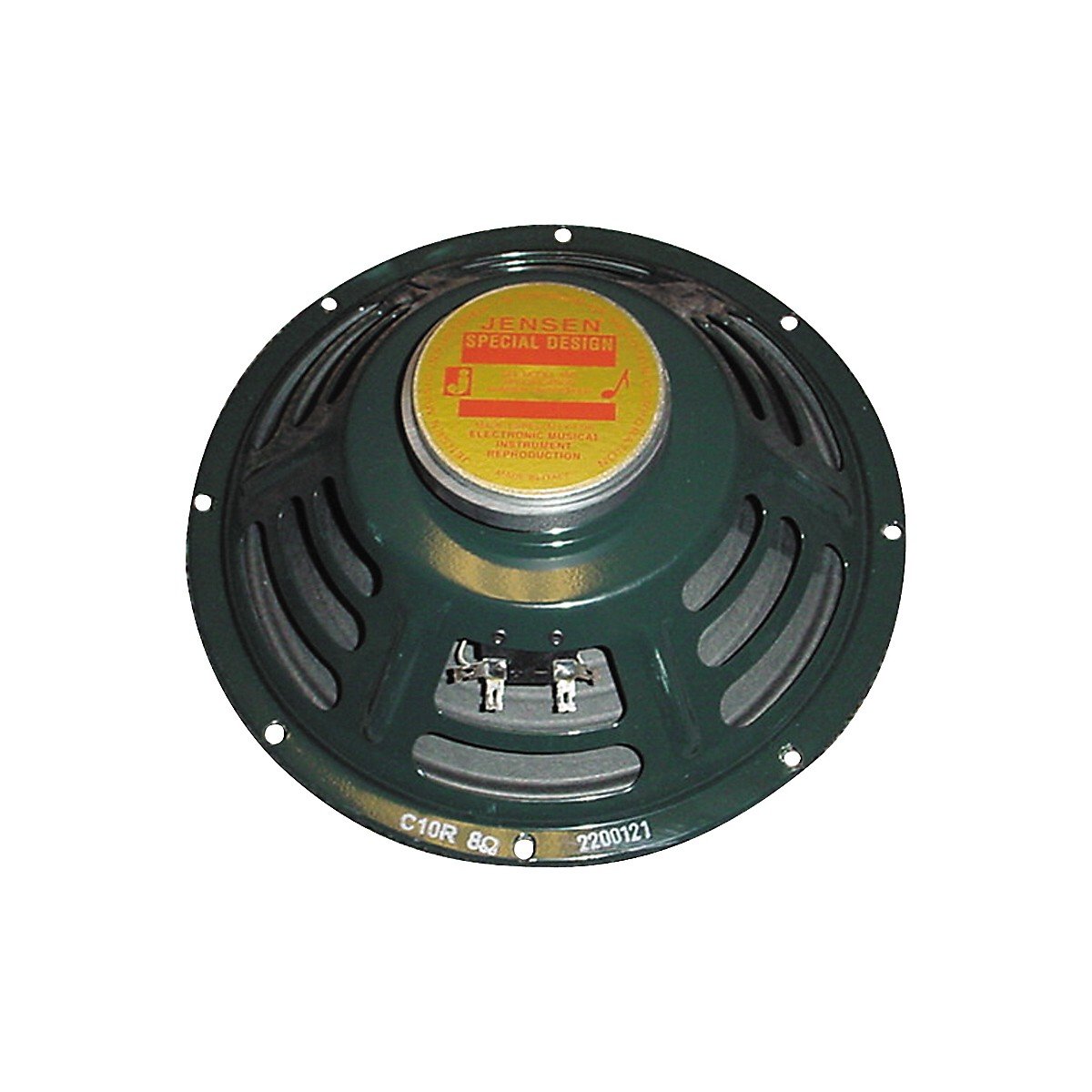


Three Profiles of the Best 10 Inch Guitar Speakers
Most 10 inch guitar speakers fall into one of three profiles. Decide which profile matches your goal first, because that choice removes most of the catalog and makes the spec comparisons in the next section much easier.
The Balanced Overall Profile
A balanced driver aims for an even response, with enough low end to sound full at home volume and enough top end to stay clear in a band. This profile suits players who use one amp for many styles, from clean rhythm work to driven leads, and who rely on pedals for most of their gain character. Look for moderate power handling around 30 to 50 watts, sensitivity near 96 to 98 dB, and a voicing described as neutral or versatile. The limitation is personality. A balanced speaker rarely delivers the sweetest vintage chime or the hardest modern punch, so specialists may find it polite.
The Value Profile
Value drivers deliver honest tone at the lowest sensible cost, often around $60 to $100. They suit a practice amp upgrade, a first speaker swap, or a cabinet you are trying out before committing real money. Expect ceramic magnets, moderate sensitivity, and voicings copied from classic designs, with build quality that is good rather than luxurious. The savings usually cost you some low end authority and a little smoothness when pushed hard. If your amp itself is a budget model, a value speaker is often the smartest upgrade you can make, because it fixes the weakest link without overspending.
The Upgrade Profile
Upgrade drivers cost more, often about $130 to $220, and spend that money on refined cones, stronger motors, and in some cases lightweight neodymium magnets. The payoff is detail: cleaner note separation, a more controlled breakup, and consistent tone night after night. This profile suits recording players, gigging musicians with a favorite amp, and anyone chasing a specific vintage or modern voice. The risk is mismatch rather than quality. An expensive driver voiced for bright American cleans will not satisfy a player who wants dark British crunch, so buy the voicing, not the price tag.
How to Choose the Right 10 Inch Guitar Speaker: Buying Guide
The six points below decide whether a speaker and an amp work as a team. Judge every candidate in the product table above against all six, in this order, and you will avoid the common swap regrets.
Sound Quality and Tuning
Voicing is the heart of the choice. American voiced drivers tend to sound scooped and sparkling, with strong lows and clear highs that flatter clean playing. British voiced drivers push the mids forward and break up with a throaty growl that suits rock. Modern drivers aim for tight lows and even response at high gain. Frequency response charts help, but the plain rule is to match the voice to your amp. A bright speaker in an already bright amp gets harsh, while a dark speaker in a dark amp turns muddy.
Durability and Materials
Formal IP ratings do not apply to guitar speakers, since they live inside cabinets and are not built for weather. Durability here means cone material, surround treatment, and voice coil construction that survive heat and years of vibration. Paper cones give classic tone but dislike moisture, so gigging players in humid regions should look for treated cones. A sturdy frame, clean glue joints, and a maker that publishes real power ratings all signal a driver built to last. Keep the cabinet dry and the speaker will usually outlast the amp around it.
Power Handling and Headroom
Power handling tells you how much amp output the driver can take safely, and the rule is to meet or exceed your amp rating. A 20 watt amp pairs safely with a 30 watt or higher driver, which also leaves headroom for clean volume. Running a low rated vintage style driver near its limit produces speaker breakup, a fuzzy edge some players love and others hate. Decide which camp you are in before choosing.
Voicing Character and Breakup Behavior
Beyond basic tuning, listen for how the driver behaves as volume rises. Some speakers stay clean and firm, letting the amp do all the distorting, while others add their own compression and edge, which can make a small amp sound bigger and more alive. Cone material, magnet size, and dust cap design all shape this behavior. Players with low wattage amps often love early breakup, because it adds character at home volume. High wattage players usually want the opposite, a driver that holds together and keeps low notes tight.
Weight and Cabinet Fit
Fit is a practical gate you must pass before tone even matters. Confirm the cutout size, mounting depth, and bolt pattern of your cabinet, and check whether the driver mounts from the front or the rear. Weight shapes your gig life too. A heavy ceramic magnet driver can push a small combo toward awkward carrying weight, while a neodymium driver keeps the same cabinet easy to move. Also check clearance behind the magnet, since deep drivers can foul against amp chassis parts in tight combos.
Sensitivity and Real World Volume
Sensitivity, rated in decibels at 1 watt, is your volume lever. A driver rated at 98 dB sounds clearly louder than one at 94 dB from the same amp, which can rescue a quiet combo or tame a loud one. Players with small amps for home use sometimes choose lower sensitivity on purpose, so the amp can work harder at friendly volumes. Band players usually want the opposite. Treat sensitivity as a tone decision as well, because efficient drivers often sound more immediate and present, while quieter ones feel softer and more forgiving.
Types of 10 Inch Guitar Speakers
Shoppers usually meet three families once the profiles above narrow the field. Each family below describes a buying route, with its strength and its catch.
American Voiced Models
American voiced drivers deliver clean headroom, sparkling highs, and a firm low end that suits country, surf, funk, and pedal platform amps. They stay composed at volume and take effects cleanly. The catch is that their scooped mids can sound thin with a weak amp or for heavy rock rhythm work. Choose this family when clarity is the goal.
British Voiced Models
British voiced drivers bring forward mids, an earlier breakup, and a vocal quality that sits a guitar right in a rock mix. They make modest amps sound larger than they are. The catch is a top end that can turn aggressive with bright guitars, and lows that stay looser than American designs. Choose this family when crunch and character matter more than pristine cleans.
Modern High Power Models
Modern high power drivers handle 75 watts and far beyond, with tight lows and controlled highs built for high gain and extended range guitars. They stay clear where vintage style drivers would crumble. The catch is a flatter personality at low volume, and prices that sit near the upgrade tier. Choose this family for metal, fusion, or a loud clean platform. If your search started with low end needs instead, see our guide to the best 10 inch bass guitar speakers, because those drivers are built very differently.
How to Make Your 10 Inch Guitar Speaker Last Longer
- Break it in gently. Play at moderate volume for the first several hours so the cone and surround loosen evenly before any loud sessions.
- Respect the power rating. Long sessions above the rated limit cook the voice coil, so turn down or choose a higher rated driver for loud gigs.
- Keep it dry and clean. Store the amp in a dry room, dust the cone lightly with a soft brush, and never spray cleaner on the paper.
- Check mounting screws yearly. Vibration loosens hardware over time, and a firm, even mount prevents rattles and frame stress.
- Watch for warning sounds. Buzzing, rubbing, or a sudden loss of lows can signal early damage, and stopping early often saves the driver.
- Carry the cabinet carefully. Hard drops can shift the magnet or bend the frame, so pad the amp in the car rather than letting it slide.
10 Inch Guitar Speakers: Your Questions Answered
How much power handling does a 10 inch guitar speaker need?
It needs at least as much as your amp can deliver, and a little more is safer. A driver rated about one and a half times your amp wattage gives headroom for peaks and keeps the voice coil cool. Players who want speaker breakup on purpose choose ratings closer to the amp output, accepting more risk. Check your amp rating on its rear panel before ordering.
What impedance should I choose for a replacement guitar speaker?
Match the impedance of the speaker you remove, because your amp expects that load. Most small combos use a single 8 ohm or 16 ohm driver, and the old speaker label or cabinet plate usually states it. Running a much lower impedance than the amp expects can strain a tube amp output stage. When in doubt, copy the original rating exactly.
Does a new guitar speaker need a break in period?
Yes, most new drivers sound slightly stiff and bright until the moving parts loosen, usually within the first 10 to 20 hours of normal playing. The low end gains warmth and the top end relaxes as the surround flexes. Normal playing at moderate volume does the job well. Avoid blasting a brand new driver at full volume, since the stiff suspension handles stress poorly at first.
Can I mix two different 10 inch speakers in one cabinet?
Yes, mixing is a classic way to blend voices, such as pairing a bright driver with a darker one for a fuller combined tone. Keep the impedance plan correct for your amp and expect the louder, higher sensitivity driver to dominate the mix. Level differences of more than about 2 dB make one speaker mostly decoration. Our guide to the best 10 inch midrange speakers helps if your blend needs more midrange focus.
How long does a 10 inch guitar speaker usually last?
A quality driver commonly lasts decades when it stays within its power rating and lives in a dry room. The parts that age are the surround and the cone, which slowly fatigue after years of heavy use and humidity. Many vintage drivers still sound excellent today, which proves the point. Treat yours gently and it may be the last speaker your amp ever needs. For a wider comparison across sizes and uses, see our guide to the best 10 inch speakers.
Wrapping Up
Decide your profile, match the voicing to your amp, and confirm power, impedance, and fit before money changes hands. Sensitivity then fine tunes how loud the pairing plays in your room or on your stage. The best 10 inch guitar speakers for your setup are in the product table above, and players building a two speaker blend may also want our guide to the best 10 inch midbass speakers for stronger low mid support.


