Best 10 Inch Bass Guitar Speakers: Everything to Know Before Your First Purchase in 2026
Disclosure: We may earn a commission when you buy through links on this page, at no extra cost to you. As an Amazon Associate I earn from qualifying purchases. Learn more

Shopping for the best 10 inch bass guitar speakers for the first time? Learn the terms, compare options, and avoid rookie mistakes with this easy guide.
Buying your first replacement speaker feels confusing because the spec sheets assume you already speak the language of ohms, watts, and frequency response. The best 10 inch bass guitar speakers for you are simply the ones whose power, impedance, and tone match your amp and cabinet, and this guide explains each term in plain language.
We will start with the basics of what a 10 inch bass speaker does, walk through the specs one by one, and flag the mistakes that damage gear. Use the product table to check the models against each point as you read.




10 Inch Bass Guitar Speakers 101: The Basics
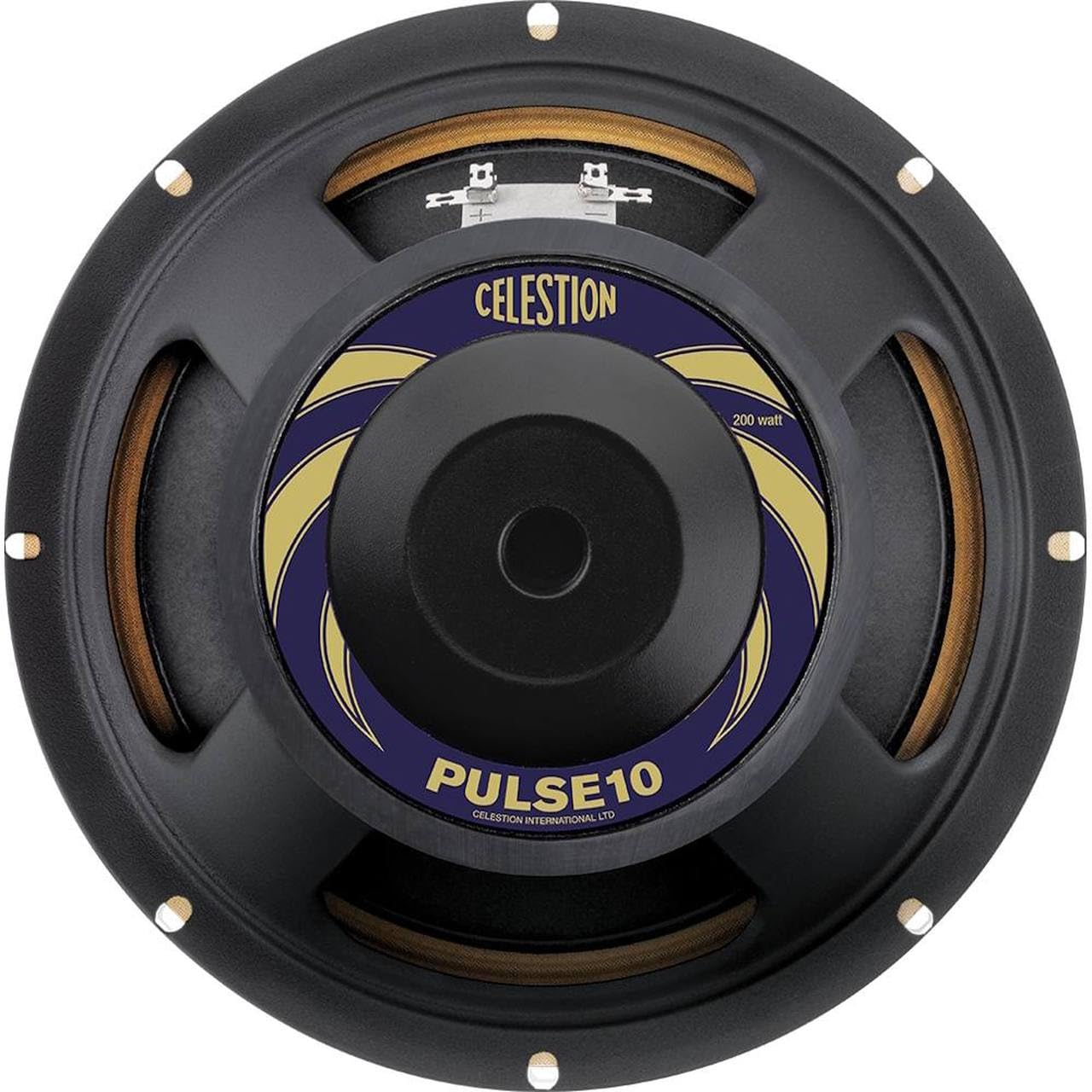
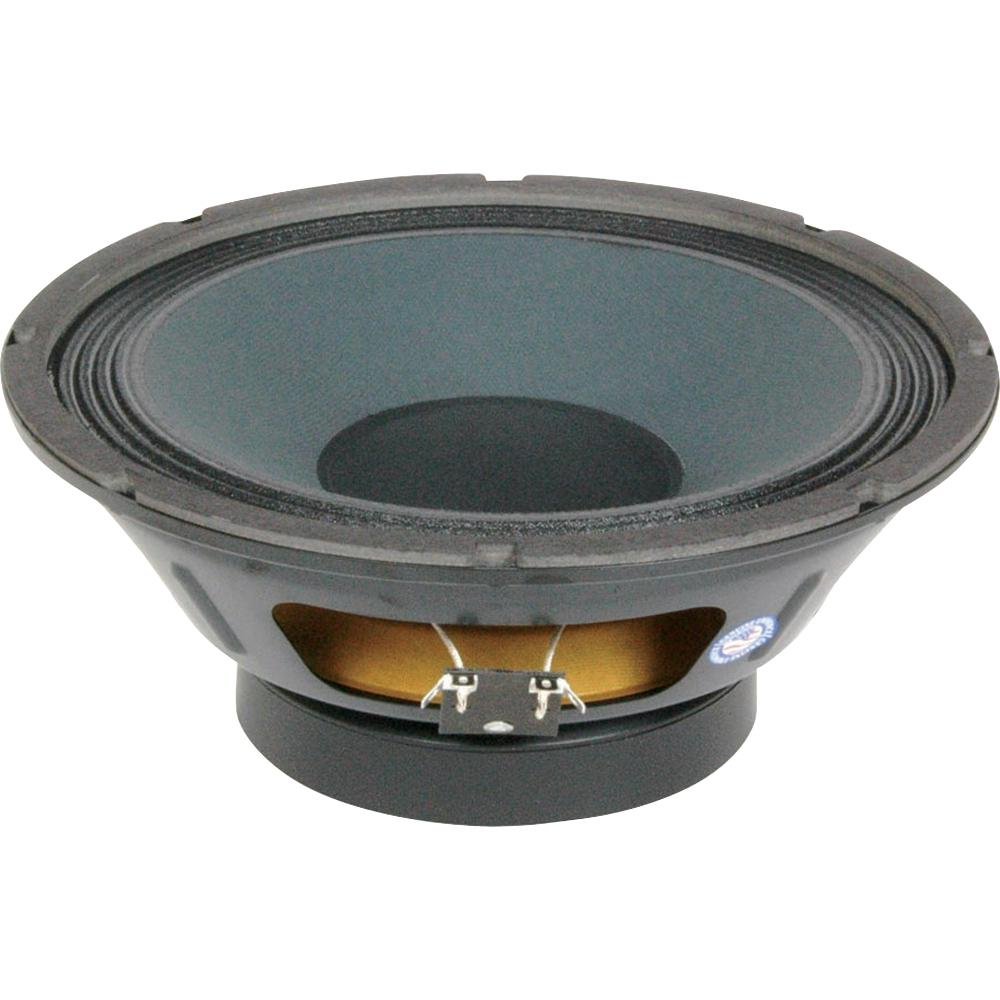
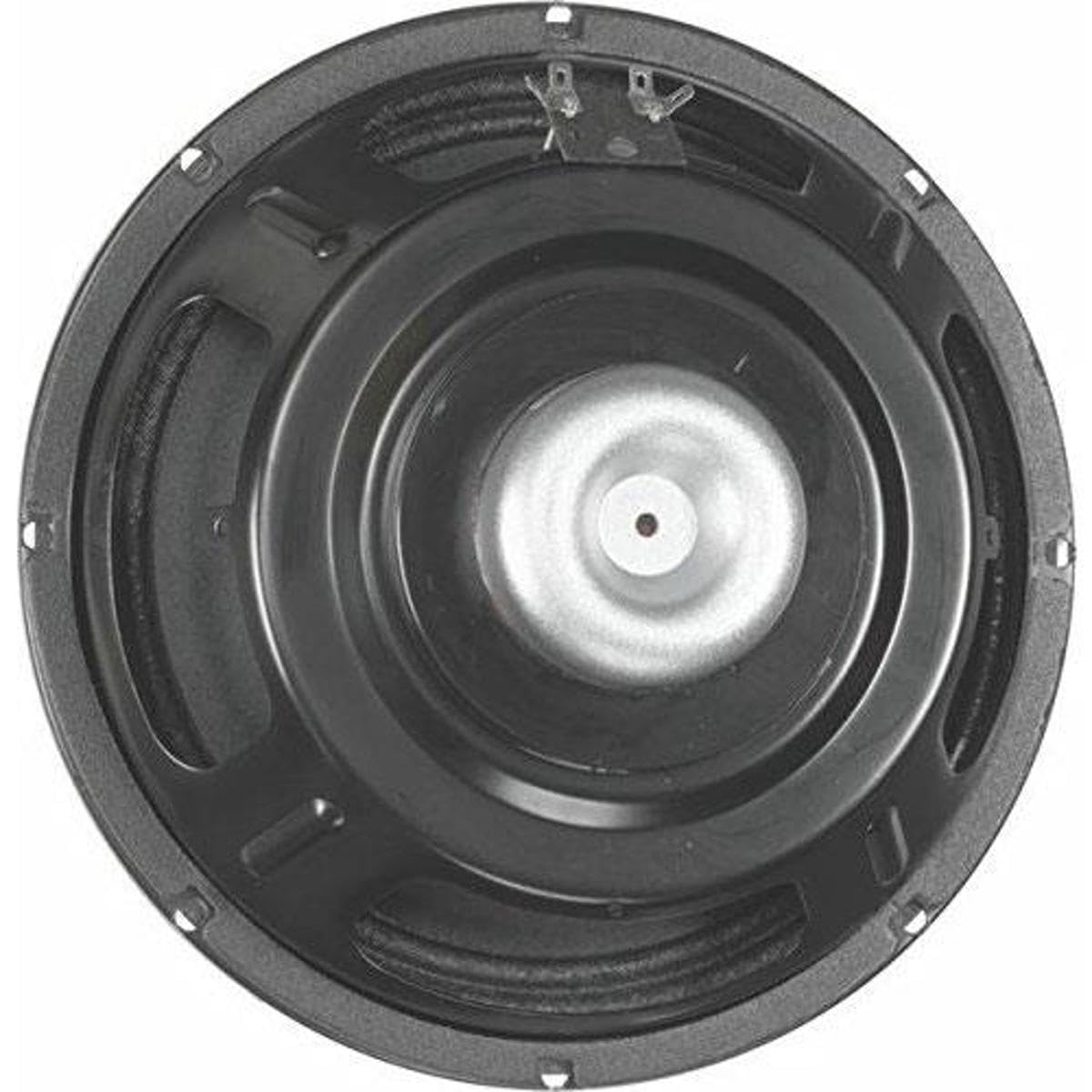
A bass guitar speaker is the driver inside your cabinet that turns the electrical signal from your amp into moving air. The 10 inch size is popular for bass because it responds quickly, keeps notes clear and punchy, and lets builders load two or four drivers into one cabinet for more volume. A single 10 often serves practice and small gigs, while pairs and quads handle full bands.
The parts are simple once you see them named. The cone moves back and forth to make sound, the voice coil and magnet motor drive that movement, and the surround and spider keep the cone centered while it travels. Bass asks more of every part than guitar does, because low notes move the cone much farther. That is why a bass rated driver has a sturdier cone, a longer voice coil, and more excursion than a guitar driver of the same size.
Three numbers decide whether a speaker belongs in your rig at all. Impedance, measured in ohms, must suit your amp and cabinet wiring. Power handling, measured in watts, must meet or exceed what your amp can deliver. Sensitivity tells you how loud the speaker plays for a given amount of power. Get those three right, and the rest is tone preference.
Key Specs of the Best 10 Inch Bass Guitar Speakers in Plain English
Read each spec below with your own amp and cabinet in mind. A number that looks impressive in isolation can be wrong for your setup, so match first and optimize second.
Sound Quality and Tuning
Tone starts with frequency response, which shows which notes the driver reproduces well. A useful bass driver reaches down near 40 to 50 Hz so your lowest notes have real weight, and stays smooth through the mids where note definition lives. Some drivers are voiced full and warm, adding low mid richness, while others are tuned flatter and cleaner, which suits modern styles and recording. Neither is better in the abstract. Pick warmth if your bass sounds thin, and pick a flatter driver if your rig already has plenty of low end and you need clarity.
Weight, Cabinet Fit, and Mounting
Handling and fit matter as much as tone. Check the cutout diameter and mounting depth against your cabinet before ordering, because 10 inch drivers vary by small amounts that decide whether they drop in or fight you. Weight varies a lot too. Traditional ceramic magnet drivers are heavy and sturdy, while neodymium drivers cut weight sharply, which matters when a cabinet holds four of them. Also confirm the bolt pattern and whether the driver mounts from the front or the rear of the baffle.
Durability and Moisture Resistance
Most bass drivers carry no formal IP rating, and you should treat that honestly. They are built for indoor stages and studios, and the paper cones used in many models dislike rain and heavy humidity. Treated or coated cones and synthetic cone materials resist moisture better and suit outdoor gigs. For durability in general, look at the surround material, the voice coil former, and how the maker rates the driver for power over time. Store cabinets in a dry space, and never leave a paper cone driver in a damp van or garage.
Connections, Terminals, and Wiring
A passive bass driver connects with simple terminals, usually push tabs or solder lugs, and the wiring inside the cabinet decides the total impedance your amp sees. Two 8 ohm drivers wired in parallel give 4 ohms, while the same pair in series gives 16 ohms, so know your cabinet design before choosing driver impedance. Use proper speaker cable inside the cabinet, keep connections tight, and match polarity on every driver so the cones move together. Loose or reversed wiring steals low end and can confuse you into blaming the speaker.
Cabinet Damping and Unwanted Noise
Bass cabinets manage unwanted sound with box design and damping rather than electronics. A cabinet that is too small for the driver can sound boxy and strain the cone at low notes, while lining or bracing reduces internal resonance and rattles. The driver itself should play cleanly without buzzing at your normal volume, which is a sign the voice coil is healthy and the cone is centered. If a new driver buzzes, check mounting screws and grille contact first, because most noise at this stage is mechanical rather than a faulty speaker.
Miking the Speaker for Recording and Live Use
Your driver also has a second job, which is sounding good through a microphone. A 10 inch driver responds fast and keeps low notes tight, so it records clearly with a mic placed near the edge of the cone for a balance of lows and definition. Drivers with a strong upper mid presence cut through a live mix more easily, while very dark drivers may need help from a direct signal blended in. If you record often, favor a smooth midrange over extreme low extension, since engineers can add weight but cannot easily remove mud.
Rookie Mistakes to Avoid
- Mismatching impedance. Loading your amp below its minimum impedance can overheat and damage it, so confirm the cabinet total before you buy any driver.
- Undersizing power handling. A driver rated well below your amp output will distort and can fail on loud low notes, even if it sounds fine at practice volume.
- Using a guitar driver for bass. Guitar drivers lack the excursion bass needs, and hard low notes can crease or tear the cone. Our guide to the best 10 inch guitar speakers explains what those drivers are built for instead.
- Ignoring cabinet size. A driver tuned for a larger box can sound weak or strain in a tiny sealed cabinet, so check the maker guidance on enclosure volume.
- Judging by wattage alone. Sensitivity and tone shape your result more than a big watt number, and a loud, clear driver beats a dull one with a higher rating.
Getting Started: Setup and First Use
When your driver arrives, inspect the cone, surround, and terminals before it goes near the cabinet. Power the amp off and unplug it, remove the old driver, and note which wire goes to which terminal so polarity stays correct. Seat the new driver evenly, tighten the screws in a crossing pattern a little at a time, and avoid bending the frame by forcing one side down.
Start playing quietly. New drivers benefit from a gentle break in period of several hours at moderate volume, during which the surround loosens and the low end opens up. Keep your amp settings sensible during this stage and listen for rattles or buzzing that point to a loose screw or a wire touching the cone. Store the old driver in its box if it still works, since a spare can save a gig later. If you are comparing formats, our guide to the best 10 inch speakers shows how bass drivers differ from general purpose ones, and our guide to the best bass speakers for bass guitar covers other sizes and cabinet styles.
10 Inch Bass Guitar Speakers: Your Questions Answered
How much power handling does a 10 inch bass speaker need?
Match or exceed the power your amp can send to that driver. As a plain rule, divide the cabinet total by the number of drivers, then choose a driver rated at or above that share, with extra headroom if you play loud. Remember that amp watts and speaker watts are about safe limits, not loudness, and sensitivity decides most of the volume you hear.
Can I put a guitar speaker in a bass cabinet?
No, not safely for real bass playing. A guitar driver has limited cone travel and a lighter build, so strong low notes can damage the cone or voice coil, sometimes in a single loud session. It may survive quiet practice, but the risk is not worth it. Use a bass rated driver, and see our guide to the best 6 inch speakers for bass if space pushes you toward smaller formats.
Does a new bass speaker need a break in period?
Yes, most new drivers sound a little stiff at first and improve over the first several hours of moderate playing. The surround and spider loosen, the low end gains ease, and harsh edges in the mids often settle. You do not need special signals or extreme volume. Normal playing at sensible levels does the job, and pushing a brand new driver hard is the one approach to avoid.
What impedance should I choose, 4 ohms or 8 ohms?
Choose the impedance that makes your cabinet total match what your amp handles best. A single driver cabinet usually uses one 8 ohm or 4 ohm driver, while multi driver cabinets combine ratings through wiring. Most buyers pick 8 ohm drivers because they combine flexibly in pairs and quads. Check your amp minimum load first, since that limit decides everything.
How long does a bass guitar speaker usually last?
A quality driver lasts many years, often a decade or more, when it is matched correctly and not pushed past its limits. Heat, over excursion, and moisture are the main killers. Playing with clean headroom, storing the cabinet dry, and fixing rattles early all extend life. Foam surrounds on older style drivers may age faster than rubber or treated cloth, so inspect them yearly.
The Bottom Line
For a first purchase, get impedance and power handling right, then choose tone: warm and full, or clean and flat. Fit and cabinet volume matter more than marketing numbers, and a gentle break in sets the driver up well. The best 10 inch bass guitar speakers for your rig are waiting in the product table above, and if your music leans toward upper range clarity, our guide to the best 10 inch midrange speakers shows the neighboring category.