Best 1 Gig Routers Buying Guide: What to Know for 2026
Disclosure: We may earn a commission when you buy through links on this page, at no extra cost to you. As an Amazon Associate I earn from qualifying purchases. Learn more
How to choose best 1 gig routers: compare types, features, fit, and running costs, and use this guide to pick a good match for your needs and budget.
Choosing best 1 gig routers can feel confusing when every option claims to be the right one. The truth is simpler: the right choice depends on your internet plan, your home layout, and how many devices share the connection. This guide focuses on those practical questions so you can compare options calmly.
Before you spend anything, think about how you will use a 1 gig router. A household with a few devices has different needs than one with streaming, gaming, and smart home gear running at once. The product table gives a quick overview, and the sections below explain each factor in plain language.


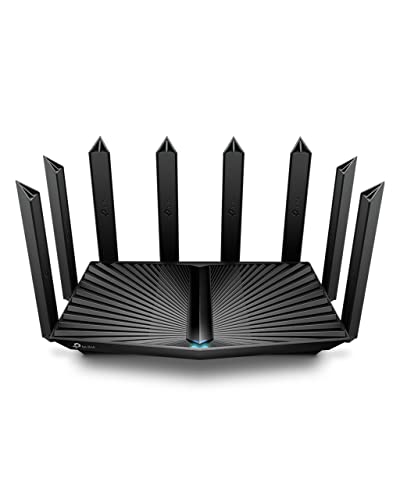


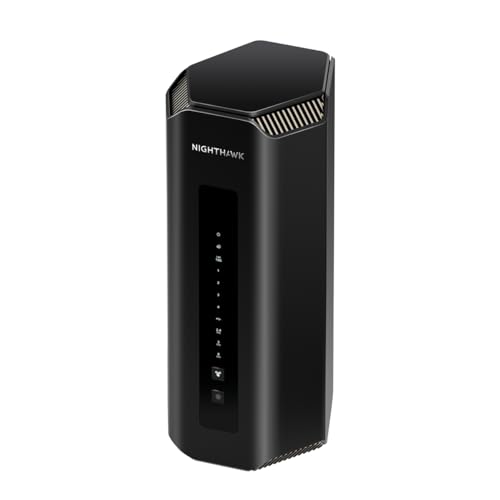


Use this guide as a checklist. Note the features that matter most for gigabit internet at home with many devices, set a realistic budget, and check modem compatibility and setup before you order.
Who Should Buy a 1 Gig Router
This type suits people whose main need is gigabit internet at home with many devices. If that matches your routine, the features in this guide will matter more than extras you may never use. Focus first on wired port speed, WiFi coverage, and reliability.
It may not suit everyone. If your plan is well under one gigabit and you have only a few devices, a simpler and cheaper router could serve you just as well. If you have a plan above one gigabit, look for models with a 2.5 gig port in the product table.
Choosing the Best 1 Gig Routers: Key Features
Compare features side by side rather than judging one number alone. A strong score in one area can hide a weakness in another, so read the full picture for each option you consider.
- WAN speed and ports: A gigabit WAN port is essential for gigabit plans. Multi gig ports help if your plan or modem exceeds one gigabit in future.
- WiFi standard and coverage: Newer WiFi standards handle many devices better. Check coverage for your home size and whether mesh expansion is available.
- Processor and memory: A stronger processor keeps speeds steady with many devices and smart home gear. Weak hardware can slow down during heavy downloads.
- Security and updates: Automatic security updates and guest networks help protect home devices. Check parental controls and device management in the app.
Rank these features for your own use before you shop. For gigabit internet at home with many devices, the top two features usually decide satisfaction, while the rest can be nice extras rather than deal breakers.
Types Compared
Single routers suit apartments and small homes. Mesh systems suit larger homes with dead spots. Gaming routers add traffic prioritization, while modem router combos suit homes that want fewer boxes.
If you are matching a router to your plan, see best routers for 1 gig internet, which covers a close variation of this product type. For bigger homes, best mesh WiFi router for large home goes deeper on mesh systems.
When you compare types, ask what each type gives up to gain its main strength. A mesh system may cost more, while a single router may leave far rooms with weaker signal. The best balance is the one that fits your home, not the one with the longest feature list.
Fit, Size, and Setup
Place the router centrally and high, away from thick walls and metal. Check modem compatibility with your provider before buying. Count wired devices so you have enough LAN ports.
For more options in this category, see best wlan routers. Check setup needs early: some options need an app, a separate modem, or extra cabling, while others work straight out of the box. Factor setup time into your plans so there are no surprises.
Care and Everyday Use
Keep firmware updated and restart the router when speeds drop. Keep vents clear and avoid stacking hot devices on top. Change default passwords at setup.
Daily habits matter as much as the initial choice. A simple routine keeps performance steady and extends working life. Choose a router whose app and update process you are comfortable with.
Budget and Running Costs
Look beyond the purchase price. Rental fees you can avoid, energy use, and the need to replace an outdated router add up over time, and a cheaper option can cost more in the long run. A mid priced option with current WiFi and good updates often offers better value than the cheapest choice.
Set a price range before you shop and stick to it unless a clear benefit justifies more. For a 1 gig router, about $100 to $250 covers many everyday options, while WiFi 7 and large mesh systems can cost more. Compare what each price level actually adds in speed, coverage, or features.
Common Mistakes to Avoid
- Buying on one feature alone without checking ports, coverage, and modem compatibility.
- Skipping a check of your home size and discovering too late that coverage falls short.
- Ignoring firmware updates and then finding the router slow or less secure.
- Choosing the cheapest option without checking that it has gigabit ports on every wired connection.
Keep cables tidy to avoid trips and keep the router away from water. Use strong passwords and enable automatic updates to protect connected devices.
A Final Check Before You Order
Before you order, check warranty terms, return rules, and what is included in the box. A clear warranty and a fair return window make it easier to check fit and performance at home. Keep the receipt and packaging until you are sure the choice works for you.
In the first week, try the router in your normal routine rather than only in ideal conditions. Note signal in far rooms, speeds on wired and wireless devices, and any setup issues. Small problems found early are easier to fix or exchange than problems discovered months later.
Think about long term value as well as the first impression. A router that stays reliable, gets updates, and is easy to manage usually beats a flashier option that fades fast.
Frequently Asked Questions
How much should I spend on best 1 gig routers?
Start with your plan speed and home size, then compare options in your budget on ports, WiFi standard, and coverage. Spending more helps when it buys a 2.5 gig port, better coverage, or longer update support. Spending less makes sense for a small home with fewer devices. Avoid paying for extras you will not use.
What size or fit matters most for a 1 gig router?
Coverage area and port count matter most. Check the rated square footage, keeping in mind that walls and floors reduce real range. Count your wired devices so you have enough LAN ports. Recheck these numbers before ordering, since returns can be a hassle.
How do I maintain a 1 gig router properly?
Follow the maker manual and keep up with simple regular checks. Install firmware updates, restart the router now and then, and keep it in a ventilated spot. Replace the router when it no longer receives updates. If management feels too demanding, choose a simpler model with a clear app.
Is a cheaper router good enough for a 1 gig plan?
A cheaper router can be good enough for a small home with moderate use, provided it has gigabit WAN and LAN ports. For many devices, gaming, or a large home, a stronger processor and newer WiFi usually matter more than the lowest price. Choose the lowest priced option that still meets your main needs.
When should I seek professional help with my home network?
Ask your internet provider about modem compatibility, line problems, or plan changes. For new wiring in walls or ceilings, hire a qualified installer. Follow the manufacturer's instructions for any hardware you set up yourself. Getting advice early often prevents costly mistakes.
Final Thoughts
Take your time, compare the picks in the product table, and choose the option that best fits your plan, home, and budget. A careful choice now saves frustration later.
For most buyers, the right best 1 gig routers choice is the one that balances ports, coverage, and running costs without unnecessary extras. Use the checklist in this guide, confirm modem compatibility, and buy with confidence.