Best 1 Gallon Air Compressor (2026): How to Choose
Disclosure: We may earn a commission when you buy through links on this page, at no extra cost to you. As an Amazon Associate I earn from qualifying purchases. Learn more

A practical guide to the best 1 gallon air compressor: what matters, what to skip and how to avoid common buying mistakes.
A 1 gallon compressor is the size you buy when the work is light, the storage space is tight, and dragging out a big tank feels like overkill. The challenge is that models in this class look alike while differing in pressure, airflow, noise, and how often the motor cycles. The best 1 gallon air compressor for you is the one whose output matches your tools, and the comparison table below lines up the key specs side by side so you can see those gaps quickly.
This guide skips named picks and instead compares the main types, the specs that actually limit this tank size, and the trade offs between corded and cordless designs. By the end you will know which jobs a single gallon handles with ease, which jobs strain it, and which features are worth paying for at this size.



The Main Types at a Glance
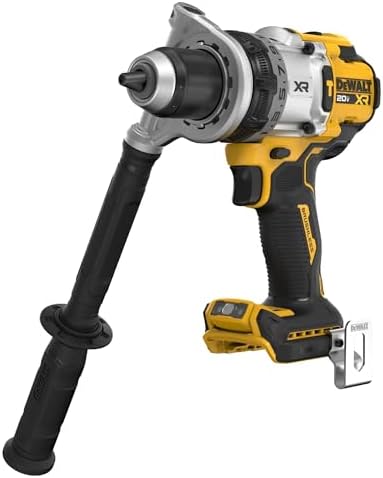
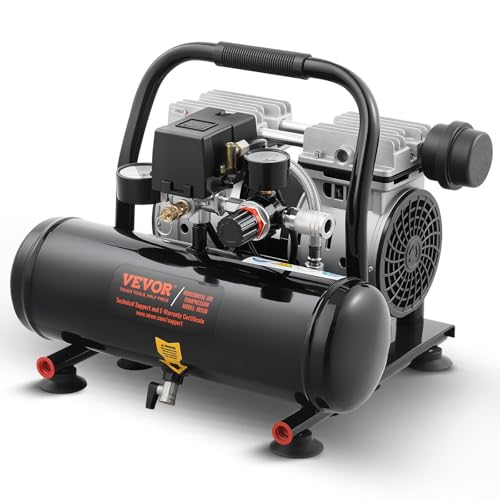
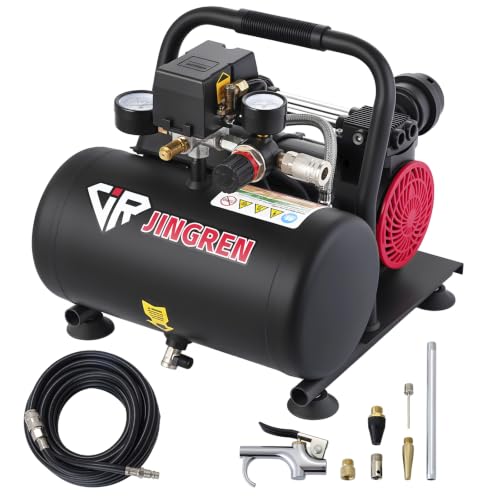
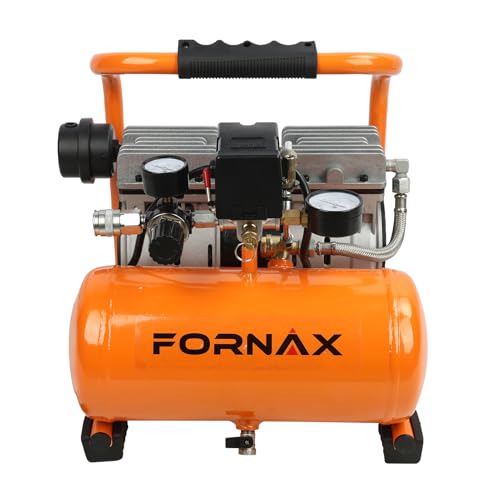
Most 1 gallon models fall into three shapes. Hot dog tanks are long and low, with the motor mounted on top, and they slide under a bench or into a truck box without wasting vertical space. Pancake tanks are round and flat, stable on uneven ground, and easy to grab with one hand. Compact cordless units trade the power cord for a battery and suit quick inflation and trim work away from an outlet.
- Hot dog style: slim footprint, simple layout, often the lightest corded option for apartment and closet storage.
- Pancake style: low center of gravity and a stable base, good on garage floors and job sites with rough ground.
- Cordless style: total freedom of movement, but output and runtime depend on the battery you already own.
Shape alone will not decide your purchase, because two units with the same tank shape can deliver very different airflow. Treat shape as a storage and handling choice, then judge performance on the numbers covered in the sections that follow.
What Limits a Compressor This Size
Five things decide how a compressor this size behaves. Power and airflow come first, since a small tank leaves no margin for weak output. Next come battery platform and runtime on cordless models, then ergonomics and weight, because a portable tool you dread lifting fails its purpose. Durability and warranty round out the list, and maker spec sheets plus patterns in owner feedback are the best places to judge them.
How to Choose the Right 1 Gallon Air Compressor
Size and Form Factor
Tank size controls how long a tool runs before the motor restarts. One gallon fills fast and recovers fast, but it also empties fast, so the motor cycles often during steady work. Step up to 2 or 6 gallons if you run tools in long bursts, and look at 20 gallons or more only for shop tools with heavy air demand. If you are unsure where this size sits in the wider market, our guide to the best air compressor sizes explains the full range.
Type and Tank Shape
Beyond the three shapes above, makers label some units as quiet, portable, or twin stack, and those labels describe noise and layout rather than a new category. A twin stack splits storage into two small tanks for balance, while a vertical tank suits larger sizes and rarely appears at 1 gallon. If the flat and stable layout appeals to you, compare these notes with our guide to the best pancake air compressor options, where that shape dominates and tanks run larger.
Power and Performance Specs
Two numbers matter most. Max PSI tells you the highest pressure the tank can store, and most small units land between about 100 and 135 PSI. SCFM tells you how much air the pump delivers at a working pressure, usually quoted at 90 PSI, and small pumps often deliver under 1 SCFM there. A brad nailer sips air in short bursts and runs fine on low SCFM, while a blow gun or die grinder drinks air steadily and exposes a weak pump within seconds.
Features Worth Paying For
A clear tank gauge and a tool gauge you can read at a glance prevent the slow guessing game of adjusting pressure by feel. A regulator knob that turns smoothly and holds its setting matters more than extra dials. Rubber feet cut vibration noise on hard floors, and a sturdy roll cage or handle protects the pump when the unit rides in a vehicle. A drain valve you can reach without tipping the tank is a small feature you will appreciate every single week.
Corded and Cordless Power
Corded models draw steady power, weigh less because they carry no battery, and cost less for the same output. They suit a fixed work spot near an outlet. Cordless models free you from cord length and outlet hunting, which matters for inflating tires in a driveway or nailing trim in a room with no power yet. The catch is that the pump still needs real power, so cordless runtime shrinks fast when the tool demands steady air instead of short bursts.
Battery Platform and Runtime
If you already own cordless tools, staying on the same battery platform saves real money, because a bare cordless compressor often ships without a battery or charger. Runtime depends on battery capacity and on how often the motor cycles, so a larger battery pack stretches a session more than any setting on the tool. Keep a second charged pack ready for trim work, and remember that cold weather shortens runtime, so store packs indoors between uses in winter.
Motor and Pump Design
Most small compressors use oil free pumps, which need no oil changes and tolerate being carried at an angle without leaking. Oil lubricated pumps run cooler and can last longer, but they demand level storage and periodic oil care, and they are rare at this size. Brushless motors on cordless models waste less energy and extend runtime per charge. For a full breakdown of the trade offs, read our comparison of oil vs oil free compressor designs before you decide.
Accessories and Warranty
Many kits bundle a short hose, a blow gun tip, inflation needles, and sometimes a brad nailer. Price the kit against the bare tool honestly, because a bundle only saves money when you would buy those pieces anyway. Check that the coupler style matches your existing tools so you are not buying adapters on day one. Warranty length on small compressors is often about one to two years, and a brand with reachable parts support matters more than a long promise with no parts behind it.
How Much Should You Spend?
Basic corded models sell for under $100 and cover inflation, stapling, and brad nailing without frills. Spending about $100 to $200 usually buys lower noise, better gauges, and a stronger pump that cycles less often. Cordless models can push over $200 once you add a battery and charger, so count the full setup cost, not the bare tool price. At this tank size, paying more should buy quiet and durability, not capacity, because no premium badge makes one gallon hold more air.
Is a 1 Gallon Air Compressor the Right Size for You?
This size shines when your air use comes in short bursts. Inflating car and bike tires, blowing dust from a workbench, firing brad and finish nails, and powering a stapler all fit comfortably, because the tank refills during the pauses you naturally take between fasteners. A homeowner with a small garage gains the most, and our guide to the best air compressor for home garage setups shows how a compact unit pairs with limited floor space.
The same size frustrates anyone with steady demand. Spray painting large panels, running an impact wrench on stubborn bolts, sanding, and framing with rapid nail sequences all drain the tank faster than the pump refills it, leaving you waiting mid task. If that sounds like your work, buy a larger tank now rather than hoping technique will fix a physics problem. New owners should also read how to use an air compressor before the first session, since correct regulator habits prevent most early mistakes.
- Good fit: tire inflation, brad and finish nailing, stapling, airbrushing small parts, and dust blowing in short bursts.
- Poor fit: impact wrenches, large spray jobs, sandblasting, and any tool that draws air without pauses.
- Borderline: framing nailers and roofing nailers, which can work for small repairs but cycle the motor hard on big jobs.
Frequently Asked Questions
What is the best 1 gallon air compressor?
There is no single winner, because the right choice depends on your tools and where you work. For bench and garage use, a corded hot dog or pancake model with the highest SCFM at 90 PSI in your budget is the safest bet. For work away from outlets, a cordless model on a battery platform you already own wins on total cost. Match the pump output to your thirstiest tool first, then choose shape and noise level.
What size air compressor do I need?
Start from the tool with the highest air demand, not from the tank. Find its required SCFM at its working pressure, then pick a compressor that delivers at least that much, with a tank sized to how long you run the tool without pauses. Short burst tools forgive a small tank, while steady draw tools need both stronger output and more storage. When two sizes seem close, the larger one cycles less and usually lasts longer in service.
How long does a 1 gallon air compressor last?
A well kept oil free unit often serves for years of light home use, while daily trade use shortens that span because the motor and pump cycle far more often. Heat is the main enemy, so a unit that runs constantly at its limit wears faster than a larger unit doing the same work at ease. Watch for slower fill times and new rattles, because both signal wear before a full failure stops your work entirely.
Is a 1 gallon air compressor worth it?
It is worth it when your tasks are light and intermittent, because you gain real air power in a package that stores on a shelf and carries with one hand. It is not worth it as your only compressor if you plan vehicle work or large paint jobs, since you will outgrow the tank within the first big project. Many owners keep a small unit for quick jobs even after buying a larger one, because convenience has lasting value.
How do you clean a 1 gallon air compressor?
Cleaning starts with draining the tank after use, because trapped moisture rusts steel tanks from the inside where you cannot see it. Open the drain valve until only air escapes, then close it. Wipe dust from the pump housing and check the intake filter, rinsing or replacing it when it looks clogged. Store the unit indoors and dry. Never use water jets on the motor housing, and always unplug or remove the battery before any cleaning.
What makes a 1 gallon air compressor reliable?
Reliability at this size comes from build details rather than a badge. Look for metal fittings instead of brittle plastic, a pump with a rated duty cycle that suits your session length, and gauges protected by a cage or recess. Parts availability matters too, because a compressor you can repair beats a sealed unit you must replace. Finally, honest spec sheets signal a trustworthy maker, so favor brands that publish SCFM at 90 PSI instead of only peak numbers.
Final Thoughts
A 1 gallon tank rewards buyers who match it to burst style work and judge pumps by delivered airflow rather than tank claims. Compare the shapes, weigh corded savings against cordless freedom, and check the product table above once more before you order. Chosen that way, the best 1 gallon air compressor becomes a small tool you reach for weekly instead of a compromise you regret. For broader sizing and spec background, our air compressor buying guide covers the next steps in depth.