
Avid Armor Chamber Vacuum Sealer Review: Honest Pros, Cons & Who It's For (2026)
Disclosure: We may earn a commission when you buy through links on this page, at no extra cost to you. As an Amazon Associate I earn from qualifying purchases. Learn more

Thinking about the Avid Armor Chamber Vacuum Sealer? Our honest Avid Armor Chamber Vacuum Sealer review covers everyday pros and cons, who it suits.
This avid armor chamber vacuum sealer review takes a practical home focused look at chamber style sealing. Instead of chasing showroom claims, it covers what matters in a real kitchen, how much counter and storage room this type of machine needs, how it handles liquids and family size batches, and what owning one costs over time. Use the comparison table below to check the basics at a glance.
A chamber sealer works in a different way from the common external suction type. The whole pouch sits inside the chamber, air leaves the chamber and the pouch at the same rate, and the seal forms before air returns. That design is why buyers look at this style for soups, sauces, and marinades.
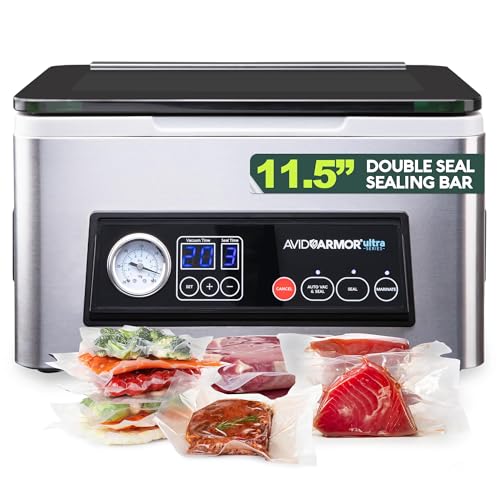
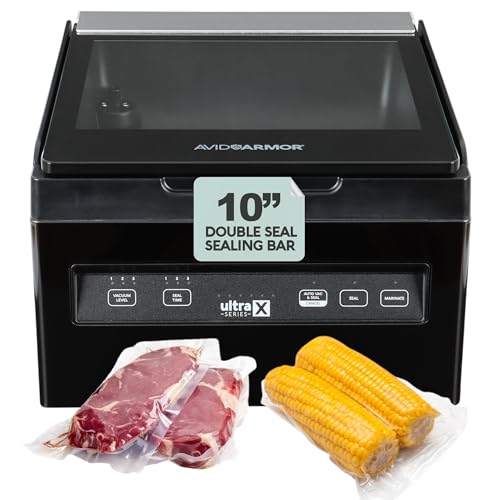
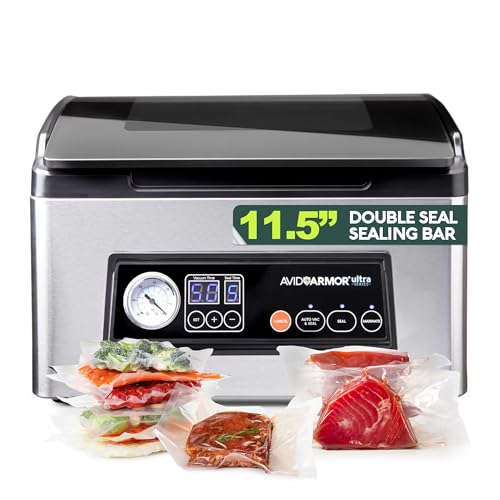
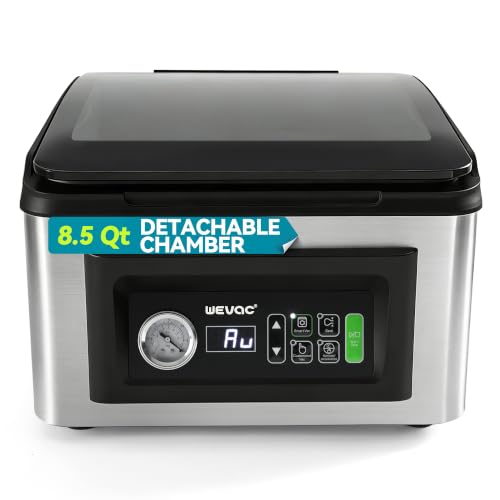
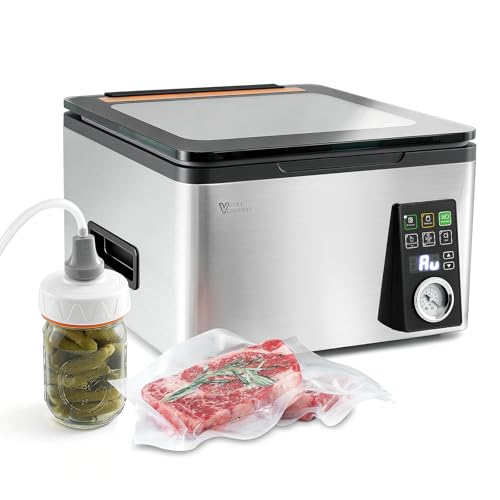

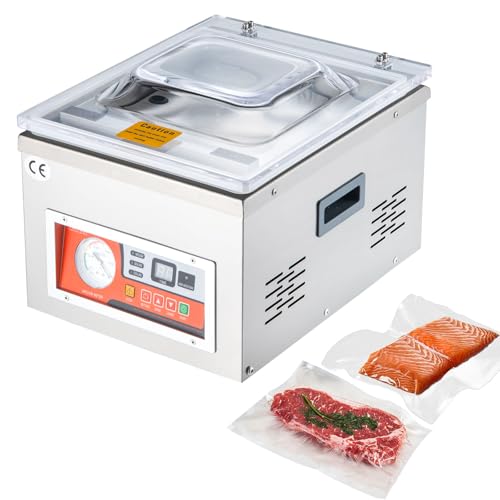
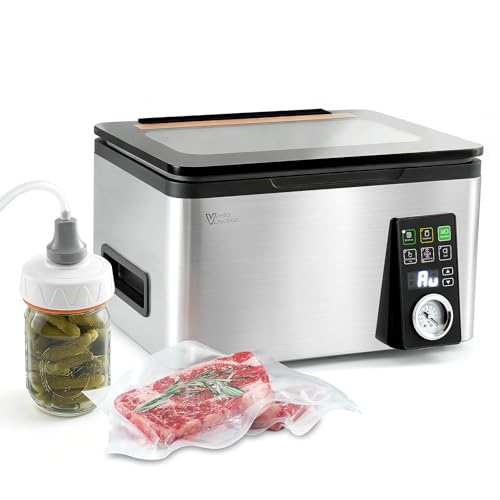
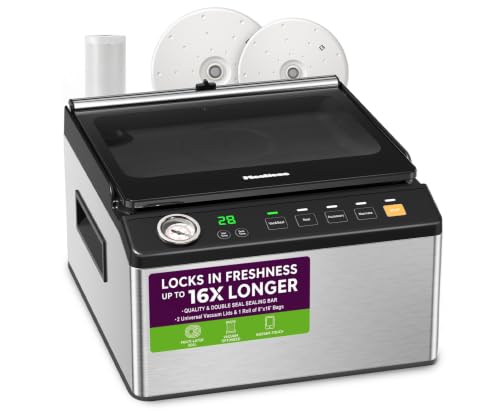
Avid Armor Chamber Vacuum Sealer: Key Specs to Check
Do not judge a chamber model by looks alone. Check the chamber size against the pouches you plan to use most, since a pouch must lie flat inside with room for the seal bar. Note the overall footprint and weight as well, because a chamber unit takes far more room than an external unit and you will feel that size every day.
Also check the pump type, the seal bar length, and the controls for vacuum time and seal time. Confirm the warranty length and whether gaskets and seal wires are sold as spare parts.
First Impressions and Build Traits to Look For
A chamber sealer lives as a solid block on your counter, so build quality shows in small places. The lid should open and close with a steady feel and sit flat when shut, since an uneven lid can weaken the vacuum. The chamber walls should feel smooth, with no sharp edges that could catch or tear a pouch during loading.
Look at the seal bar and the gasket as well. A seal bar that lifts out without tools makes cleaning and part swaps simpler. Controls you can read at a glance matter too, especially when your hands are wet from food prep.
How a Chamber Sealer Performs in Everyday Home Use
Capacity and Batch Work
Capacity here means pouch size and pace, not just chamber volume. You seal one pouch at a time, so think about how many portions your household puts up after a large shop or a day of batch cooking. A wider chamber helps with family size cuts and flat packs that stack neatly in the freezer, while a smaller chamber suits couples who seal a few pouches at a time.
Sealing Liquids and Moist Foods
This is the main reason to choose a chamber design. Since air pressure stays equal inside and outside the pouch during the cycle, liquids stay in place instead of being pulled toward the seal. That makes soups, stews, sauces, and marinated meats far easier to pack without a messy seal area. You still need head space in the pouch and a level fill, but the process is calmer and more reliable than with suction alone.
Ease of Use Day to Day
Daily ease comes from a short learning curve. You place the pouch flat, keep the open end over the seal bar, close the lid, and start the cycle. The main habits to learn are pouch placement, choosing vacuum time for delicate foods, and pausing for soft items like berries or baked goods so they do not crush. Clear controls and a cycle you can stop early make those adjustments simple.
Cleaning After Messy Foods
Spills happen inside a chamber, so a smooth chamber floor matters. Most messes wipe out with a damp cloth once the cycle ends and the unit is off. The area around the seal bar needs attention, since food residue there can cause a weak seal on the next pouch. A removable seal bar and a gasket you can lift out turn a fussy job into a quick wipe and rinse routine.
Features You Will Actually Use
The features worth paying for are the ones tied to control. Adjustable vacuum time lets you go gentle on soft foods and stronger on dense cuts. Adjustable seal time helps with thicker pouches. A marinade or infuse function can be handy if you often prep meats in sauce, since the vacuum cycle helps the liquid coat the food more evenly in the pouch.
A simple start and stop control is also useful, plus a clear view through the lid so you can watch liquids rise and stop the cycle in time. Skip extra programs you cannot picture using in a normal week.
Living With It: Setup, Storage and Upkeep
Setup is mostly about place, not assembly. Put the unit on a flat and stable surface with room for the lid to open fully, and keep it near an outlet so the cord is not stretched across a walkway. Measure your counter depth and your cabinet height before you buy, and decide where it will live between uses if counter room is tight.
For upkeep, wipe the chamber dry after each session and leave the lid open for a short while so moisture can escape. Check the gasket for food grit before you store the unit.
What We Like and What We Do Not About the Avid Armor Chamber Vacuum Sealer
The strengths and limits below belong to the chamber design as a whole, and they are the points to weigh for this model class before you spend.
- Like: Liquids and sauces seal without being drawn into the seal area.
- Like: Chamber pouches often cost less per pouch than textured external bags.
- Like: Vacuum and seal time controls give you a gentler cycle for soft foods.
- Like: Flat packs stack well and use freezer space in a tidy way.
- Do not like: The unit is large and heavy, so it suits a fixed spot more than daily moving.
- Do not like: Pouch size is capped by the chamber, so very long items will not fit.
- Do not like: The upfront cost is higher than most external suction models.
Is the Avid Armor Chamber Vacuum Sealer Right for Your Household?
It suits households that cook in batches and freeze in portions, especially if soups, sauces, and marinated foods are a regular part of your routine. Larger households gain the most, since the lower pouch cost and steady seals add up over many packs.
Skip this style if you seal only a few dry items each month, if your counter and storage space are very limited, or if you mainly need to seal long items that exceed chamber size. In those cases an external model will feel simpler and take far less room, even though it asks more care with liquids.
How the Avid Armor Chamber Vacuum Sealer Compares
The clearest comparison is chamber versus external suction. Chamber models seal liquids with ease and use smooth pouches, while external models are smaller, lighter, and better for long rolls you cut to length. If you are still deciding between styles, start with our guide to the best vacuum sealer for a full view of both types and the costs that come with each.
External models also show why many homes start there. A compact suction unit suits occasional use and small kitchens, which is the angle covered in the foodsaver fm2000 review. A larger external unit with stronger suction and a built in cutter sits between the two styles, as discussed in the anova precision vacuum sealer pro review. Neither external option handles free liquids as calmly as a chamber, and that single point often decides the choice.
Price, Deals and Warranty
Chamber sealers sit in a higher price band than external models, often about $300 to $600 for home use units, with larger or oil pump models costing more. Treat any single listing price with care, since prices and availability can change, so check the product page before ordering. Judge value by chamber size, pump type, and spare part support, not by the longest feature list.
Read the warranty terms before you buy. Note what it covers, how long it runs, and whether wear parts like gaskets and seal wires are excluded.
Common Buying Mistakes to Avoid
- Buying by chamber size alone: a larger chamber is wasted if it leaves you no workable counter space at home.
- Ignoring pouch supply: confirm the pouch sizes you need are easy to reorder and priced in a range you accept.
- Forgetting lid clearance: low cabinets can block the lid, so measure the open height and not just the closed height.
- Paying for modes you will skip: extra programs add cost and clutter if your sealing is mostly flat packs for the freezer.
Cost of Ownership and Care
Ongoing cost is mostly pouches, plus a gasket or seal wire over time. Chamber pouches are plain and smooth, so they tend to cost less per unit than textured bags for external models, which helps if you seal often. Keep a spare gasket on hand if you seal in large batches, since a worn gasket is a common cause of a weak vacuum and a swap is quick.
Care is simple but steady. Keep the chamber and the seal area clean, dry the gasket well, and store the unit with the lid not pressed shut for long periods, since constant pressure can flatten the gasket. Use only pouches rated for chamber use and for the heat of the seal bar.
Your Questions, Answered
How do you clean the Avid Armor chamber vacuum sealer?
Turn the unit off and let the seal bar cool. Wipe the chamber with a soft cloth and warm water with a small amount of mild soap, then dry it fully. Lift out the gasket if your model allows it, rinse it on its own, and let it air dry before you refit it. One extra tip is to run a quick empty check after cleaning, since a damp gasket can slip in its groove and weaken the next seal.
What is a cheaper alternative to the Avid Armor chamber vacuum sealer?
An external suction sealer is the cheaper path for most homes. It costs less upfront, takes less room, and handles dry foods and standard freezer packs well. The trade off is liquids, which need care such as partial freezing before sealing. If you seal mostly dry goods, snacks, and coffee, that lower cost route can cover your needs without the size and weight of a chamber unit in your kitchen.
How long does the Avid Armor chamber vacuum sealer last?
Life span depends on use and care more than on a fixed number. A chamber unit used weekly and kept clean can serve for many years, with wear parts replaced as needed. The parts that age first are usually the gasket and the seal wire, not the body or the lid. Storing the lid ajar and keeping grit off the gasket are two small habits that add real time to that service life.
What are common Avid Armor chamber vacuum sealer problems?
Most reports for chamber sealers as a group come down to a few causes. A weak vacuum often traces to a dirty or worn gasket or a pouch that was not flat. A pouch that puffs back up points to a poor seal, often from moisture or food on the seal area. A cycle that will not start is often just a lid that is not fully closed. Check those points first before you assume a pump fault.
Is the Avid Armor chamber vacuum sealer worth it?
It is worth it if liquids, batch work, and lower pouch costs are central to how you cook and store food. The value shows up over months of steady use, not in a single session. If you seal rarely or your kitchen cannot give the unit a fixed home, the same money is better spent on a smaller external model and a good stock of bags that fit it well.
Final Thoughts
A chamber design earns its counter space when you seal often, work with liquids, and want calm and repeatable results. Weigh chamber size, storage, pouch supply, and spare part support before you decide, and use the product table above to compare the key points side by side. For the right household, the avid armor chamber vacuum sealer review points to a simple conclusion, this style is a strong fit when its size and cost match your routine.


