Anova Precision Vacuum Sealer Pro Review: Honest Pros, Cons & Who It's For (2026)
Disclosure: We may earn a commission when you buy through links on this page, at no extra cost to you. As an Amazon Associate I earn from qualifying purchases. Learn more
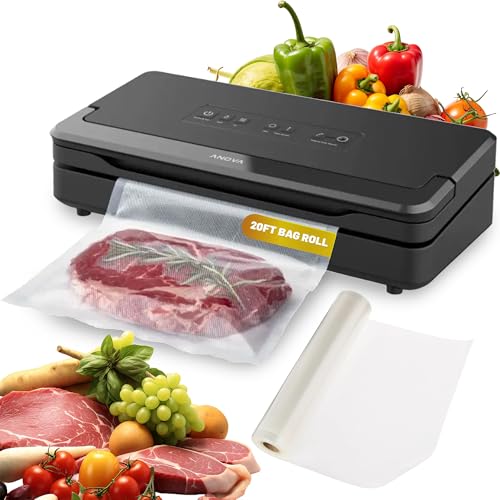
Thinking about the Anova Precision Vacuum Sealer Pro? Our honest Anova Precision Vacuum Sealer Pro review covers everyday pros and cons, who it suits.
A countertop vacuum sealer earns its place in a home kitchen only if it fits your counters, your household size, and the way you actually shop and cook. This anova precision vacuum sealer pro review looks at the Pro class of external suction sealer through that everyday lens, covering footprint, seal strength, modes for wet foods, and the ongoing cost of bags and upkeep. The comparison table below sums up the key points so you can judge the fit before reading on.
If you are still deciding whether you need a sealer at all, start with our guide to the best vacuum sealer options for home kitchens, then come back here once a premium external model is on your short list.
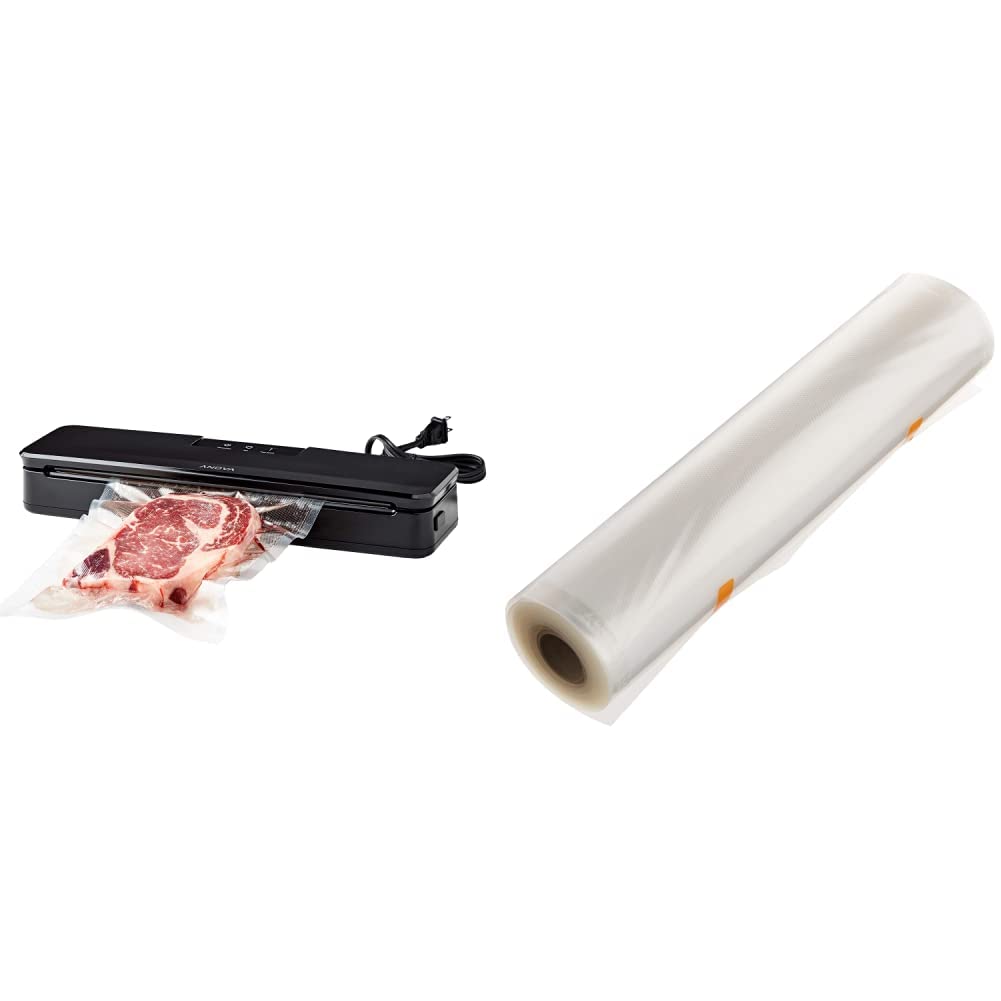

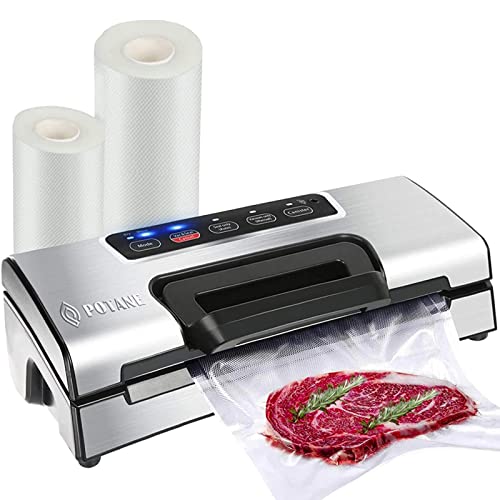
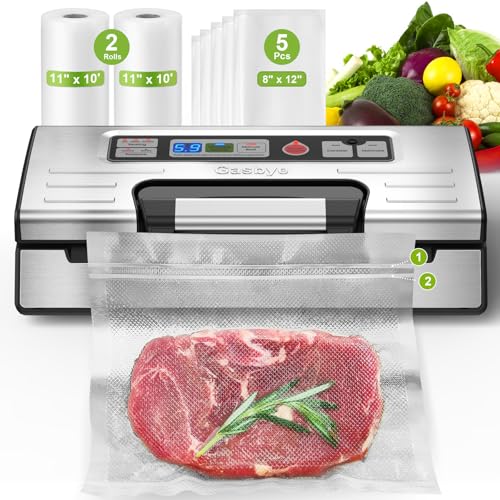
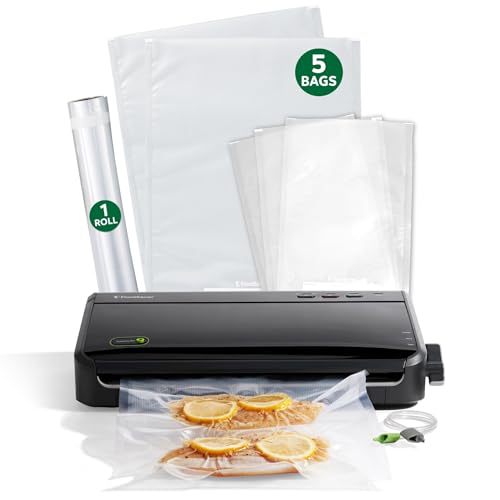
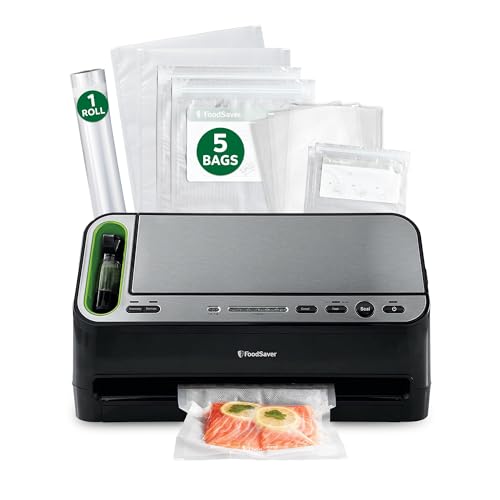
A Quick Take Before the Details
This style of sealer suits households that buy meat, cheese, and produce in larger packs and split them into smaller portions several times a month. The draw is a stronger seal, settings for moist foods, and roll storage inside the unit. Skip it if you seal only a few bags a month, because a simpler and smaller model will cost less to buy and less to store.
Key Specs That Matter for Home Kitchens
Four spec areas decide whether a pro level external sealer works in your home. First, footprint and height, since the lid needs clearance to open fully under upper cabinets. Second, seal bar length, which sets the widest bag you can close. Third, the range of modes, especially a gentle or moist setting for foods with liquid. Fourth, roll storage and a built in cutter, which decide whether bags live inside the machine or in a drawer. Check the listing for the current dimensions, warranty length, and included starter bags before you order, since bundles change.
Design and Build: What to Look For
A sealer you use weekly should feel solid without being a chore to move. Look for a housing that wipes clean, a lid that latches with light pressure, and controls you can read at a glance in normal kitchen light. A wide sealing area helps you center a bag without fuss, and a removable drip tray matters more than it sounds, because marinades and meat juices will eventually reach the vacuum channel.
Storage is the other half of build quality in a real home. A unit with roll storage keeps the bag material and cutter together, so sealing a roast does not start with hunting through a drawer. Measure your counter depth and cabinet clearance before buying, since a sealer that must be dragged out across the sink tends to get used less over time.
How It Performs in Everyday Home Use
Capacity
Capacity for an external sealer means bag width and batch pace rather than a tank size. A wider seal bar handles family size cuts and full racks, while a narrower one forces you to portion food smaller than you planned. Batch pace matters on grocery day, since most home sealers need a short pause between seals to protect the heating element. If you routinely break down a warehouse club haul in one session, plan the order of your bags and let the machine rest as the manual directs.
Sealing Performance
A good seal is even, fully fused, and free of wrinkles or channels where air can creep back in. Double seal lines, common on pro class models, give a second barrier on bags that will sit in the freezer for months. Suction strength matters most with soft foods, where too much pressure can crush bread or squeeze juice from berries into the seal area. A pulse or gentle mode lets you stop the vacuum at the right moment, which is the single most useful control for delicate items and for sous vide prep with marinades.
Ease of Use
Daily ease comes down to three steps: cut the bag, fill it, and seal it without a fight. Clear markings for bag placement, a cutter that slides in one pass, and buttons that start the vacuum and seal cycle with one press all reduce friction. You should also be able to cancel mid cycle and reseal a bag that shifted. If other people in your household will use the machine, simple labeled controls beat a long list of modes nobody remembers.
Cleaning
Cleaning starts with design. A drip tray you can lift out and wash, a smooth vacuum channel with no deep grooves, and gaskets that stay dry between uses all keep smells and residue from building up. Wet foods are the usual source of mess, so a tray that catches liquid before it reaches the pump area protects the machine as well as your counters. Wipe the seal bar area after messy jobs rather than letting residue bake on during the next seal.
Features You Will Actually Use
Some features earn their keep fast. A moist food setting that adjusts seal time helps with marinated meats and juicy leftovers. An accessory port lets you seal canisters and reseal wine or pantry jars with the right attachments, which can cut plastic use for foods you open often. Roll storage with a cutter speeds up custom bag sizes for odd shaped items like a whole fish or a long loaf.
Other features matter only to some homes. Extra vacuum strength settings help if you seal both sturdy roasts and soft produce, but a household sealing only dry goods will rarely touch them. Judge the feature list against your last month of cooking, not the most ambitious meal you might make once a year.
Living With It: Setup, Storage, and Upkeep
Setup is simple: place the unit on a flat counter, plug it in, and run a trial seal on an empty bag to learn how the lid latches. Keep the lid unlatched during storage if the manual advises it, since constant pressure can flatten the gaskets over time. Store rolls in a dry cabinet away from heat, and keep a marker nearby for dating bags.
What We Like and What We Don't
On the plus side, pro class external sealers bring stronger and more consistent seals, modes that handle wet foods with less mess, and storage that keeps supplies in one place. They fit busy family kitchens and anyone who cooks sous vide often. On the minus side, they take more counter space than basic models, cost more up front, and still cannot match a chamber sealer with liquids. Bag costs also add up faster when a bigger machine makes sealing effortless.
Is This Style of Sealer Right for Your Household?
For a household of three to five people that shops in bulk, freezes leftovers weekly, or preps sous vide meals, the step up in seal quality and modes is easy to justify. For one or two people who freeze a few portions a month, the same money may serve you better in bags and a compact model. Small kitchens should measure twice, because a sealer stored in a closet gets skipped on busy nights.
How It Compares With Nearby Options
The closest comparisons are other external sealers with different strengths. Our side by side look at anova precision vacuum sealer pro vs nesco vs-12 breaks down how the two approaches differ on modes, size, and daily handling. If you want the full picture on the rival machine itself, the nesco vs-12 review covers its own strengths for high volume home sealing.
Chamber sealers sit a step above all external models for liquids, but they cost far more and take much more space. For most homes, the real choice is between a basic external sealer and a pro class one, and that choice turns on how often you seal wet foods and large batches.
Price, Deals, and Warranty
Pro class external sealers generally land in the range of about $100 to $250, depending on bundle and season. Seasonal events can trim the price, so if your need is not urgent, watching for a deal is reasonable. Check the warranty length, and confirm which bags are in the box, since a bundle with rolls included can beat a small discount on a bare unit. Prices and availability can change, so check the product page before ordering.
Common Buying Mistakes to Avoid
- Buying for counter space you do not have, then storing the sealer where it is too much trouble to reach.
- Ignoring bag and roll costs, which over a year can rival the price gap between a basic and a pro model.
- Paying for modes you will never use, such as canister sealing, when you only freeze flat bags of meat and vegetables.
- Choosing a seal bar that is too narrow for the cuts your household buys, forcing awkward workarounds with every shop.
- Skipping the manual notes on rest time between seals, then blaming the machine for weak seals during a long batch.
Cost of Ownership and Care
Running costs are mostly bags and rolls, plus the odd replacement gasket over years of use. Buying rolls and cutting your own bags usually costs less per bag than precut sizes, at the price of a little more time. Keep the seal strip clean so heat spreads evenly, and a home sealer should serve through many seasons of bulk shops and freezer restocks.
Your Questions, Answered
How do you clean the Anova Precision Vacuum Sealer Pro?
Unplug the unit and let the seal bar cool fully. Lift out the drip tray and wash it with warm soapy water, then dry it well. Wipe the vacuum channel and the area around the gaskets with a damp cloth, and use a soft cloth with a little dish soap for sticky marinade spots. Never submerge the machine or spray water into the channel. Leave the lid open until every surface is dry, because trapped moisture is what causes lingering odors.
What is a cheaper alternative to the Anova Precision Vacuum Sealer Pro?
A basic external sealer with a single seal line and fewer modes costs much less and still handles dry goods and simple freezer bags well. The trade offs are weaker performance with wet foods and slower batch sealing. If you want a sense of what a budget friendly model covers day to day, the foodsaver fm2000 review walks through a compact option aimed at smaller households and lighter use.
How long does the Anova Precision Vacuum Sealer Pro last?
There is no fixed lifespan, since it depends on how often you seal and how well you care for the gaskets and seal strip. A home unit used weekly and stored with the lid unlatched can serve for years. The parts that age first are consumables in spirit: foam gaskets can flatten and the seal strip coating can wear, and both affect seal quality before the motor does. Replacing a tired gasket when seals start failing often restores performance.
What are common Anova Precision Vacuum Sealer Pro problems?
Most complaints with external sealers trace back to the bag, not the machine. A bag edge that is wet, wrinkled, or folded will not fuse, and overfilled bags pull food into the seal area. Weak vacuum often means the bag is not flat across the channel or the gasket needs cleaning. Leaving too little space at the open end of the bag also causes failed seals. Working through those checks solves the large majority of failed cycles at home.
Is the Anova Precision Vacuum Sealer Pro worth it?
It is worth it when the math of your kitchen works in its favor: regular bulk buying, frequent freezing, and sous vide cooking that uses the moist and pulse controls you paid for. It is harder to justify for occasional use, where food savings stay small and the machine mostly occupies a counter. Count how many bags you sealed in the last two months, or honestly would have, and let that number decide rather than the feature list.
The Bottom Line
A pro class external sealer is a practical upgrade for homes that freeze, portion, and cook sous vide on a weekly rhythm, and an unnecessary expense for kitchens that seal once in a while. Weigh counter space, household size, and bag costs alongside seal strength, and use the product table above to compare the key points side by side. If your routine matches the strengths described in this anova precision vacuum sealer pro review, this style of machine will earn its counter space quickly.