
Anker SOLIX F3800 Review: Honest Pros, Cons & Who It's For (2026)
Disclosure: We may earn a commission when you buy through links on this page, at no extra cost to you. As an Amazon Associate I earn from qualifying purchases. Learn more

Thinking about the Anker SOLIX F3800? Our honest Anker SOLIX F3800 review covers everyday pros and cons, who it suits.
This anker solix f3800 review helps you judge a large home backup station before you spend anything, by looking at what it has to do in a living room, bedroom, and home office when the grid goes down.
Use the comparison table below to set this class of station against smaller options, then read on for sizing, placement, and ownership points. Our guide to the best portable power station options gives useful background first.
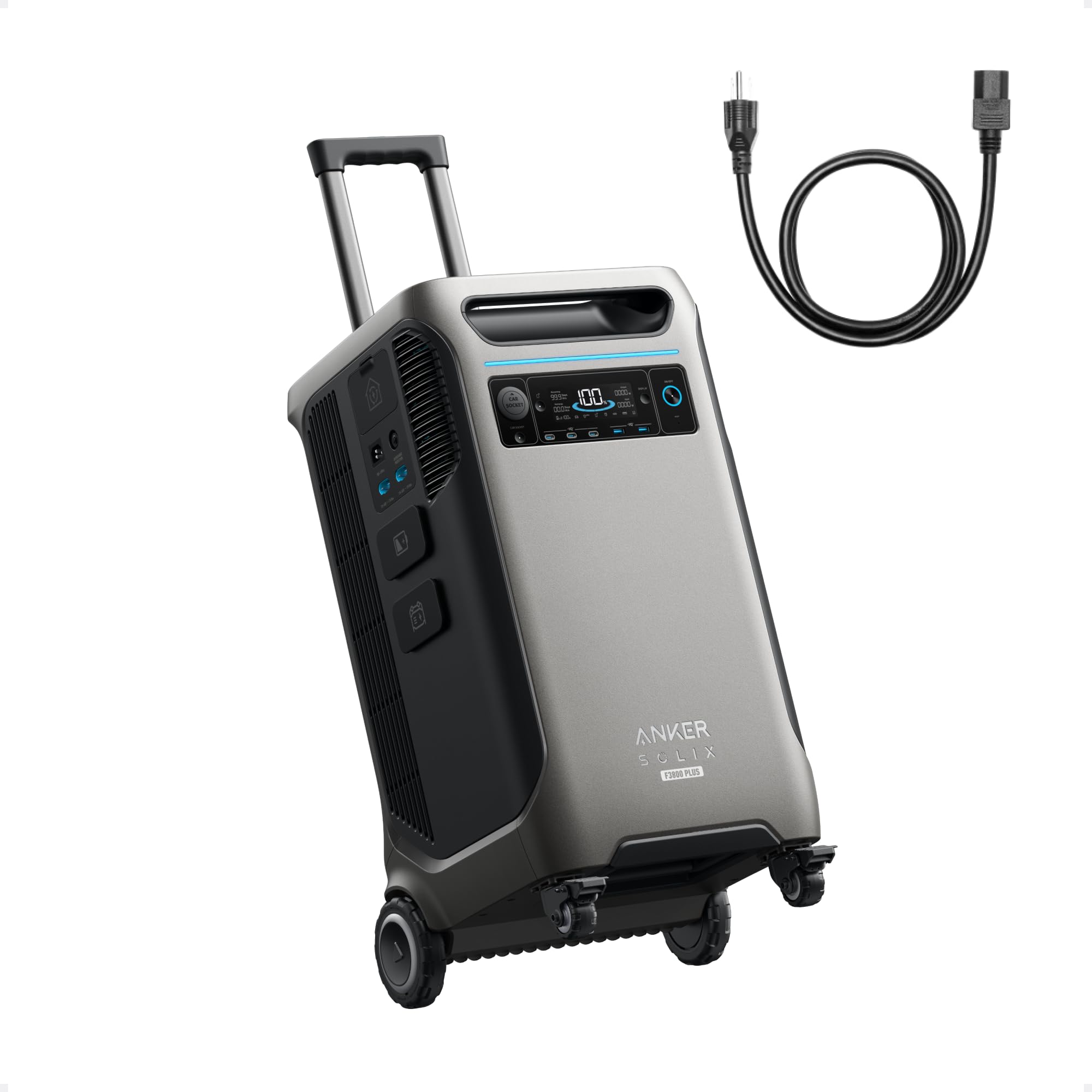

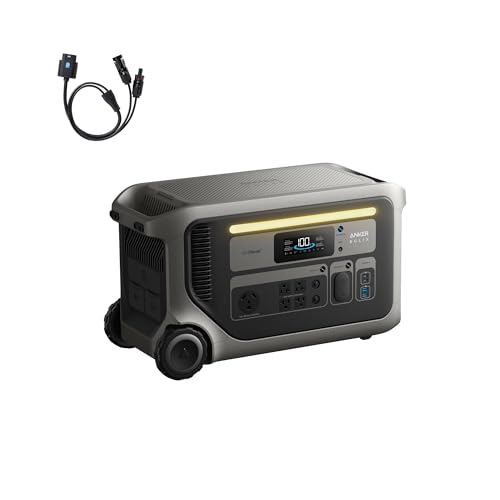
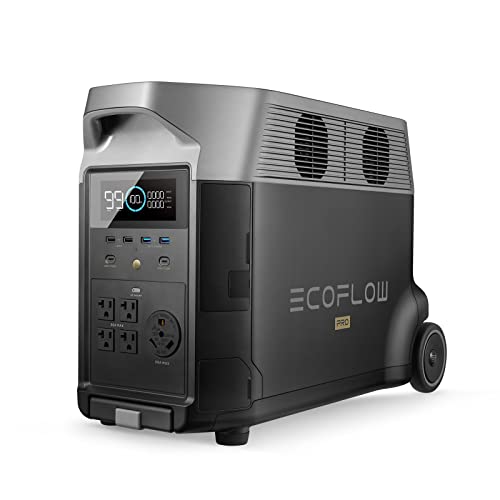
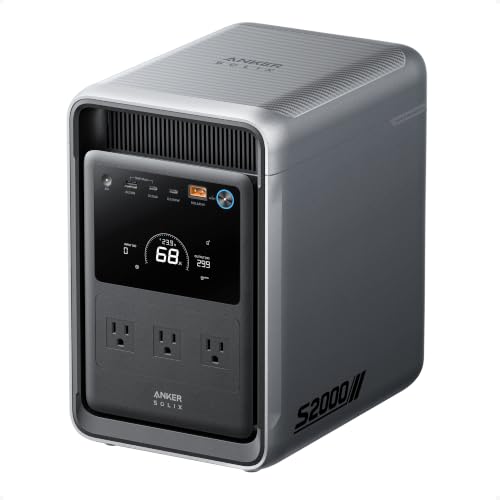

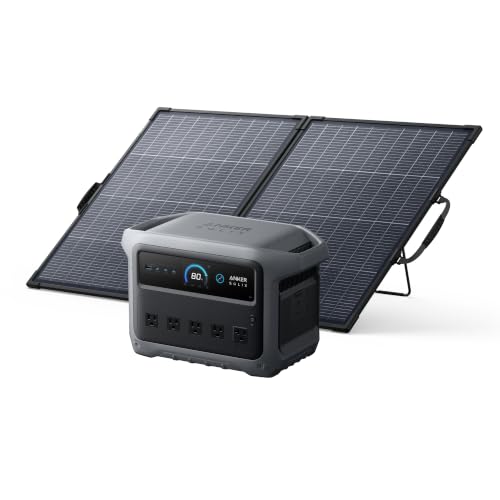
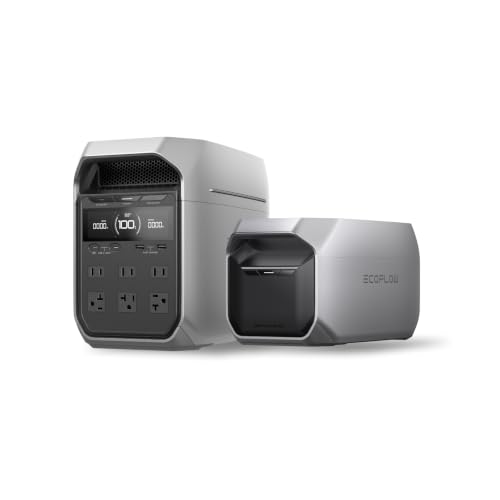

Anker SOLIX F3800: Key Specs to Check Before You Buy
Start with capacity, stated in watt hours, because that figure sets how long the station can run your loads before a recharge. Next check continuous output in watts, plus the surge rating, because a fridge or sump pump draws extra power each time its motor starts.
Expansion matters at this size, since some large units accept extra battery packs later. Also note charging inputs, maximum solar input, and wall recharge time, because a big battery that takes all day to refill helps less during back to back outages.
First Impressions and Build Considerations
Households first notice sheer size. It needs a flat, dry spot with room around the vents, and wheels and a sturdy handle help a lot, because lifting a large battery over a threshold is awkward. Plan the route from storage to the rooms you will power before it arrives.
Look at the housing, corner protection, and port covers. Covers that sit flush keep dust out of sockets you rarely use, and a display you can read from a few feet away saves crouching during an outage. A tidy front panel matters in shared family spaces, where the station may sit in view for days.
How It Performs in Everyday Home Use
Performance for Core Household Loads
For most families the real question is simple. Can the station keep a fridge cold, run a few lights, charge phones and laptops, and power a router through the night? Add up the watt draw of everything you plan to run at once, then compare that total with the continuous output rating. A fridge cycles on and off, so its average draw is far lower than its startup draw, and that cycling stretches a large battery across a long outage. Keep your planned total comfortably below the output limit.
Compatibility With Panels, Appliances and Home Circuits
Check plug types and voltage against your appliance list. Most household items in the United States run on standard AC outlets, but a well pump or dryer may need a higher voltage connection and a licensed electrician to link a station to home circuits safely. Never use improvised cords to feed power back into house wiring. A proper transfer switch or inlet, fitted by an electrician, is the safe route.
Solar charging adds a second check. Panels, cables, and the station input must match on voltage and connector type, and combined panel output must stay within the stated input limit. Readers weighing a smaller sibling can read our anker solix c1000 review to see the same checks at lower capacity.
Heat, Noise and Power Draw
Large stations use fans to move heat away from the battery and inverter, and fan noise rises during fast charging or heavy loads. That hum is easy to ignore by day, but in a bedroom it can bother light sleepers, so place the unit farther from the bed. Heat also builds when vents sit against a wall, so leave clear space on every side. The inverter also uses some energy with light loads, so treat maker runtime estimates as a guide rather than a promise.
Build Quality and Warranty Signals
Battery chemistry is the quiet factor behind long service life. Many large home stations now use lithium iron phosphate cells, known for a high cycle count and stable behaviour under heavy use. Check the stated cycle life in the maker documents. Sockets should grip plugs firmly, the handle should feel solid under load, and the wheels should roll without wobble. The station should also work fully from its own controls if an app or your phone is unavailable.
Features You Will Actually Use
The features that earn their keep are plain ones. A clear display showing input, output, and time remaining helps you ration power without guessing. Multiple charging routes matter too, because wall charging is fastest at home, solar helps during long sunny outages, and vehicle charging can top up slowly on a trip. A mode that bridges brief grid flickers can keep a router running, which home office workers value.
App control is handy for checking the battery from another room and setting charge limits. What you can skip is novelty. Very high solar input ratings only help if your yard setup can feed them. Pay for capacity, output, and charging speed first.
Living With It: Setup, Cleaning and Upkeep
Setup is mostly placement and planning. Charge the station fully, then run a short practice session with your fridge, lights, and router so the whole household knows what plugs in where. Label the cords and store them with the unit, indoors on a dry floor away from direct sun. A practice run in calm weather beats learning the controls by flashlight during a storm.
Upkeep is light. Wipe the housing with a dry cloth, keep vents free of dust, and check cables before each use. Store the battery partly charged if the maker advises it, and top it up every few months.
Strengths and Tradeoffs to Weigh
The clear strength of a large station is calm during an outage. One unit can cover the fridge, communications, lighting, and work gear for the whole family, with no fuel to store and no exhaust fumes. Quiet operation and instant start up suit apartments and shared homes, and expansion options let the system grow with your needs.
The tradeoffs are just as real. A unit this size is heavy, takes real floor space, and costs far more up front than a compact station. Recharging takes time, and solar input depends on weather and panel placement. It will not run a whole house of heavy appliances the way a large fuel generator can, so honest load planning matters.
Is the Anker SOLIX F3800 Right for Your Household?
This class suits households that lose power often enough to plan for it, families who want one shared unit for kitchen and living areas, and home office workers who cannot afford downtime. If your home has medical equipment that must stay powered, talk with your clinician and your power provider about backup planning, and treat any station as one part of a wider safety plan.
Skip this size if your outages are rare and short, if you only need to charge phones and a laptop, or if you live in a small flat with no sensible storage spot. A compact station serves those needs for far less money and is easier to carry.
How the Anker SOLIX F3800 Compares
Comparisons help only when framed by use. Against compact stations, a unit in this class trades portability for runtime and output, so the choice turns on whether you move the station often or leave it in place as home backup. Against fuel generators, it wins on indoor safety, noise, and upkeep, and loses on endless runtime, since a generator refuels in minutes while a battery must recharge.
Readers cross shopping brands in this size range often read an ecoflow delta 3 plus review as well, and the same short list applies there. Compare capacity, continuous output, expansion options, recharge speed, and warranty side by side, and ignore features you will never use. That is also the fairest frame for any anker solix f3800 review you read, including this one.
Price, Deals and Warranty
Large stations sit at the premium end of the portable market, and the total bill grows once you add expansion batteries, panels, or a transfer switch. Expect the base unit alone to run to about $2,000 to $3,500 depending on season and seller, with bundles changing the maths again. Prices and availability can change, so check the product page before ordering.
Seasonal sales can soften the cost, and a bundle with panels or an extra battery sometimes beats buying parts later. Read the warranty before you buy, note whether expansion packs carry the same terms, and keep your receipt.
Common Buying Mistakes to Avoid
- Buying on capacity alone. A big battery with modest output still cannot start heavy motor loads, so check both figures against your appliance list.
- Skipping the space check. Measure the storage spot and doorways, because a station this size needs room for vents and for you to move around it.
- Forgetting the extras. Panels, cables, and a transfer switch add real cost, and leaving them out leads to a system that cannot do the job you planned.
- Planning for every appliance at once. Listing the whole house sets you up to overspend, while a short list of true essentials usually fits a single station well.
Cost of Ownership and Care
After purchase, running costs stay modest. Wall charging adds a little to your electric bill, solar charging costs nothing beyond panels you own, and there are no oil or fuel costs. Your main long term expense is battery wear, which gentle habits slow. Avoid storing the unit fully charged or fully empty for long stretches, and keep it cool and dry.
Accessories are the other cost. A spare cable, panel leads of the right length, and a storage cover are sensible buys. Budget for an electrician once if you plan a transfer switch. Spread across years, ownership costs stay low compared with fuel and servicing for a generator.
Your Questions, Answered
How do you clean the Anker SOLIX F3800?
Switch the station off and unplug every cable first. Wipe the housing with a soft, dry cloth, using a slightly damp cloth only on stubborn marks and keeping moisture away from sockets and vents. Clear dust from the vents with a soft brush. Clean it before long storage too, because dust on vents can hold moisture against the housing.
What is a cheaper alternative to the Anker SOLIX F3800?
A compact station with a smaller battery is the usual step down, covering phones, laptops, lights, and a router for far less money. What you give up is fridge runtime and headroom for heavier loads. Borrowing a small unit for one storm season can teach you your true load list first.
How long does the Anker SOLIX F3800 last?
Service life is counted in charge cycles as much as in years. Stations in this class using lithium iron phosphate cells are built for thousands of cycles before capacity fades noticeably, and gentle storage habits stretch that further. Calendar age matters too. Even a lightly used battery ages slowly, so buying far more capacity than you need does not bank extra years in proportion to the extra cost.
What are common Anker SOLIX F3800 problems?
Most owner complaints about large stations are practical rather than dramatic. Fans can sound louder than expected during fast charging, apps can lose connection and need a restart, and runtime can fall short of estimates when heavy loads cycle often. One cause readers miss is cold. A battery stored in a cold garage delivers less until it warms up, so bring the unit indoors ahead of a winter storm rather than during it.
Is the Anker SOLIX F3800 worth it?
It is worth it when your load list, outage pattern, and storage space all point to a large unit, and when you will use it often enough to justify the price. It is harder to justify as a just in case purchase where outages are rare and short. Count past outages and what they cost in spoiled food and lost work, then weigh that total against the price.
Final Thoughts
A large home station is a planning purchase. Measure your loads, check your space, price the full kit including panels or a transfer switch, and read the warranty. Look back at the product table above and match each option against your short list of essentials.
If the numbers line up, the anker solix f3800 review case is straightforward. You get quiet, indoor safe backup sized for a fridge, lights, communications, and work gear, with room to grow. Set it up before storm season, and it will be ready when the lights go out.


