Aiper Scuba S1 Review (2026): Is It Worth the Money?
Disclosure: We may earn a commission when you buy through links on this page, at no extra cost to you. As an Amazon Associate I earn from qualifying purchases. Learn more

Our Aiper Scuba S1 review covers performance, design, cleaning, pros and cons, and who should buy it. Plus top alternatives.
The Aiper Scuba S1 is a cordless robotic pool cleaner built for owners who want to drop a machine in the water and skip the hoses, cords, and booster pumps of older designs. This aiper scuba s1 review walks through the specs that matter, how the cleaner is built, what its cleaning cycle can and cannot do, and where it falls short, so you can judge the value first.
Use the comparison table below to see how this model stacks up on pool size, runtime, and filtration. If you are still deciding between cleaner types, our guide to the best robotic pool cleaner options explains how cordless models compare with corded and suction side designs.

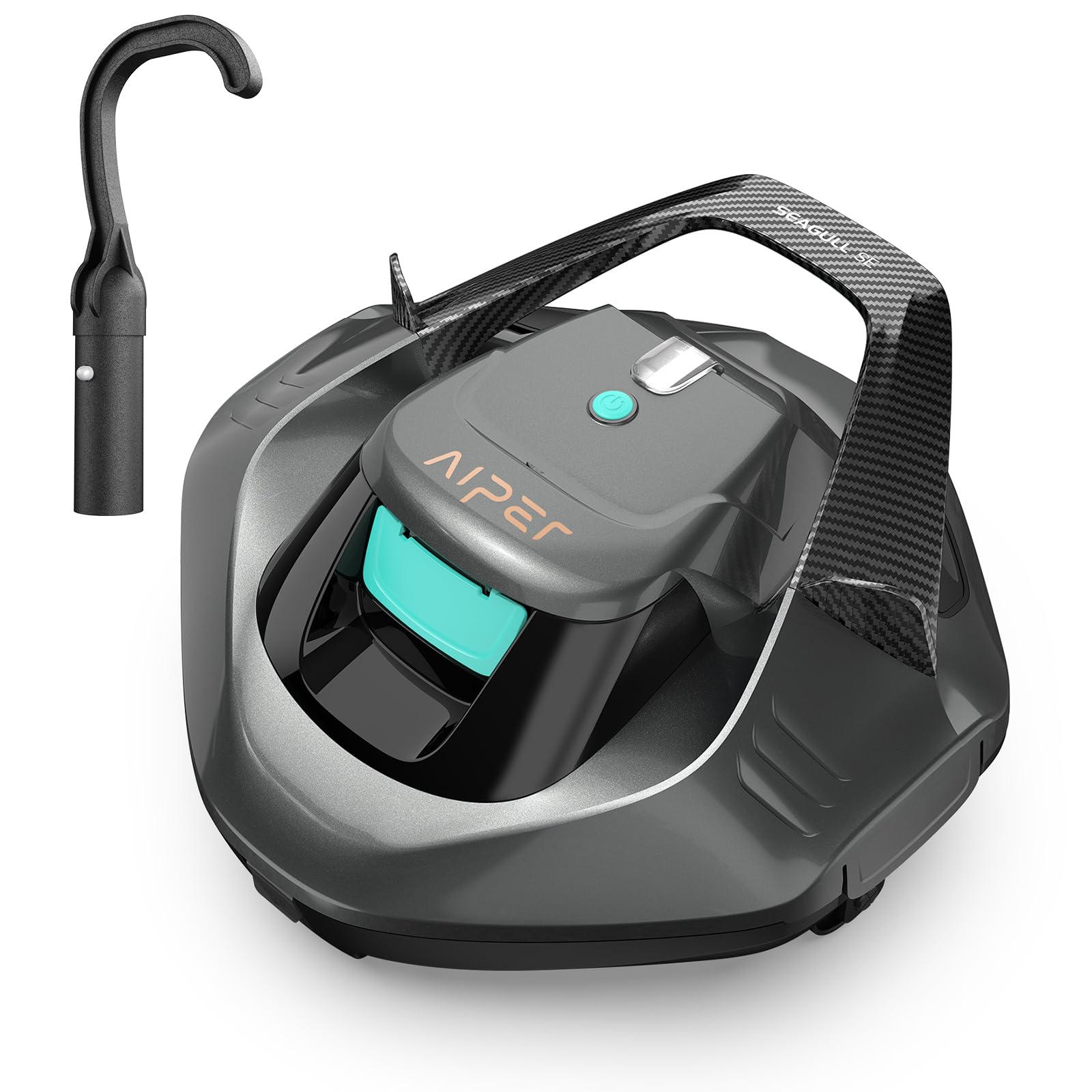
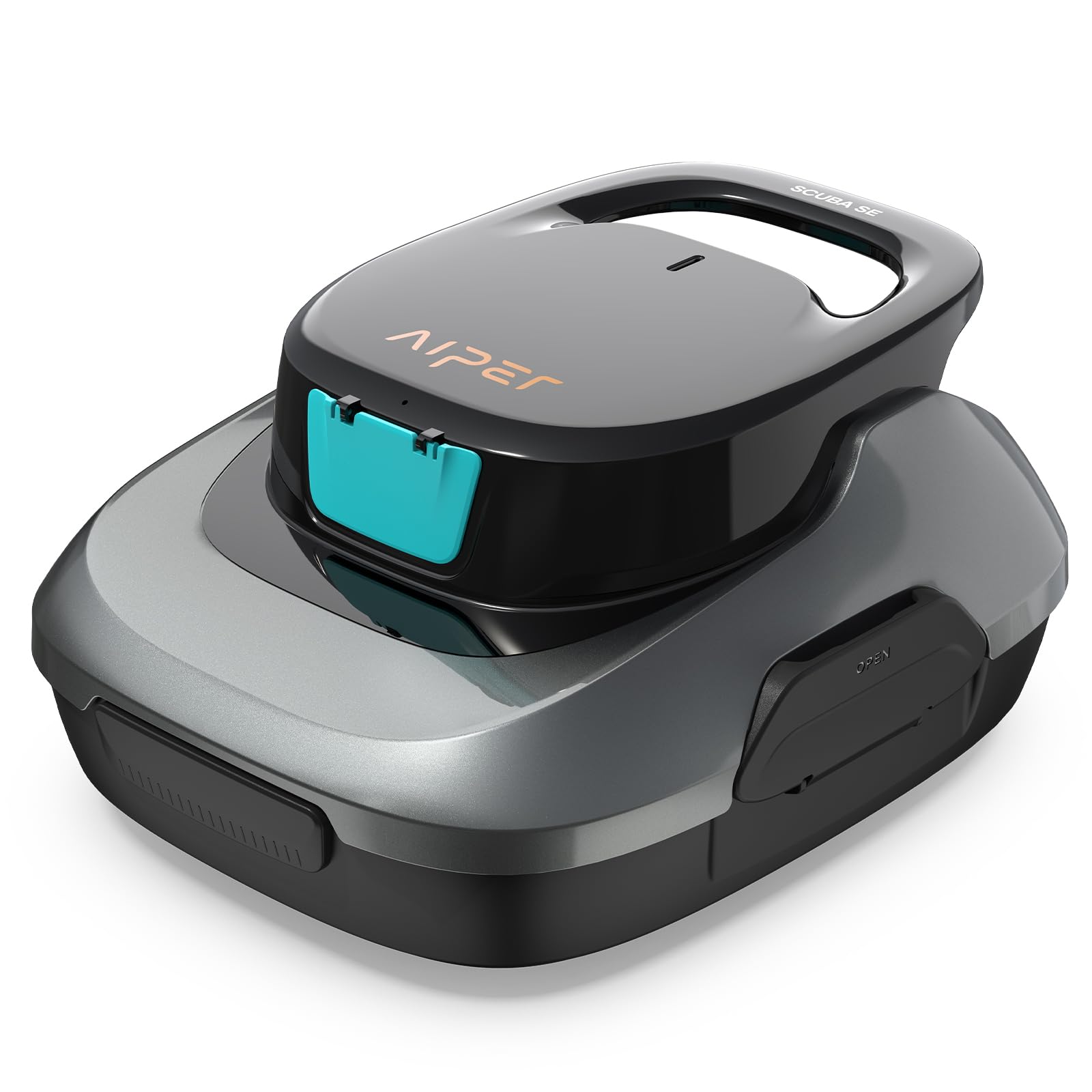


Aiper Scuba S1 at a Glance
The Scuba S1 is a battery powered robot rated by its maker for pools up to about 1,600 square feet, covering both inground and above ground pools with flat or gently sloped floors. It cleans the floor, climbs walls, and scrubs the waterline in a single cycle. A single charge is rated at about 150 minutes of cleaning, and the cleaner parks itself near a wall when the battery runs low so you can lift it out with the included hook.
In short, this is a mid priced cordless model for small to midsize pools. It skips app controls and smart mapping, and in return keeps operation simple: charge it, set the mode, and lower it into the water.
Aiper Scuba S1 Specs at a Glance
- Pool size: rated for pools up to about 1,600 square feet
- Cleaning coverage: floor, walls, and waterline
- Runtime: about 150 minutes per charge, per the maker
- Charging time: roughly 3 to 4 hours
- Filtration: removable filter basket that traps leaves, sand, and fine grit
- Drive: caterpillar style treads for grip on slopes and walls
- Control: mode button on the unit, no app required
Treat maker ratings as best case figures. Runtime drops when the cleaner spends more time climbing walls, and the size rating assumes a simple rectangle or oval. Pools with tight corners, steps, and benches get less even coverage than the headline number suggests.
Design and Build Quality
Build Materials and Weather Resistance
The body is molded plastic, which is standard for this class and keeps the weight low enough for one person to lift from the water. Plastic also shrugs off pool chemicals that would corrode metal parts. The weak points to watch are the seals around the motor housing and charging port, since a worn seal is what lets water reach the electronics. Rinsing the unit with fresh water after use and storing it out of direct sun slows that wear, and it keeps the plastic from turning brittle over a few seasons.
Size and Capacity
The filter basket is the capacity figure that matters most day to day. A basket in this class holds a typical load of leaves and grit from a small to midsize pool, but a yard with heavy tree cover can fill it before the cycle ends, and suction falls as the basket clogs. If your pool collects a lot of large debris, plan on emptying the basket between cycles rather than expecting one pass to handle a storm worth of leaves.
Performance: What to Expect
Floor, Wall, and Waterline Cleaning
The Scuba S1 uses its treads and water jet to climb walls and work along the waterline, where sunscreen film and pollen tend to collect. On the floor it follows a programmed path rather than true mapping, so it relies on run time and repeated passes to reach most areas. Expect strong results on open floor space and straight walls. Steps, swim outs, and tight corners get less attention, and a quick manual brush of those spots before a cycle is still part of owning any robot at this price.
Filtration and Debris Handling
Water is drawn through the filter basket as the cleaner moves, trapping debris inside the unit instead of sending it to your pool filter. That keeps the main filter cleaner and means the robot keeps working even when the pump is off. The basket handles leaves, insects, sand, and silt well. Very fine dust can pass through a standard basket, so if your pool sits near a road or a dry, dusty yard, check whether a finer filter option is offered for this model before you buy.
Battery Life and Charging
Cordless cleaning trades a power cord for a charging routine. About 150 minutes of rated runtime is enough for one full cycle in a pool within the size rating, with charging taking roughly 3 to 4 hours afterward. That rhythm suits owners who clean two or three times a week. If you like to run a cleaner daily during peak season, or your pool is near the size limit, a corded model that can run back to back cycles may fit better than any battery design.
Key Features to Compare
Cleaning Modes
A mode selector on the top of the unit lets you choose full coverage or focus the cycle where the pool needs it most, such as floor only after a windy day or walls only when a film builds up at the waterline. Modes matter because they put the whole battery charge into the zone you pick instead of spreading it thin. If you mostly fight floor debris, a floor focused cycle finishes faster and leaves charge in reserve, while a full cycle is the better default for weekly upkeep.
Retrieval and Parking
When the cycle ends or the battery runs low, the cleaner parks near the edge of the pool so you can pull it out with a hook on your pole. That sounds minor, but it decides how pleasant weekly use feels, since fishing a heavy robot from the middle of the deep end gets old fast. Once lifted out, let the unit drain fully before you carry it, because a cleaner holding pool water is much heavier than its dry weight suggests.
Brushes and Traction
Rotating brushes loosen stuck grit and algae film so the suction can pick it up, and the tread style tracks grip curved walls better than plain wheels. Brush condition drives cleaning quality more than raw suction in this class. Worn or smooth brushes glide over film instead of scrubbing it, so check brush wear once a season and treat brushes as a replaceable part, much like the filter basket.
Ease of Use, Cleaning, and Maintenance
Getting started takes minutes: charge the unit, pick a mode, and lower it slowly into the water so air escapes and it sinks to the floor. There is no assembly beyond attaching the retrieval hook to your own pole. Daily care is just as simple. Open the top, lift out the basket, and rinse it with a garden hose until the water runs clear. Let the basket dry before the next cycle so trapped grit does not harden in the mesh.
Longer term care is about storage and seals. Keep the cleaner in shade, avoid leaving it in the pool for days at a time, and check the charging port cover before every charge, since charging with moisture in the port can damage the contacts.
Aiper Scuba S1 Pros and Cons
Pros
- No cord to tangle, coil, or keep clear of a floating power supply
- Cleans floor, walls, and waterline in one cycle
- Simple controls with no app or WiFi setup required
- Parks at the wall for easy retrieval with the included hook
- Independent of the pool pump, so it can run any time
Cons
- Battery runtime limits it to one cycle before a long recharge
- No smart mapping, so steps and corners get uneven coverage
- Pool size rating suits small to midsize pools only
- Filter basket fills fast under heavy leaf load
Who Should Buy the Aiper Scuba S1 (and Who Should Skip It)
Buy it if you own a small to midsize pool, you dislike managing a power cord across the deck, and you clean a few times a week rather than daily. It also suits above ground pool owners who want wall and waterline cleaning without plumbing changes. Skip it if your pool is large, has complex steps and benches you expect a robot to scrub fully, or sits under heavy tree cover that demands a bigger basket and longer cycles. Those owners will get more from the corded models covered in our dolphin nautilus cc plus review and the compact option in our dolphin e10 review.
Aiper Scuba S1 vs Alternatives
The closest comparison is cordless against corded. A corded cleaner runs as long as you let it and never needs charging, but you manage a long floating cable and a power supply on the deck. The head to head details are in our dolphin nautilus cc plus vs aiper scuba s1 comparison, which suits larger inground pools, and in our dolphin e10 vs aiper scuba s1 breakdown for smaller pools. If you decide the cordless route is wrong for your yard, browse the wider aiper scuba s1 alternative list for other designs at similar money.
Where to Buy and Price Notes
The Scuba S1 usually sells for about $500 to $700, with the lowest prices tending to appear during big seasonal sales events. Prices and availability can change, so check the product page before ordering, and confirm the listing includes the charging cable and retrieval hook. A clear return window is worth it with any pool robot, since the first cycles in your own pool tell you more than any spec sheet.
FAQs
Is the Aiper Scuba S1 worth it?
It is worth it if your pool fits the size rating and you value cord free cleaning over smart mapping. The value case rests on time saved: a few cycles a week with no cord handling and no pump runtime. It is harder to justify near the size limit, since you would spend the full battery on one pass and still brush the steps by hand.
What are common Aiper Scuba S1 problems?
The complaints that come up most with cordless cleaners in this class are missed spots in corners, a full basket cutting a cycle short, and shorter runtime as the battery ages. Most trace back to fit rather than defects. A pool at the edge of the size rating, heavy leaf fall, or a clogged basket will all make a healthy unit look weak, so check those three things before assuming the cleaner itself has failed.
How long does the Aiper Scuba S1 last?
With rinsing after use, shaded storage, and a basket cleaned after every cycle, a cleaner in this class typically serves several seasons. The battery ages first, and runtime fades gradually rather than stopping at once. Brushes and treads wear with use and are worth inspecting each season. Storing the unit over winter, fully drained and indoors, matters as much as hours in the water.
What is a cheaper alternative to the Aiper Scuba S1?
Suction side cleaners cost less because they borrow power from your pool pump instead of carrying a motor and battery. The trade is real: you give up wall climbing, onboard filtration, and the freedom to clean with the pump off. For a small pool with light debris, that trade can make sense. For leaves, waterline film, and wall coverage, the gap in cleaning ability is why robotic models cost more.
How do you clean the Aiper Scuba S1?
Open the top cover, lift the filter basket out, and rinse it with a garden hose until the mesh runs clear, then rinse the inside of the body if grit has settled there. One point owners miss: let the basket dry fully before storing the cleaner with the lid closed, because a damp basket stored in a sealed unit grows a sour smell and can stain the mesh over time.
Final Verdict
The Scuba S1 makes sense as a simple cordless cleaner for small to midsize pools: solid coverage of floor, walls, and waterline, easy retrieval, and upkeep that takes minutes. Its limits are the honest ones of its class, namely one cycle per charge, no mapping, and a basket that fills fast under heavy leaves. Weigh those points against the product table above, and this aiper scuba s1 review should leave you with a clear answer: buy it for convenience on a modest pool, and look at corded models if size or debris load is your main problem.