12v vs 18v: Which Is Better in 2026?
Disclosure: We may earn a commission when you buy through links on this page, at no extra cost to you. As an Amazon Associate I earn from qualifying purchases. Learn more
12v vs 18v: we compare the key differences, pros and cons side by side so you can decide which cordless drill voltage is right for you.
The choice between 12v vs 18v comes down to the work you actually do. Pick 12v if most of your jobs are furniture assembly, cabinet work, and light drilling around the house, and you value a small tool that is easy to handle. Pick 18v if you drill into studs, masonry, or thick hardwood, drive long screws, or want one battery platform that also runs saws and other demanding tools.
The comparison table below sums up the main differences at a glance. If you are also weighing drills across both voltages in one place, our guide to the best cordless drill covers the wider field. Below, we walk through what each voltage really means and where each one earns its place in your toolbox.


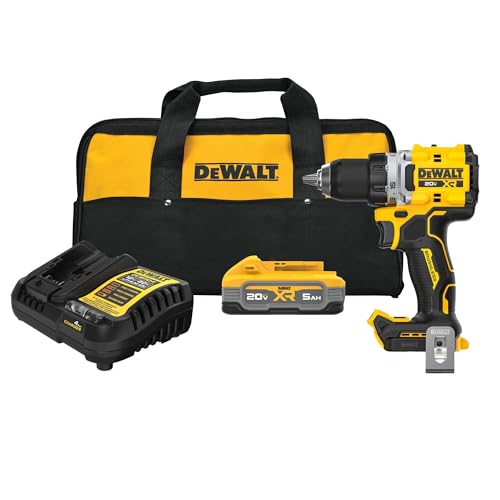
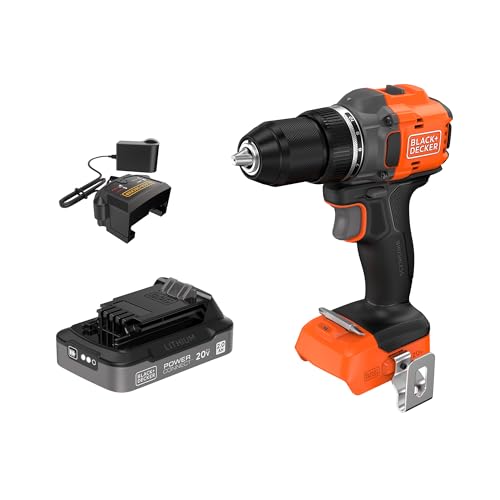
12v vs 18v: Comparison Table
| Criteria | 12v | 18v | Winner |
|---|---|---|---|
| Best for | Light assembly and cabinet work | Construction and heavy drilling | Depends on the job |
| Power | Lower torque for small fasteners | Higher torque for large holes and long screws | 18v |
| Size and weight | Compact and light | Larger and heavier | 12v |
| Runtime per charge | Shorter on demanding tasks | Longer, with bigger battery options | 18v |
| Platform range | Fewer tools, mostly compact ones | Wide range, including saws and grinders | 18v |
| Price | Lower kit prices | Higher kit prices | 12v |
The table shows the pattern clearly. The 12v class wins on comfort, size, and cost, while the 18v class wins on strength, runtime, and platform breadth. Neither result makes the other pointless, because the two classes were built for different workloads. The sections below explain each row in plain terms so you can match the voltage to your own list of jobs.
What Is 12v? What Is 18v?
12v overview
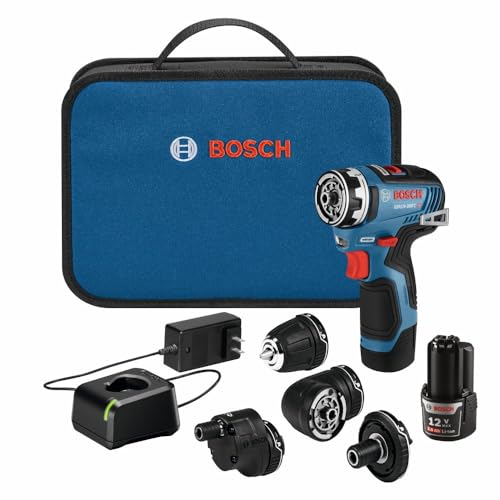
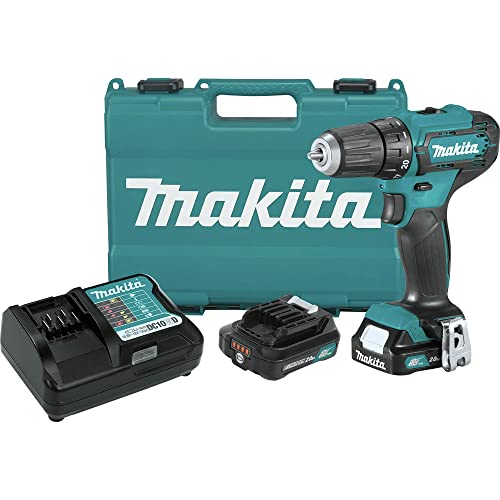
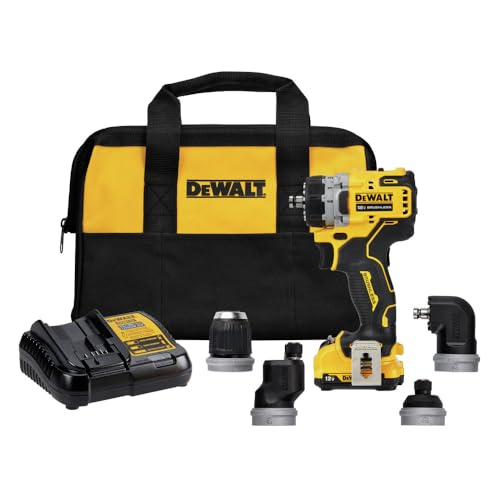
A 12v rating describes the nominal voltage of the battery pack. In practice it labels a class of compact drills built around small packs that slide into the handle grip or clip onto its base. These drills are short from front to back, so they fit inside cabinets and between studs where a full size tool cannot. Most use a 3/8 inch chuck, which covers the drill bits and drivers used for furniture, shelving, and light repairs. Think of 12v as the class designed for control and access first, with enough strength for the small fasteners that make up most household work.
18v overview
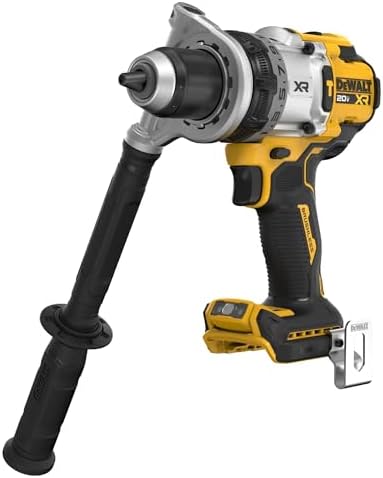
An 18v pack carries more cells, so the motor can draw more power for longer. Drills in this class are bigger in every direction and usually take a 1/2 inch chuck, which grips larger bits such as spade bits, hole saws, and mixing paddles. The same battery also powers a wide family of tools from the same brand, including circular saws, reciprocating saws, and angle grinders. That shared platform is a big part of the appeal, because one charger and a few packs can serve a whole workshop. Think of 18v as the class designed for output and endurance first.
Key Differences
Power and Performance: 12v vs 18v
Torque is where the gap shows up first. A typical 12v drill delivers roughly 200 to 400 inch pounds of torque, which is plenty for driving screws into pine, assembling flat pack furniture, and drilling pilot holes in softwood or drywall. A typical 18v drill delivers roughly 400 to 800 inch pounds, and that extra force matters when you bore wide holes in studs, drive long lag screws, or drill into brick with a hammer drill mode. If a job makes a 12v drill stall or slow down, the answer is not more effort from you. It is a sign the task belongs to the stronger class.
Battery Platform and Runtime
Runtime depends on pack capacity, measured in amp hours, as much as on voltage. Small 12v packs are commonly around 1.5 to 2.0 amp hours, so a drill used for constant driving may need a swap partway through a big project. The 18v class offers a much wider ladder of packs, from compact 2.0 amp hour packs up to large 5.0 amp hour and bigger options for long sessions. The trade off is commitment. Batteries rarely work across brands, so the voltage and brand you choose now decide which bare tools you can add later at lower cost.
Ergonomics and Weight
Weight shapes how a drill feels after an hour, not after a minute. A 12v drill with its battery often weighs about 2 to 3 pounds, and its slim grip suits smaller hands and work above shoulder height, such as fitting curtain rails or cabinet hinges. An 18v drill often weighs about 3 to 4.5 pounds with a compact pack fitted, and more with a large one. That weight is manageable on a workbench or at waist height, but it tires your arm during overhead work. If most of your drilling happens up a ladder or inside furniture, the lighter class protects your wrist and your accuracy.
Durability
Both classes are built to survive workshop knocks, but they are stressed in different ways. The 18v class usually gets metal chucks, reinforced housings, and brushless motors on many models, which suits daily site work and dust, drops, and vibration. A 12v drill is durable for its intended loads, yet asking it to do heavy work again and again runs the motor hot and shortens its life. Durability is therefore less about the badge and more about matching the tool to the load. A lightly used 18v drill and a correctly used 12v drill can both serve for years, while either one fails early when it is pushed past its design.
Warranty
Warranty terms vary by brand more than by voltage, so read the small print rather than assuming the pricier class is covered for longer. Many brands offer a limited warranty of about 3 years on the tool itself, with batteries often covered for a shorter period of about 1 to 3 years. Some brands add a service agreement for buyers who register the purchase within a set window, which is easy to miss. Keep your receipt, register the kit, and note that coverage usually excludes wear items such as chucks and brushes. A clear warranty matters most on the platform you plan to expand, since more tools ride on the same terms.
Price and Value
A 12v drill kit with a battery and charger commonly costs about $60 to $130, while an 18v kit commonly costs about $100 to $250 depending on motor type and pack size. Value depends on what you already own. If your home has no cordless tools yet, one 18v kit can anchor a platform you build on for years, spreading the battery cost across many tools. If you only need a drill for occasional jobs, the 12v kit does everything required for less money and less storage space. Bare tools, sold without a battery, are where platform loyalty pays off, since they cost far less than full kits.
Which Should You Buy?
Choose 12v if…
Choose 12v if your jobs are mostly indoors and light: assembling furniture, hanging shelves and pictures, fitting cabinet hardware, and drilling small holes in drywall, pine, or plywood. Choose it if you work in tight spaces, drill above your head often, or prefer a tool that stores in a drawer and feels easy to control with one hand. It also suits a second drill kept purely for driving screws while another tool drills, a common setup in cabinet work. For this workload, extra torque would only add weight you carry for no benefit.
Choose 18v if…
Choose 18v if you build decks, frame walls, drill into masonry, or bore holes larger than about 1 inch in timber. Choose it if you already own, or plan to own, other cordless tools such as a circular saw or impact driver, because sharing packs across tools saves real money over time. It is also the safer pick when your project list is still growing and you cannot rule out heavier work later. A compact 18v drill with a small pack fitted keeps the weight reasonable while leaving the option of a large pack for long days.
Other Options to Consider
One naming point confuses many buyers. Some brands label their mainstream platform as 20v max, yet the nominal working voltage is 18v, so those drills compete directly with the 18v class in this guide rather than sitting above it. If you are comparing specific compact models on that platform, the dewalt dcd771c2 review covers a widely sold kit, while the dewalt dcd805 review and the dewalt dcd800 review look at smaller brushless options. A corded drill remains a sensible third route for rare, heavy jobs such as mixing compound, since it removes battery limits entirely.
FAQs
Is 12v better than 18v?
Neither is better in absolute terms, because each wins where it was designed to win. A 12v drill is better for comfort, access, and price on light work, and an 18v drill is better for power, runtime, and platform choice on heavy work. One useful test is your hardest regular job rather than your rarest one. Buy for the work you do most months, and rent or borrow a stronger tool for the rare task that exceeds it.
What is the main difference between 12v and 18v?
The main difference is how much power the battery system can feed the motor, which flows from the number of cells in the pack. That single difference explains the rest: tool size, chuck capacity, runtime options, and price all follow from it. If you remember only one line from the 12v or 18v debate, make it this one. Voltage sets the ceiling for the whole tool, and your workload decides which ceiling you need.
Which is easier to clean, 12v or 18v?
Both clean the same way, with a dry cloth for the housing and a soft brush or low pressure air for the vents and chuck. The 12v drill has a slight edge in practice because its smaller body and smooth grip have fewer recesses where dust collects, so a wipe down takes less time. Whichever class you own, never wash a drill or battery with water, and let the tool cool before you clean it after heavy use.
Which lasts longer, a 12v or 18v drill?
Service life depends more on use and storage than on voltage. A drill of either class can last many years when it is kept dry, stored with its battery partly charged, and not stored in a hot vehicle. Battery packs age by charge cycles and calendar time, and replacements are easier to find for the larger 18v platforms simply because more tools share them. If long term parts support matters to you, that wider platform is a practical point in favor of 18v.
Final Thoughts
The product table above tells the story in one view. Small jobs reward the light, nimble tool, and heavy jobs reward the stronger platform. Decide by your hardest regular task, check that the chuck and pack size suit it, and the 12v vs 18v question answers itself. Either way, you end up with a drill that feels right in your hand instead of one you fight all afternoon.