
Best 18v Drill: What Actually Matters Before You Buy in 2026
Disclosure: We may earn a commission when you buy through links on this page, at no extra cost to you. As an Amazon Associate I earn from qualifying purchases. Learn more

Choosing the best 18v drill for home projects? Compare battery platforms, torque, chuck size, weight and price to find the right fit.
An 18 volt drill is one of the most useful tools in a home workshop, but the right choice depends on the work you plan to do. The best 18v drill for light assembly may feel weak for drilling into masonry, while a heavy duty model may feel awkward for small screws. This guide breaks down the specs that matter, so you can compare models on a fair basis.
Use the checklist below to weigh battery life, torque, chuck size, weight and price before you buy. The product table shows the picks side by side, and the sections that follow explain what each spec means in everyday use.

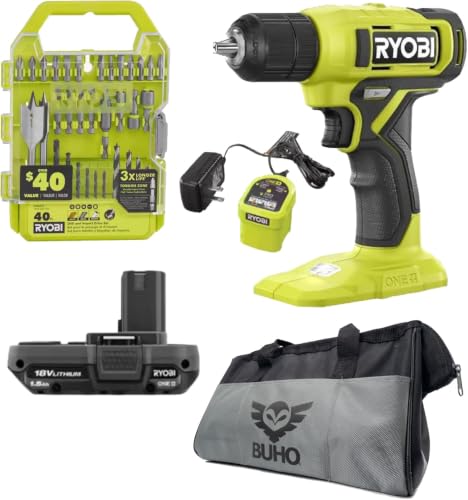


Who Should Buy Which 18v Drill?
Homeowners Doing Light Assembly
If your main jobs are assembling furniture, hanging pictures and driving screws into wood, a compact and light drill is usually enough. Look for a comfortable grip and a battery that holds a charge between occasional jobs.
DIYers Tackling Regular Home Projects
If you build shelves, drill into studs and work on weekend projects, choose a drill with more torque and a second battery. A variable speed trigger gives you control for both delicate screws and larger holes.
Users Drilling Into Tough Materials
If you drill into brick, concrete or thick timber, you need higher torque and a hammer function where available. Check the maximum bit size for masonry and wood, and make sure the grip suits longer sessions.
Key Features to Compare
Corded Versus Cordless and the Battery Platform
Cordless drills give you freedom to move around a room, a garden or a job site without hunting for an outlet. A shared battery platform matters because one set of batteries can power other tools from the same system. Check how many batteries are included and how long charging takes. A corded drill can suit a fixed workshop bench, but most buyers choose cordless for flexibility.
Power, Torque and Speed
Torque measures twisting force, and higher torque helps drive long screws and drill larger holes without stalling. Speed, measured in revolutions per minute, matters for clean holes, while lower speeds give better control for screws. A two speed gearbox lets you switch between high torque for driving and high speed for drilling.
Chuck Size and Bit Compatibility
The chuck holds the bit, and its size sets the largest bit shank the drill can accept. A 13 mm (1/2 inch) chuck covers a wide range of household bits, while a smaller 10 mm (3/8 inch) chuck suits lighter work and keeps the drill compact. A keyless chuck lets you change bits by hand. Make sure the bits you already own fit the chuck.
Safety Features
An electric brake stops the chuck quickly when you release the trigger, which helps prevent overdriving a screw. A clutch lets you set a torque limit so screws stop at the right depth instead of stripping the material. Follow the manufacturer's instructions for eye protection, keep loose clothing away from moving parts, and keep the tool away from children when it is not in use.
Weight, Ergonomics and Vibration
Weight matters most when you drill overhead or work for a long session. A balanced drill with a rubberized grip feels steadier than a heavier model that pulls forward. Vibration and noise increase with tougher materials, so take breaks on long jobs and wear hearing protection when the manufacturer recommends it.
Accessories Included
The box contents change the real cost of a drill. Some kits include two batteries, a fast charger, a set of bits and a carrying case, while others include only one battery and no case. A second battery keeps work moving while the first charges. If you already own bits and batteries on the same platform, a bare tool may offer better value.
Capacity and Working Range
Capacity tells you how deep and how wide the drill can work in different materials. Check the stated drilling capacity for wood, metal and masonry separately, since a drill that handles wood well may struggle in brick. If your projects include masonry, confirm the drill has a hammer mode and the right bit type before you buy.
Choosing an 18v Drill by Budget
Lower Cost Options
Lower cost drills suit light assembly and occasional household jobs. Expect one battery, a basic charger and modest torque, which is fine for screws and small holes in wood and plasterboard. Check that the battery platform still meets your needs, since a very cheap drill can cost more later if you need a second battery.
Mid Priced Options
Mid priced drills suit regular DIY work, with better torque, a two speed gearbox and often a second battery. This range usually offers the best balance of power, weight and accessories for most homeowners. Look for a brushless motor here if you want longer run time, and compare the warranty before deciding.
Higher Cost Options
Higher cost drills suit frequent use and tough materials, with stronger torque, better ergonomics and more complete kits. You may get a fast charger, extra batteries and a sturdier case. Spending more makes sense when the extra power matches real projects, not when the drill will sit in a cupboard most of the year.
Quick Buyer Checklist
- Does the battery platform include other tools you may want later?
- Is the torque and speed range right for your main materials?
- Does the chuck fit the bits you already own?
- Is the weight comfortable for overhead work and long sessions?
- Are two batteries, a charger and a case included?
- Does the drill have a clutch, an electric brake and a trigger lock?
- Is the warranty clear and easy to claim?
- Does the price leave room for bits and extra batteries?
Red Flags to Watch For
- Vague specs with no stated torque, speed or drilling capacity.
- No clear warranty terms or maker support contact.
- A battery platform with few compatible tools or hard to find spares.
- Claims that sound absolute, such as a drill that never stalls or never wears out.
- A price that looks low until you add a battery, a charger and a case.
For related tools, see our guide to the best drill sets if you need bits and accessories in one kit. If you want help judging a single spec in depth, see our guide to the best brushless drill options and what a brushless motor changes. A general best drill guide can help if you are still deciding between drill types.
Care and Maintenance Tips
Let the tool do the work and do not force it, since forcing a drill increases wear and the risk of a slipped bit. Keep bits sharp and clean, and replace a dull bit instead of pushing harder. Wipe the drill after use, store batteries in a cool dry place, and store the drill where children cannot reach it.
Frequently Asked Questions
Can I use batteries across brands?
No, batteries are generally made for one brand platform and do not fit other brands, even when the voltage matches. Adapters exist for some systems, but they can affect safety, warranty and performance, so check the manufacturer's instructions before using one. The safer choice is to stay within one platform for your drill, batteries and charger. If you already own batteries on a platform, choosing a drill on that same platform can save money and keep charging simple.
Is a brushless motor worth it?
A brushless motor is worth it for frequent use because it usually runs cooler, lasts longer and delivers more run time from the same battery. For occasional light jobs, a brushed motor can still do the work at a lower price. The difference matters most when you drill often, drive long screws or work in tough materials. Compare the whole kit, including batteries and warranty, rather than choosing on motor type alone.
What specs matter most for home projects?
For most home projects, torque, chuck size, battery capacity and weight matter more than peak speed alone. Torque decides whether the drill drives screws without stalling, while chuck size sets which bits you can use. Battery capacity affects how long you can work before recharging, and weight affects comfort during longer jobs. A two speed gearbox and a clutch add control, and a second battery is often more useful than a small increase in stated power.
Corded or cordless: which is better for DIY?
Cordless is better for most DIY work because it lets you move freely around a home, a garden or a job site without an outlet nearby. Corded drills suit a fixed bench where constant power matters and weight is less of an issue. For household projects, a cordless drill with two batteries covers most jobs and avoids the limits of a power cord. Choose corded only if you work in one place for long periods and value uninterrupted power over mobility.
How do I choose the right chuck size?
Choose chuck size by the largest bit shank you plan to use, since a chuck cannot accept a bit larger than its stated capacity. A 13 mm chuck suits a wide range of household and workshop bits, while a 10 mm chuck suits lighter work and a more compact drill. Check the bits you already own and the projects you plan, such as larger holes for fixings or masonry work. If you are unsure, the larger chuck gives more flexibility, as long as the added size and weight still feel comfortable.
Final Thoughts
Start with your main materials and jobs, then match torque, chuck size, battery platform and weight to that work. A complete kit with two batteries often offers better value than a bare tool that needs costly extras. The best 18v drill is the one that fits your projects, feels comfortable in your hand and stays within your budget, so check the product table once more before you order.


