10 vs 12 Inch Miter Saw: Which Is Better in 2026?
Disclosure: We may earn a commission when you buy through links on this page, at no extra cost to you. As an Amazon Associate I earn from qualifying purchases. Learn more

10 vs 12 Inch Miter Saw: we compare the key differences, pros and cons side by side so you can decide which one is right for you.
The choice between a 10 vs 12 inch miter saw comes down to the biggest material you cut often, not once in a while. Pick the 10 inch size if most of your work is trim, flooring, deck boards, and framing lumber up to moderate widths. Pick the 12 inch size if you regularly cut tall baseboard, large crown molding, or thick stock that a smaller blade cannot finish in one pass.
Both sizes make the same kinds of cuts, including straight crosscuts, miters, bevels, and compound angles. What changes is capacity, weight, blade cost, and how the saw feels on wide material. The comparison table below sums up the trade offs, and the sections that follow explain each one in plain terms.
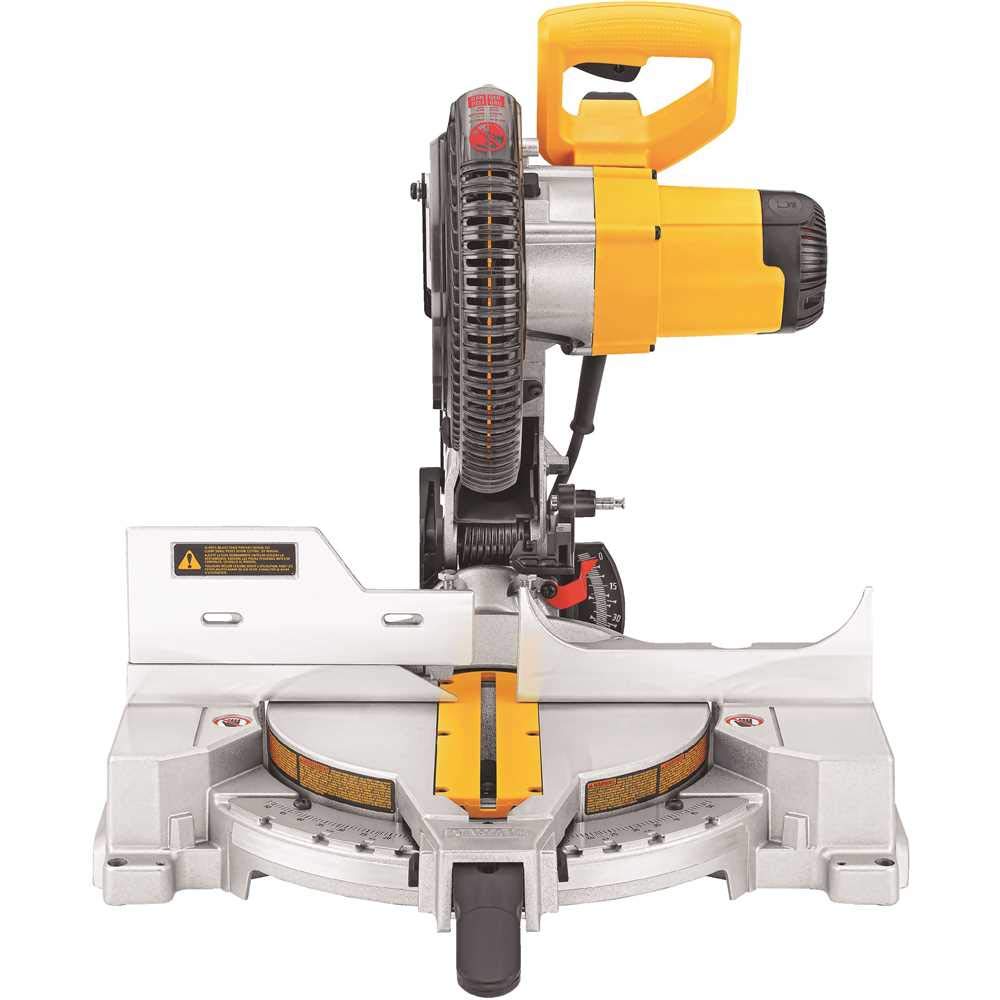


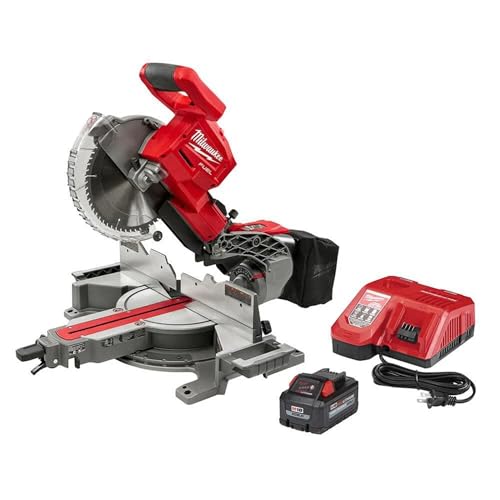
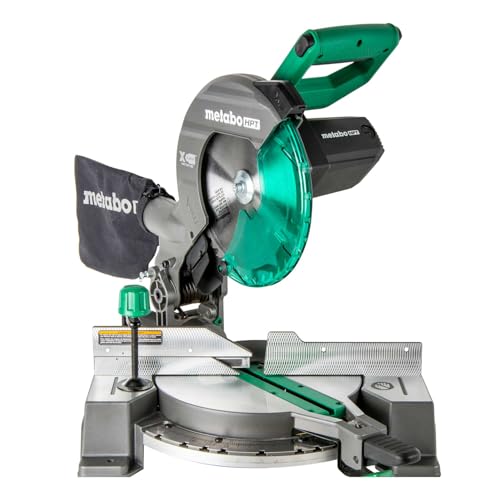
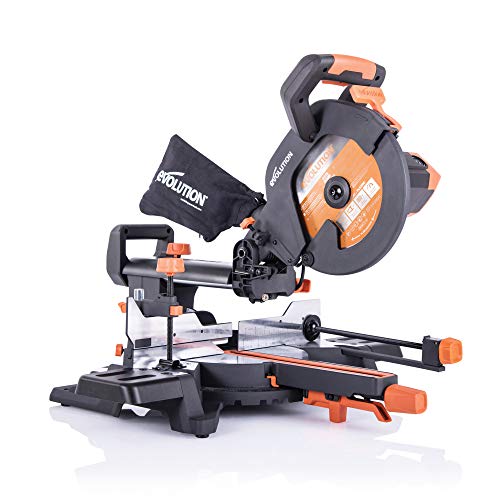


10 vs 12 Inch Miter Saw: Comparison Table
Here is the short version before the detail. Neither size wins every row, and the right answer depends on the work you actually bring to the saw each week.
- Cutting capacity: the 12 inch blade cuts taller and thicker stock, while sliding rails matter more than blade size for board width.
- Weight and storage: the 10 inch saw is lighter, smaller, and easier to carry and store.
- Blade choice and cost: 10 inch blades cost less and come in many tooth counts, while 12 inch blades cost more per blade.
- Accuracy on wide cuts: the smaller blade tends to flex less, while the larger blade needs a quality blade and a steady feed to match it.
- Best fit: 10 inch for trim, flooring, and general work, and 12 inch for large molding and thick or tall material.
What Each Size Is Built For
The 10 Inch Saw at a Glance
A 10 inch miter saw handles the bulk of home and light trade work. It crosscuts common trim, cuts 2 by 4 and 2 by 6 lumber with ease, and handles wider boards when the saw has sliding rails. Because the tool is compact, it suits a small shop, a garage bench, and work that moves from room to room. Blade selection is broad and prices stay modest, so keeping a fine trim blade and a general purpose blade on hand is affordable.
The 12 Inch Saw at a Glance
A 12 inch miter saw exists for capacity. The larger blade reaches deeper, so it can cut tall material standing against the fence and thick stock that would need a second pass or a flip on a smaller saw. That extra reach is why installers who run large crown and tall baseboard often choose this size. The trade off is bulk. The saw takes more bench space, weighs more, and costs more to buy and to feed with blades over time.
Key Differences That Matter
Cutting Capacity and Reach
Blade diameter sets how tall and how thick a piece you can cut in one pass. A 12 inch saw can stand taller baseboard and crown against the fence and still finish the cut, and it handles thick posts and beams that strain a smaller blade. Width across a board is different. Sliding rails, not blade size, give most of the crosscut width, so a sliding 10 inch saw can out cut a fixed 12 inch saw on wide planks and flooring.
Power and Cutting Performance
Most saws in both sizes use motors in a similar power range, so raw power rarely decides this choice. Performance differs in how the blade moves through dense or thick wood. The larger blade has more rim speed and more reach, which helps in deep cuts. The smaller blade often feels smoother in thin trim and narrow stock. In both sizes, a sharp blade with the right tooth count matters more than motor ratings for a clean, splinter free edge.
Corded and Cordless Options and Runtime
Corded models dominate both sizes and give steady power for a full day on a bench. Cordless options are far more common in the 10 inch class, where a single battery platform can run the saw through a trim job or a small flooring project. Cordless 12 inch models exist but need larger packs or paired packs to sustain deep cuts. If you already own a battery platform for your other tools, that fact alone can tip the choice toward the size that shares it.
Ergonomics and Weight
A typical 10 inch saw is light enough for one person to carry up stairs, load into a vehicle, and set on a folding stand without strain. A 12 inch saw, above all in sliding form, is a two hand lift for most people and needs a bigger stand and more bench depth. Sliding rails also extend behind the saw, so check your bench depth before buying. If rear space is tight, the bosch gcm12sd review covers a glide arm design that saves room behind the tool.
Accuracy, Blade Flex, and Durability
A larger blade has a wider span of thin steel, so it can deflect slightly when you push it sideways or feed too fast, and that shows up as a less square edge on wide cuts. A stiff, quality blade and a slow, steady feed keep a 12 inch saw accurate. The 10 inch blade is naturally stiffer, which helps it hold a line in trim work. Both sizes last for years if you keep the fence aligned, clear dust from the detent plate, and replace worn blades on time.
Warranty and Support
Warranty terms follow the brand and the price tier more than the blade size. Both sizes commonly carry multi year coverage on the tool for home use, with shorter terms for some parts and for commercial use. Read the terms for the arbor bearings, the motor, and the bevel stops, since those are the parts that affect accuracy over time. Also check that blades, fences, and dust bags for your size are easy to order, because simple parts support keeps an older saw in service.
Price and Value
Expect to pay about $150 to $350 for many corded 10 inch models and about $250 to $600 for many corded 12 inch models, with sliding and dual bevel designs at the top of each range. Blades widen the gap over time. A good 10 inch blade often costs about $20 to $60, while a comparable 12 inch blade often costs about $30 to $90. If you will never use the extra capacity, the smaller saw is the better value by a wide margin.
Which Should You Buy?
Choose the 10 Inch Size If
Choose 10 inch if your list is trim, casing, flooring, picture frames, deck boards, and general framing with 2 by material. Choose it if you move the saw often, store it on a shelf, or work in a small shop where bench depth is limited. Choose it if you want lower blade costs and the widest choice of cordless models. For most home workshops, this size covers nearly every cut on the project list without strain.
Choose the 12 Inch Size If
Choose 12 inch if you install tall baseboard or large crown molding and want to cut pieces standing against the fence. Choose it if you cut thick stock such as landscape timbers or heavy posts and want to finish in one pass. Choose it if the saw will live on a stand or a fixed bench, so weight and size stop mattering. To see what this class offers in sliding form, the dewalt dws780 review is a useful reference point.
Other Options to Consider
Before you settle on a size, weigh the design choices that sit across both. A sliding saw adds crosscut width for planks and shelving. A dual bevel saw tilts both ways, so you flip the head instead of flipping long trim pieces, which saves time and reduces handling errors. A fixed, single bevel saw costs less and has fewer parts to keep in tune, and it suits simple crosscut work well.
If you are still weighing the wider field, our guide to the best miter saw walks through sizes and designs together. Shoppers comparing large sliding models can also read the dewalt dws779 review to see how a similar saw in the same class is set up. Treat these as reading on features and layout, then match the capacity numbers to your own material list.
FAQ
Can a 10 inch miter saw use a 12 inch blade?
No. The blade guard, the housing, and the fence layout are built around the rated blade size, and a larger blade will not fit safely inside the guard. Fitting the wrong size can also put the blade too close to the table insert and the fence. Always match the blade diameter printed on the saw nameplate, and check the arbor size as well, since diameter alone does not confirm a correct fit.
Can you put a 10 inch blade on a 12 inch miter saw?
Some makers allow it and some do not, so the manual for your saw is the only safe answer. A smaller blade reduces cutting depth, may sit below the point where the guard works as designed, and can change how the saw reads its depth stop. If the maker approves it, the setup can save a worn fine blade for trim cuts. If the manual is silent, treat that as a no and buy the correct size.
Do 10 inch and 12 inch miter saws use the same stand?
Most miter saw stands accept both sizes, because the mounting rails adjust to different base widths and bolt patterns. The real limits are weight rating and table height. A heavy sliding 12 inch saw can exceed the rating of a light stand, which shows up as flex when you slide long boards across it. Check the stand rating against the saw weight plus your typical stock, and confirm the mounting brackets match your base before ordering.
Which miter saw size is better for cutting crown molding flat?
Cutting crown flat on the table uses compound angle settings, and both sizes can do it with the spring angle marked on the saw or in the manual. The 12 inch saw helps when the molding is wide, since the blade must reach across the full width of the piece lying flat. For standard crown widths, a 10 inch sliding saw reaches fine. Practice the compound settings on scrap first, because flat cutting wastes more material when the angle is wrong.
How often should you replace a miter saw blade?
Replace or sharpen a blade when cuts start to burn, tear out, or need extra feed pressure, rather than on a fixed schedule. A trim blade used on clean wood can last through many projects, while a blade that hits a hidden nail can be done in one second. Keep the removed blade if it only needs cleaning, since pitch buildup on the teeth mimics dullness. A quick wash with blade cleaner often restores a blade you were about to discard.
Final Thoughts
Size a miter saw to the tallest and thickest material you cut on a regular basis, and let everything else follow from that. The 10 inch saw wins on weight, price, blade cost, and cordless choice. The 12 inch saw wins on capacity for tall molding and thick stock. Look back at the product table above, match it to your project list, and the right pick between a 10 vs 12 inch miter saw becomes a simple, confident call.