Best 10 Inch Miter Saws (2026): Types, Features and Buying Tips
Disclosure: We may earn a commission when you buy through links on this page, at no extra cost to you. As an Amazon Associate I earn from qualifying purchases. Learn more
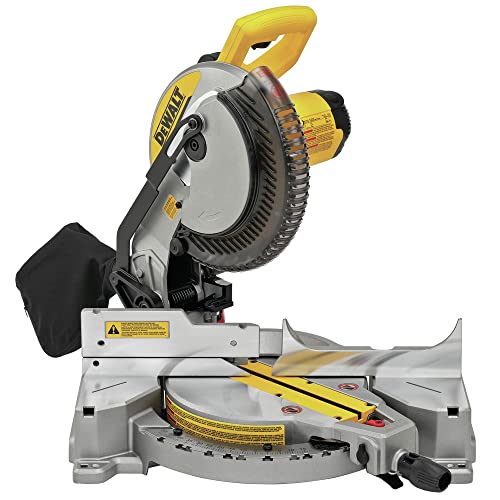
How to choose the best 10 inch miter saw: bevel type, cut capacity, power source and budget, plus the mistakes to avoid.
Choosing a miter saw gets confusing fast, because two saws with the same blade size can cut very different widths and bevel in very different ways. If you want the best 10 inch miter saw for your shop, start with the work you actually plan to do, then match the saw type, power source, and weight to that work. The product table on this page lists current options so you can spot the right fit quickly.
This guide walks through the three types worth comparing, the specs that change your cuts, and the price tiers you will see while shopping, so you can buy once and cut with confidence.
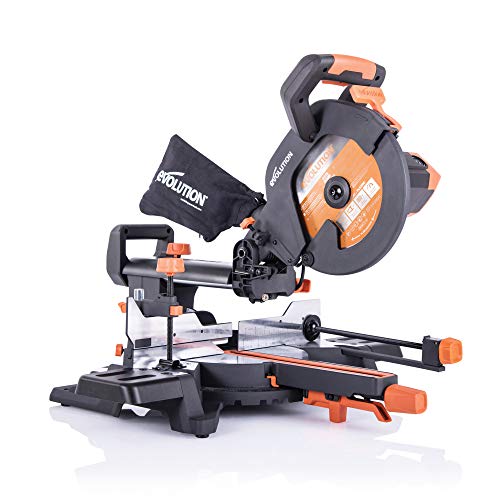

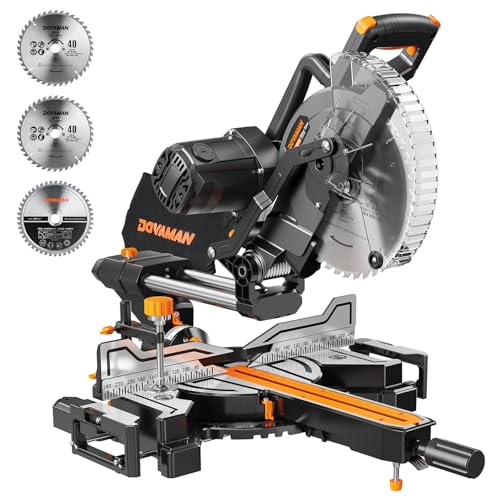

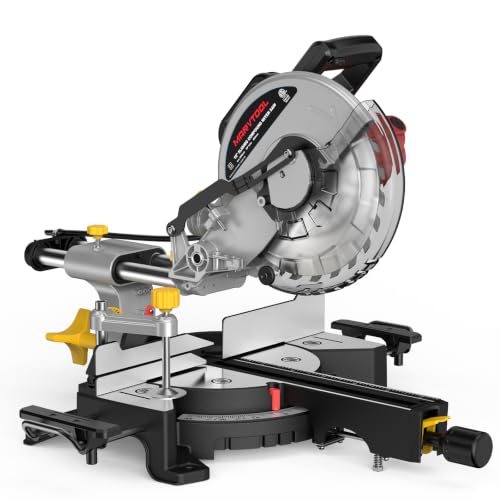

10 Inch Miter Saw Types at a Glance
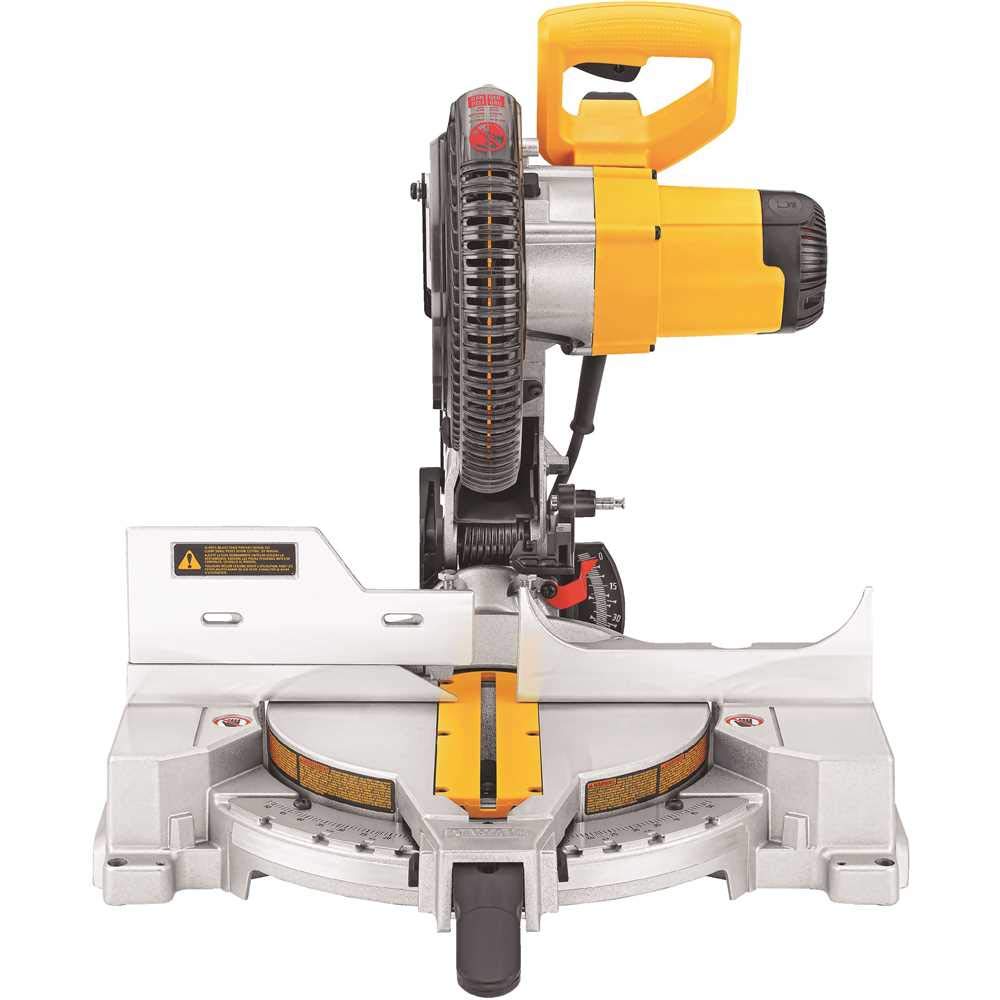
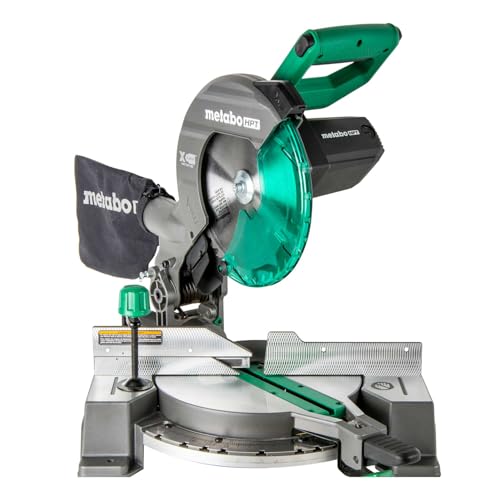
Every 10 inch model falls into one of three broad types, and the type matters more than small spec differences between similar saws. A dual bevel saw tilts both ways, and a sliding saw adds rails that let the blade travel forward and back. Your stock width and trim work decide which type earns its space.
Three Types Worth Comparing
Single Bevel Compound Saws for Trim and Framing
A single bevel compound saw miters left and right and bevels in one direction, which covers most trim, picture frames, and framing lumber with ease. To cut a bevel that faces the other way, you flip the board end for end, a small extra step that most home users accept gladly. These saws weigh less and cost less than the other types, and their simpler head design leaves fewer parts to knock out of alignment. Choose this type if your projects center on 2 by 4 and 2 by 6 lumber, baseboards, and basic casing.
Dual Bevel Compound Saws for Crown and Fitted Trim
A dual bevel compound saw tilts to both sides, so you can cut matching bevels without flipping long or fragile trim pieces. That matters most for crown molding and for wide casing, where flipping a board risks a wrong angle or a damaged edge. You keep the workpiece in one position and move the head instead, which speeds up fitting work in older rooms where corners are rarely square. The tradeoff is extra weight and a higher price. Pick this type if you plan regular crown work or stair trim.
Sliding Compound Saws for Wide Boards
A sliding compound saw mounts the blade and motor on rails, letting you pull the blade forward, lower it, and push it through the cut. That travel extends cross cut capacity well beyond a fixed head saw of the same blade size, often enough for shelving boards and wider decking. The rails need room behind the saw, so measure your bench depth before you buy. Rail quality also shapes accuracy, because loose play in the slide shows up as a cut that drifts off your line. Choose a sliding model if wide boards are a regular part of your work.
How to Evaluate a 10 Inch Miter Saw
Judge any model on five points. Power and performance decide whether the blade holds speed in dense hardwood. Battery platform and runtime matter if you go cordless, while ergonomics and weight decide how often you will bother to set the saw up. Durability shows in the fence, the detent plate, and the guard action, and warranty terms tell you how the maker supports the saw later. Compare maker spec sheets and verified owner reports on these points, because a stiff fence and accurate detents improve every cut you make.
How to Choose the Right Miter Saw
Size and Form Factor
Blade size sets your maximum cut depth and width. Smaller 7 1/4 inch and 8 1/2 inch saws suit light trim and travel easily, while 12 inch saws cut taller stock but weigh more and use pricier blades. The 10 inch size sits in the middle, handling common lumber and most trim profiles while keeping blade costs and total weight moderate. If you often cut tall baseboards or thick posts, read our guide to the best 12 inch miter saw before you decide, because a larger blade may save you from flipping stock to finish a cut.
Type
Match the type to your widest and most angled cuts. A compound saw handles miters and one direction bevels, a dual bevel saw adds the second tilt, and a sliding head adds width capacity on top of either setup. Compact models trade capacity for a smaller footprint, which suits a crowded garage bench. List the three cuts you make most often, then pick the simplest type that makes all three without flipping or repositioning your stock more than once.
Features Worth Paying For
A laser or an LED shadow line helps you line up a cut before the blade spins, and the shadow line stays accurate in bright light where a laser can wash out. Positive stops at common angles speed up repeat cuts, and an electric brake stops the blade quickly between cuts. Dust ports that fit a shop vacuum collect far more debris than the small bag in the box. A stand earns its cost if you cut long boards often, because supported stock feeds straighter and safer.
Cordless and Corded Power
Corded saws deliver steady power for long sessions and never pause for a charge, which suits a fixed bench in a garage or shop. Cordless models free you to cut at a fence line, on a deck, or anywhere an outlet is out of reach. Runtime depends on board density and cut count, so one battery may cover a small trim job but not a full day of framing. If freedom from a cord drives your choice, compare the options in our guide to the best cordless miter saw.
Battery Platform
When you buy cordless, you are also buying into a battery platform. If you already own drills or other tools from one platform, a saw that shares those packs can save you the cost of extra batteries and chargers. Check how many packs the saw needs per charge cycle, because some larger cordless saws draw on two packs at once. Owning at least one spare pack keeps work moving while the first pack charges.
Brushless Motors
A brushless motor adjusts power delivery electronically instead of through carbon brushes that wear down over time. In practice you get stronger cutting under load and longer runtime per charge on cordless models, plus one less wear part to replace. The gain is real but modest for light trim work, so treat brushless design as a bonus on a saw that already fits your capacity needs.
Accessories and Warranty
Budget for the extras that make the saw useful on day one, including a blade suited to your material, a clamp for short stock, and a stand or support wings for long boards. A general purpose blade cuts framing lumber well, while trim work rewards a blade with more teeth for a cleaner edge. Read the warranty length and what it covers, and confirm that parts for your model stay easy to order.
How Much Should You Spend?
At under $150 you get basic single bevel saws that suit occasional trim and framing, with simpler fences and fewer stops. At about $150 to $300 you gain dual bevel action or a sliding head, better detents, and stronger dust ports. At about $300 to $500 you find the most refined slides, shadow line cut guides, and heavier fences. Leave room in the budget for a good blade, since blade choice changes cut quality more than a small step up in saw price.
Is a 10 Inch Miter Saw the Right Size for You?
For most home workshops, yes. A 10 inch blade cuts common framing lumber in one pass, handles most baseboard and casing profiles, and keeps replacement blades affordable and easy to find in several tooth counts. New users often land here too, and our guide to the best miter saw for beginners explains the basic setup and safety habits that make early projects go smoothly. Before your first cuts, review how to use a miter saw so clamp use, hand position, and blade guard habits are clear from the start.
The size falls short when your stock grows. Tall crown, thick beams, and very wide boards can exceed its depth or width, even on a sliding model. If that sounds like your project list, work through the comparison in 10 vs 12 inch miter saw to see the capacity and weight tradeoffs in detail. Also weigh bench space, because a sliding 10 inch saw can need as much rear clearance as a larger fixed head saw.
FAQ
What is the best 10 inch miter saw?
The right answer depends on the type that fits your cuts, since a sliding dual bevel model and a basic compound model serve different work. Start with capacity, then check fence alignment on the saw you receive by cutting scrap and checking the joint with a square. A saw that arrives square and holds its settings through a full project will serve you better than a feature rich model that needs constant adjustment between cuts.
What size miter saw do I need?
Measure the widest and tallest stock you cut in a typical year, not the single largest board you can imagine. Most home users find their real list tops out at framing lumber, shelving, and standard trim, all within reach of a 10 inch blade. One more check helps. Stack the trim profiles you plan to install and measure the pile, because cutting trim nested against the fence uses depth differently than cutting it flat on the table.
How long does a miter saw last?
A well kept saw can serve for many years of home use, and the blade will need replacement or sharpening long before the motor wears out. Storage plays a bigger role than most owners expect. Keep the saw in a dry spot, because damp air rusts the table and slide rails and makes the head travel feel rough. If the saw sits unused for months, spin the blade by hand with the saw unplugged first to confirm nothing has seized before you power it on.
Is a miter saw worth it?
It is worth it when you cut angles or repeat cross cuts often enough that measuring and hand sawing each one slows every project. Count your planned jobs for the next year. If trim for one room is your only task, renting for a weekend may cost less. If you face flooring, decking, fencing, or furniture work as well, owning the saw quickly earns back its bench space, and every later project starts faster because the saw is already set up and square.
How do you clean a miter saw?
Unplug the saw or remove its battery, then brush loose dust from the table, fence, and guard before wiping surfaces with a dry cloth. Pitch buildup on the blade dulls cuts and strains the motor, so remove the blade and clean it with a blade cleaning solution when cuts start to scorch the wood. Keep air vents clear with a soft brush rather than blasting them, because forced air can push fine dust deeper into the motor housing where it traps heat.
What is the most reliable miter saw brand?
No single brand wins for every buyer, because reliability in daily use comes from build quality, parts support, and service access as much as the name on the saw. Check how long the maker stocks fences, switches, and brush sets for older models, and whether a service center sits within a reasonable drive of your home. A saw you can repair locally in a week beats a marginally stronger saw that waits months on a shipped part.
Final Thoughts
The product table above pulls the main types together, so use it to confirm which design matches your stock, your bench space, and your budget. For most home workshops, the best 10 inch miter saw is the one whose bevel range and cut capacity fit your project list without wasted size or cost. If you want the wider view before you order, start with our guide to the best miter saw, then come back and choose your type with clear eyes.