Best Windshield Wipers: A First Time Buyer's Guide for 2026
Disclosure: We may earn a commission when you buy through links on this page, at no extra cost to you. As an Amazon Associate I earn from qualifying purchases. Learn more
A first buyer guide to the best windshield wipers: blade types, sizes and connectors, installation and when to replace them.
Worn windshield wipers are easy to ignore until the first heavy storm, when streaks and smears turn the road ahead into a blur. Replacing them is one of the cheapest, simplest safety upgrades you can make to any car, truck or SUV, and most drivers can do it in minutes without tools. If you are buying for the first time, though, terms like beam blade, J hook and hybrid can be confusing. This guide explains the best windshield wipers in plain English, so you get blades that fit your vehicle and clear your view in every season.
We cover how wipers work and the main blade types, translate the specs on product pages, list the rookie mistakes that lead to poor fit or chatter and walk you through installation and first use. The product table above lists popular options from Bosch, Rain-X, PARRATI, MOTIUM and other brands sold new on Amazon US.




Windshield Wipers 101: The Basics
A windshield wiper has two main parts: the wiper arm attached to your car and the replaceable blade that clips onto it. The blade holds a rubber or silicone squeegee edge that sweeps water, snow and grime off the glass. Over time, sun, heat, cold and road grime harden and crack the rubber, causing streaks, skipping and noise.
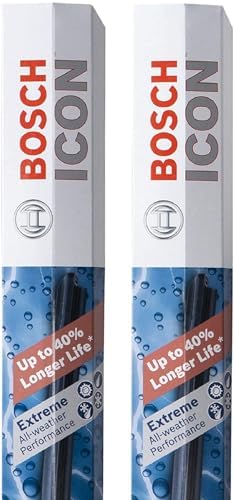
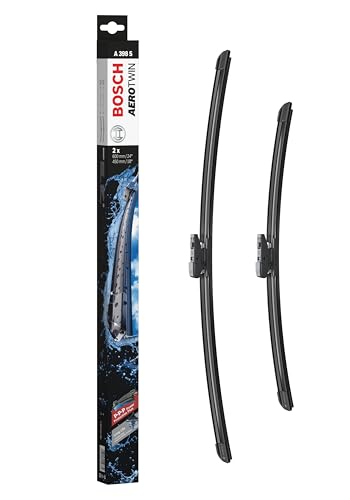
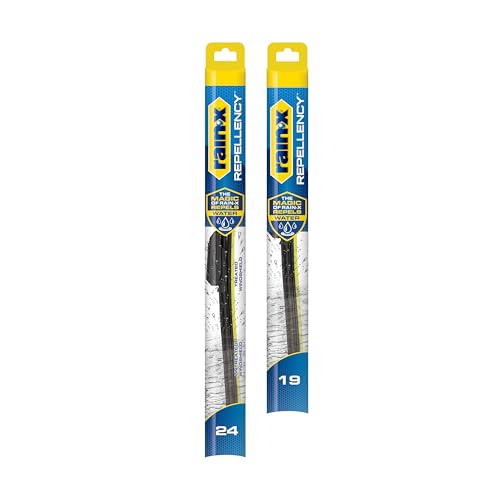
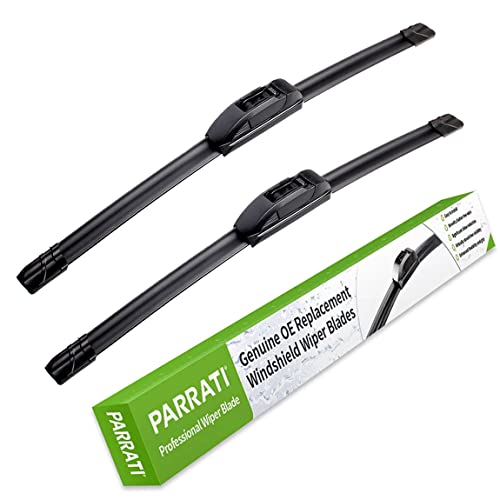
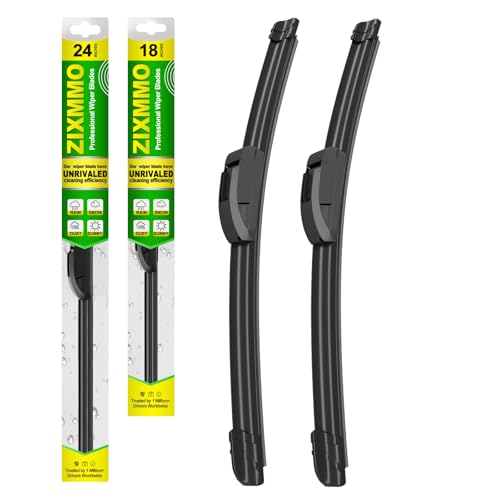
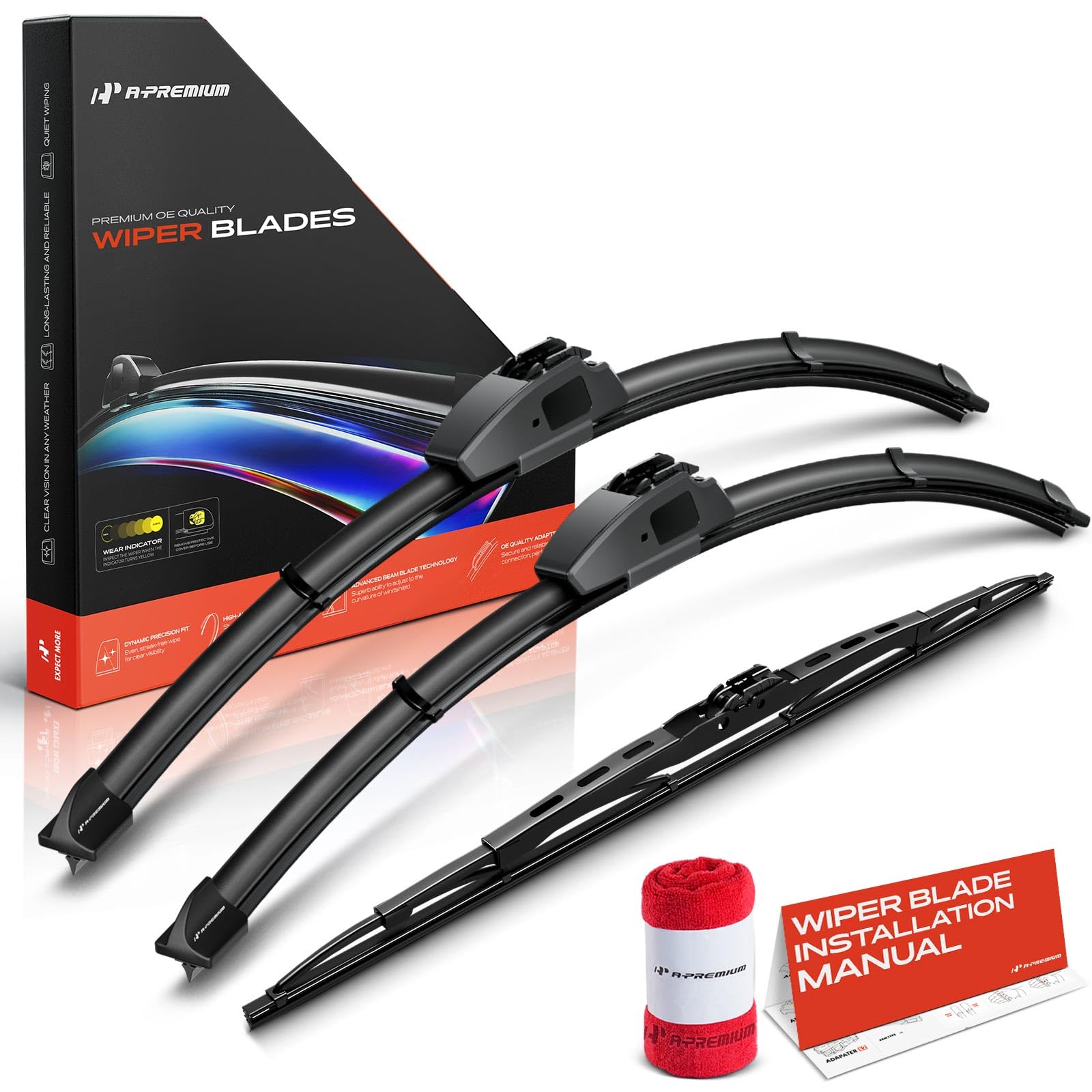
Three blade designs dominate. Conventional blades use a metal frame with pressure points that hold the rubber against the glass; they are affordable and widely available. Beam blades, such as the Bosch ICON and Rain-X Repellency, use a frameless curved spring steel band that applies even pressure along the whole blade, which helps in snow and ice and reduces wind lift at highway speeds. Hybrid blades combine a beam style blade with an aerodynamic shell over a frame.
Most cars use two front blades of different lengths, and many SUVs and hatchbacks have a rear wiper too. Blade lengths and connectors are specific to each vehicle, which is why checking fit is the most important step.
Most makers recommend replacing wiper blades every six to twelve months, or sooner if you see streaking, chattering or visible damage. Climate plays a big role: hot, sunny regions and snowy winters wear blades faster than mild climates.
Rear wipers deserve attention too. They are often forgotten because drivers use them less, but the rubber still ages in the sun. Many rear wipers use unique mounts and shorter blades, so check the size and connector separately when you replace the front pair.
Choosing the best windshield wipers starts with understanding which design suits your weather and driving. Commuters who spend hours on the highway benefit from aerodynamic blades, while drivers in snowy states should prioritize ice resistance and easy cleaning.
Windshield Wipers: Key Specs Explained in Plain English
Here is what each spec on a wiper listing means and how much weight to give it as a first time buyer.
Vehicle Compatibility
Fit comes down to two things: blade length and connector type. Your owner's manual lists the correct lengths for the driver and passenger sides, often something like 26 inches and 16 inches. You can also measure your current blades or use the vehicle lookup tools from wiper brands and retailers.
Connector types include J hook, which is the most common on older and many current vehicles, along with pinch tab, side pin, bayonet and push button styles. Many blades include adapters for several connectors. Always confirm the connector before buying, since a blade that does not lock securely can come loose at speed.
Vehicle specific blades, like those sold for particular Toyota, Honda, Ford or Jeep models, remove the guesswork by matching both lengths and connectors to your car. If you drive a less common model, universal blades with an adapter kit are usually the easiest option.
Ease of Installation
Most wiper blades install in a few minutes without tools. Lift the wiper arm away from the windshield, press the release tab on the old blade, slide it off and click the new blade into place. Packaging usually includes step by step diagrams for each connector type.
Blades with pre installed universal adapters make installation easier, while some vehicle specific blades fit directly without adapters. Rear wipers can use different mounting styles, so check them separately. If a blade does not click firmly, stop and recheck the adapter rather than forcing it.
Take a photo of the old blade's connector before removing it, so you can match the adapter on the new blade. Practice the release motion once with the old blade attached; it makes the swap faster and reduces the risk of damaging the arm.
When removing an old blade from a J hook arm, rotate the blade perpendicular to the arm first, then press the tab and slide it down out of the hook. Reverse the motion to attach the new blade until it clicks.
Build Quality and Weather Resistance
Wiper rubber quality determines how long blades stay streak free. Natural rubber wipes smoothly but ages faster in heat and sun. Synthetic rubber blends and coated rubber resist cracking and ozone damage longer. Silicone blades last the longest and can leave a water repellent coating, though they cost more.
For snowy climates, beam blades resist ice buildup better because there is no open frame for snow to pack into. Winter blades with rubber boots over the frame are another option. In hot, sunny regions, look for UV resistant rubber or coatings to slow hardening.
Driving habits affect blade life as well. Parking in a garage or shade slows rubber aging, and lifting wipers away from the glass before an ice storm keeps them from freezing to the windshield. In winter, use a scraper and defroster to clear ice instead of the wipers.
Performance Specs
Good wipers clear water evenly in a single pass without streaks, skipping or chattering. Beam blades distribute pressure evenly along their length, which helps them follow curved windshields and stay planted at highway speeds. Built in spoilers on some blades use airflow to press the blade against the glass at speed.
Water repellent coatings, as on the Rain-X Repellency line, help water bead and roll off the glass, improving visibility between wipes. Quiet operation is another performance clue; chattering usually means the blade is worn, the wrong size or not sitting at the right angle.
Night driving reveals wiper problems quickly, since streaks scatter oncoming headlights. If you notice glare or hazy bands after each wipe, clean the glass and blades first; if the problem persists, the rubber edge is likely worn and the blades need replacing.
Safety Features
Visibility is the main safety feature of any wiper. Blades that fit correctly and clear the glass completely reduce glare and distortion in rain and at night. Some blades include wear indicators that change color when it is time to replace them, which helps drivers who forget how long they have used their blades.
A secure connector is also a safety feature, since a loose blade can scratch the windshield or detach. Follow the fitting instructions carefully and check that both blades lock in place before driving.
Good visibility also depends on washer fluid and windshield condition. Keep the reservoir full with a fluid suited to the season, repair small chips before they spread and replace blades promptly so the rubber does not scratch the glass with an exposed metal edge.
Features and Extras
Extras include protective covers, wear indicators, water repellent coatings and multi blade packs that cover front and rear wipers. Some kits include a cleaning towel or squeegee. Value packs of two front blades are common and often cost less than buying blades individually.
Premium blades like the Bosch ICON focus on long life and even pressure, while budget blades from brands such as PARRATI, MOTIUM and ZIXMMO offer solid performance at lower prices. Choose based on your climate and how often you want to replace blades.
Price differences mostly reflect rubber compound, frame design and lifespan. A premium blade that lasts twice as long can cost about the same per year as replacing budget blades more often, so consider how much hassle you want with replacements.
Rookie Mistakes to Avoid
- Guessing blade lengths. Check the owner's manual or a fit guide; driver and passenger blades are often different sizes.
- Ignoring the connector type. A blade with the wrong connector may not lock securely.
- Letting the arm snap back. If the arm falls onto the glass without a blade, it can crack the windshield; place a towel on the glass while working.
- Running wipers on a dry or icy windshield. Dry wiping and ice scrape the rubber and shorten blade life.
- Waiting too long to replace. Streaks and chatter are signs to replace blades before the next storm.
Another common mistake is buying only one blade. Wiper blades wear at similar rates, so replacing both front blades together keeps visibility even across the windshield.
Getting Started: Setup and First Use
Before installing, clean the windshield thoroughly with glass cleaner to remove road film, bugs and wax, which helps new blades glide smoothly. Lay a folded towel on the glass under the wiper arm in case it snaps back. Lift the arm, remove the old blade and attach the new one following the package diagram for your connector type.
Lower the arm gently and repeat on the other side. Run the wipers with washer fluid to make sure they clear the glass evenly and do not hit each other or the windshield frame. If you hear chattering, check that the blade sits flat and that the arm is not bent.
Fill the washer fluid reservoir with a seasonal fluid; winter formulas resist freezing, and bug wash formulas help in summer. Wipe the rubber edges with a damp cloth every few weeks to remove grit that causes streaks.
Keep the old blades' packaging or note the part numbers of your new blades, so reordering next season takes seconds. Many drivers set a reminder to replace blades every fall before winter storms and every spring after ice and road salt.
FAQs
Will it fit my vehicle?
Check your owner's manual or use a vehicle fit guide to find the correct blade lengths and connector type for your make, model and year. Many wiper listings include compatibility charts and multiple adapters. Measure your current blades if unsure. Vehicle specific blades, sold for popular models, fit directly without adapters.
When ordering online, double check that the listing's fit chart includes your exact trim and year, since some models change wiper sizes between generations. If you buy a set, confirm that both lengths in the pack match your driver and passenger sides.
What specs matter most?
The most important specs are correct length and connector type. After that, consider blade design, with beam blades best for snow and highway speeds, and rubber quality, which affects how long blades stay streak free. Water repellent coatings and wear indicators are helpful extras rather than requirements.
If you drive in heavy rain often, a blade with a water repellent coating or pairing new blades with a glass treatment can noticeably improve visibility between wipes. In dusty or sandy areas, rinse the glass before wiping to avoid grinding grit into the rubber.
Do I need professional installation?
No, most drivers can install wiper blades themselves in a few minutes without tools. Follow the package instructions for your connector type and protect the windshield with a towel while working. Some auto parts stores offer free installation if you prefer help, especially for rear wipers with unusual mounts.
If the old blade is stuck or the release tab is hard to find, check the owner's manual, which often shows the wiper service position. Some vehicles need the wipers moved to a service position before the arms can be lifted.
How long does it last?
Most wiper blades last six to twelve months, depending on climate and use. Hot sun, freezing winters and frequent use shorten their life. Silicone and premium blades often last longer. Replace blades as soon as you notice streaks, skipping, chattering or visible cracks in the rubber.
Cleaning the rubber edge with washer fluid on a cloth every few weeks and avoiding dry wiping help blades reach the top of that range.
Are beam blades worth it?
Beam blades are worth it for many drivers, especially in snowy climates or for frequent highway driving. Their frameless design applies even pressure, resists ice buildup and reduces wind lift. Conventional blades cost less and work well in mild climates. Choose beam blades if you want longer life and better performance in harsh weather.
Why do new wipers streak or chatter?
New wipers can streak if the windshield has road film, wax or tree sap, so clean the glass thoroughly first. Chatter often means the blade is the wrong size, not seated properly or the wiper arm is bent or set at the wrong angle. Reinstall the blade carefully, and if chatter continues, have the arm checked by a mechanic.
Should I buy winter wiper blades?
Winter blades help in regions with heavy snow and ice, since their rubber boots or beam design resist ice buildup and stay flexible in the cold. In milder climates, quality all season beam blades handle occasional snow well. Some drivers swap to winter blades in late fall and back to all season blades in spring.
Whichever you choose, avoid using wipers to break up ice; scrape the glass first and let the defroster loosen frozen blades before switching them on.
Do I need to replace the rear wiper too?
Yes, replace the rear wiper when it streaks or chatters, usually about as often as the front blades. Rear wipers clear the back window for safe lane changes and reversing, especially in rain and snow. Check your vehicle's rear blade size and mounting type, since it often differs from the front.
Wrapping Up
The best windshield wipers fit your vehicle exactly, suit your climate and clear the glass without streaks. Start by confirming blade lengths and connector type, then choose beam blades like the Bosch ICON or Rain-X Repellency for harsh weather, or affordable all season blades from PARRATI or MOTIUM for mild climates. Replace them every six to twelve months, and keep your windshield clean for the clearest view.
For related car care, see our guides to the best wiper blades, the best wiper blades for car and the best windshield repair kit. Then compare current prices in the product table above.
Keep a spare set of blades in your garage or trunk before winter, and swap them as soon as the old pair starts to streak, rather than waiting for a storm.