Best Balance Bike Under $100: A Complete Buying Guide
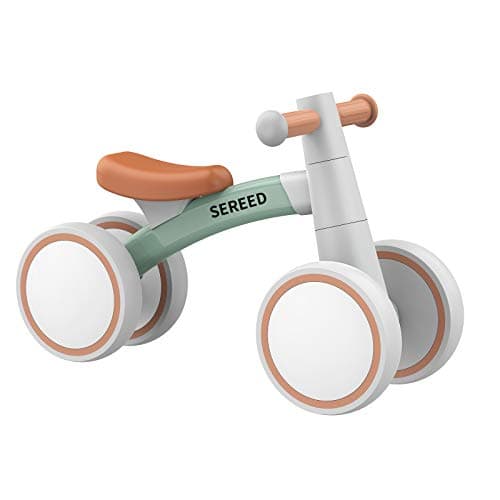
Shopping for a toddler's first bike often starts with a simple question: do you really need to spend a fortune to get one that works well? Balance bikes, the pedal-free bikes toddlers push along with their feet, have become the standard way to teach kids to ride before they ever touch training wheels. The good news is that finding the best balance bike under $100 doesn't mean settling for something flimsy or unsafe, since the core job of the bike (a light frame, a seat your child can reach the ground from, and wheels that roll smoothly) is achievable well within that budget. This guide covers what actually matters at this price point, what typically gets trimmed compared to pricier models, and how to size one correctly so your child gets real use out of it.
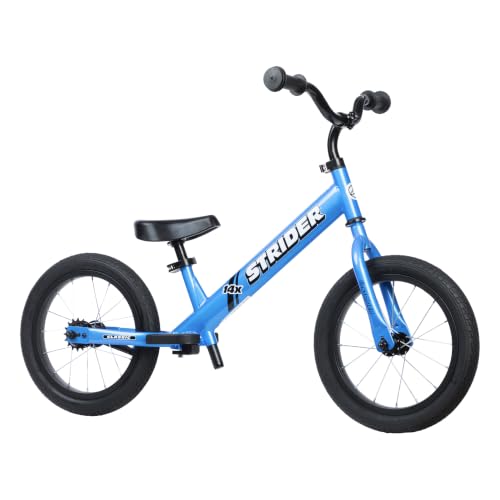
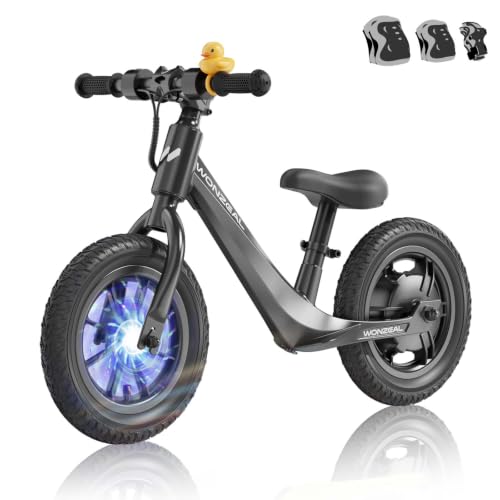
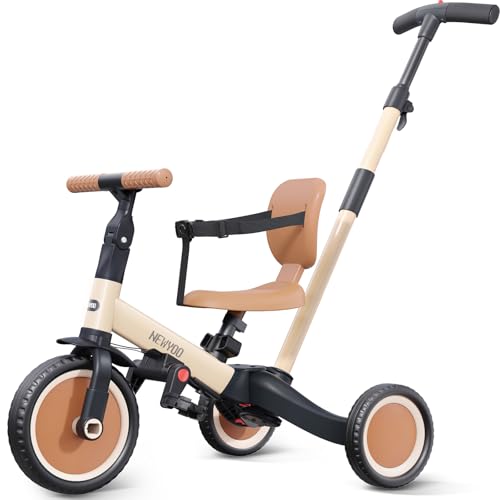
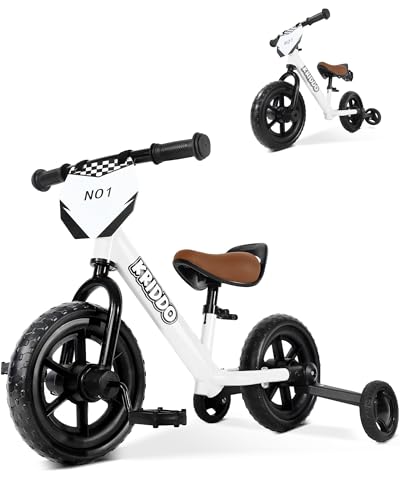

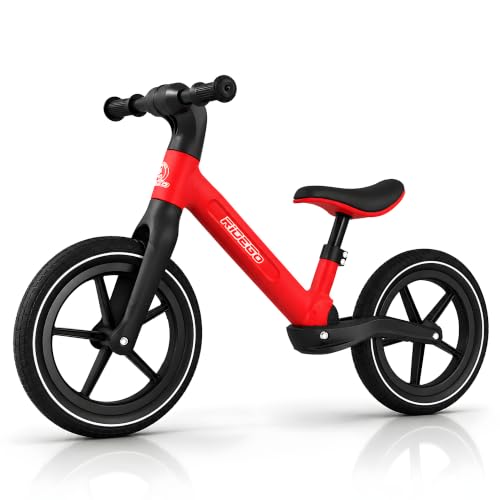
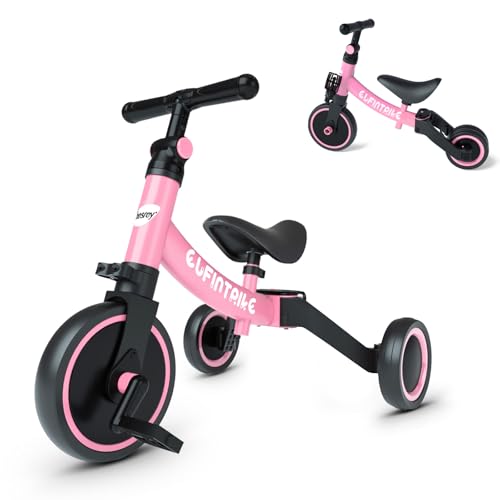
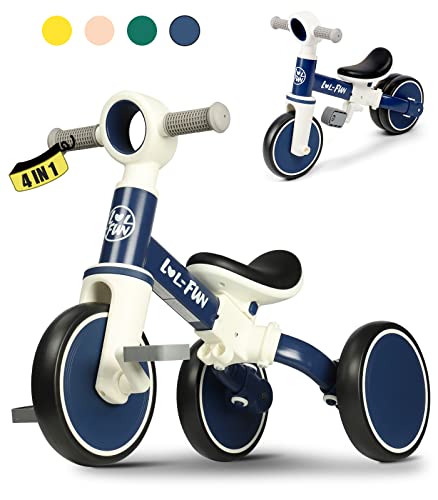
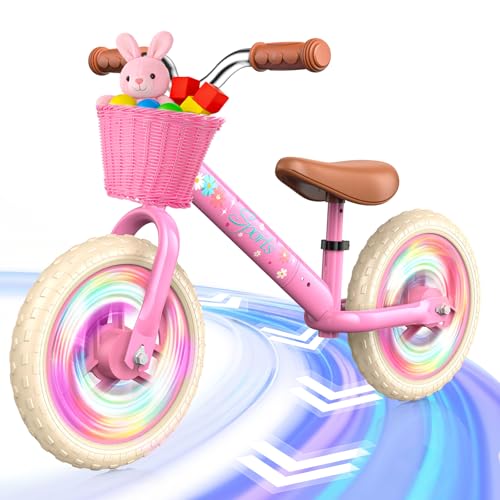
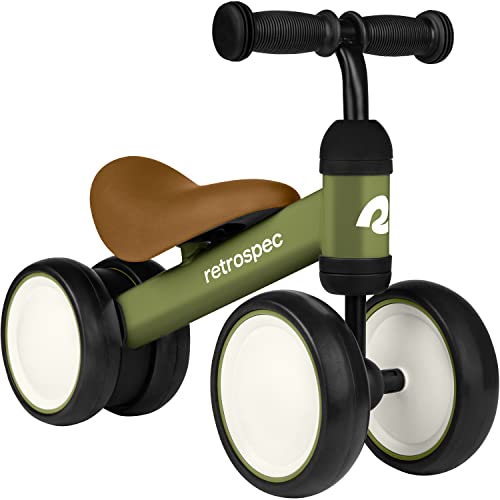
What to Look for in a Balance Bike at This Price Point
Not every budget balance bike is built the same way, and a few details separate a bike that holds up for years from one that gets abandoned after a few rides.
Frame Material: Aluminum vs Steel
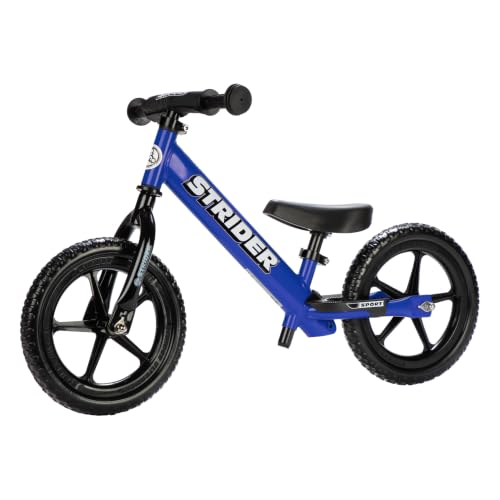
Aluminum frames are lighter, usually by a pound or two compared to steel, which matters more than it sounds like when a toddler is the one lifting and steering the bike. Steel frames tend to cost less to manufacture, so they show up often at the lower end of this price range, and they're generally just as sturdy even if they add some heft. If your child is on the smaller or younger side, prioritize a lighter aluminum frame where your budget allows, since every extra pound makes balancing harder for a beginner.
Tires: Foam vs Air
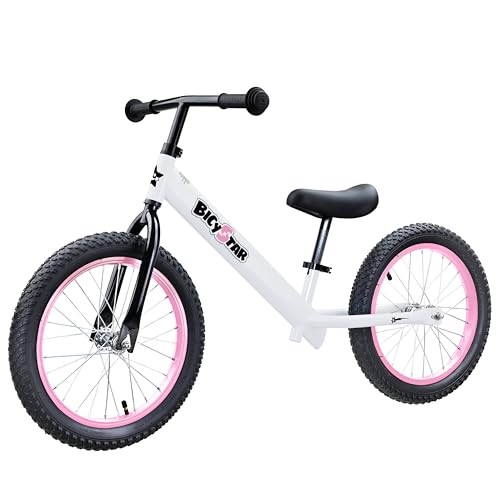
Foam tires are the most common choice under $100 because they're puncture-proof and need zero maintenance, which is a real advantage when you don't want to deal with a flat on a two-year-old's bike. They do trade off some grip and shock absorption compared to air-filled tires, so rides on rough pavement or grass will feel bumpier. Air tires show up occasionally at this price point too and grip better on varied terrain, but they need periodic inflation and are more vulnerable to punctures, so weigh that trade-off against where your child will actually be riding.
Seat Height and Adjustability
A quick-release or tool-free seat post lets you adjust the height in seconds as your child grows, which stretches the useful life of the bike considerably. Look for a seat height range of at least three to four inches of adjustment, since a fixed or barely adjustable seat means you'll be shopping again sooner than you'd like. This single feature often separates a bike your child rides for two years from one they outgrow in six months.
Overall Bike Weight
A good rule of thumb is that the bike should weigh no more than 30 percent of your child's body weight, since anything heavier makes it genuinely difficult for a toddler to control. Budget bikes in this range typically land between five and seven pounds, which works fine for most riders, but it's worth checking the listed weight before you buy if your child is smaller than average for their age.
What You Typically Trade Off Below $100
Spending less doesn't mean the bike is unsafe, but weighing the trade-offs is key to finding the best balance bike under $100 for your family instead of just the cheapest one on the shelf. Here's what usually changes as the price drops below the $100 mark compared to models in the $150 to $300 range.
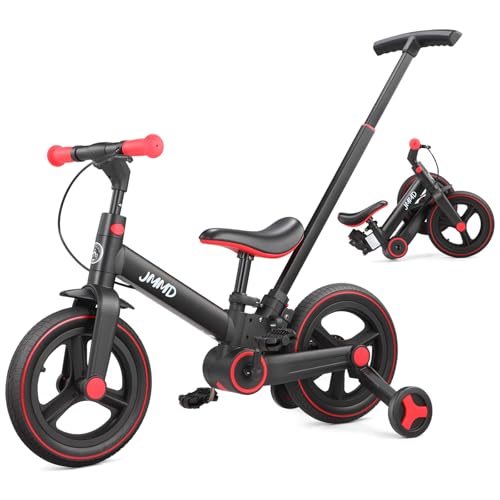
- Handbrakes are less common at this price, and most budget bikes rely on your child dragging their feet to stop, which is actually the recommended method for the youngest riders anyway.
- Bearings and hub quality tend to be more basic, so the wheels may not spin quite as freely or stay smooth for as long under heavy daily use.
- Finishing details like padded seats, footrests, or matched grips are sometimes left out or included in a simpler version than what pricier bikes offer.
- Resale value and long-term paint or decal durability are usually lower, since premium models often use more scratch-resistant coatings.
None of these trade-offs affect whether the bike is safe to ride. They mostly affect comfort, convenience, and how the bike holds up cosmetically over a couple of years of regular use.
Sizing It Right for Your Child
Getting the size right matters more than almost any other decision you'll make, since a bike that doesn't fit gets pushed to the back of the garage no matter how good a deal it was.
Measuring Inseam Instead of Guessing by Age
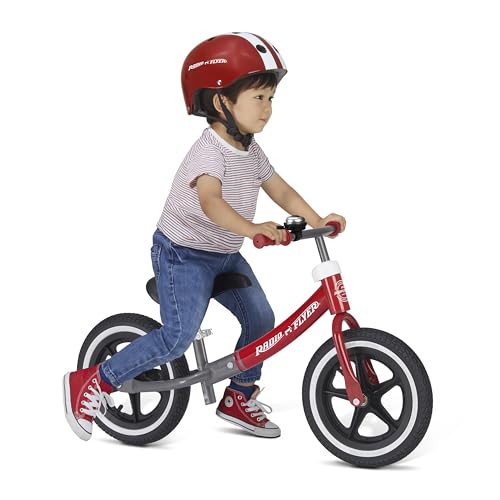
Measure your child's inseam from the ground to their crotch while they're standing in shoes, then look for a seat height that sits about one to two inches below that number at its lowest setting. This gives your child the ability to sit on the seat with feet flat on the ground and knees slightly bent, which is the position they need for confident pushing and stopping. Buying a size up "to grow into it" almost always backfires, since a bike that's too tall makes it harder to get on and off and undermines the confidence balance bikes are supposed to build.
Age Is a Starting Point, Not a Rule
Most kids start somewhere between 18 months and 3 years old, though plenty of families begin closer to age 4 or 5 if this is their child's first time on any kind of bike. If you're shopping specifically for an older toddler, our balance bike guide for 4 year olds goes deeper into sizing for that particular age group. Height and confidence matter more than the number on the calendar, so let your child's comfort straddling and pushing the bike guide the final call.
How Long a Balance Bike Typically Lasts Before the Switch to Pedals
Most children ride a balance bike for one to two and a half years before they're ready to move on, often making the jump to pedals with surprisingly little coaching once they've built up enough confidence gliding and steering. Signs your child is ready include gliding with both feet off the ground for several seconds at a time, steering smoothly around obstacles, and stopping on their own without help. When that day comes, the balance and steering skills built on a budget bike transfer directly to a traditional bike, and our kids bike buying guide walks through what to look for in that next step.
Common Mistakes Parents Make When Shopping on a Budget
The most frequent mistake is buying a bike too large so it lasts longer, which usually just makes it harder for a young child to control and slower for them to build confidence. Skipping the weight check is another common misstep, since an oversized, heavy frame can outweigh the benefit of a low price if your child struggles to lift or steer it. Some parents also confuse a balance bike with a toddler scooter, but the two teach different skills, a balance bike builds the pedaling-ready lean-and-steer balance a bike requires, while a scooter builds a different kind of coordination.
Finally, don't assume a helmet is optional just because the bike has no pedals or gears; falls happen at any speed, so a properly fitted kids bike helmet should go on every single ride from day one.
Frequently Asked Questions
What age should a child start a balance bike?
Most kids are ready somewhere between 18 months and 3 years old, though there's no strict cutoff. Watch for your child's ability to stand, walk steadily, and show curiosity about pushing themselves around.
Is a cheap balance bike safe for a toddler?
Yes, as long as it's built with a solid frame, secure axles, and no sharp edges or loose parts, price alone doesn't determine safety. Check reviews for mentions of wobbly wheels or weak welds before buying any specific model.
How do I know what size balance bike to buy?
Measure your child's inseam and look for a seat height that sits one to two inches below that measurement at its lowest setting. This lets them sit with feet flat on the ground and knees slightly bent.
Are foam tires or air tires better on a budget balance bike?
Foam tires are more common under $100 and need no maintenance, making them a solid choice for pavement and driveway riding. Air tires grip better on grass or dirt but require occasional inflation and can puncture.
How long will my child use a balance bike before switching to pedals?
Most children ride one to two and a half years before transitioning, depending on how early they started and how often they ride. Watch for confident gliding and steering as the real signal, not just their age.
What's the difference between a balance bike and a scooter?
A balance bike teaches the lean-and-steer balance needed for pedaling a real bike later on, while a scooter develops a different push-and-glide coordination. They aren't interchangeable for building cycling skills.
Does an inexpensive balance bike need a handbrake?
Not necessarily. Most young riders are taught to stop by dragging their feet, which is the recommended method at this age regardless of whether the bike includes a handbrake.
How much should I expect to spend on a first balance bike?
A budget of $60 to $100 typically covers a lightweight, well-built bike with an adjustable seat, which is enough for most families unless you need specific extras like a handbrake or air tires.
Final Thoughts
Finding the best balance bike under $100 comes down to prioritizing a light frame, a properly adjustable seat, and correct sizing over extras like handbrakes or premium tires. Those trade-offs affect comfort and convenience far more than safety or how well the bike actually teaches your child to balance. Get the fit right and check for solid construction, and a budget bike can absolutely do the job just as well as a pricier one.