Best Truck Tonneau Covers Made Simple: A Clear Buying Guide
Disclosure: We may earn a commission when you buy through links on this page, at no extra cost to you. As an Amazon Associate I earn from qualifying purchases. Learn more

A first buyer guide to the best truck tonneau covers: soft, hard folding, rolling and retractable styles explained.
A tonneau cover turns an open pickup bed into secure, weather resistant storage. It keeps tools, groceries and luggage out of sight and out of the rain, and many owners say it makes the truck look cleaner. If you are shopping for your first cover, though, the choices can be confusing: soft roll up, soft tri-fold, hard folding, retractable and roll top designs, with prices from around $160 to more than $1,200. This beginner guide to the best truck tonneau covers explains the basics in plain English, so you can pick the right style and fit for your truck.
We cover how tonneau covers work, the specs that matter, rookie mistakes, installation steps and answers to common questions. The table above lists covers from Tyger Auto, BAK, TruXedo, Rough Country, OEDRO and others, all sold new on Amazon US. Covers are made for specific trucks and bed lengths, so always confirm fitment for your exact year, model and bed size.



Truck Tonneau Covers 101: The Basics
A tonneau cover is a lid that spans the truck bed, attaching to the bed rails with clamps. It protects cargo from weather and theft and can slightly improve aerodynamics. Most covers open fully or partly so you can still haul tall loads.
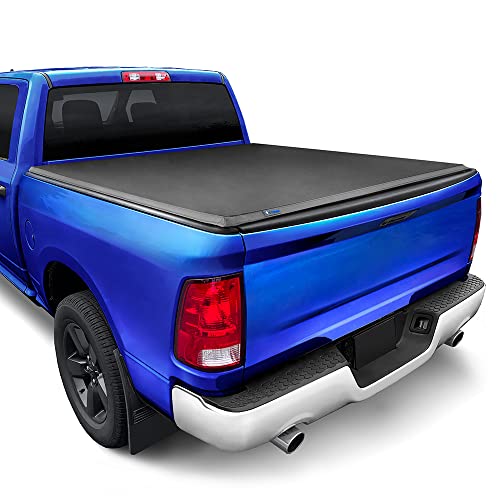
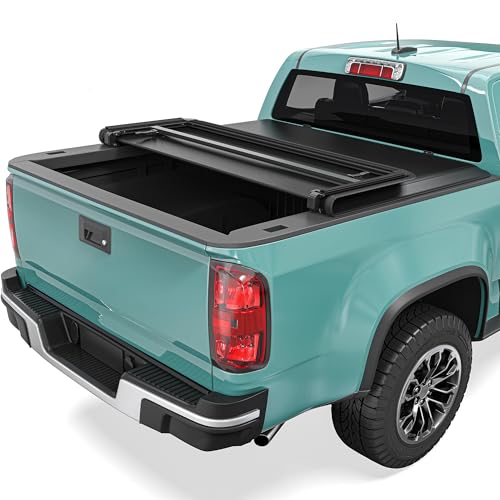
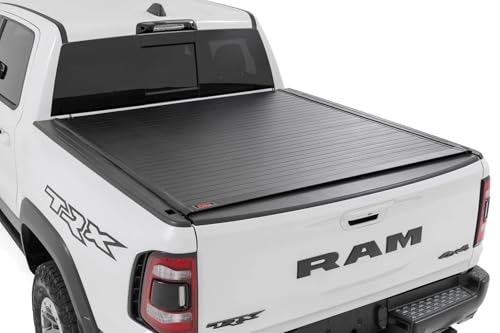
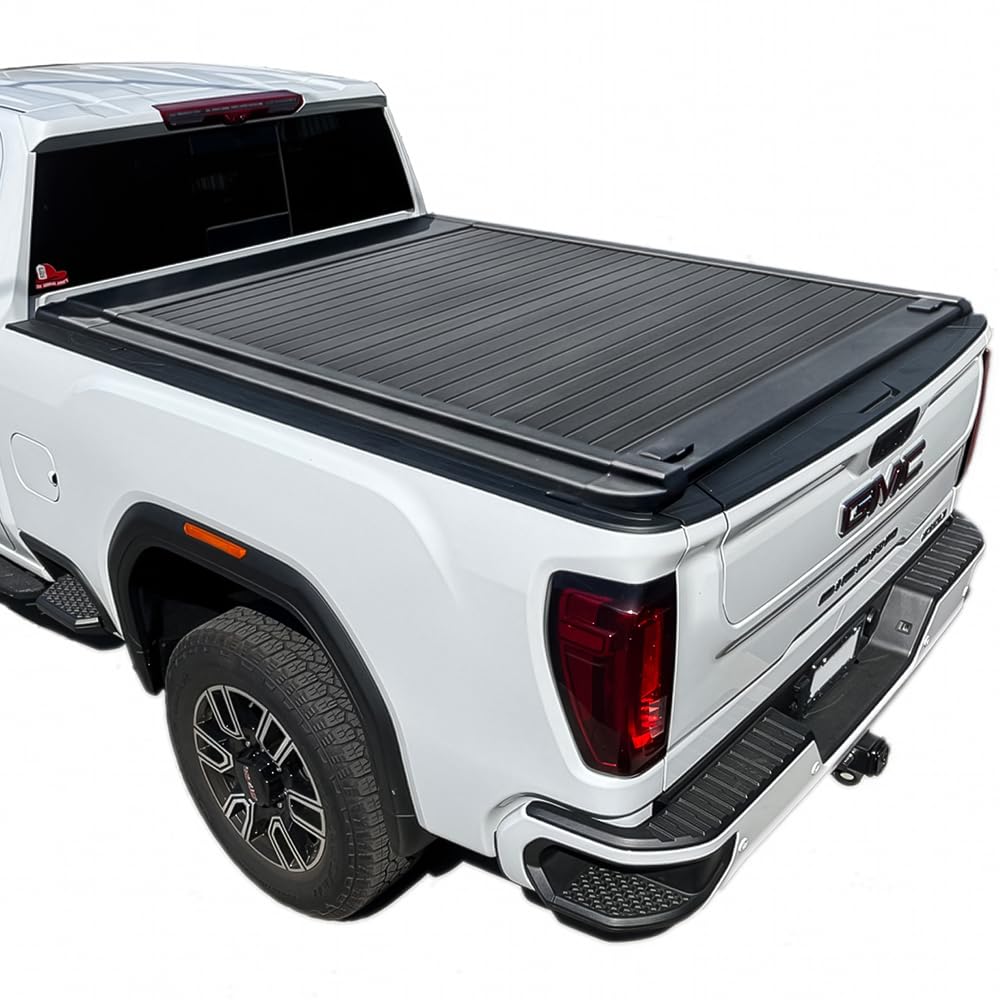
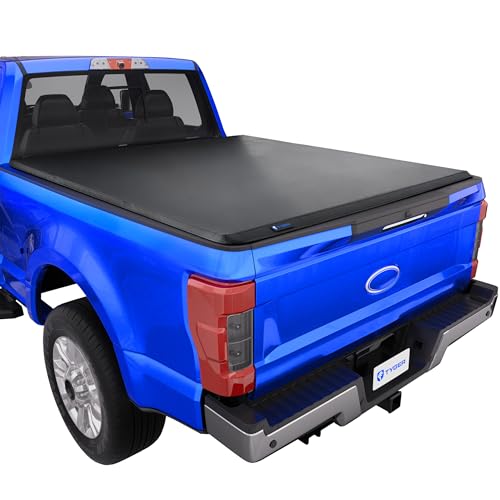
There are five main styles. Soft roll up covers use vinyl over a frame and roll toward the cab. Soft tri-fold covers, like the Tyger Auto T3, fold in three sections. Hard folding covers, like the BAKFlip MX4 and Rough Country tri-fold, use rigid aluminum or composite panels. Hard rolling covers, like the BAK Revolver X4s and TruXedo Sentry CT, use rigid slats that roll up. Retractable covers, like the Syneticusa MB, slide into a canister near the cab.
Soft covers cost less and install quickly. Hard covers cost more but offer better security, durability and often a cleaner look. Choosing comes down to budget, security needs and how often you need full bed access.
Fit is everything. Covers are designed for exact truck models and bed lengths, such as 5.5 foot or 6.5 foot beds, and some depend on whether your truck has a factory bed rail system or bed liner.
Choosing the best truck tonneau covers starts with understanding how you use your truck: daily commuting with groceries, weekend hauling of bikes and camping gear, or work trucks loaded with tools all point to different styles.
Soft covers are a smart first purchase for many owners because they cost less, install quickly and teach you how you use the cover. If you later want more security or durability, you can move to a hard cover with a clear sense of which style suits you.
Key Specs Explained in Plain English
Vehicle compatibility, installation, security, warranty, weather resistance and extras matter most. Here is what each spec means and what to choose.
Vehicle Compatibility
Every listing names compatible trucks, years and bed lengths, such as the Tyger Auto T3 for certain Dodge Ram 1500 model years or the BAKFlip MX4 for specific Ford F-150 bed sizes. Measure your bed from the inside of the bulkhead to the inside of the tailgate, and note features like factory rail systems, tool boxes or bed caps that may interfere.
Recommendation: match year, make, model and bed length exactly, and read compatibility notes about liners and rails before ordering.
Bed length labels can be confusing. A 5.5 foot bed may be listed as 5 foot 7 inches on some trucks, and short beds, standard beds and long beds vary by cab style. Your owner's manual or the window sticker lists the exact bed length.
When in doubt, contact the seller with your truck's VIN or exact trim details; many sellers will confirm fitment before you order.
Ease of Installation
Most soft tri-fold and roll up covers install with clamps and no drilling, often in under an hour with basic tools. Hard folding covers are heavier and may need two people to lift into place. Retractable covers usually take longer, since the canister and rails must be aligned and drainage tubes routed.
Recommendation: choose a soft tri-fold or hard folding cover if you want a simple, no drill installation.
Clamp style covers can usually be removed in minutes when you need the full bed for large loads, which is a big advantage of soft tri-fold and many hard folding designs. Retractable covers are more permanent but leave most of the bed open when retracted.
Many covers include detailed instructions and videos. Watching the maker's installation video before starting shows the clamp positions and saves time, especially for first time installers.
Safety Features
Security varies widely. Soft covers keep cargo out of sight but can be cut. Hard covers resist forced entry better, especially when locked under a locking tailgate. Some covers lock in the closed position, and others rely on the tailgate lock to secure the rear edge.
Make sure the cover does not block brake lights, cameras or sensors, and that you can see through the rear window clearly.
For valuable tools, pair a hard cover with a locking tailgate and consider a lockable bed box or storage system inside the bed. Out of sight cargo is less tempting to thieves, but no cover is a substitute for locking valuables away.
Some hard folding covers can be opened only from inside the cab or with the tailgate down, adding a layer of security for tools left in the bed overnight.
Warranty and Brand Support
Warranties range from about one year on budget covers to several years on premium hard covers. Brands like BAK and TruXedo, sold under RealTruck, and Tyger Auto offer established support and replacement parts.
Recommendation: register your cover and keep fitment details and receipts for warranty claims.
Replacement parts such as seals, clamps and drain tubes are easier to find for established brands, which can extend a cover's life by years.
Build Quality and Weather Resistance
Soft covers use heavy vinyl over aluminum frames, which keeps out most rain but may sag under snow. Hard covers use aluminum, fiberglass or composite panels that shed water and support some weight. No tonneau cover is fully waterproof; most are water resistant, with seals and drainage to handle rain.
Recommendation: choose a hard cover in snowy regions or if you want long term durability; a quality soft cover suits mild climates.
Weather seals around the tailgate and bulkhead are the most common leak points. Many brands sell tailgate seal kits that close the gap between tailgate and bed, which noticeably reduces water and dust entry.
In hot climates, darker vinyl and metal covers can get very hot to the touch. Lighter colors or matte finishes help, and soft vinyl benefits from a UV protectant to prevent cracking.
In snowy climates, brush heavy snow off soft covers promptly to prevent sagging and stretching of the vinyl.
Features and Extras
Useful extras include quick release clamps, compatibility with bed racks, LED bed lights, locking mechanisms and low profile designs that sit flush with the bed rails. Hard folding covers often allow partial bed access, and some flip up fully against the cab.
Consider how you use the bed. If you often haul tall items, choose a cover that opens fully or removes quickly.
Truck owners who use racks for ladders, kayaks or rooftop tents should confirm that the cover works with their rack system. Some covers are designed to pair with specific rack brands, while others leave space along the rails for mounting.
Fuel economy gains from tonneau covers are usually small and depend on the truck and driving style, so treat any savings as a bonus rather than the main reason to buy.
Rookie Mistakes to Avoid
- Ordering the wrong bed length. Measure, and double check model year and cab configuration.
- Ignoring bed accessories. Bed rails, toolboxes and liners can block installation.
- Expecting full waterproofing. Most covers are water resistant; use drain tubes and seal kits.
- Over tightening clamps. Excess force can bend rails or damage seals.
- Choosing style without considering use. Frequent tall cargo needs a cover that opens fully.
Another common slip is forgetting about the tailgate. Some covers require a specific tailgate seal or do not work with tailgate steps and multi function tailgates. Read the notes about tailgate compatibility before ordering.
Getting Started: Setup and First Use
Unbox the cover and check all parts against the manual. Clean the bed rails, then place the cover on the rails, center it and attach the clamps loosely. Adjust position for even gaps and a good seal against the tailgate, then tighten clamps to the recommended torque. Install drain tubes if included, and check that the tailgate closes without hitting the cover.
Open and close the cover a few times, and recheck clamp tightness after the first week of driving.
Care routines keep a cover working well. Rinse soft vinyl covers with water and mild soap, then apply a vinyl protectant every few months. Wipe hard covers with a car wash solution and lubricate hinges and latches as the maker recommends. Clear leaves and debris from drainage channels, especially in fall.
Truck Tonneau Covers: Your Questions Answered
Do I need professional installation?
Most soft and hard folding covers are designed for DIY installation with basic tools and no drilling. Retractable and some hard rolling covers take more time and care. If you are unsure, an auto accessories shop can install the cover and adjust it for a proper seal.
Before installing, make sure the bed rails are clean and dry so seals and clamps sit properly. Gather a socket set, a tape measure and a helper for heavier hard covers.
How long does it last?
Soft vinyl covers often last several years with care, while hard aluminum and composite covers can last much longer. Sun, harsh weather and frequent use wear seals and vinyl. Cleaning and conditioning soft covers extends their life.
Storing a removable cover indoors when it is not needed for long periods, such as during a season of heavy hauling, also protects it from sun and weather.
Replacing worn seals every few years keeps water out and extends the useful life of any cover.
What specs matter most?
Exact fitment for your truck and bed length matters most, followed by cover style, security, weather resistance and warranty. Check clearance with bed accessories and whether the cover allows full bed access.
For many owners, the next most important choice is soft or hard, which balances budget against security and durability.
Weight capacity matters for hard covers if you plan to carry snow loads or occasional light items on top, though most covers are not designed to be stood on.
Will it fit my vehicle?
A cover fits if it matches your truck's year, make, model and bed length, and works with your bed accessories. Use the seller's fitment tool, read the compatibility notes and measure your bed before ordering.
If you have recently changed the bed with a spray in liner, rail caps or a new tailgate, double check that the cover still fits, since these accessories can change rail height.
Our Verdict
The best truck tonneau covers fit your truck exactly and match how you use the bed. Soft tri-fold covers like the Tyger Auto T3 offer easy installation and value, hard folding covers like the BAKFlip MX4 and Rough Country tri-fold add security and durability and hard rolling or retractable covers suit owners who want full bed access. Confirm fitment, choose your style and install carefully.
For more truck guides, see the best hard tonneau covers, the best car covers, the best car battery brands and the best car batteries. Then compare current prices in the product table above.
Think about your climate, security needs and how often you haul tall items. Those three factors narrow the field quickly, and exact fitment does the rest.