Best Car Subwoofers: A Buying Guide for Real Trunk Space
Disclosure: We may earn a commission when you buy through links on this page, at no extra cost to you. As an Amazon Associate we earn from qualifying purchases. Learn more
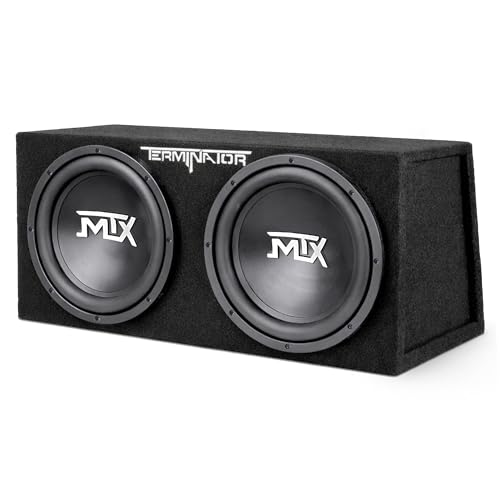
Factory door speakers can only push so much low end before they start to buzz and lose detail. If your music sounds thin, flat, or missing that chest-thump on bass-heavy tracks, the fix is not a home theater speaker, it's a dedicated set of car subwoofers built to run off your vehicle's 12V electrical system through a separate amplifier. That is a very different product than a subwoofer you'd put in a living room, it has to survive heat, vibration, and a fraction of the space. This guide walks through how to size one for your trunk or cabin, which enclosure type suits how you listen, and how to power it correctly.

How Much Room You Actually Have to Work With
Before anything else, look at where a car subwoofer and its enclosure will actually live. A sedan's trunk, a hatchback's cargo area, and an SUV's rear cabin all leave you with very different amounts of usable volume once you account for the box itself, bracing, and any port length. Picking a size based on what sounds impressive on paper, then discovering it does not fit, is one of the most common mistakes first-time buyers make.
8 and 10-Inch: Compact Cars and Tight Trunks
An 8-inch woofer is usually the smallest practical option for adding real bass, and it fits well under a seat or in a spare tire well without eating into cargo space. A 10-inch woofer is the size most installers reach for by default, it strikes a balance between tight, controlled bass and a box that still fits in a mid-size trunk without dominating it.
12 and 15-Inch: SUVs, Trucks, and Serious Bass
A 12-inch car subwoofer moves noticeably more air and produces deeper output, but it needs a proportionally larger enclosure to sound its best, which means committing real trunk volume. A 15-inch woofer is really for larger vehicles or dedicated bass builds where cargo space is not a priority, cramming one into a small enclosure will hurt sound quality more than a smaller, properly sized sub would.
Sealed or Ported: Which Box Matches How You Listen
The enclosure a car subwoofer sits in changes how it sounds almost as much as the subwoofer itself does. This decision comes down to what you listen to and how much space and power you're working with.
Sealed Enclosures
A sealed box is airtight, and the trapped air acts like a cushion that controls the cone's movement. That produces tight, accurate, well-damped bass that works well across genres, including music that relies on fast, punchy low end. The trade-off is that a sealed sub needs more amplifier power to reach the same volume as a ported setup, and it takes less internal volume, which can actually be an advantage in a small trunk.
Ported Enclosures
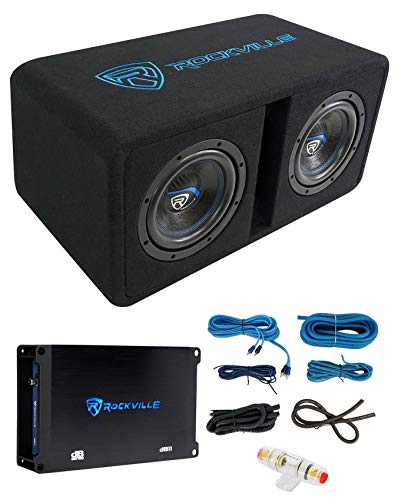
A ported box has a tuned opening that lets air move in and out, which makes the subwoofer noticeably more efficient. For the same amplifier power, a ported enclosure will generally play louder and dig deeper on bass-heavy genres. The catch is that the port has to be tuned correctly for the specific subwoofer and box volume, a poorly tuned port produces muddy, boomy bass instead of clean output, and the box itself needs more space than a sealed design.
Powered (Self-Amplified) Subwoofers
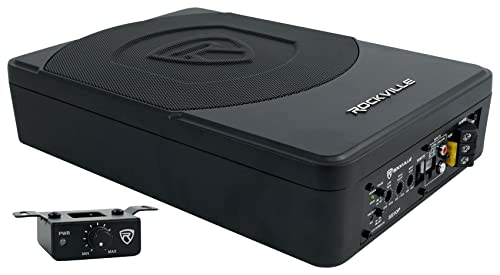
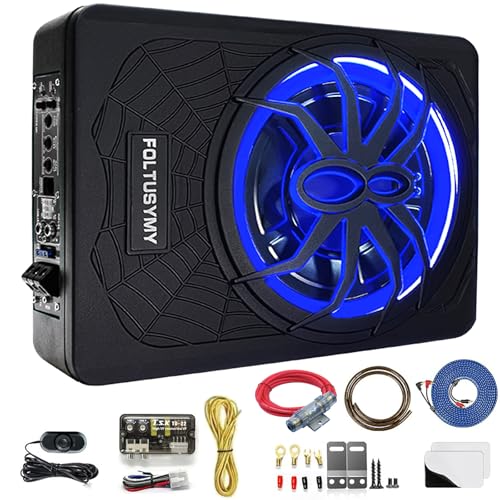
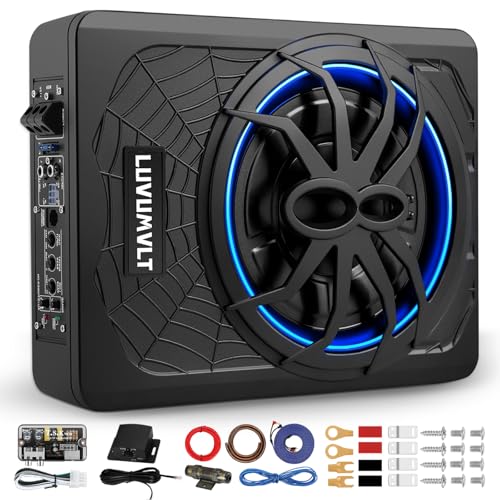
Some subwoofers come pre-mounted in a compact enclosure with a small amplifier already built in. These are the easiest option to add to an existing system since there's little to configure, and they take up minimal space, but their output ceiling is lower than a separate sub and amp combination. They tend to suit drivers who want noticeably better bass without a full system overhaul, rather than those chasing maximum output.
Under the Seat or in the Trunk
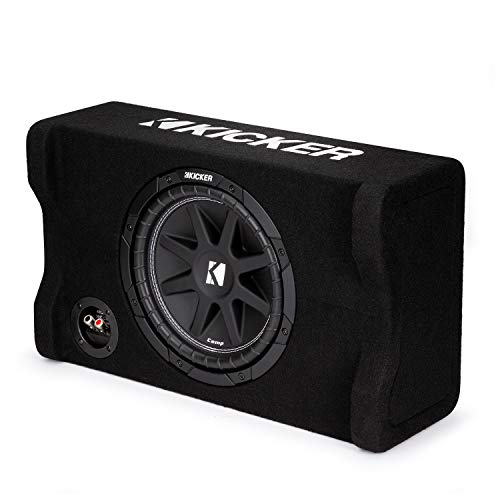
Where you physically place a car subwoofer is a decision that a home audio setup never has to deal with, and it matters as much as size or enclosure type. An under-seat subwoofer is compact, easy to install without touching your trunk space, and often includes its own small amplifier. It's a practical choice if you want noticeably better bass without giving up any cargo room, though its smaller enclosure limits how deep and loud it can ultimately get.
A trunk-mounted setup uses a larger enclosure, which lets the subwoofer move more air and produce a deeper, more forceful low end, especially for bass-heavy genres. It takes up real cargo space and is a more involved install, but if the goal is output you can feel and not just hear, a properly built trunk enclosure will outperform an under-seat unit every time.
Getting the Power Right: Amps, RMS, and Voice Coils
A car subwoofer is only as good as the amplifier feeding it, and this is where most avoidable mistakes happen.
Why a Subwoofer Needs Its Own Amplifier
A factory head unit cannot drive a subwoofer on its own, it simply was not built to supply the current a sub demands. Adding a subwoofer means adding a dedicated amplifier, commonly a monoblock unit built specifically for low frequencies. If your car's stereo has no dedicated preamp output for a sub, an amplifier with speaker-level inputs or a line output converter lets you tap into the existing speaker wiring to feed the new amp a clean signal.
Matching RMS Power
Ignore the peak wattage printed on the box, it's a marketing number that has little to do with real-world performance. What matters is RMS power, the amount of power the subwoofer can handle continuously. A safe rule of thumb is to run the amplifier at roughly 1.2 to 1.5 times the subwoofer's RMS rating, giving the amp enough headroom to reproduce musical peaks cleanly instead of clipping, which is what actually burns out voice coils over time. For most daily-driving setups, somewhere in the 200 to 600 RMS watt range covers the majority of vehicles and listening habits, with larger subwoofers and SUVs sitting toward the higher end.
Single vs Dual Voice Coil
Single voice coil (SVC) subwoofers have one coil and a fixed impedance, which makes wiring simple but leaves you with one way to hook it up. Dual voice coil (DVC) subwoofers have two separate coils that can be wired in series or parallel, which changes the impedance the amplifier sees. This does not make a DVC subwoofer sound better on its own, its real advantage is wiring flexibility, letting you match a specific amplifier's preferred load rather than being locked into one configuration.
If you're planning a broader upgrade, pairing a new subwoofer with a matched set of car speakers at the same time tends to give a more balanced result than adding bass to a system that's already straining elsewhere.
Larger amplifier setups can also pull enough current that it's worth checking whether your vehicle's battery and charging system can keep voltage stable under load, rather than assuming the stock setup has margin to spare.
Built to Handle Life Inside a Vehicle
A car subwoofer enclosure deals with conditions a living-room cabinet never faces: summer heat baking through the glass, constant road vibration, and swings in humidity. Most enclosures are built from MDF, typically around three-quarter-inch thick for standard power levels, with thicker or double-layered panels used for higher-power builds to resist flexing under heavy bass. Because MDF can swell if moisture gets into unsealed edges, a well-built enclosure seals every seam and edge during assembly rather than leaving raw wood exposed. Loose panels, unsecured wiring, or a box that isn't firmly mounted will eventually rattle or work themselves loose from constant vibration, so a snug, properly secured install matters as much as the enclosure design itself.
Frequently Asked Questions
Do you need an amplifier for a car subwoofer?
Yes. A factory stereo cannot supply enough clean power to drive a subwoofer properly. A dedicated amplifier, usually a monoblock designed for low frequencies, is a required part of any subwoofer install, not an optional upgrade.
What size subwoofer is best for a car?
It depends on available space and how much bass you want. An 8 or 10-inch subwoofer suits smaller cars and tighter trunks, while a 12 or 15-inch subwoofer is better suited to SUVs, trucks, or setups where cargo space is not a priority.
Is a sealed or ported subwoofer box better for a car?
Sealed boxes deliver tighter, more accurate bass and take up less space, but need more amplifier power. Ported boxes are more efficient and play louder for the same power, favoring bass-heavy music, but require more space and correct tuning to avoid muddy output.
What's the difference between single and dual voice coil subwoofers?
The difference is wiring flexibility, not raw performance. A single voice coil has one fixed impedance, while a dual voice coil can be wired in series or parallel to present different impedance loads, making it easier to match specific amplifiers.
How many watts RMS do I need for a car subwoofer?
Most daily-driving setups land somewhere between 200 and 600 RMS watts, depending on subwoofer size and vehicle. Focus on the RMS rating rather than peak wattage, and size the amplifier to roughly 1.2 to 1.5 times the subwoofer's RMS rating.
Is an under-seat subwoofer worth it?
It's a solid option if you want noticeably better bass without giving up trunk space or dealing with a complex install. It won't match the output or depth of a properly built trunk-mounted system, but for daily driving it's often enough.
Can a subwoofer connect directly to a factory radio?
Not directly. Factory radios generally lack a dedicated subwoofer output, so you'll need either an amplifier with speaker-level inputs or a line output converter to tap into the existing speaker wiring and feed a clean signal to the new amp.
Finding the Right Setup for Your Car
The right car subwoofer setup comes down to matching four things to each other: the space you actually have, the enclosure type that fits how you listen, an amplifier sized correctly to the subwoofer's RMS rating, and an install solid enough to hold up to a vehicle's heat and vibration over time. Get those four aligned and even a modest setup will sound tighter and more controlled than a bigger one thrown together without a plan.