Best Commercial Upright Vacuums in 2026: Types Compared and Buying Guide
Disclosure: We may earn a commission when you buy through links on this page, at no extra cost to you. As an Amazon Associate I earn from qualifying purchases. Learn more

Offices, hotels and schools need machines built for long shifts. Compare the best commercial upright vacuum types by cord, filtration and service access.
A house vacuum used for hours each day in an office, hotel, or school will wear out fast and leave grit deep in carpet. You need a best commercial upright vacuum built for long shifts, simple repairs, and steady suction on large areas.
This guide compares the main commercial types by capacity, filtration, cord length, and service access. Use the sections below to match each type to your floors. If you also clean at home, our guide to the best upright vacuum covers lighter household needs.



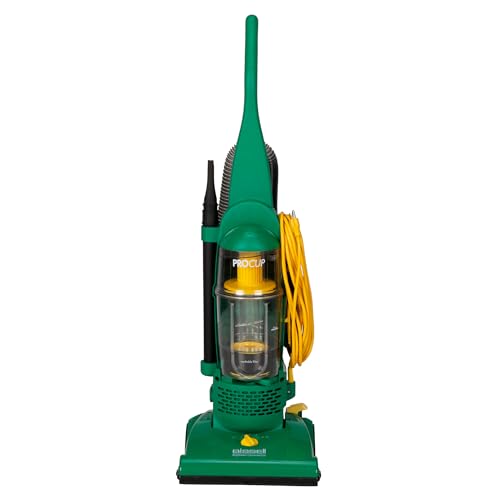
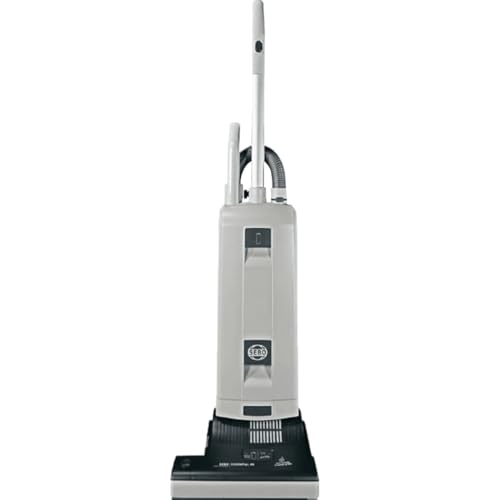
Types of Commercial Upright Vacuums Compared
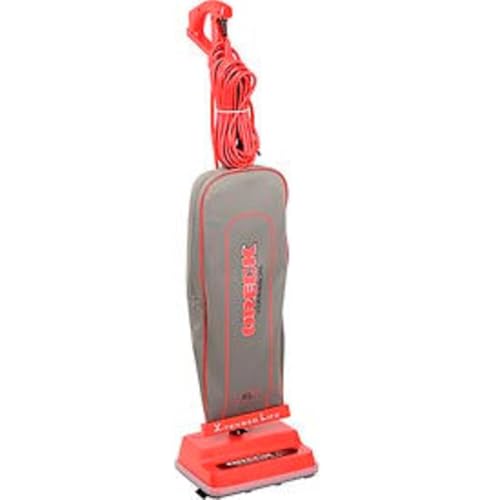
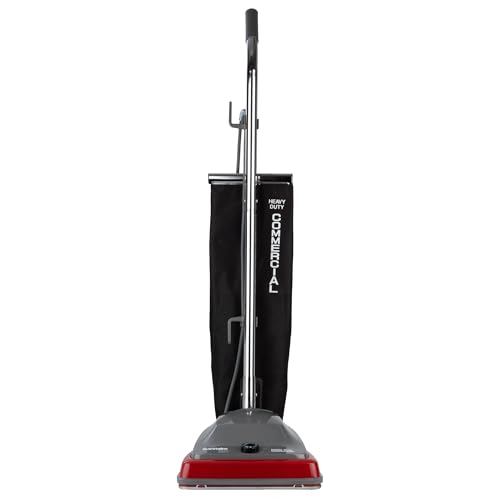
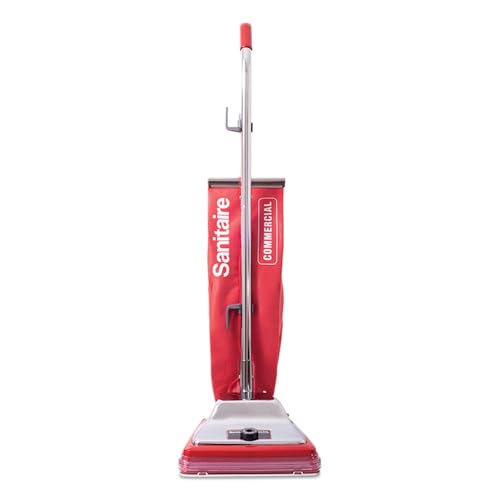
Commercial uprights fall into three groups.
Bagged commercial uprights
Bagged models collect dust inside a disposable bag that you replace when full. The bag acts as the first filter, so the motor and exhaust filter stay cleaner for longer. This suits sites with allergy concerns, lots of fine dust, or staff who should not shake loose dirt into a bin. Bags add a running cost and you must keep spares in stock, but changes are quick and tidy. The debate in bagged vs bagless vacuum designs is this trade between running cost and clean disposal.
Bagless commercial uprights
Bagless models use a clear bin and cyclonic separation instead of a bag. You save bag costs and can see when the bin needs emptying, which helps new staff judge the job. The trade off is messier emptying and filters that need cleaning more often. In dusty work that care is not optional, because a coated filter cuts suction fast. See the best bagless upright vacuum guide if low running cost is your main priority.
Wide path and dual motor uprights
Wide path models clean a broader strip on each pass, often around 15 to 17 inches, so they suit halls and open retail floors. Dual motor designs use one motor for suction and a second for the brush roll, so you can switch the brush off for hard floors while suction stays strong. Both types weigh more and cost more to repair. Choose them for large, mostly open areas, not for stairs or dense furniture.
Who Should Buy a Commercial Upright Vacuum?
Cleaning crews for offices and retail spaces
You clean the same carpet five nights a week, often after hours and against a fixed schedule. A long cord, a large bag or bin, and a brush roll that clears string without tools will save minutes on every shift.
Hotels, schools, and places of worship
These sites mix carpet, hard floors, stairs, and tight corners in one building, and different staff use the machine each day. Look for clear controls, a hose and wand for edges and upholstery, and a cord that is easy to inspect for damage. Quiet operation also matters when you clean while guests, students, or visitors are nearby.
Property managers and large homes with heavy use
If you turn over rental units, clean common areas, or run a large home with pets and constant foot traffic, a household model may need bags, belts, and filters far too often. A commercial upright gives you a sturdier body, a longer cord, and parts built for repeated service.
Key Features to Compare
Cleaning path width and suction power
Path width decides how many passes a room takes. A standard path of about 12 to 14 inches fits between desks and chairs, while wider heads speed up open halls. Suction figures alone do not prove pickup on carpet. What matters is steady airflow when the bag fills and a sealed path from floor head to bag or bin.
Bag capacity and filtration
Larger bags hold more soil before suction drops, so staff stop less often on big jobs. Many commercial bags hold several quarts. Filtration ranges from basic foam to HEPA media that traps very fine particles. Choose HEPA level filtration for health care settings, allergy sensitive spaces, and sites where dust control is part of the contract.
Cord length and cord protection
Most commercial uprights are corded, and cord length is a core factor. Cords of about 40 to 50 feet let staff clean a whole room or corridor from one outlet, which cuts unplugging and protects sockets. Look for a cord that can be replaced without opening the whole machine, plus strain relief where it meets the body. Inspect the cord weekly. A cut or crushed cord is the most common reason these machines leave service, and it is also a safety risk.
Brush roll and floor adjustment
The brush roll lifts grit from carpet pile and sweeps edges. Steel or wood rolls with replaceable bristle strips last well and can be serviced instead of replaced whole. Height adjustment matters because entry matting, low pile carpet, and plush hotel carpet need different settings. Set too low, the machine drags and strains the belt. Set too high, it skims over grit.
Weight, noise, and handling
Commercial uprights often weigh about 15 to 25 pounds. That weight helps the head stay on carpet, but it tires staff on stairs and long shifts. Balance matters as much as the number, because a nose heavy machine strains wrists when turning. The best lightweight upright vacuum options suit sites where staff carry the vacuum between floors often.
How to Choose the Right Commercial Upright Vacuum
Check service access before you buy. Belts, brush strips, filters, and cords should be reachable with common tools, and local dealers should stock them. Measure your storage closet for height and head width, and note energy use if several machines run nightly, because small differences add up.
Match the type to your floors and soil load
Start with your floor mix and the soil you collect. Sandy entryways need strong brush action and bags that hold heavy soil without clogging. Offices with paper clips and staples need a head that passes small debris without jamming. Mostly hard floors with rugs need a brush shutoff so grit is not scattered.
Features worth paying for
Pay for a long replaceable cord, an attached hose and wand, edge cleaning on both sides, and a brush roll you can clear without tools. A bag full indicator helps staff change bags before suction falls. Skip scented bags and attachments your crew will never use. Headlights can help under desks and in dim corridors, so judge them by your sites.
Safety features and certifications
Look for safety marks such as UL or ETL listing, which show the model was certified to a safety standard. A thermal shutoff protects the motor if airflow is blocked and the machine overheats. Train staff to unplug before clearing jams or changing belts, every time.
How much should you spend?
Entry commercial models cost about $150 to $250 and suit small offices and light daily use. Mid range models at about $250 to $400 usually add larger bags, better filtration, longer cords, and easier service. Premium wide path and dual motor models can cost about $400 to $700 and earn that price on large open floors.
Commercial vs Other Upright Vacuums: Pros and Cons
A commercial upright is built for hours of daily use, shared handling, and fast repairs. A household upright is built for short weekly sessions, so it can be lighter and quieter but uses more plastic in high stress parts. The comparison in upright vs canister vacuum designs also matters if your site has many stairs or mostly hard floors, because a canister with a long hose can suit that layout better.
- Pro: Sturdier bodies and cords that tolerate daily use by many staff members.
- Pro: Larger bags and longer cords that reduce stops during long shifts.
- Pro: Parts designed for service, so common repairs are fast.
- Con: Heavier and often louder than household models.
- Con: Fewer comfort extras, because the design favors durability.
- Con: Higher price plus ongoing bag or filter costs.
Common Mistakes to Avoid
- Buying by amps alone, which can leave you with weak pickup on real carpet soil.
- Choosing a wide path head for small rooms, which slows turning and edge work.
- Forgetting spare bags, belts, and filters, which idles a working machine for a minor reason.
- Running with a damaged or taped cord, which is a safety risk.
- Skipping brush roll checks, so wrapped hair strains the belt and leaves grit behind.
- Using the vacuum on wet floors it was not built for, which can ruin the motor.
How to Make Your Commercial Upright Vacuum Last Longer
Change the bag or empty the bin before it is packed full, because airflow falls long before the container looks full. Check the brush roll weekly, cut away wrapped hair, and confirm it spins freely. Inspect the cord along its full length, keep it untangled in storage, and never pull the machine by the cord. Replace belts at the first sign of slipping or a burnt smell, and keep a spare belt with the machine.
Clean or replace filters on the manual schedule, and sooner in dusty sites. Let washable filters dry fully. For deeper steps, read how to clean an upright vacuum. Log each service with a date.
FAQ
What is the best commercial upright vacuum?
The best choice matches your floors, soil, and staff, with parts you can source fast. For most mixed sites that means a bagged model with a cord of about 40 to 50 feet, strong brush action, and service access with common tools. Wide path dual motor models suit large open floors. No single model wins for a small clinic, a hotel, and a warehouse at once, so judge by your site first.
Are commercial upright vacuums worth it?
Yes, when the machine runs daily or is shared by several people. The higher price buys a body, cord, and brush system built for that load, plus parts made for repair. Once cleaning becomes a daily shift job, commercial build quality usually costs less over the life of the machine because breakdowns and full replacements happen less often.
How long does an upright vacuum last?
A commercial upright in daily service often lasts several years when belts, bags, filters, and cords are replaced on time. The frame and motor usually outlast the wear parts by a wide margin. Neglect shortens that life fast, because a clogged filter or slipping belt strains the motor on every shift.
Is an upright vacuum worth it for commercial sites?
An upright is worth it when most of your floor is carpet and staff need fast, straight passes. The single unit design has no separate body trailing behind, and storage is simple. Sites with many stairs, tight booths, or mostly hard floors may do better with a canister for edges plus an upright for main carpet areas.
How do you clean an upright vacuum used commercially?
Unplug the machine, remove the bag or empty the bin, then clear the brush roll and check the hose and intake path for blockages. Wipe the base and wheels, because gritty wheels can mark hard floors. For shared machines, add one step household routines often skip. Clean handles and switches between users, and tag any unit with a cord fault so no one uses it until it is repaired.
What is the most reliable upright vacuum brand for commercial use?
Reliability depends less on the badge and more on parts supply, dealer support near your sites, and how simple the machine is to service. A brand with local dealers who stock belts, bags, and cords keeps your crew working. Ask other facility managers nearby which models stay in service longest, and check how long parts remain available after a model changes.
Final Thoughts
Choose the type first, then compare capacity, cord length, filtration, and service access within that type. A bagged model suits tidy disposal and fine dust, a bagless model cuts running costs, and a wide path dual motor model speeds up open floors. Budget for spares and train staff on cord and brush checks from day one. The product table above pulls the key specs together for a side by side view. For daily, shared, heavy use, the best commercial upright vacuum is the one your crew can keep running every shift.