Best Commercial Vacuums: Types, Filtration and Durability for 2026
Disclosure: We may earn a commission when you buy through links on this page, at no extra cost to you. As an Amazon Associate I earn from qualifying purchases. Learn more

Choosing the best commercial vacuums for a crew: compare upright, backpack, canister and wide area types by filtration, capacity and durability.
Commercial cleaning demands vacuums that run for hours, survive bumps, and hold large amounts of dirt. The best commercial vacuums for your operation depend on floor types, building layout, and how your team actually cleans. This guide explains upright, backpack, canister, and wide area types so you can equip your crew wisely.
Upright vacuums suit carpeted offices, backpack vacuums suit stairs and large halls, and wide area vacuums suit open carpet expanses. Filtration matters for hotels and healthcare, where dust control protects guests and staff. The sections below explain the main types, sizing and maintenance.




Who Should Buy Each Type
Offices and hotels
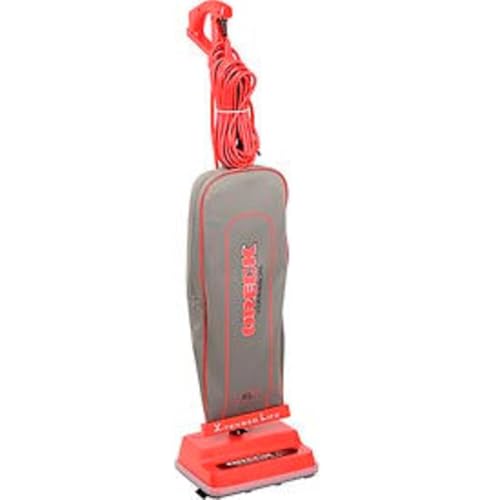
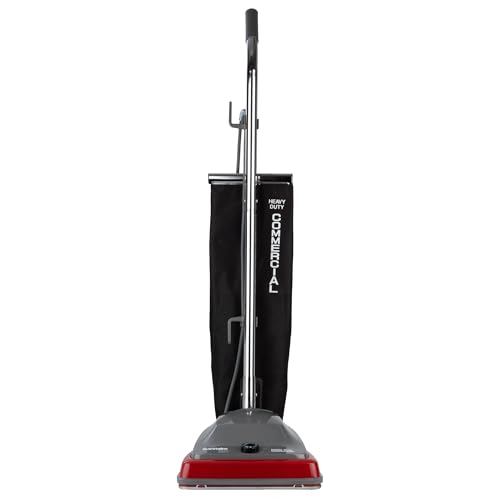
Upright vacuums suit carpeted offices and hotel corridors, where straight line cleaning covers ground fast. They offer strong agitation for embedded carpet dirt and simple operation for varied staff. Their weakness is stairs and tight furniture gaps, where smaller tools work better.
Large halls and stair heavy buildings
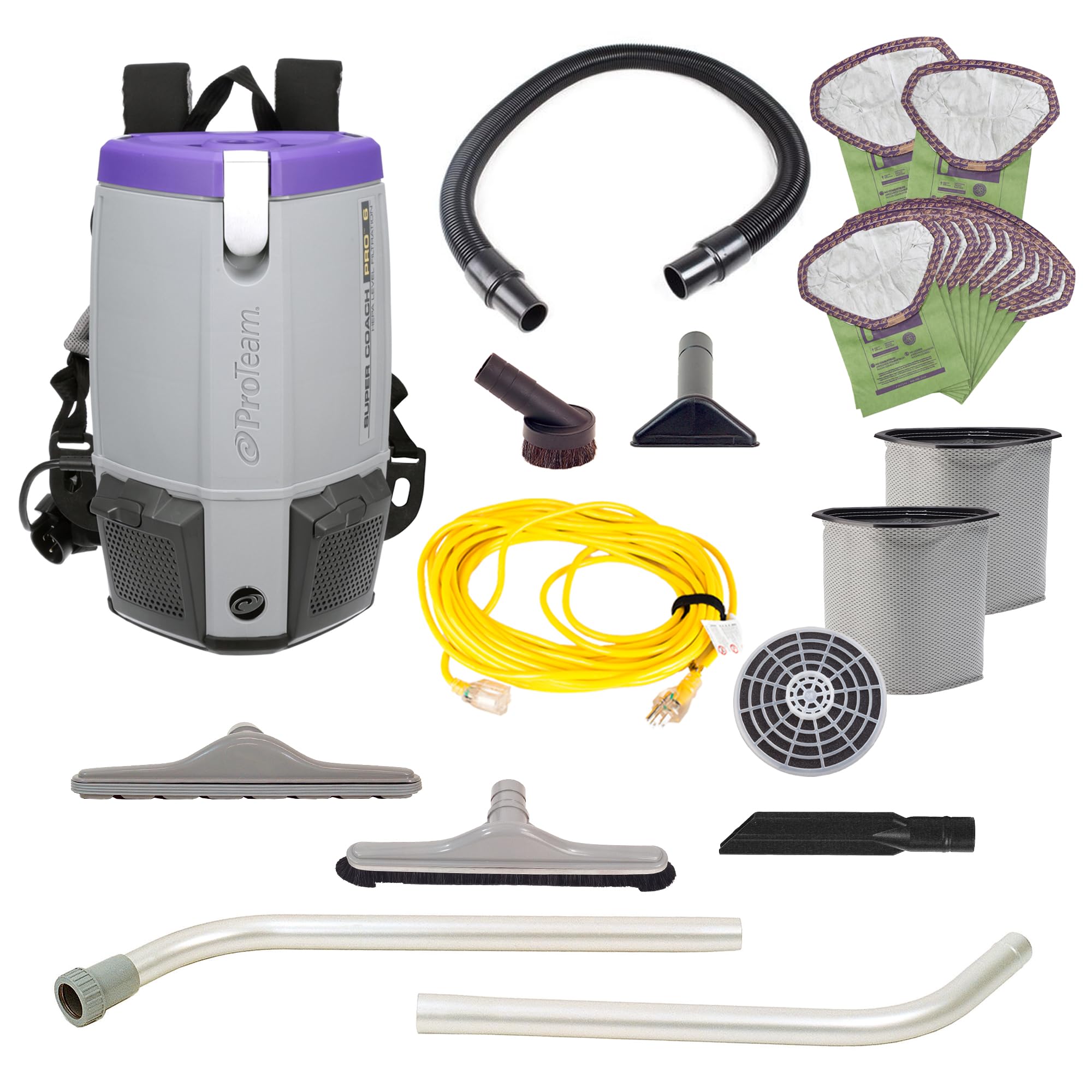
Backpack vacuums suit large halls, theaters, and staircases, since the operator moves freely without pushing a body. They clean faster over mixed areas and reduce bending. Their weakness is weight on the back, so fit and harness comfort matter for long shifts.
Key Features of the Best Commercial Vacuums
Filtration and dust control
Sealed HEPA filtration matters for hotels, clinics, and allergy sensitive spaces, since it traps fine dust instead of blowing it back out. Check whether filtration is truly sealed, not just a HEPA labeled filter in a leaky body. Bagged vacuums contain dust better during emptying, while bagless models save bag costs but expose staff to dust clouds.
Capacity and cord length
Larger bags or bins cut emptying stops during big jobs, which saves labor time. Longer cords reduce outlet changes in halls and offices, though they tangle more. Battery models offer freedom for spot cleaning, but runtime and recharge time limit them for full building cleans.
Durability and serviceability
Commercial vacuums need metal brush rolls, replaceable belts, and accessible filters that staff can change quickly. Check warranty terms for commercial use and parts availability, since a vacuum awaiting parts cleans nothing. Keep spare belts, bags, and filters on site to avoid downtime.
Price Tiers and What They Deliver
Vacuums around $200 to $500 usually cover light commercial uprights for offices. Vacuums around $500 to $1,000 add backpack models, sealed HEPA, and tougher builds for hotels. Vacuums above $1,000 bring wide area machines, industrial durability, and high filtration for large facilities.
Living With Your Choice Day to Day
Empty bags before they fill, clean filters on schedule, and check brush rolls for hair and string. Inspect cords for damage and never run a vacuum with a frayed cord or cracked body. Train staff on posture and harness fit for backpack models to reduce back strain during long shifts.
The Four Main Types in Practice
Upright Vacuums
An upright is the default for carpeted corridors and open offices. The brush roll sits in the head, so agitation is strong, and one person can cover a large floor quickly. Look for a long replaceable cord, a bag or bin that holds a full night of dirt, and a brush roll that staff can clear without tools. Uprights struggle on stairs, which is why many crews add a second machine for them.
Backpack Vacuums
A backpack vacuum puts the motor and bag on the operator, so the hose and wand do the work. That suits stairs, theater seating, tight rows and ceilings or vents. Fit matters: a harness that rides well over a full shift prevents sore backs, and a quiet motor lets crews work while guests are nearby. Pair a backpack with an upright if the building also has wide carpet.
Canister Vacuums
Canisters trail behind on wheels and attach a long hose to a floor head. They handle hard floors, bare stairs and upholstery well, and they are easy to store. The trade-off is the extra body to drag around, so they work best for detail work and mixed hard surfaces rather than long carpet runs.
Wide Area Vacuums
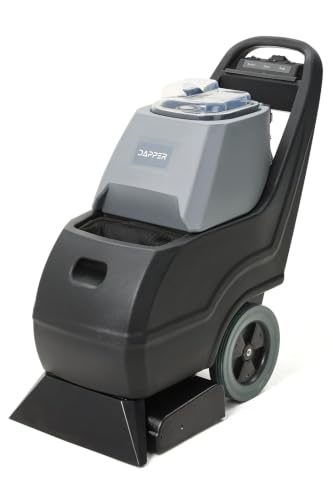
Wide area machines clean a path of two feet or more, which suits ballrooms, big retail floors and long corridors. They cost more and need space to turn, so reserve them for large open areas where the saved time is real.
Mistakes Worth Avoiding
- Running a machine with a full bag or clogged filter, which cuts suction and overheats the motor.
- Using one type for every surface, since carpet agitators scatter debris on hard floors and hard floor tools struggle on deep pile.
- Ignoring cord damage. Frayed or taped cords are a shock and fire risk and a machine with one should leave service at once.
- Skipping a staff trial before buying several units, because weight, noise and maneuverability show up only on real floors.
- Forgetting yearly consumables such as bags, belts, filters and brush rolls, which often cost more than the machine over time.
Related Guides Worth Reading
Readers weighing nearby options often look at best vacuums for commercial cleaning, best commercial vacuums for hotels and best commercial backpack vacuums next. If your crew also needs a cordless option or pet hair performance, see best battery powered vacuums and best vacuums for animal hair.
Frequently Asked Questions
Upright or backpack vacuum for commercial use?
Uprights suit carpeted offices and corridors with straight runs and simple operation. Backpacks suit stairs, theaters, and mixed areas where freedom of movement speeds work. Many crews use both, with backpacks for detail and stairs plus uprights for open carpet. Match the type to your building layout and staff comfort.
Bagged or bagless for commercial cleaning?
Bagged vacuums contain dust better during emptying and suit hotels and healthcare settings. Bagless vacuums save ongoing bag costs but expose staff to dust when emptied and need frequent bin washing. Large operations often prefer bagged for hygiene and consistent suction as bags fill. Weigh bag costs against labor and dust exposure.
How important is HEPA filtration commercially?
Sealed HEPA filtration matters where guests, patients, or staff have allergies or respiratory sensitivity. It traps fine particles that standard filters recirculate into the air. Check for sealed system claims, since a HEPA filter alone does not guarantee sealed performance. For general offices, good standard filtration may suffice, though in mixed buildings sealed HEPA units in sensitive rooms and standard units elsewhere balance cost and air quality.
How do I maintain commercial vacuums?
Empty bags or bins before they fill, wash or replace filters on schedule, and clear brush rolls of hair and string. Check belts for wear, cords for damage, and wheels for debris. Keep a maintenance log per machine and stock common parts. Regular care preserves suction, extends motor life, and prevents mid shift failures.
What should I check before buying in bulk?
Trial one unit with your actual staff on your real floors before ordering many. Check weight, noise, cord length, bag costs, and parts availability. Confirm commercial warranty terms and service turnaround, since fleet downtime costs labor. A vacuum your team likes using will clean better than a spec sheet champion they avoid.
Final Thoughts
Match type to building layout, insist on sealed filtration where health matters, and trial before bulk buying. The product table above can narrow the types, but your floors and staff decide. Durable, easy to maintain vacuums keep cleaning standards high shift after shift.
Measure twice, compare the running costs honestly, and your best commercial vacuums choice should serve you well for a long time.