
Best Sprinkler Controller: A Complete Buying Guide
Disclosure: We may earn a commission when you buy through links on this page, at no extra cost to you. As an Amazon Associate I earn from qualifying purchases. Learn more

Find the best sprinkler controller for your yard. Learn about zones, weather and sensor scheduling, wiring compatibility, and setup mistakes before you buy.
A patchy lawn or a water bill that keeps climbing usually traces back to one culprit: the box on the wall that decides when the sprinklers turn on. Whether you're replacing a timer that's decades old or setting up irrigation for the first time, finding the best sprinkler controller for your yard comes down to matching the hardware to how your system is actually built, not picking whatever has the most buttons or the flashiest app. Some yards do fine with a simple mechanical dial, while others benefit from sensors that adjust watering automatically. In this guide, you'll learn what separates a good controller from a frustrating one, how the different types compare, how to get one set up correctly, and which mistakes cost homeowners the most water and money.



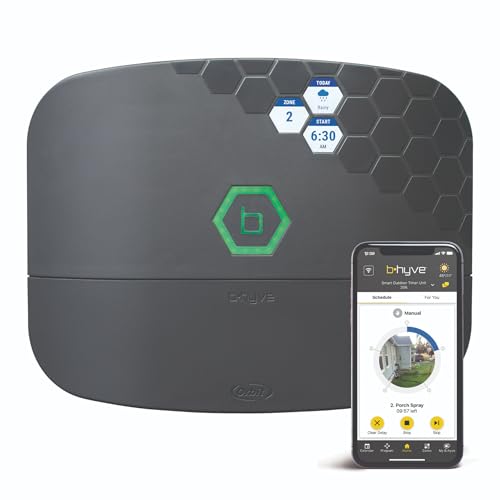


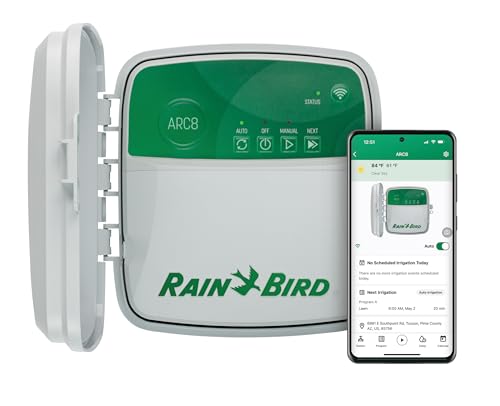
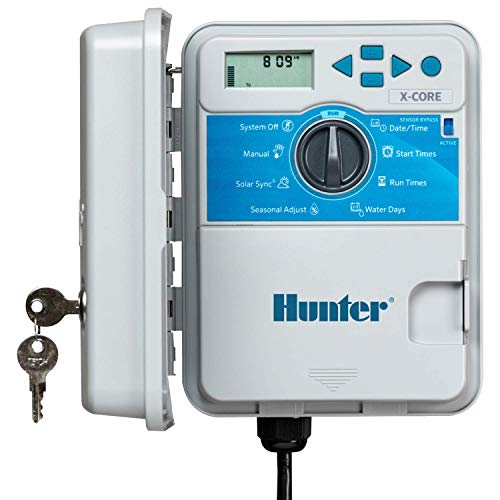
What to Look for in a Sprinkler Controller
Finding the best sprinkler controller for any yard comes down to a handful of criteria that matter regardless of type.
Number of Zones and Room to Expand
Every separate area your system waters, such as the front lawn, back beds, and drip lines, counts as one zone. Count how many valve wires come out of your existing system, or estimate zones based on your yard's layout if you're starting fresh. Buy a controller rated for at least that many zones, and consider leaving a little headroom. Adding a new garden bed or a section of lawn later is much easier when your controller already has an open zone waiting for it.
Weather and Sensor-Based Scheduling
A controller that can pause watering during rain, skip a cycle after a hard freeze, or scale back on cooler days wastes far less water than one that runs on a fixed schedule regardless of conditions. This can be as simple as a wired rain sensor or as advanced as software that pulls local weather data automatically. If keeping a healthy lawn without overwatering matters to you, this feature deserves more weight than zone count alone.
Compatibility With Your Existing Valves and Wiring
If you already have sprinkler valves installed, check the voltage and wiring type before buying a replacement controller. Most residential systems use standard 24-volt AC solenoid valves, and most controllers on the market are built for exactly that, but it's worth confirming before you commit, especially if your yard uses drip irrigation or a mix of valve types.
Indoor vs Outdoor Rated Housing
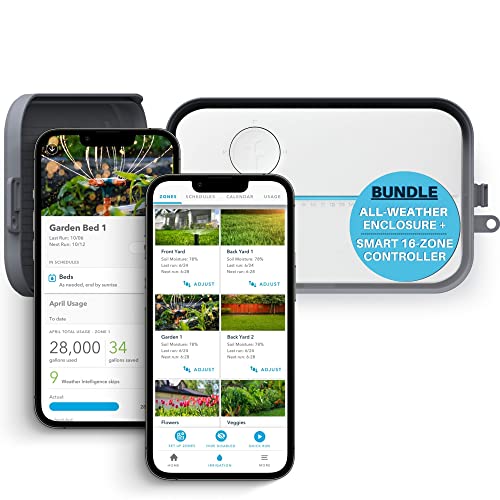
Where you plan to mount the unit changes what you should shop for. A controller meant for a garage or utility closet doesn't need to survive rain and temperature swings, but one mounted outside near the valve box does. Look for a weatherproof or outdoor-rated enclosure if it won't be protected from the elements, and check whether it needs a separate weatherproof box.
Ease of Setup and Programming
A controller with more programs and settings than you'll ever use isn't necessarily better. If you just need a couple of watering schedules for a straightforward yard, prioritize a clear display and simple menus over a long feature list. More complex properties with several programs and varied plant types benefit from a controller that makes multi-program scheduling genuinely easy to manage.
Types of Sprinkler Controllers Explained
Sprinkler controllers generally fall into three categories, and the right one depends on your budget, your yard's complexity, and how hands-on you want to be.
Mechanical and Basic Digital Timers
These are the simplest option: dial-based or button-based timers with no app and no weather awareness. They're inexpensive, reliable, and don't depend on Wi-Fi, which makes them a solid choice for small yards or simple systems with only a few zones. The tradeoff is that you have to manually adjust the schedule as the seasons change, and they won't automatically skip a cycle if it rains overnight.
Multi-Program Digital Controllers
These step up from basic timers by allowing multiple independent programs, each with its own days, start times, and run times per zone. They suit yards with mixed needs, like turf that needs frequent short cycles and shrub beds that need less frequent, deeper watering. Many models in this category work well with an add-on rain sensor even though they don't include automatic weather scheduling out of the box. Homeowners weighing this category against fully automated options often compare it directly with a fully automatic irrigation controller that adjusts watering on its own.
Smart, Connected Controllers
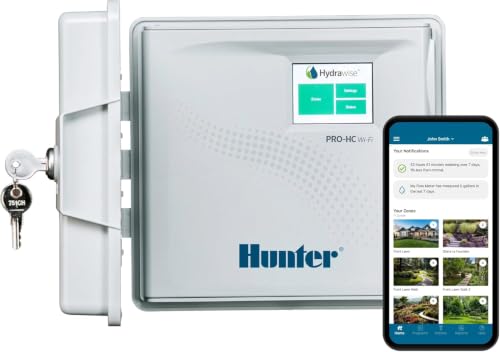
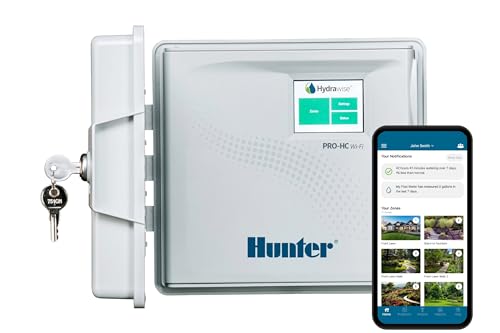
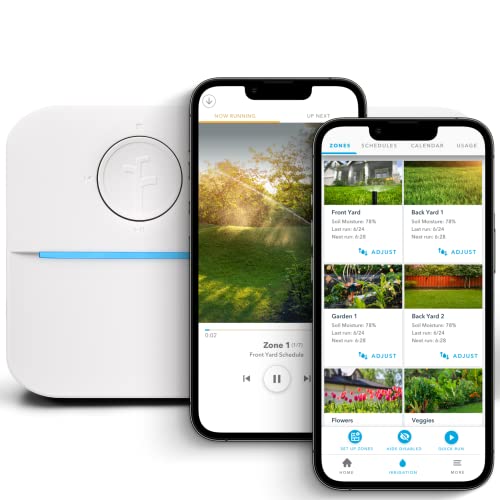
Smart controllers connect to a home network and use local weather data, soil type, and plant settings to adjust watering automatically, usually from a smartphone app. They tend to cost more upfront, and setup can take longer since you're also configuring zones, plant types, and sometimes a soil moisture sensor within an app. For homeowners who already run other connected devices, pairing a smart controller with a broader smart home hub setup can make scheduling and monitoring easier from one place. This category covers a lot of ground on its own, so it's worth researching budget-friendly smart options separately if that's specifically what you're after.
How to Set Up and Program Your Controller
Getting the hardware right is only half the job. A controller that's wired or programmed incorrectly won't perform any better than the timer it replaced.
Mapping Your Zones Before You Install
Walk your yard and sketch which sprinkler heads or drip lines belong to which zone before you touch the controller. Label the wires as you disconnect the old unit, since matching them to the wrong terminals is one of the most common setup mistakes. If you're starting from scratch rather than replacing hardware, a garden hose paired with a hose-end timer can be a useful way to test watering needs in a new bed before committing to a permanent zone.
Setting Start Times and Run Times
Most systems only need one start time per active program; adding extra start times usually just repeats the entire cycle rather than adding watering time. Set run times based on sprinkler head type: spray heads generally need shorter cycles than rotor heads or drip lines, which run longer at lower flow. Early morning is typically the best window, since it limits evaporation and fungal growth compared with evening watering.
Adding a Rain or Soil Sensor
A wired rain sensor is a low-cost add-on that pauses your schedule automatically after measurable rainfall, and most controllers have a dedicated sensor terminal for exactly this purpose. Soil moisture sensors go a step further by tracking actual ground conditions instead of just rainfall, though not every controller supports them. If saving water is a priority, this is one of the highest-value upgrades you can make to almost any system.
Common Mistakes to Avoid
Most irrigation problems trace back to a handful of avoidable errors, and they apply whether you're running a basic timer or coordinating watering around a robotic lawn mower schedule.
- Buying a controller with too few zones and no room to expand later
- Ignoring wiring voltage or valve type before replacing an existing controller
- Skipping the rain sensor connection, which leads to watering during storms
- Setting multiple start times per program by mistake, causing zones to run twice
- Mounting an indoor-only controller in a spot exposed to rain or direct sun
- Forgetting to reprogram seasonal run times as temperatures change
Frequently Asked Questions
How many zones do I need for a sprinkler controller?
Count each separate watering area in your yard, including any drip zones, and choose a controller rated for at least that number. Adding a few extra zones beyond your current setup makes future expansion easier.
What is the difference between a sprinkler controller and a sprinkler timer?
The terms are often used interchangeably, though "timer" sometimes refers to simpler, single-zone devices while "controller" usually describes multi-zone units with more programming options. Functionally, both control when and how long your sprinklers run.
Do I need Wi-Fi for a sprinkler controller?
No. Wi-Fi is only required for smart controllers that pull weather data or offer remote app access. Basic and multi-program digital controllers work entirely offline and are a perfectly reliable option for many yards.
Can I use a rain sensor with any sprinkler controller?
Most controllers include a dedicated sensor terminal that supports a standard wired rain sensor, but it's worth confirming compatibility before buying one separately. Some smart controllers rely on built-in weather data instead of a physical sensor.
How do I know if a new controller is compatible with my existing valves?
Check the voltage rating on your current valves, typically 24-volt AC for residential systems, and match it to the new controller's specifications. If you're unsure, take a photo of your existing wiring and controller before removing anything.
Do sprinkler controllers need a battery backup?
It's not required, but a battery backup preserves your programmed schedule during a power outage so you don't have to reprogram everything afterward. It's a worthwhile feature if outages are common in your area.
Final Thoughts
The best sprinkler controller for your yard isn't necessarily the one with the most features. It's the one that matches your zone count, your existing wiring, and how much automation you actually want to manage. Start with the basics like zones and compatibility, then decide how much weather-based scheduling is worth paying for. Get those fundamentals right, and almost any controller in the right category will keep your yard healthy without wasting water.