
Best Specialty Knives: How to Choose the Right Blades for Your Kitchen
Disclosure: We may earn a commission when you buy through links on this page, at no extra cost to you. As an Amazon Associate I earn from qualifying purchases. Learn more

Somewhere in your kitchen there might be a boning knife you have used twice, a cleaver that mostly holds down papers, or a fillet knife bought for one salmon dinner years ago. Finding the best specialty knives for your kitchen is not about owning every blade in the display case. It is about matching a handful of purpose built knives to the food you actually cook. This guide walks through the main types of specialty kitchen knives, how to tell which ones are worth the drawer space, and how to keep them sharp and safe once you own them.
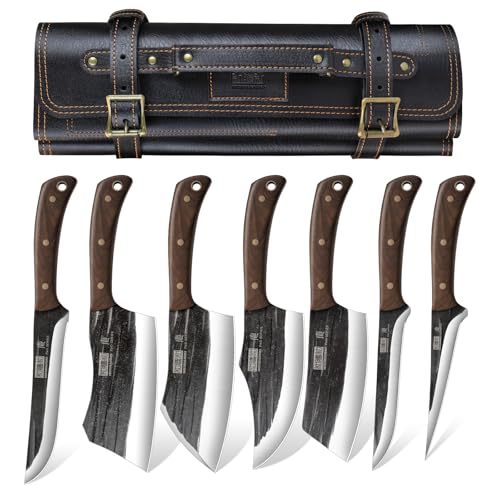

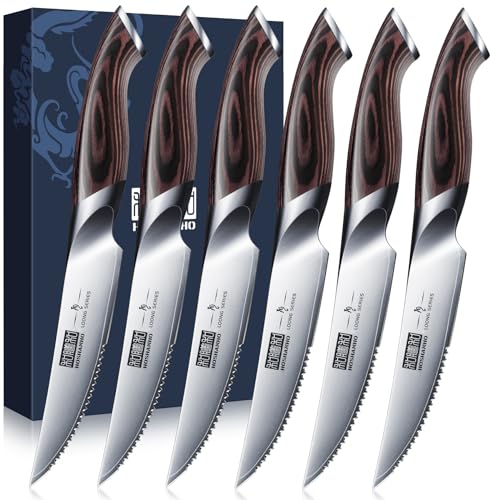
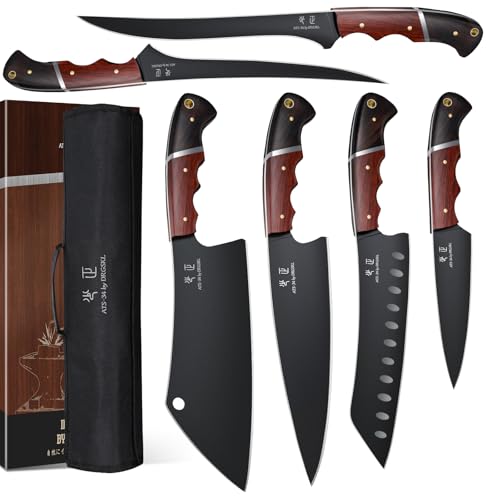
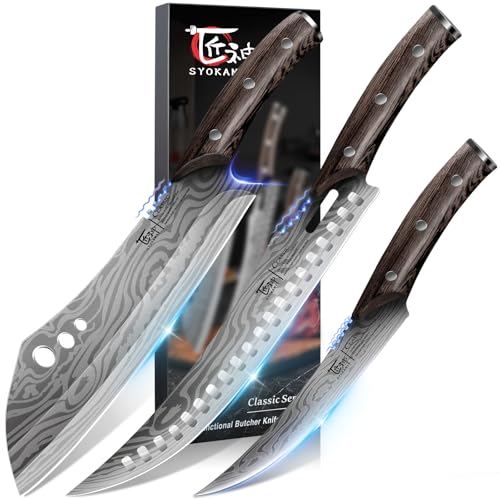
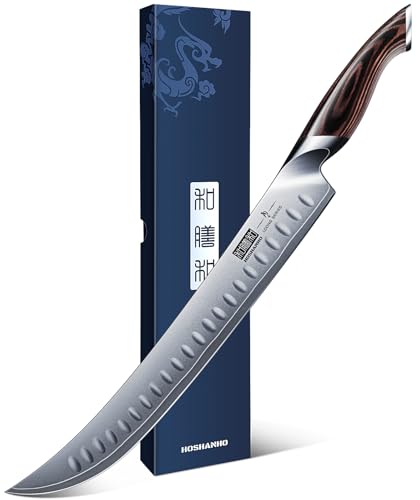

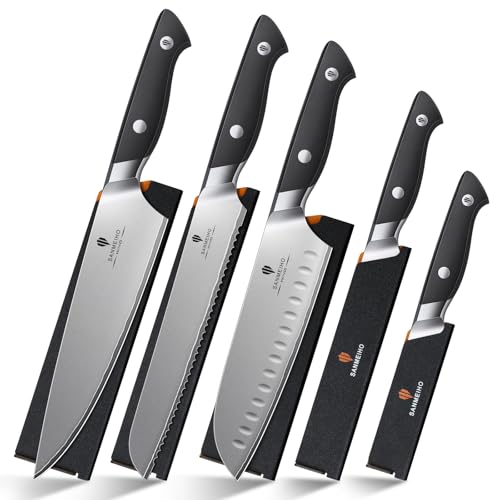
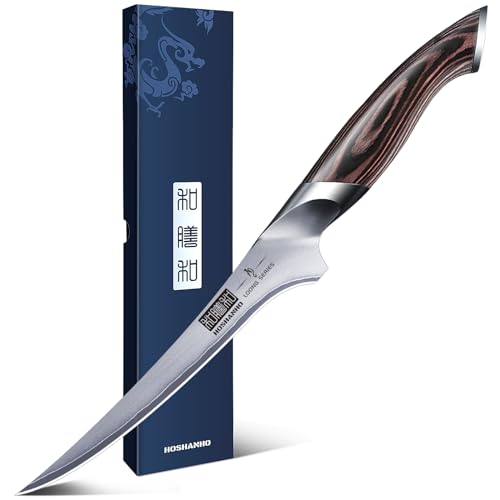
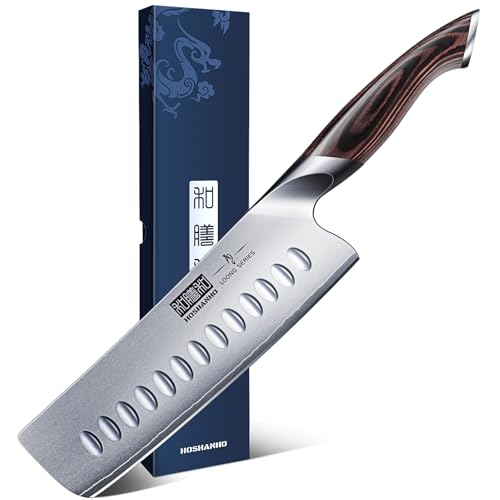

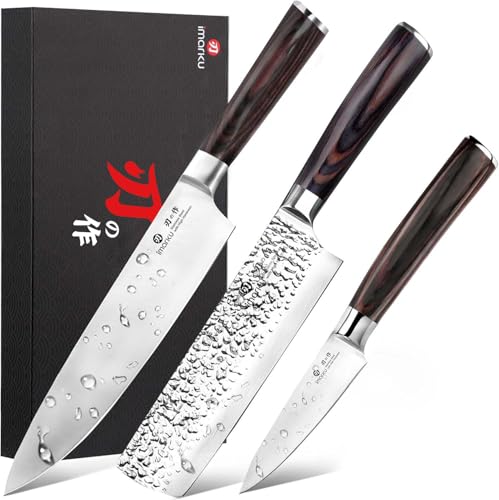
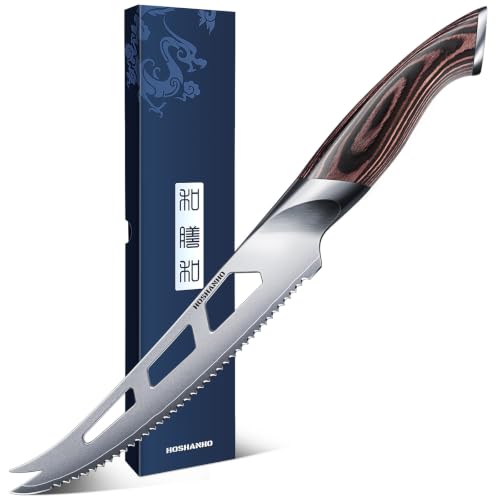
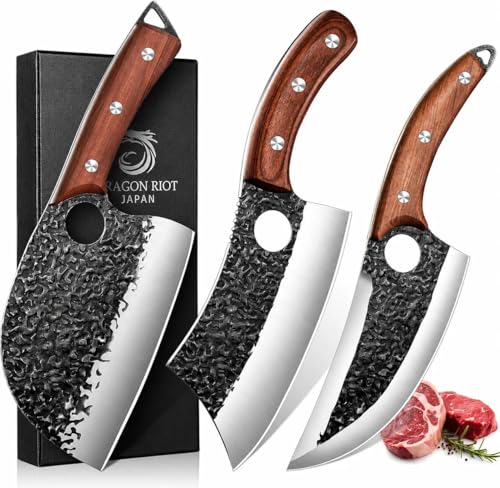
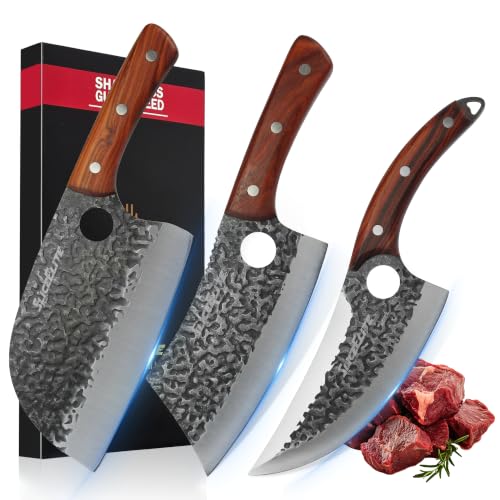
Specialty Knife Types and What Each One Actually Solves
Most home cooks get by on a chef's knife, a paring knife, and a serrated knife. Specialty kitchen knives exist for the tasks those three handle poorly, whether that is skinning a fish, portioning a chicken, or slicing a crusty loaf without crushing it. Understanding what separates these blades is the first step toward picking the best specialty knives for how you actually cook, rather than guessing from a set list.
Boning and Fillet Knives for Meat and Fish
A boning knife has a narrow, slightly curved blade that lets you work close to bone without wasting meat, which makes it useful for trimming roasts, breaking down poultry, or separating ribs. A fillet knife looks similar but bends much more, since that flex helps the blade hug the spine and skin of a fish as it moves. If you cook more red meat and poultry than fish, the boning knife earns its space first, while anglers and anyone who buys whole fish will get more consistent use from a fillet knife.
Utility Knives for the Jobs in Between
A utility knife sits between a paring knife and a chef's knife, usually four to six inches long. It handles small produce, sandwich prep, and cheese without the bulk of a full-size chef's knife, and it travels well for lunch prep or a small cutting board. Readers weighing this exact decision may want to look at how a dedicated utility knife compares to using a chef's knife for the same everyday tasks.
Bread Knives and Other Serrated Blades
A bread knife uses a long, serrated edge that saws through a crisp crust while leaving the soft crumb inside intact. Beyond bread, the same serration works well on tomatoes, citrus, and delicate cakes that a straight edge would tear or squash rather than slice cleanly. Anyone who bakes regularly will notice the difference within the first loaf.
Cleavers for Heavy-Duty Work
A cleaver is built for chopping through small bones, splitting squash, and crushing garlic with the flat of the blade. The weight that makes it good at heavy work also makes it clumsy for fine slicing, so most cooks keep it as an occasional tool rather than a daily one, reserved for the handful of jobs where a chef's knife would struggle.
Paring Knives for Precision Tasks
A paring knife handles peeling, deveining, hulling strawberries, and any task where a full-size blade feels awkward in your hand. Its short blade gives you close control, which is why most kitchens keep one within reach even when other specialty knives sit unused in a drawer.
Deciding Which Specialty Knives Are Worth Adding to Your Kitchen
Large knife block sets often ship with eight or more blades, yet most people only reach for two or three of them regularly. The best specialty knives for your kitchen are the ones tied to food you actually prepare, not the ones that came bundled in a set. Working through a few practical questions makes that choice easier than guessing.
Match the Knife to What You Actually Cook
Think about what shows up on your cutting board most often. Someone who breaks down whole chickens weekly gets real use from a boning knife, while someone who bakes bread often will reach for a bread knife far more than a cleaver. Be honest about frequency rather than what you think you should own.
Blade Flexibility Versus Rigidity
Flexible blades, like a fillet knife, are built to bend around bones and skin. Rigid blades, like a boning or utility knife, give you more control and force for firmer cuts. Neither is better in general, but the wrong flex for the task makes the work harder than it needs to be, and can leave more meat on the bone than necessary.
Steel Type and Edge Retention
Higher carbon steel tends to hold an edge longer between sharpenings but needs more attention to avoid rust, while stainless blends are lower maintenance and more forgiving for infrequent use, which matters for a knife that only comes out occasionally. For a rarely used specialty blade, that lower maintenance often wins out.
Handle Comfort and Grip Control
A specialty knife you dread picking up will not get used. Handle shape and weight matter more here than with a chef's knife, since many specialty tasks involve awkward angles, wet hands, or extended repetitive cuts like deboning several pieces of chicken in a row. A handle that feels secure when wet is worth prioritizing over one that only feels good dry.
Specialty Knife or Just a Sharper Core Three?
Before adding another blade, it is worth asking whether a sharper chef's knife or paring knife would solve the same problem. A well-maintained chef's knife can slice bread passably, and a sturdy paring knife can trim small cuts of meat in a pinch. If you are still building out your basics, starting from a solid core knife set often covers more ground than buying specialty blades one at a time. Specialty knives earn their keep when a task is frequent enough or specific enough that the core three genuinely struggle, such as filleting fish weekly or slicing several loaves of bread a month. In that sense, the best specialty knives are usually additions rather than replacements, picked up once a real gap shows up in the kitchen rather than all at once.
Keeping Specialty Blades Sharp and Stored Properly
Knives that get used only occasionally are the ones most likely to go dull and become unsafe, since a dull blade slips instead of cutting cleanly rather than biting into food. A honing steel between uses and a proper sharpening session with a stone or an electric knife sharpener a few times a year keeps a rarely used blade ready when you need it. Good care is really what separates the best specialty knives from ones that get pushed to the back of a drawer and forgotten.
Storage matters just as much as sharpening. Tossing specialty knives loose in a drawer dulls the edge, damages other tools, and creates a real safety hazard when you reach in without looking, so a knife block, in-drawer tray, or a magnetic knife holder keeps blades protected and within easy reach.
Frequently Asked Questions
What is considered a specialty knife?
A specialty knife is any blade built for a specific task rather than general use, such as boning, filleting, bread slicing, or heavy chopping. It sits outside the core trio of a chef's knife, paring knife, and serrated knife, and the best specialty knives are usually the ones matched closely to a single recurring task.
Do I really need specialty knives in my kitchen?
Not necessarily. Most home cooks manage fine with a chef's knife, paring knife, and serrated knife. Specialty knives make sense once a specific task, like deboning poultry or filleting fish, becomes frequent enough to justify a dedicated tool. For most beginners, the best specialty knives to add first are a utility knife or a boning knife, since both cover common everyday gaps.
What's the difference between a boning knife and a fillet knife?
A boning knife has a stiffer blade suited to meat and poultry, while a fillet knife is more flexible and built to follow the bones and skin of fish. Some cooks use one for both, but each performs best on its intended food.
What is a utility knife used for?
A utility knife handles mid-size tasks that feel awkward for either a paring knife or a chef's knife, such as slicing sandwiches, small produce, or cheese. It bridges the gap between the two more common blades.
What size cleaver should I buy?
A cleaver around seven inches is the most common choice for home kitchens, offering enough weight for chopping through small bones without becoming too heavy or unwieldy for occasional use.
Can one knife replace both a paring knife and a utility knife?
A utility knife can cover many paring tasks in a pinch, but it lacks the fine control a paring knife offers for peeling or detailed trimming. Most cooks find it worth keeping both once budget allows.
Building a Knife Collection That Actually Fits How You Cook
The best specialty knives are not the ones with the most impressive block or the longest blade count. They are the two or three that match what actually lands on your cutting board week after week. Start with the type tied to your most frequent task, learn to keep it sharp, and add more only when a real gap shows up in your cooking rather than because a set told you to.