
Best Kitchen Utility Knives: What to Look For Before You Buy One
Disclosure: We may earn a commission when you buy through links on this page, at no extra cost to you. As an Amazon Associate I earn from qualifying purchases. Learn more
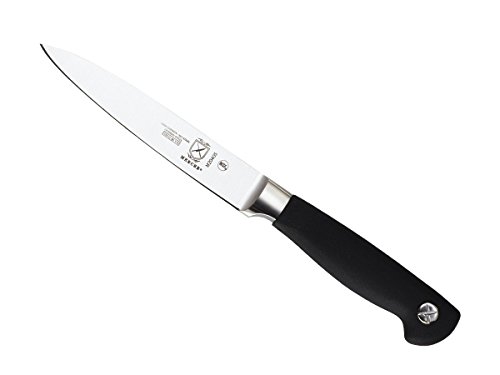
You reach for your chef's knife to slice a sandwich, and it feels absurdly oversized for the job. You grab your paring knife for a cucumber, and it takes three passes to get through. Somewhere between those two tools sits a knife most home cooks own but rarely think about on its own terms. If you are shopping for the best kitchen utility knives, the goal is not finding the flashiest blade on the shelf, it is understanding exactly what this knife is built to do so you do not end up with a redundant purchase. In this guide, you'll learn the blade specs that actually matter, how to choose between a serrated and straight edge, and where this knife genuinely earns a spot in your rotation.
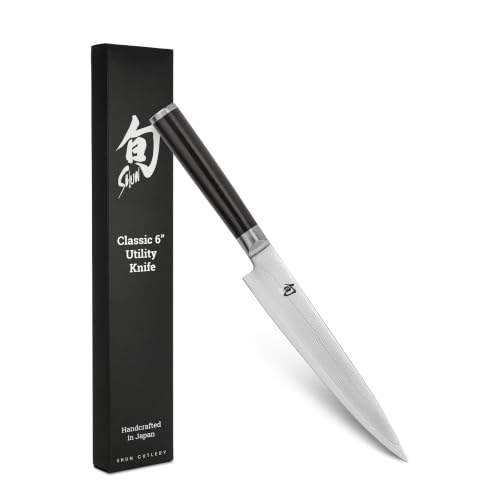
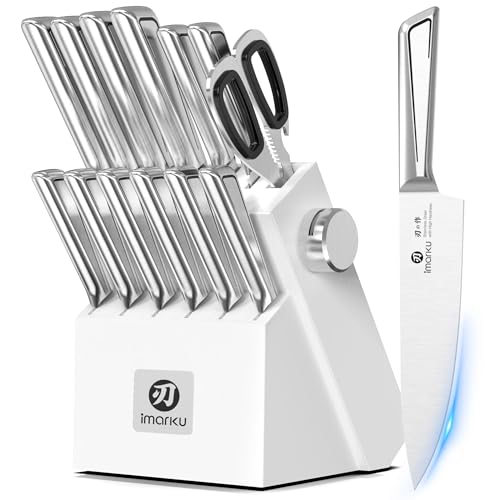

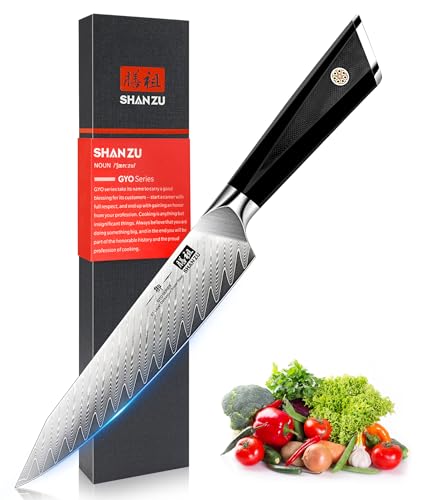
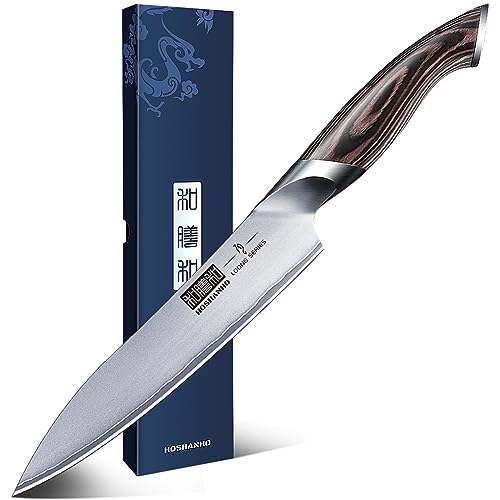

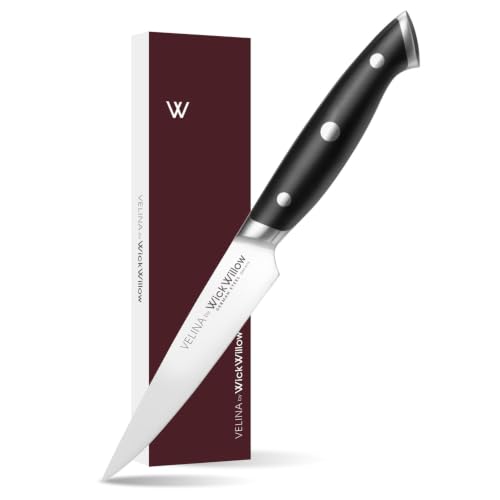
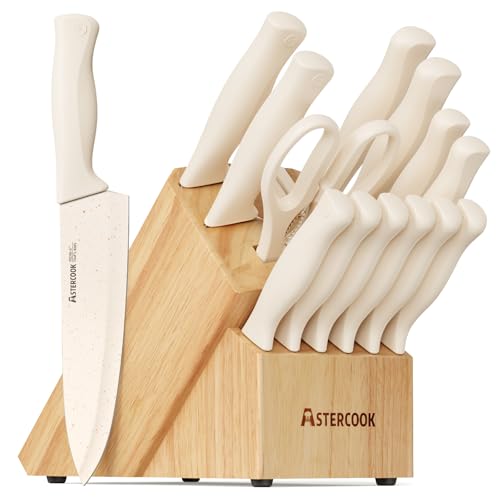


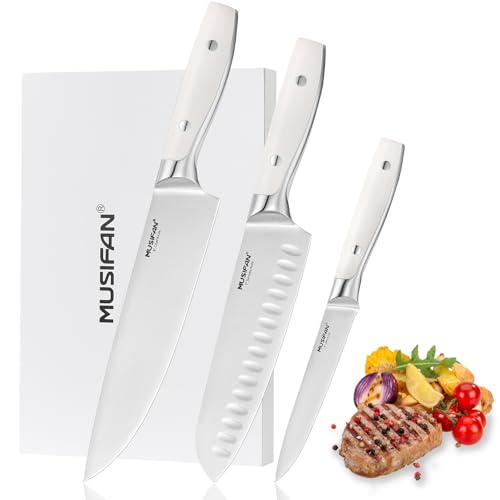
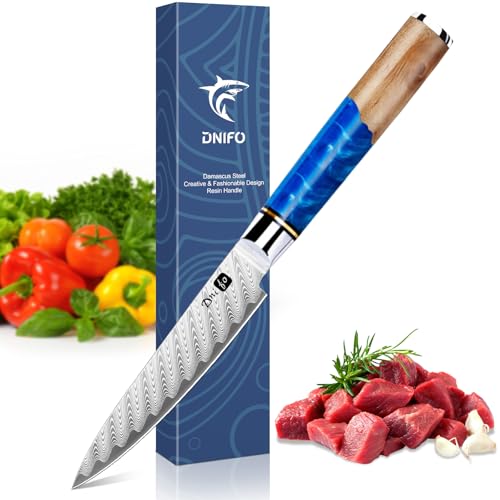
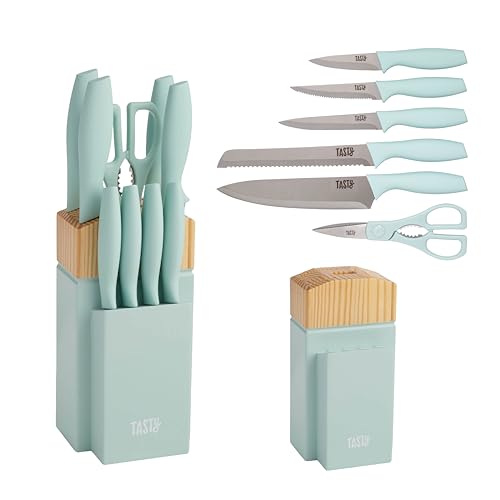

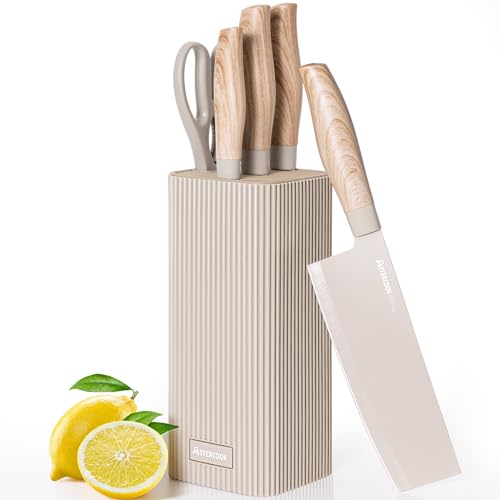
What Actually Separates a Good Utility Knife From a Mediocre One
A utility knife lives in a narrow band of specs, and getting those specs right matters more here than with almost any other knife in your kitchen. Because the knife is defined by sitting "in between" two other tools, a poorly sized or poorly built one just duplicates a knife you already own instead of filling a real gap. The best kitchen utility knives share three traits regardless of price: correct blade length, a steel that matches your maintenance habits, and a handle built for repeated, quick cuts.
Blade Length: Staying in the True Utility Range
A genuine utility knife runs roughly 4.5 to 7 inches, with most home versions landing around 5 to 6 inches. Anything shorter starts overlapping with a paring knife, and anything longer starts behaving like a small chef's knife. If you are torn between two lengths, think about your hands and your cutting board habits. A shorter blade near 5 inches feels nimble for in-hand work like trimming fat off a chicken breast, while a 6-inch blade gives you a bit more reach for board work like slicing a row of mushrooms in one pass.
Steel Type and How Much Upkeep You're Willing to Do
Most utility knives use stainless steel, high-carbon stainless steel, or plain carbon steel. Stainless resists rust and stains with almost no maintenance, which suits a knife that gets pulled out several times a day for quick jobs. High-carbon stainless steel splits the difference, holding a sharper edge longer while still resisting corrosion reasonably well. Plain carbon steel sharpens beautifully and takes an aggressive edge, but it needs to be dried immediately after every use or it will spot and rust. Be honest about your habits here. A knife that sits wet in the sink for an hour is a bad candidate for carbon steel.
Handle and Tang Construction
Look for full tang construction, meaning the metal runs the entire length of the handle rather than stopping at a narrow tapered stub. This gives the knife better balance and makes it feel more stable during the quick, repetitive motions a utility knife handles all day. Handle material matters too. Textured polymer or composite handles grip well even when your hands are wet from rinsing produce, while smooth wood handles look nicer but can get slippery. Skimping on handle quality is the most common reason otherwise well-made utility knives feel unsafe after a year of daily use, so it is worth checking in person before you buy.
Serrated or Straight Edge: Which Utility Knife Style Fits Your Kitchen
This is the decision that trips up more buyers of the best kitchen utility knives than any other spec, and it deserves more attention than it usually gets. A serrated utility knife has small, saw-like teeth that grip the surface of food and saw through it, rather than pushing straight down through it. That makes it excellent for anything with a tough or slippery exterior and a soft interior, ripe tomatoes, crusty sandwich rolls, and citrus fruit being the classic examples. The teeth bite in immediately instead of skating across the skin.
A straight edge utility knife, sometimes called a plain edge, gives you a clean push cut. It is easier to sharpen at home, holds a fine edge for precise slicing, and handles firmer foods like cheese blocks, cured sausage, or trimmed cutlets with a smoother finish than a serrated blade can manage. If you already own a dedicated bread knife, a straight edge utility knife is usually the more useful complement, since the serrated job is already covered elsewhere. If you do not own a bread knife and want one knife to handle both crusty bread and delicate produce, a serrated utility knife covers more ground on its own.
Some brands also sell a hybrid with a partially serrated section near the heel, but for most home kitchens, picking one style and understanding its strengths will serve you better than chasing a compromise blade.
Where a Utility Knife Actually Earns Its Keep in the Kitchen
The clearest way to judge whether this knife deserves a spot among the best kitchen utility knives on your counter is to look at the specific tasks it handles better than the alternatives sitting next to it in the block. A utility knife shines at slicing sandwiches cleanly through multiple layers, trimming visible fat or silver skin from smaller cuts of meat, sectioning citrus and other medium fruit, and slicing firm cheese or cured meat into even pieces. It also handles quick vegetable prep like halving Brussels sprouts, trimming green beans, or slicing a cucumber into rounds without the bulk of a full-size chef's knife getting in the way.
Where it falls short is anything that needs real leverage or volume, like breaking down a whole chicken, chopping a large pile of onions, or working through a dense winter squash. Those jobs still belong to a full chef's knife, and forcing a utility knife into that role usually just means more effort and a less controlled cut. On the opposite end, delicate detail work like deveining shrimp, hulling strawberries, or peeling in a tight curve is still better suited to a paring knife's shorter, more maneuverable blade. Think of the utility knife as the tool you grab for anything too big to comfortably hold and cut with a paring knife, but too small or too fussy to justify pulling out your largest blade.
How a Utility Knife Compares to Your Paring Knife and Chef's Knife
Confusion about whether you actually need one of the best kitchen utility knives usually comes down to not seeing where the size boundaries fall. A paring knife typically runs 2.5 to 4 inches and is designed almost entirely for in-hand work, tasks where you hold the food in one hand and the blade in the other, like peeling an apple or trimming the eyes out of a potato. A chef's knife runs 8 to 10 inches and is built for volume work on a cutting board, chopping, dicing, and mincing larger quantities of food with a rocking motion.
A utility knife sits squarely between those two, typically 4.5 to 7 inches, and it is comfortable doing both in-hand slicing and light board work, which neither of the other two knives does equally well. That flexibility is the entire case for owning one. If your current kitchen setup only has a chef's knife and a paring knife, you have likely noticed the gap already, tasks that feel clumsy with the big knife and slow with the small one. Cooks who lean toward Japanese-style blades sometimes reach for a petty knife instead, which occupies similar territory but with a thinner, lighter profile suited to more precise push cuts. Either way, the utility knife is not a smaller chef's knife or a bigger paring knife, it is a genuinely distinct tool built around board-and-hand hybrid tasks, which is exactly the gap that makes the best kitchen utility knives worth owning in the first place.
Frequently Asked Questions
What is a kitchen utility knife used for?
Among the best kitchen utility knives, the common thread is medium-sized cutting tasks that fall between chef's knife and paring knife territory, things like slicing sandwiches, trimming small cuts of meat, sectioning fruit, and cutting firm cheese or cured meats.
What size is a utility knife?
Most utility knives run 4.5 to 7 inches, with 5 to 6 inches being the most common range for home kitchens.
Is a utility knife the same as a paring knife?
No. A paring knife is smaller, usually 2.5 to 4 inches, and built for precise in-hand work. A utility knife is longer and handles both in-hand and light board tasks.
Should a utility knife be serrated or straight edge?
It depends on what you cut most. Serrated works better on tomatoes, citrus, and crusty bread, while a straight edge gives cleaner cuts on cheese, cured meat, and firmer produce.
Do I need a utility knife if I already have a chef's knife?
You can get by without one, but many cooks find their chef's knife feels too bulky for sandwiches, small produce, or in-hand trimming. This is exactly the gap the best kitchen utility knives are designed to fill.
Can you use a utility knife to cut bread?
A serrated utility knife can handle smaller bread items like rolls or baguettes reasonably well, though a full-size bread knife is still better for large loaves.
Is a 5 inch or 6 inch utility knife better?
A 5-inch blade feels more nimble for in-hand work, while a 6-inch blade gives slightly more reach for board tasks. Neither is objectively better, it comes down to how you tend to hold and cut food.
Making Your Decision
A utility knife is not a knife you need in the same way you need a chef's knife, but for the specific tasks it is built for, nothing else in your block does the job as comfortably. Focus on staying within the true blade length range, pick an edge type that matches what you cut most often, and choose a steel and handle that fit how carefully you are willing to maintain it. Get those three things right, and you will land on one of the best kitchen utility knives for how you actually cook, not just one that looks good in a set.