
Best Skateboard Decks of 2026: Complete Buying Guide
Disclosure: We may earn a commission when you buy through links on this page, at no extra cost to you. As an Amazon Associate I earn from qualifying purchases. Learn more
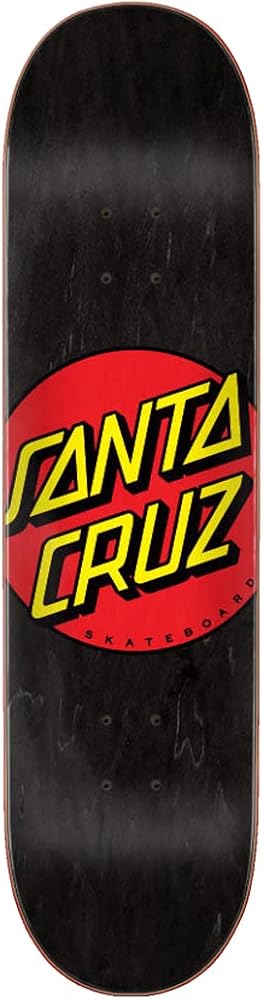
The best skateboard decks from Santa Cruz, Powell Peralta and Baker, plus a guide to deck width, shape and construction.
The deck is the heart of a skateboard. Its width, length, concave and construction decide how the board flips, how stable it feels and how long it survives curbs, ledges and stairs. Pro brand decks, blank maple boards and premium composite decks all promise performance, but the right choice depends on your shoe size, your style and how hard you skate. This guide to the best skateboard decks explains the features that matter and shares our top picks so you can buy with confidence.
We start with three short picks, then cover how to choose, deck types, care tips and common questions. Wear a certified skateboard helmet and consider wrist guards and knee pads, especially while learning; most skate injuries happen in falls. A deck alone is not rideable, so you will also need trucks, wheels, bearings, hardware and grip tape, or you can buy a complete board.




Our Top 3 Picks at a Glance
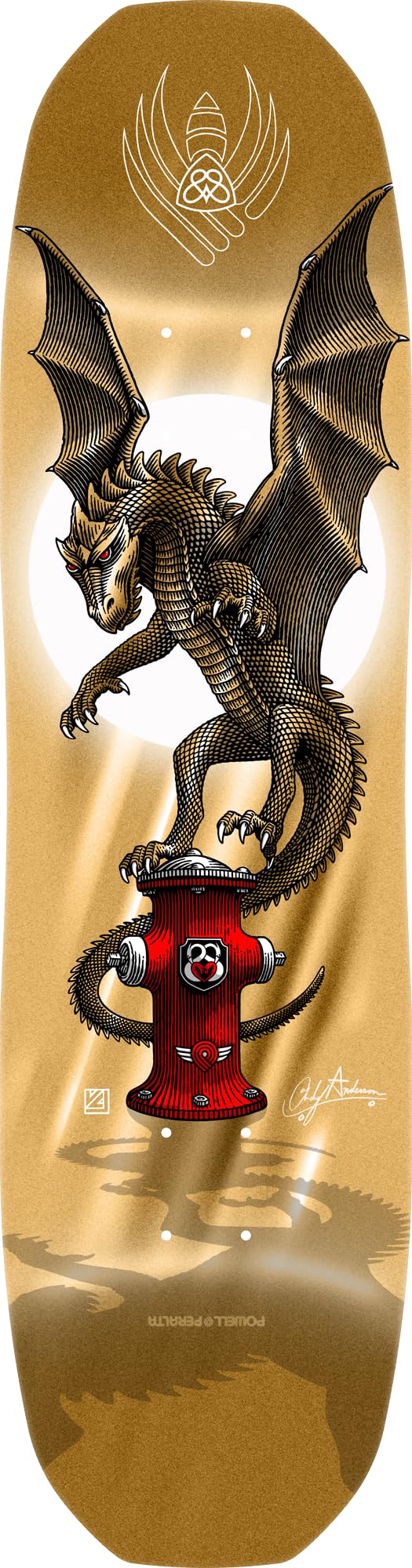
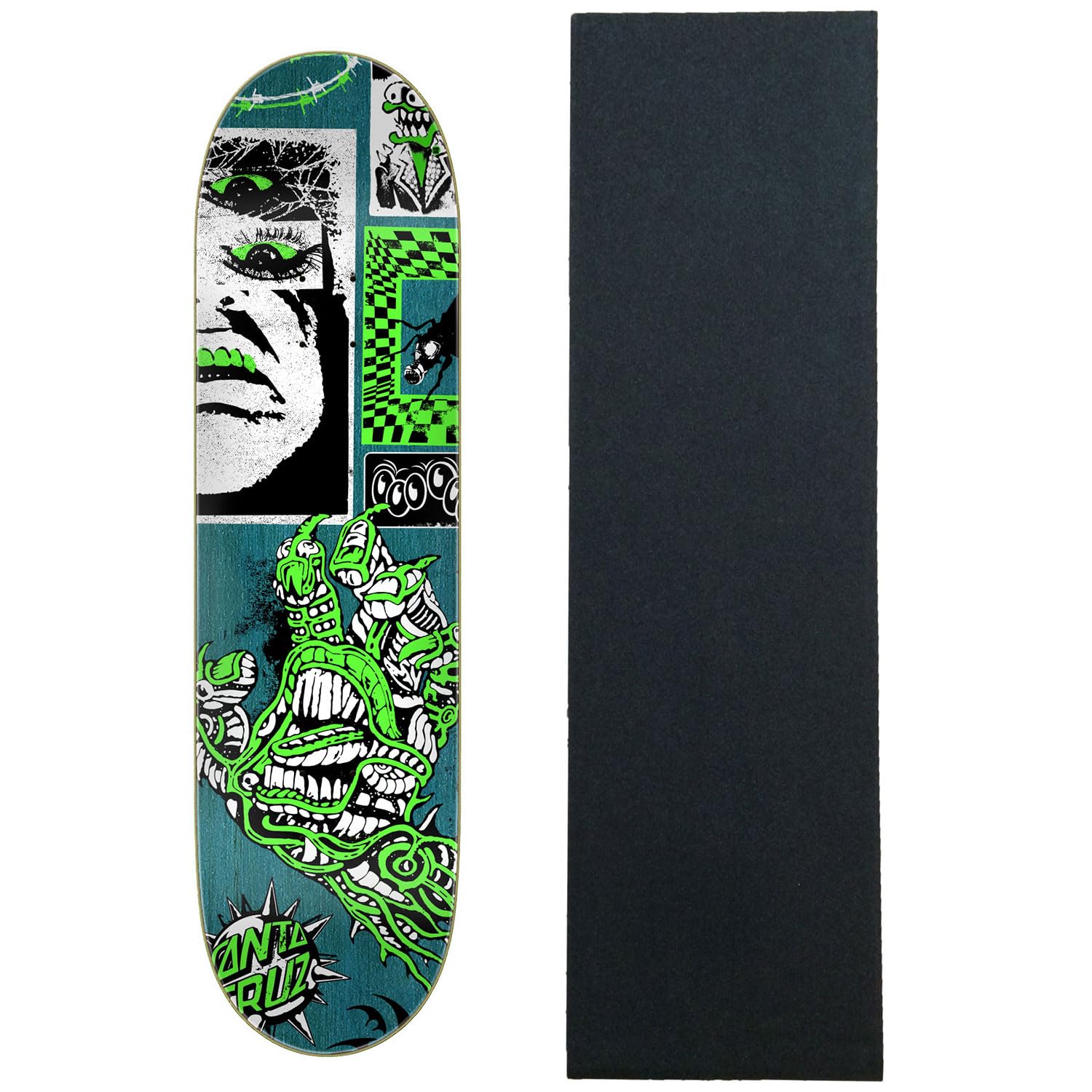
Our picks are the Santa Cruz Screaming Hand 8.8 Inch Deck as the best overall, a blank 7 layer maple double tail deck as the best value and the Powell Peralta Andy Anderson Heron Flight Deck as the best premium pick.
We compared width, length, construction, shape, brand reputation and price, along with the overall pattern in owner feedback. We did not skate these decks ourselves; the notes reflect maker specifications.
Best Overall: Santa Cruz Screaming Hand 8.8 Inch Deck
The Santa Cruz Screaming Hand deck suits skaters who want a wide, stable board from a long running skate brand, at around $73. Santa Cruz lists an 8.8 by 31.95 inch deck featuring its iconic Screaming Hand graphic. A wider deck like this gives more foot room and stability for transition, bowls, cruising and skaters with larger feet.
Two strengths stand out: a stable wide platform and an instantly recognizable design from a respected brand.
The limitation is that 8.8 inches may feel heavy and slow for technical street flip tricks.
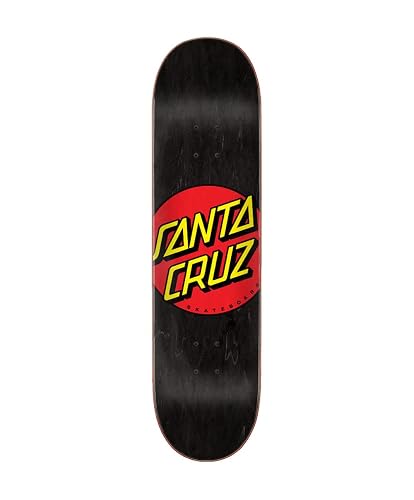
Best Value: Blank 7 Layer Maple Double Tail Deck
A blank maple deck suits beginners, budget skaters and anyone who goes through boards quickly, at around $51 for this set. The maker lists 7 layer maple construction, a double tail shape and an 8 by 31 inch size, the classic popsicle dimensions used for street and park skating. Blank decks skip pro graphics to keep costs down.
Its strengths are a low price and standard sizing that works with common trucks.
The trade off is less consistent quality control than pro brand decks, so check for warping before setup.

Best Premium Pick: Powell Peralta Andy Anderson Heron Flight Deck
The Powell Peralta Andy Anderson Heron Flight deck suits experienced skaters who want a premium, long lasting deck, at around $120. It belongs to Powell Peralta's Flight line, the brand's premium construction designed to be lighter and stronger than standard maple decks, and features pro skater Andy Anderson's Heron graphic. Powell Peralta also sells an Egg shaped version in 8.7 by 32.3 inches.
The appeal is durability that can outlast several standard decks and a pro model shape.
The limitation is a price nearly double many maple decks.

How to Choose the Best Skateboard Decks: Buying Guide
Choose width first, then length, shape and construction to match your style.
Skill Level and Intended Use
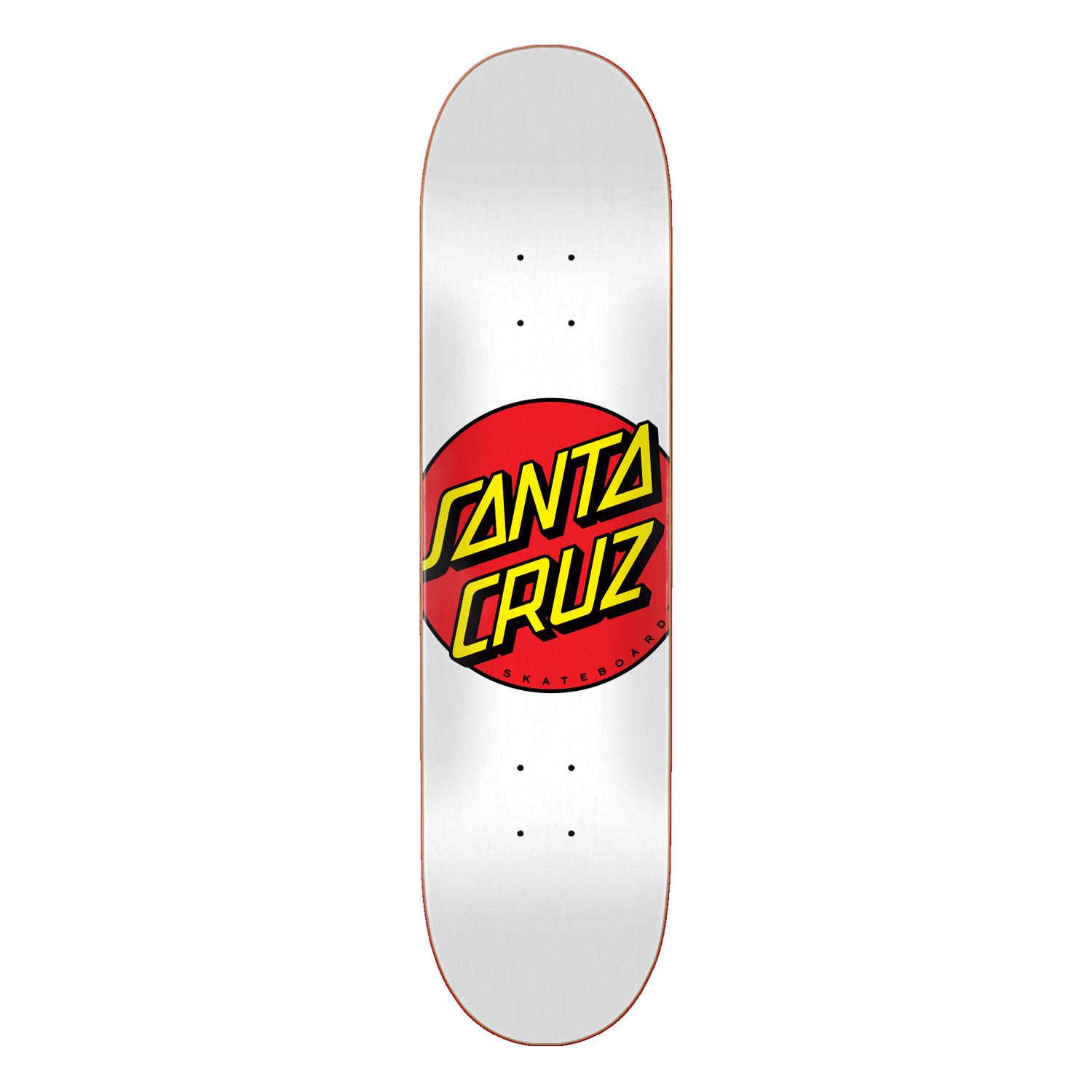
Street skaters doing flip tricks usually prefer narrower decks around 7.75 to 8.25 inches. Park, bowl and transition skaters often choose 8.25 to 8.75 inches or wider, like Santa Cruz's 8.8 inch deck. Beginners do well with an 8.0 inch deck, like Baker's Brand Logo 8.0, which balances stability and control.
The best skateboard decks for most riders sit between 8.0 and 8.5 inches wide.
Width and Length
Width should roughly match your shoe size and style. Smaller shoe sizes suit 7.5 to 8.0 inches, and larger feet often prefer 8.25 inches or more. Length usually ranges from about 31 to 32.5 inches; Santa Cruz's deck is 31.95 inches long, Powell Peralta's Egg is 32.3 inches and the blank deck is 31 inches.
Materials and Construction
Most decks use 7 layers of maple pressed with glue. Premium constructions, like Powell Peralta's Flight decks, aim for lighter weight and longer life. Blank decks use standard maple at lower prices. Look for flat, even plies with no gaps or warping.
Shape and Concave
Popsicle shapes with double tails, like the blank deck and Baker's Brand Logo deck, are the standard for street and park. Shaped decks, like Powell Peralta's Egg, add a different nose and tail feel. Concave, the side to side curve, locks your feet in for flips; deeper concave feels more responsive, while mellow concave feels relaxed.
Performance Characteristics
Wheelbase, the distance between the inner truck holes, affects turning and stability. Longer wheelbases feel stable at speed; shorter wheelbases turn quicker. Nose and tail kick angles affect how easily you pop ollies. Pro shapes list these specs on the deck or brand site.
Safety and Protective Gear
Decks do not carry safety certifications, but helmets do. Look for helmets certified for skateboarding, add wrist guards to protect against common fall injuries and replace grip tape that wears smooth, which can cause slips.
Grip Tape and Setup
Most decks ship without grip tape, though some, like Santa Cruz's FeelBase deck, include it. Apply grip by peeling the backing, laying it from nose to tail, pressing out bubbles and trimming the edge with a razor blade. Then drill or punch through the truck holes from the bottom. Choose hardware long enough for your riser pads, usually 7/8 to 1 inch without risers.
Graphics and Blank Decks
Pro decks carry brand and skater graphics, like Santa Cruz's Screaming Hand, Powell Peralta's Andy Anderson Heron and Baker's Brand Logo. Graphics wear off quickly once you start sliding, so they are mostly about style. Blank decks, like the 8 by 31 inch maple boards, cost less and are popular for painting projects and wall art as well as skating.
Indoor vs Outdoor Use
Deck choice is the same indoors and out, but wheels change. Harder wheels suit smooth skateparks and indoor ramps, while softer wheels roll over rough streets. Keep decks dry outdoors, since moisture can warp maple.
Types of Skateboard Decks
Here are the main types and who each suits.
Kids' and Youth Decks
Kids' decks are narrower and shorter, often around 7.0 to 7.5 inches wide, so small feet can control them. Element sells a 27 by 8 inch kids cruiser complete. Young riders should always skate with a helmet and pads.
Beginner Decks
Beginner decks, like blank 7 layer maple boards and 8.0 inch pro decks such as Baker's, balance stability and affordability. Many beginners start with a complete board, then upgrade the deck as they learn their preferred size.
Intermediate and All Around Decks
All around decks, like Santa Cruz's and Baker's pro decks around 8.0 to 8.5 inches, handle street, park and cruising. They use quality maple and consistent shapes.
Advanced and Performance Decks
Performance decks, like Powell Peralta's Flight decks, use premium construction for lighter weight and durability. They suit skaters who snap or wear out standard decks often.
How to Make Your Skateboard Deck Last Longer
Keep it dry. Water soaks into maple and causes warping and delamination.
Store indoors. Avoid hot cars and damp garages.
Rotate trucks or nose and tail. Even out wear on the tail.
Add rails or wax ledges. Reduce chipping on boardslides.
Replace grip tape when smooth. Fresh grip keeps feet secure.
Skateboard Decks: Your Questions Answered
Is it worth buying a premium deck as a beginner?
Usually not. Beginners often snap or wear decks while learning, so an affordable blank or standard pro deck is fine. Upgrade to premium decks like Powell Peralta's Flight once you know your preferred size and shape.
How long does a skateboard deck last?
A deck can last a few weeks to several months depending on how hard and how often you skate. Street skaters doing big tricks wear decks fastest. Premium constructions often last longer than standard maple.
What size skateboard deck should I get?
Most adults start with 8.0 to 8.25 inches wide. Choose narrower decks for technical flip tricks and smaller feet, and wider decks like 8.5 to 8.8 inches for transition, cruising and larger feet.
Are wider decks easier to learn on?
Slightly wider decks, around 8.0 to 8.25 inches, feel more stable for learning to push, turn and ollie. Very wide decks are heavier and harder to flip, so most beginners avoid going above 8.5 inches unless they focus on bowls or cruising.
Does indoor vs outdoor skating change the deck I need?
Not much. Deck size and shape depend on your style, not location. Wheels and bearings matter more: softer wheels for rough outdoor streets, harder wheels for smooth parks and indoor ramps.
Should I buy a deck or a complete skateboard?
Beginners usually save money and hassle with a complete board, since trucks, wheels and bearings come matched and assembled. Experienced skaters often buy decks separately to choose their own trucks and wheels and to replace just the deck when it wears out. Make sure truck width roughly matches deck width.
Why do decks snap or lose pop?
Decks lose pop as the wood fibers soften from repeated impacts and moisture. Big drops, landing primo or landing in the middle of the board can snap a deck. Keeping decks dry and rotating between two decks helps them last longer.
The Bottom Line
The best skateboard decks match your foot size, style and budget. Santa Cruz's 8.8 inch Screaming Hand deck is the best overall for stable all around skating, a blank 7 layer maple deck is the best value and Powell Peralta's Andy Anderson Heron Flight deck is the premium pick for durability.
For more skate guides, see the best skateboard brands, the best skateboard for beginners, the best skateboard helmets and the best commuter skateboard. Then compare current prices in the product table above.


